
Chemical Waste Segregation and Compatibility
Chemical waste segregation is the process of separating different types of chemical waste based on their properties to prevent reactions or contamination that could pose risks to human health or the environment. Proper segregation is crucia…
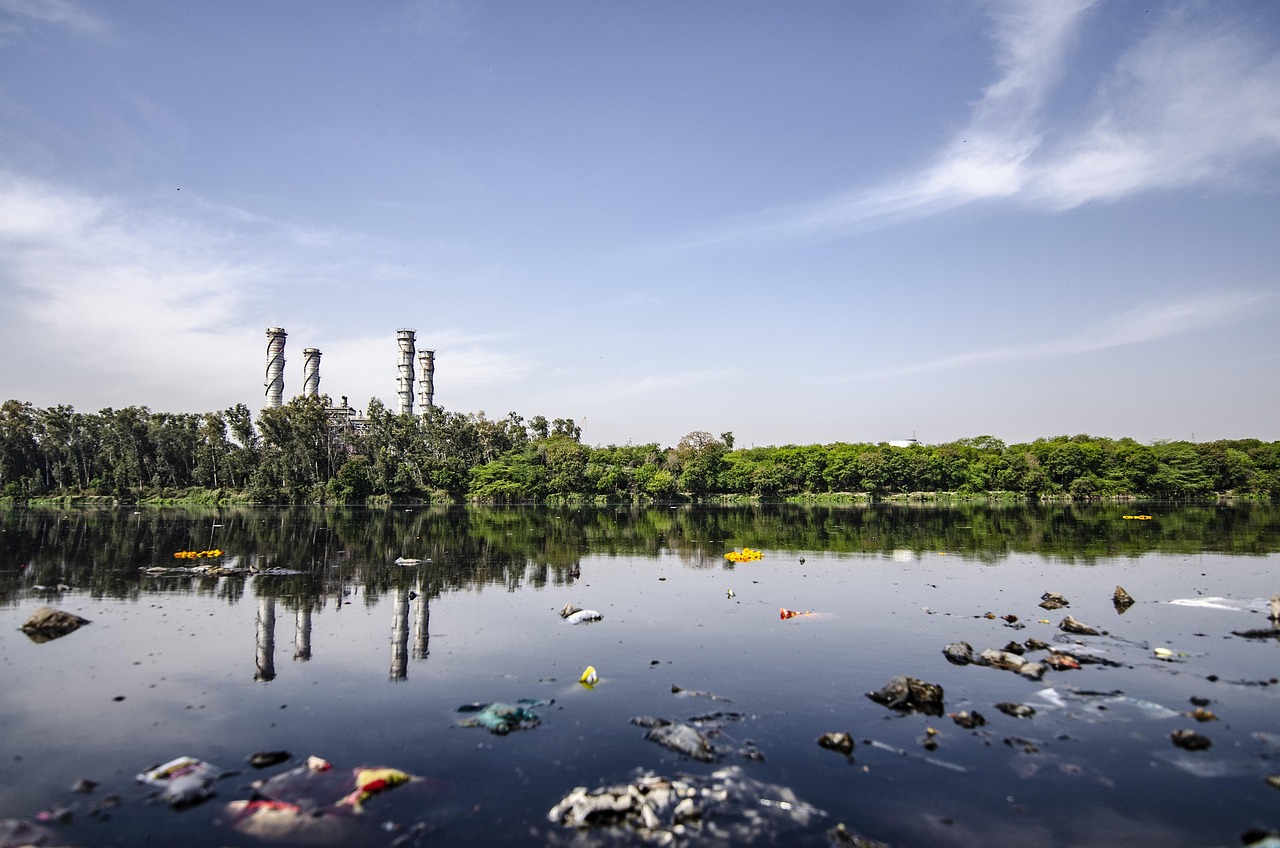
Chemical waste segregation is the process of separating different types of chemical waste based on their properties to prevent reactions or contamination that could pose risks to human health or the environment. Proper segregation is crucial in the safe management of chemical waste to minimize hazards and ensure compliance with regulatory requirements.
Key Terms and Vocabulary:
1. **Chemical Waste:** Chemical waste refers to any unwanted or unused chemicals that are no longer needed and need to be disposed of safely. This can include solvents, acids, bases, reagents, and other substances used in laboratories, manufacturing processes, or other industrial activities.
2. **Segregation:** Segregation involves sorting chemical waste into different categories based on their chemical properties, physical state, toxicity, and compatibility with other waste streams. This is done to prevent reactions, contamination, or other hazards during storage, transportation, and disposal.
3. **Compatibility:** Compatibility refers to the ability of different chemicals to be stored or disposed of together without causing dangerous reactions, such as fires, explosions, or the release of toxic gases. It is essential to consider compatibility when segregating chemical waste to avoid accidents and ensure safety.
4. **Incompatibility:** Incompatibility occurs when two or more chemicals react with each other, leading to hazardous consequences. For example, mixing acids with bases can result in violent reactions, while combining oxidizers with organics can lead to fires or explosions.
5. **Chemical Properties:** Chemical properties include characteristics such as flammability, reactivity, corrosiveness, and toxicity that determine how a substance will behave under different conditions. Understanding the chemical properties of waste is essential for proper segregation and handling.
6. **Physical State:** The physical state of chemical waste (solid, liquid, or gas) can affect how it is stored, transported, and disposed of. For example, liquids may need to be contained in leak-proof containers, while solids may require special packaging to prevent spills or leaks.
7. **Toxicity:** Toxicity refers to the ability of a chemical to cause harm to living organisms. Toxic waste must be handled with care to prevent exposure and contamination. Segregating toxic chemicals from non-toxic ones is essential to minimize risks to human health and the environment.
8. **Hazardous Waste:** Hazardous waste is waste that poses a threat to human health or the environment due to its chemical composition or properties. Proper segregation of hazardous waste is necessary to prevent accidents, pollution, and regulatory violations.
9. **Chemical Labeling:** Chemical labeling involves identifying and marking containers of chemical waste with information such as the name of the chemical, hazard warnings, handling instructions, and disposal requirements. Clear labeling helps ensure proper segregation and safe handling of waste.
10. **Storage Requirements:** Proper storage of chemical waste is essential to prevent leaks, spills, or accidents. Different types of waste may have specific storage requirements based on their properties, such as temperature control, ventilation, or segregation from incompatible materials.
11. **Transportation Regulations:** Transporting chemical waste from the point of generation to a disposal facility must comply with regulations to ensure safety and environmental protection. Segregation during transportation is critical to prevent leaks, spills, or accidents on the road.
12. **Disposal Methods:** Chemical waste can be disposed of through various methods, such as incineration, neutralization, recycling, or landfilling. The choice of disposal method depends on the properties of the waste and environmental regulations. Proper segregation is necessary to determine the most suitable disposal option.
Examples:
1. An example of chemical waste segregation is separating organic solvents from oxidizing agents in a laboratory setting. Organic solvents are flammable and should not be mixed with oxidizers, which can cause fires or explosions.
2. In a manufacturing facility, acids and bases must be stored in separate areas to prevent accidental spills or leaks that could lead to corrosive reactions. Proper segregation of these chemicals ensures workplace safety and compliance with regulations.
Practical Applications:
1. Identify and label chemical waste containers with the name of the chemical, hazard warnings, and handling instructions to facilitate proper segregation and safe handling.
2. Store chemical waste in designated areas based on compatibility and hazard classification to prevent accidents, spills, or contamination.
Challenges:
1. Lack of awareness or training on chemical waste segregation practices can lead to improper handling, storage, and disposal of hazardous materials.
2. Limited resources or infrastructure for segregating chemical waste may pose challenges in implementing effective waste management practices.
In conclusion, chemical waste segregation is a critical aspect of the safe management of chemical waste to prevent accidents, protect human health and the environment, and ensure compliance with regulations. Understanding key terms and concepts related to segregation, compatibility, and disposal is essential for practicing proper waste management in various industrial settings. By following best practices and guidelines for segregation, organizations can minimize risks and promote a safer working environment for employees and the community.
Key takeaways
- Chemical waste segregation is the process of separating different types of chemical waste based on their properties to prevent reactions or contamination that could pose risks to human health or the environment.
- This can include solvents, acids, bases, reagents, and other substances used in laboratories, manufacturing processes, or other industrial activities.
- **Segregation:** Segregation involves sorting chemical waste into different categories based on their chemical properties, physical state, toxicity, and compatibility with other waste streams.
- **Compatibility:** Compatibility refers to the ability of different chemicals to be stored or disposed of together without causing dangerous reactions, such as fires, explosions, or the release of toxic gases.
- For example, mixing acids with bases can result in violent reactions, while combining oxidizers with organics can lead to fires or explosions.
- **Chemical Properties:** Chemical properties include characteristics such as flammability, reactivity, corrosiveness, and toxicity that determine how a substance will behave under different conditions.
- For example, liquids may need to be contained in leak-proof containers, while solids may require special packaging to prevent spills or leaks.