
Energy Efficiency Optimization Strategies
Energy Efficiency Optimization Strategies in HVAC Systems
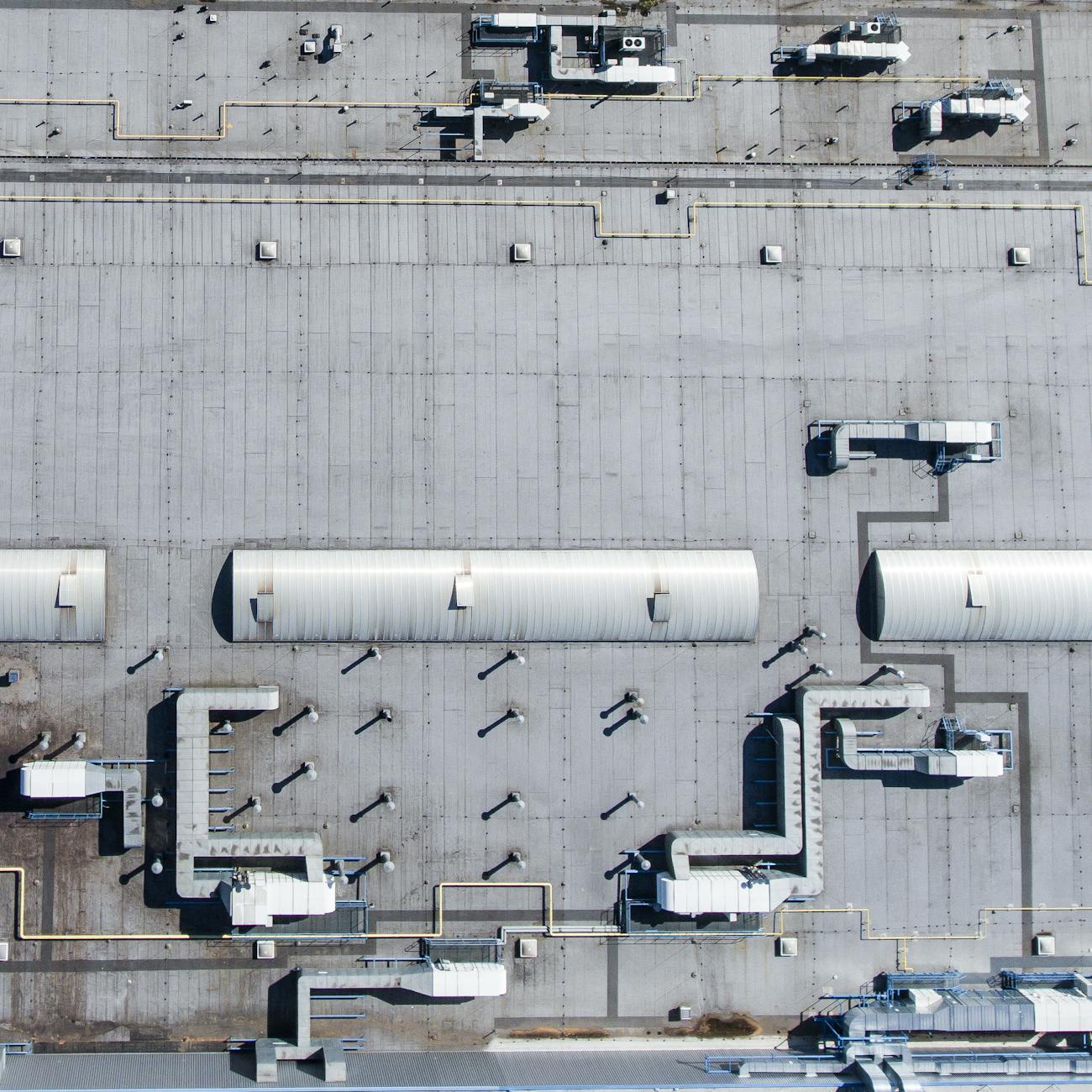
Energy Efficiency Optimization Strategies in HVAC Systems
Energy efficiency optimization is a critical aspect of managing Heating, Ventilation, and Air Conditioning (HVAC) systems to ensure optimal performance while minimizing energy consumption. In the context of Internet of Things (IoT) data analytics for HVAC systems, several key terms and vocabulary play a crucial role in understanding and implementing energy efficiency strategies effectively.
1. HVAC Systems: HVAC systems are responsible for controlling the indoor environment of buildings by regulating temperature, humidity, and air quality. They consist of various components such as air handlers, chillers, boilers, ductwork, thermostats, sensors, and controls.
2. Energy Efficiency: Energy efficiency refers to the ability of a system or equipment to deliver the desired output while consuming the minimum amount of energy. Energy-efficient HVAC systems help reduce energy costs, greenhouse gas emissions, and overall environmental impact.
3. Optimization: Optimization involves the process of making a system or process as effective and efficient as possible. In the context of HVAC systems, optimization aims to maximize performance while minimizing energy consumption and operational costs.
4. IoT (Internet of Things): IoT refers to a network of interconnected devices, sensors, and software that collect and exchange data to automate processes and improve efficiency. In HVAC systems, IoT technologies enable real-time monitoring, control, and optimization of system performance.
5. Data Analytics: Data analytics involves the process of analyzing large volumes of data to uncover patterns, trends, and insights that can be used to make informed decisions. In the context of HVAC systems, data analytics help identify energy-saving opportunities and optimize system performance.
6. Energy Management System (EMS): An EMS is a software application that monitors, controls, and optimizes energy consumption in buildings. It integrates with HVAC systems to implement energy efficiency strategies based on real-time data and analytics.
7. Building Automation System (BAS): A BAS is a centralized control system that manages various building systems, including HVAC, lighting, security, and fire safety. It allows for remote monitoring, scheduling, and optimization of building operations to improve energy efficiency and occupant comfort.
8. Demand Response (DR): DR programs enable utility companies to reduce peak electricity demand by incentivizing customers to adjust their energy consumption during periods of high demand. HVAC systems can participate in DR programs by adjusting setpoints, cycling equipment, or reducing load to support grid stability.
9. Fault Detection and Diagnostics (FDD): FDD systems use algorithms and analytics to identify equipment faults, inefficiencies, and performance issues in HVAC systems. By detecting and diagnosing problems early, FDD helps optimize system performance, reduce energy waste, and prevent costly repairs.
10. Predictive Maintenance: Predictive maintenance uses data analytics and machine learning algorithms to predict equipment failures before they occur. By monitoring key performance indicators and trends in HVAC systems, predictive maintenance helps prioritize maintenance tasks, reduce downtime, and extend equipment lifespan.
11. Energy Modeling: Energy modeling involves simulating the energy performance of buildings and HVAC systems to evaluate design alternatives, optimize system operation, and predict energy savings. By using building energy simulation software, engineers can analyze different scenarios and strategies to improve energy efficiency.
12. Retro-Commissioning: Retro-commissioning is the process of optimizing existing HVAC systems to improve performance, energy efficiency, and occupant comfort. By conducting a comprehensive assessment, testing, and adjustment of system components, retro-commissioning helps identify and address inefficiencies to achieve energy savings.
13. Occupant Behavior: Occupant behavior plays a significant role in energy consumption and comfort in buildings. By educating occupants about energy-saving practices, setting guidelines for temperature settings, and implementing occupancy sensors, building managers can influence behavior to reduce energy waste and improve efficiency.
14. Energy Benchmarking: Energy benchmarking involves comparing the energy performance of buildings against similar buildings or industry standards. By analyzing energy consumption data, benchmarking helps identify opportunities for improvement, set energy reduction goals, and track progress over time.
15. Renewable Energy Integration: Renewable energy sources such as solar, wind, and geothermal power can supplement traditional energy sources to reduce carbon footprint and energy costs. By integrating renewable energy systems with HVAC systems, buildings can achieve greater energy independence and sustainability.
16. Smart Thermostats: Smart thermostats are programmable devices that adjust temperature settings based on occupancy, time of day, and weather conditions. By using sensors and connectivity features, smart thermostats optimize HVAC operation, reduce energy waste, and improve comfort levels for occupants.
17. Variable Refrigerant Flow (VRF) Systems: VRF systems are advanced HVAC systems that use variable-speed compressors and refrigerant flow control to provide precise heating and cooling to different zones in a building. By adjusting capacity based on demand, VRF systems improve energy efficiency and comfort compared to traditional systems.
18. Energy Recovery Ventilation (ERV): ERV systems recover heat or cooling energy from exhaust air to pre-condition fresh outdoor air entering a building. By exchanging heat between air streams, ERV systems reduce energy consumption, improve indoor air quality, and enhance HVAC efficiency.
19. Chiller Plant Optimization: Chiller plants are central systems that provide chilled water for cooling in large buildings. Chiller plant optimization involves optimizing chiller operation, sequencing, and controls to reduce energy consumption, improve efficiency, and maintain comfort conditions.
20. Load Shedding: Load shedding is a strategy used to reduce energy consumption during peak demand periods by shedding non-essential loads. In HVAC systems, load shedding may involve temporarily adjusting setpoints, reducing airflow, or cycling equipment to lower energy usage without compromising comfort.
In conclusion, understanding the key terms and vocabulary related to energy efficiency optimization strategies in HVAC systems is essential for professionals in the field of IoT data analytics. By leveraging these concepts and technologies, practitioners can implement effective energy-saving measures, improve system performance, and contribute to a more sustainable built environment.
Key takeaways
- In the context of Internet of Things (IoT) data analytics for HVAC systems, several key terms and vocabulary play a crucial role in understanding and implementing energy efficiency strategies effectively.
- HVAC Systems: HVAC systems are responsible for controlling the indoor environment of buildings by regulating temperature, humidity, and air quality.
- Energy Efficiency: Energy efficiency refers to the ability of a system or equipment to deliver the desired output while consuming the minimum amount of energy.
- In the context of HVAC systems, optimization aims to maximize performance while minimizing energy consumption and operational costs.
- IoT (Internet of Things): IoT refers to a network of interconnected devices, sensors, and software that collect and exchange data to automate processes and improve efficiency.
- Data Analytics: Data analytics involves the process of analyzing large volumes of data to uncover patterns, trends, and insights that can be used to make informed decisions.
- Energy Management System (EMS): An EMS is a software application that monitors, controls, and optimizes energy consumption in buildings.