
Ayurvedic Skincare Tools and Techniques
Ayurvedic Skincare Tools and Techniques
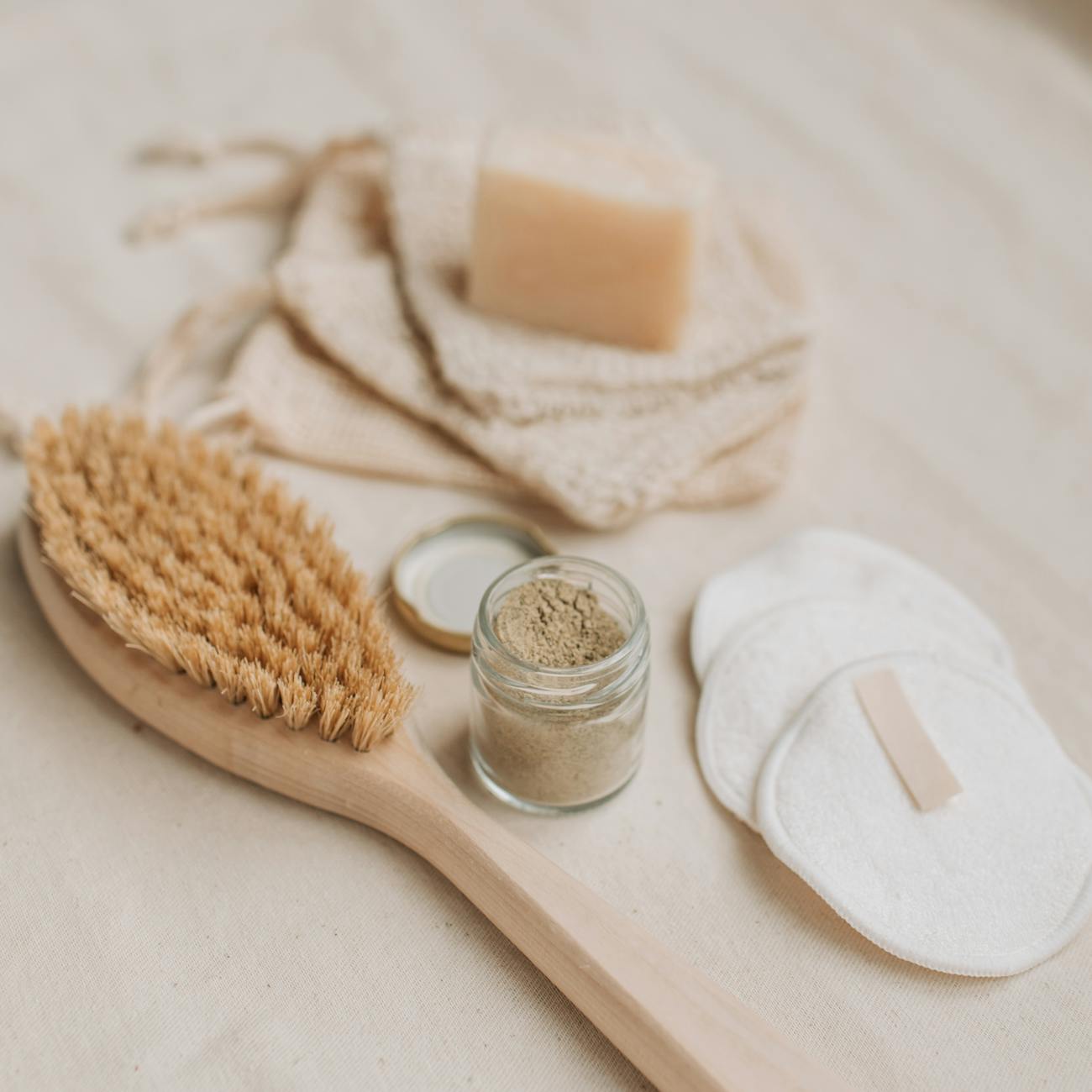
Ayurvedic Skincare Tools and Techniques
Ayurveda, an ancient Indian system of medicine, has gained popularity worldwide for its holistic approach to health and wellness. Ayurvedic skincare, a branch of Ayurveda, focuses on achieving healthy and radiant skin through natural remedies and practices. In this course, the Graduate Certificate in Ayurvedic Skincare, students will learn about various tools and techniques used in Ayurvedic skincare to promote skin health and beauty.
Ayurveda
Ayurveda is a traditional system of medicine originating in India over 5,000 years ago. It emphasizes the balance between mind, body, and spirit to achieve optimal health and wellness. Ayurveda categorizes individuals into three doshas—Vata, Pitta, and Kapha—based on their unique physical and mental characteristics.
Skincare
Skincare refers to the practice of taking care of the skin to maintain its health, appearance, and function. Proper skincare involves cleansing, moisturizing, and protecting the skin from environmental damage.
Ayurvedic Skincare
Ayurvedic skincare focuses on using natural ingredients and techniques to promote healthy and glowing skin. It considers an individual's dosha type to customize skincare routines and products for optimal results.
Tools
In Ayurvedic skincare, various tools are used to enhance the effectiveness of skincare treatments and practices. These tools help in cleansing, exfoliating, massaging, and applying skincare products.
Techniques
Ayurvedic skincare techniques involve holistic practices such as facial massage, herbal steam treatments, and dietary adjustments to improve skin health. These techniques aim to balance the doshas and promote overall well-being.
Key Terms and Vocabulary
Abhyanga
Abhyanga is a traditional Ayurvedic self-massage technique using warm herbal oils to nourish the skin, improve circulation, and promote relaxation. It helps in balancing the doshas and rejuvenating the skin.
Ubtan
Ubtan is a natural Ayurvedic skincare paste made from herbs, spices, and other ingredients. It is used as a gentle exfoliant and cleanser to remove dead skin cells, unclog pores, and brighten the skin.
Kansa Wand
A Kansa Wand is a tool made of healing bronze metal used in Ayurvedic skincare for facial massage. It helps in reducing puffiness, promoting lymphatic drainage, and enhancing the skin's radiance.
Tongue Scraping
Tongue scraping is a daily Ayurvedic practice of using a metal scraper to remove toxins and bacteria from the tongue. It improves oral hygiene, enhances taste perception, and promotes overall detoxification.
Gharshana Gloves
Gharshana gloves are rough silk or cotton gloves used in Ayurvedic skincare for dry brushing the skin. This technique helps in exfoliating dead skin cells, stimulating circulation, and detoxifying the body.
Neti Pot
A Neti Pot is a small vessel used in Ayurveda for nasal irrigation. It helps in clearing the nasal passages, reducing congestion, and promoting respiratory health. Neti pots are filled with saline solution for this purpose.
Manjistha
Manjistha is an Ayurvedic herb known for its blood-purifying and skin-healing properties. It is used in skincare formulations to treat acne, eczema, and other skin conditions, promoting clear and healthy skin.
Chandan
Chandan is the Sanskrit name for sandalwood, a popular Ayurvedic skincare ingredient. Sandalwood has cooling and soothing properties, making it ideal for calming irritated skin, reducing inflammation, and enhancing complexion.
Neem
Neem is a powerful Ayurvedic herb with antibacterial, antifungal, and anti-inflammatory properties. It is commonly used in skincare products to treat acne, eczema, and other skin conditions effectively.
Triphala
Triphala is a traditional Ayurvedic herbal formula consisting of three fruits—amalaki, bibhitaki, and haritaki. It is known for its antioxidant and detoxifying properties, promoting healthy skin from within.
Challenges
While Ayurvedic skincare offers numerous benefits, there are some challenges associated with incorporating Ayurvedic tools and techniques into daily routines. These challenges include the availability of authentic Ayurvedic products, the time-consuming nature of some practices, and the need for consistency in skincare routines.
Practical Applications
Despite the challenges, Ayurvedic skincare tools and techniques have practical applications that can transform the way individuals care for their skin. By understanding their dosha type and incorporating Ayurvedic practices into their skincare regimen, individuals can achieve healthy, radiant skin naturally.
Conclusion
In conclusion, Ayurvedic skincare tools and techniques offer a holistic approach to skincare that prioritizes health and wellness. By incorporating Ayurvedic practices such as abhyanga, ubtan, and tongue scraping, individuals can promote skin health, balance their doshas, and achieve glowing skin from within. Embracing the wisdom of Ayurveda in skincare can lead to long-lasting benefits for both the skin and overall well-being.
Key takeaways
- In this course, the Graduate Certificate in Ayurvedic Skincare, students will learn about various tools and techniques used in Ayurvedic skincare to promote skin health and beauty.
- Ayurveda categorizes individuals into three doshas—Vata, Pitta, and Kapha—based on their unique physical and mental characteristics.
- Skincare refers to the practice of taking care of the skin to maintain its health, appearance, and function.
- Ayurvedic skincare focuses on using natural ingredients and techniques to promote healthy and glowing skin.
- In Ayurvedic skincare, various tools are used to enhance the effectiveness of skincare treatments and practices.
- Ayurvedic skincare techniques involve holistic practices such as facial massage, herbal steam treatments, and dietary adjustments to improve skin health.
- Abhyanga is a traditional Ayurvedic self-massage technique using warm herbal oils to nourish the skin, improve circulation, and promote relaxation.