
Non-Lethal Weapons Usage in Urban Warfare
Non‑Lethal weapons have become a cornerstone of modern urban warfare, where the need to achieve tactical objectives while minimizing civilian casualties and infrastructure damage is paramount. Mastery of the specialized vocabulary associate…
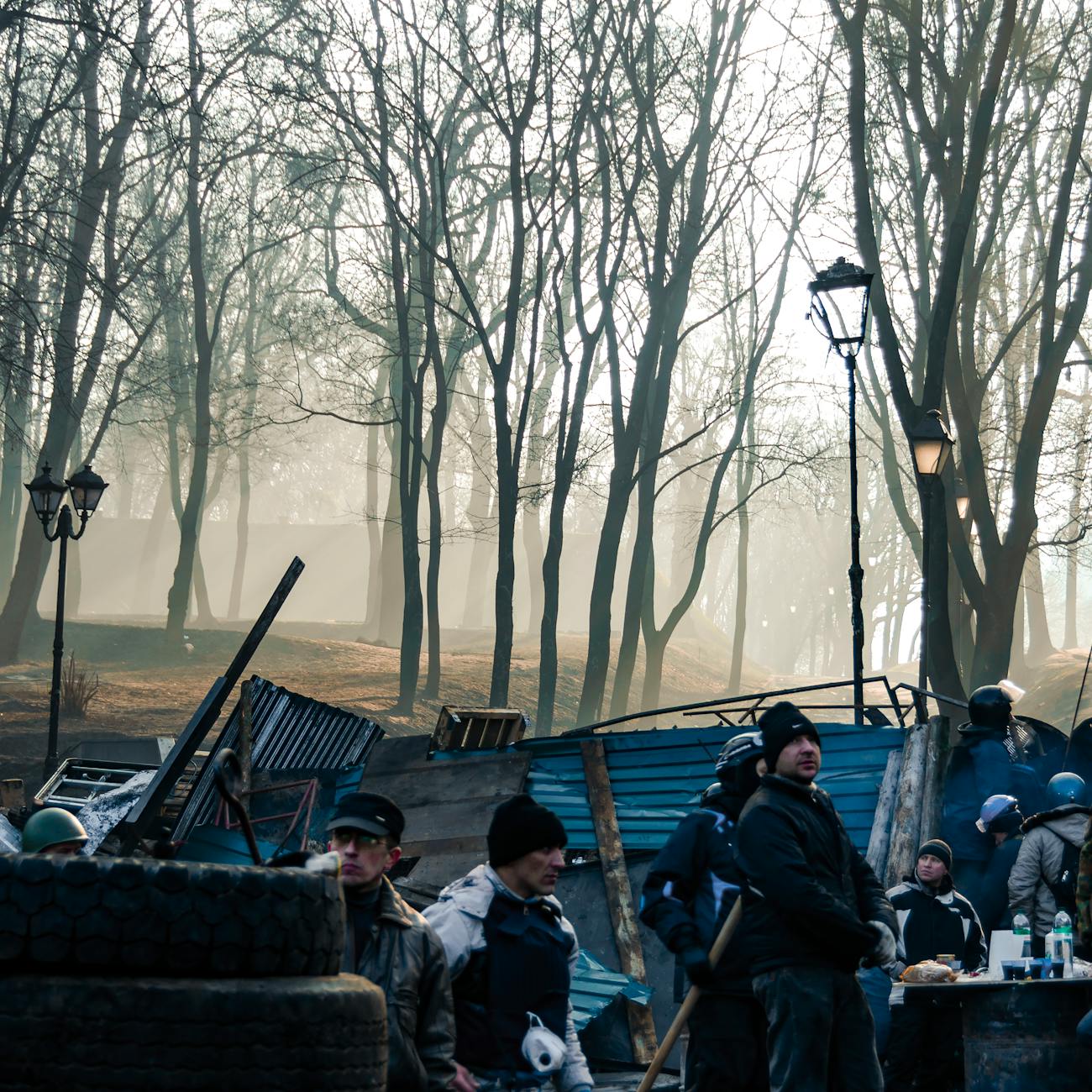
Non‑Lethal weapons have become a cornerstone of modern urban warfare, where the need to achieve tactical objectives while minimizing civilian casualties and infrastructure damage is paramount. Mastery of the specialized vocabulary associated with these systems enables operators to communicate precisely, assess threat levels, and apply the appropriate force continuum. The following comprehensive glossary presents the essential terms, definitions, practical applications, and operational challenges that every practitioner of urban combat must internalize.
Acoustic Weapon – A device that emits high‑intensity sound waves to produce pain, disorientation, or temporary hearing loss. Acoustic weapons are typically mounted on vehicle rooftops or carried in handheld launchers. In a densely built environment, sound can reflect off concrete walls, extending the area of effect but also increasing the risk of unintended exposure to nearby civilians. Practical use includes crowd dispersal during a building siege, where a rapid burst of sound can force hostile occupants to surrender. Challenges involve controlling sound propagation in narrow alleyways, mitigating the risk of permanent auditory injury, and complying with legal thresholds for permissible sound pressure levels.
Chemical Agent – Any non‑lethal substance, such as tear‑gas (CS) or pepper‑spray (OC), designed to irritate the eyes, respiratory system, or skin. Chemical agents are often deployed via handheld canisters, vehicle‑mounted diffusers, or artillery‑grade projectiles. In urban warfare, the presence of ventilation shafts and HVAC systems can carry agents through multiple floors, allowing forces to clear stairwells without direct entry. However, wind direction, temperature gradients, and building airtightness can produce unpredictable dispersion patterns, potentially exposing friendly troops or non‑combatants to harmful concentrations. Proper protective equipment and real‑time environmental monitoring are essential to mitigate these risks.
Electroshock Device – A handheld or vehicle‑mounted system that delivers an electrical current to a target, causing temporary muscle incapacitation. The most common example is the taser, which fires barbed projectiles that attach to the subject and complete an electrical circuit. In an urban setting, electroshock devices are valuable for subduing hostile individuals in confined spaces such as doorways or narrow corridors where lethal firearms would pose a higher risk of collateral damage. Limitations include the need for line‑of‑sight, the reduced effectiveness against individuals wearing conductive clothing, and the potential for cardiac complications in subjects with pre‑existing medical conditions.
Stun Grenade – Also known as a flash‑bang, this munition produces a blinding flash of light and an explosive acoustic pulse. The purpose is to temporarily disorient occupants of a room or building, allowing entry forces to gain a tactical advantage. The device is typically thrown through a doorway or launched from a low‑velocity projectile. In multi‑story structures, the blast can reverberate, creating secondary disorientation effects on occupants above or below the target floor. Operators must consider the risk of structural damage, especially in older buildings with fragile plaster or glass, and must assess whether the resultant panic could trigger uncontrolled evacuations.
Smoke Generator – A system that creates a dense cloud of particulate matter to obscure vision and mask movement. Smoke can be produced chemically, thermally, or via pyrotechnic cartridges. In urban warfare, smoke is used to conceal the approach of assault teams, to provide visual cover for evacuees, or to signal friendly units. The effectiveness of smoke is heavily influenced by wind tunnels formed by streets, the heat island effect, and the presence of ventilation ducts that can draw smoke upward or outward. Moreover, certain smoke compositions may contain irritants that double as crowd‑control agents, adding a layer of complexity to the decision‑making process.
Water Cannon – A high‑pressure hose capable of delivering a directed stream of water at velocities sufficient to knock down individuals or disable light vehicles. Water cannons are often mounted on armored personnel carriers or police trucks. Their non‑lethal nature makes them attractive for riot control in densely populated districts, where the use of kinetic projectiles could cause severe injuries. However, the kinetic energy of the water jet can still cause fractures or internal injuries, particularly when aimed at vulnerable body parts. Operators must be trained to aim at the torso or lower extremities and to modulate pressure according to the level of resistance encountered.
Kinetic Impact Projectile (KIP) – A broad term encompassing any projectile designed to incapacitate through blunt force without penetrating the skin. Examples include rubber‑coated bullets, bean‑bag rounds, and plastic buckshot. KIPs are typically fired from standard rifles or specialized launchers. In urban combat, they are used to clear barricades, suppress hostile shooters, or neutralize threats at a distance where lethal rounds would be excessive. The effectiveness of KIPs is highly dependent on impact velocity, projectile mass, and target anatomy. Over‑penetration into walls or floors can create secondary hazards, while insufficient velocity may fail to stop an adversary, leading to escalation.
Directed Energy Weapon (DEW) – A device that emits focused energy—often microwave or laser—to produce a range of non‑lethal effects, from heating to disorientation. DEWs can be mounted on drones, ground vehicles, or handheld platforms. In a cityscape, a microwave‑based DEW can induce a sensation of intense heat on exposed skin, compelling individuals to retreat from an area without causing permanent burns. The principal challenges involve line‑of‑sight obstruction by buildings, the need for precise targeting to avoid unintended exposure, and the potential for interference from reflective surfaces such as glass facades.
Flashbang – A synonym for the stun grenade, emphasizing the flash component. The flash component can cause temporary blindness lasting several seconds, while the acoustic component may induce vertigo. In urban environments, the intensity of the flash can be amplified by reflective surfaces, extending the disorientation radius. Conversely, a dimly lit interior may reduce the flash’s effectiveness, requiring operators to assess ambient lighting before deployment.
Rubber Bullet – A specific type of KIP consisting of a solid or hollow rubber projectile. Rubber bullets are often employed from shotguns or automatic launchers. Their use in urban warfare is regulated by strict rules of engagement because of the risk of severe injuries, especially when aimed at the head or chest. Proper training emphasizes aiming at the lower extremities and limiting the number of rounds fired at a single target to avoid excessive force.
Bean‑Bag Round – A fabric‑filled projectile that deforms on impact, distributing force over a larger area. Bean‑bag rounds are favored for crowd control because they reduce the likelihood of penetrating injuries. In narrow alleyways, a bean‑bag round can be fired from a standard rifle to stop an advancing aggressor without endangering nearby civilians. However, the projectile’s weight may cause it to bounce off hard surfaces, potentially creating secondary hazards.
Non‑Lethal Effect Threshold – The level of force required to achieve a desired incapacitating outcome while remaining below the lethal injury boundary. Determining this threshold involves understanding the biomechanics of impact, the physiology of the target, and the environmental context. In urban warfare, the threshold may shift due to factors such as the presence of protective gear, the subject’s physical condition, or the confined nature of the space. Operators must constantly calibrate their weapons to stay within the non‑lethal envelope.
Rules of Engagement (ROE) – Formal directives that define the circumstances, conditions, and manner in which force may be applied. ROE for non‑lethal weapons in urban settings typically require verification of the threat, proportionality of response, and an attempt at de‑escalation before resorting to kinetic force. Understanding ROE is crucial for legal compliance and mission success. Violations can lead to civilian casualties, loss of public trust, and potential prosecution under international law.
Proportionality – A principle that mandates the level of force used must be commensurate with the threat posed. In the context of non‑lethal weapons, proportionality requires that the selected munition’s effect be sufficient to neutralize the threat without causing unnecessary harm. For example, deploying a high‑explosive stun grenade in a crowded marketplace would likely violate proportionality, whereas a handheld acoustic device might be deemed appropriate.
Positive Identification (PID) – The process of confirming that a target is hostile before applying force. PID is especially challenging in urban environments where combatants may blend with civilians, wear civilian clothing, or use improvised weapons. Non‑lethal operators often rely on behavioral cues, intelligence reports, and visual confirmation before engaging. Failure to achieve PID can result in wrongful use of force and collateral damage.
Target Discrimination – The ability to differentiate between combatants, non‑combatants, and neutral objects. Advanced sensor suites, such as thermal imagers and facial recognition systems, assist operators in maintaining target discrimination. In dense urban settings, overlapping silhouettes and limited sightlines complicate discrimination, demanding rigorous training and robust verification protocols.
Collateral Damage – Unintended damage to persons, property, or the environment resulting from the application of force. Non‑lethal weapons aim to reduce collateral damage, yet they can still cause structural damage (e.G., Broken windows from a stun grenade) or affect nearby civilians (e.G., Dispersal of chemical agents into a residential block). Mitigation strategies include pre‑mission modeling of blast radii, wind direction analysis for chemical agents, and the use of directional munitions.
Operational Range – The maximum distance at which a weapon can be effectively employed while maintaining its intended effect. For acoustic weapons, the operational range may be limited to a few hundred meters due to attenuation. For kinetic impact projectiles, range is governed by muzzle velocity and projectile stability. Understanding operational range allows planners to position assets optimally, such as placing a water cannon on a rooftop to cover a street intersection.
Effective Radius – The area within which a weapon’s effect meets the desired incapacitation criteria. The effective radius of a flashbang, for instance, may be 5–10 meters in open space but shrink dramatically in a room with sound‑absorbing curtains. Mapping effective radii for each weapon type against typical urban geometries supports tactical decision‑making and reduces the likelihood of over‑use.
Standoff Distance – The minimum safe distance between the operator and the target at the moment of weapon deployment. Maintaining an appropriate standoff distance is vital for personal safety and for minimizing exposure of nearby civilians. For example, a chemical agent canister may require a 30‑meter standoff to prevent self‑contamination, while a bean‑bag round can be safely fired from 15 meters.
Deployment Platform – The vehicle, structure, or device from which a non‑lethal weapon is launched. Platforms include armored personnel carriers equipped with water cannons, UAVs carrying directed energy modules, or handheld launchers attached to a soldier’s vest. Platform selection influences mobility, concealment, and the ability to reach elevated threats such as rooftop snipers.
Munitions Safety – Protocols governing the handling, storage, and transport of non‑lethal ammunition. Even though the weapons are classified as “non‑lethal,” improper storage can lead to accidental discharge, degradation of chemical agents, or unintentional ignition of pyrotechnic components. Urban units must maintain climate‑controlled armories, conduct regular inspections, and enforce strict chain‑of‑custody procedures.
Training Protocol – The structured curriculum through which operators acquire proficiency with non‑lethal systems. Effective training includes classroom instruction on legal considerations, live‑fire exercises in mock urban environments, and scenario‑based drills that simulate civilian interaction. Repetition of target discrimination drills and stress inoculation exercises ensures that operators can make rapid, lawful decisions under pressure.
Maintenance Cycle – The schedule of inspections, repairs, and calibrations required to keep non‑lethal weapons operational. For acoustic devices, this may involve checking speaker integrity and battery health. For chemical munitions, expiration dates must be monitored, and seals inspected for degradation. A disciplined maintenance cycle prevents weapon failure at critical moments.
Environmental Considerations – Factors such as temperature, humidity, wind, and urban topology that affect weapon performance. High humidity can reduce the effectiveness of certain chemical agents, while extreme heat may cause munitions to degrade faster. Urban canyons can channel wind, creating localized gusts that disperse smoke or gas unpredictably. Operators must incorporate environmental data into their tactical planning.
Urban Terrain – The physical characteristics of city environments, including buildings, streets, alleys, subways, and underground utilities. Urban terrain creates line‑of‑sight challenges, multiple levels of elevation, and a high density of civilian presence. Understanding how non‑lethal weapons interact with these features is essential for effective employment. For instance, a blast from a stun grenade may travel down a stairwell, affecting occupants on multiple floors.
Line of Sight (LOS) – The unobstructed visual path between the weapon and its target. LOS is frequently compromised in urban settings by walls, vehicles, and debris. Operators of electroshock devices and directed energy weapons must secure a clear LOS before engagement; otherwise, the projectile may be deflected or the beam absorbed, reducing effectiveness and potentially exposing bystanders.
Blind Spot – Areas that are not covered by a sensor or visual field, often created by structural obstructions. In a city block, a blind spot might exist behind a parked truck or within a recessed doorway. Identifying blind spots is crucial before deploying area‑effect weapons like acoustic devices, as the lack of coverage could allow hostile actors to exploit the gap.
Urban Canyon – A street flanked by tall buildings that creates a wind tunnel effect. This phenomenon can amplify or dampen the propagation of sound, smoke, or chemical agents. When deploying an acoustic weapon within an urban canyon, the reflected sound may increase the perceived intensity, extending the effective range but also raising the risk of hearing damage to friendly forces positioned downwind.
Vertical Threat – An adversary positioned at an elevated location, such as a rooftop, balcony, or upper story window. Vertical threats require weapons capable of upward engagement, such as high‑angle launchers for stun grenades or directed energy beams with adjustable pitch. The presence of vertical threats complicates the use of ground‑based non‑lethal weapons, as the projectile trajectory must be carefully calculated to avoid collateral damage to lower floors.
Building Penetration – The ability of a projectile or blast to pass through walls, doors, or windows. Certain non‑lethal munitions, like low‑velocity kinetic impact projectiles, are designed to minimize penetration to reduce structural damage. Conversely, some chemical agents are engineered to seep through ventilation ducts, achieving building penetration without breaching walls. Understanding penetration characteristics informs the selection of appropriate weapons for room‑clearing operations.
Psychological Impact – The mental effect that non‑lethal weapons have on both adversaries and civilian populations. The sudden flash of a stun grenade, the deafening bang of an acoustic device, or the visible presence of a water cannon can induce fear, compliance, or panic. In urban warfare, the psychological dimension can be leveraged to achieve rapid surrender, but it also carries the risk of causing mass hysteria, especially in densely populated neighborhoods.
Deterrence – The use of visible non‑lethal capabilities to discourage hostile actions before they occur. Deploying a vehicle equipped with a water cannon at a protest can signal a willingness to use force, prompting demonstrators to disperse voluntarily. However, excessive deterrence may be perceived as intimidation, eroding public trust and potentially escalating tensions.
Compliance – The act of a target adhering to an order after the application of non‑lethal force. Compliance is the ultimate objective of most non‑lethal engagements, as it reduces the need for lethal escalation. Operators must issue clear commands, maintain situational awareness, and verify compliance through visual confirmation or verbal acknowledgment.
Escalation of Force – The progressive increase in the level of force applied to achieve compliance. In a typical escalation ladder, forces may begin with verbal warnings, proceed to acoustic warnings, then to less‑lethal projectiles, and finally to kinetic impact or lethal options if necessary. Urban warfare demands a rapid yet measured escalation, as prolonged engagements can increase civilian exposure to repeated non‑lethal effects.
Standoff Weapon – A system designed to engage targets from a distance, minimizing operator exposure. Examples include vehicle‑mounted acoustic emitters and UAV‑delivered chemical payloads. Standoff weapons are valuable in urban operations where line‑of‑sight may be limited and the operator’s safety is paramount. However, they require precise targeting data and robust communications to avoid mis‑engagement.
Area‑Effect Weapon – A weapon whose impact is not confined to a single point but spreads across a defined area. Smoke generators, acoustic devices, and flashbangs fall into this category. Area‑effect weapons must be employed with an understanding of the surrounding civilian density, as the indiscriminate nature of the effect can affect unintended individuals.
Point‑Detonation – A design where the munition detonates upon impact with a target. In the context of non‑lethal weapons, point‑detonation mechanisms are used in kinetic impact projectiles to ensure the projectile stops on contact, reducing the chance of ricochet. Proper point‑detonation timing is essential to avoid premature or delayed activation, which could compromise mission safety.
Delayed‑Action Munition – A munition that activates after a set time interval, allowing operators to clear an area before the effect occurs. Delayed‑action flashbangs are sometimes employed to surprise entrenched adversaries. The drawback is the increased risk of civilians inadvertently entering the blast zone during the delay period, necessitating strict area control.
Directional Munition – A projectile that focuses its effect in a specific direction, minimizing spread. Directional acoustic devices, for instance, use focused speakers to target a single hallway rather than an entire floor. This precision reduces collateral exposure and aligns with proportionality requirements.
Non‑Lethal Threshold – The point at which a weapon’s effect transitions from non‑lethal to lethal. This threshold varies according to the target’s physiology, the weapon’s energy output, and the environment. Operators must calibrate weapons to stay below this threshold, often using adjustable power settings or selecting appropriate ammunition types.
Human Shield – The practice of using civilians as protective barriers to deter enemy action. Non‑lethal operators must be vigilant for this tactic, as the presence of a human shield can constrain the use of certain weapons. Acoustic and chemical agents may still be employed, but the risk of civilian harm must be weighed heavily.
Force Multiplier – Any technology or tactic that enhances the effectiveness of a smaller force. Non‑lethal weapons serve as force multipliers by allowing a limited number of troops to control larger crowds or secure multiple entry points simultaneously. For example, a single water cannon can disperse a crowd that would otherwise require several squads to manage.
Rules of Use (ROU) – Specific guidelines governing the employment of a particular weapon system. ROU may dictate permissible targets, environmental conditions, and required protective gear. Adherence to ROU is monitored through after‑action reviews and can affect both operational legality and equipment certification.
Command and Control (C2) – The hierarchical process of directing forces and managing the deployment of assets. In urban non‑lethal operations, C2 must integrate real‑time intelligence, environmental data, and legal constraints to make rapid decisions about weapon employment. Effective C2 ensures that non‑lethal actions are synchronized with overall mission objectives.
Intelligence, Surveillance, and Reconnaissance (ISR) – The collection and analysis of information about the operational environment. ISR assets such as drones, ground‑based cameras, and acoustic sensors provide the data needed to identify threats, assess civilian presence, and predict the dispersion of agents. Accurate ISR reduces the likelihood of mis‑use of non‑lethal weapons.
Rules of Engagement (ROE) – Escalation Ladder – A visual representation of the steps from verbal warning to lethal force. The ladder is often embedded in training manuals and mission briefings. In urban warfare, the ladder may be compressed due to the rapid pace of engagements, requiring operators to make swift determinations about when to transition between non‑lethal options.
Mission Planning – The comprehensive process of analyzing objectives, terrain, threat levels, and available assets. For non‑lethal operations, mission planning includes the selection of appropriate weapons, the determination of safe distances, and the establishment of contingency protocols for unexpected civilian movement.
Risk Assessment – The systematic evaluation of potential hazards associated with weapon deployment. In an urban context, risk assessment must consider building occupancy, evacuation routes, and the possibility of secondary explosions (e.G., A chemical agent igniting flammable materials). Mitigation measures may involve pre‑deployment briefings, protective gear distribution, and the designation of safe zones.
Legal Framework – The body of international, national, and local statutes governing the use of force. The Geneva Conventions, for instance, prohibit the use of weapons that cause unnecessary suffering. National regulations may impose limits on acoustic pressure levels or chemical agent concentrations. Operators must be knowledgeable about these legal constraints to avoid violations.
Human Rights Considerations – The ethical obligations to protect the dignity, health, and safety of civilians. Non‑lethal weapons, while designed to reduce fatalities, can still cause severe injuries or psychological trauma. Respect for human rights demands thorough documentation of weapon effects, transparent reporting, and accountability mechanisms.
After‑Action Review (AAR) – A structured debrief that evaluates the performance of non‑lethal operations. The AAR examines weapon effectiveness, compliance with ROE, civilian impact, and lessons learned. Findings from AARs inform future training, equipment upgrades, and doctrinal revisions.
Standard Operating Procedure (SOP) – The detailed, step‑by‑step instructions for deploying each non‑lethal system. SOPs cover pre‑deployment checks, activation sequences, safety interlocks, and post‑engagement decontamination. Strict adherence to SOPs minimizes the risk of accidental discharge or equipment malfunction.
Decontamination – The process of removing hazardous residues from personnel, equipment, and the environment after the use of chemical or biological agents. Urban decontamination may involve portable filtration units, protective suits, and specialized cleaning agents. Failure to decontaminate can result in lingering health hazards for both operators and civilians.
Training Range – A controlled environment that replicates urban conditions for realistic practice. Training ranges often include mock streets, multi‑story structures, and simulated civilian populations. Incorporating non‑lethal weapons into these ranges allows operators to experience the unique acoustic, visual, and kinetic effects in a safe setting.
Simulation – The use of computer‑generated scenarios to rehearse non‑lethal engagements. Simulations can model sound propagation, chemical dispersion, and crowd behavior, providing valuable insights before real‑world deployment. High‑fidelity simulations are especially useful for testing new weapon concepts and refining tactics.
Human Factors – The study of how operators interact with equipment, make decisions, and experience stress. Human factors research informs the ergonomic design of handheld acoustic devices, the placement of control panels on vehicle‑mounted water cannons, and the development of user‑friendly interfaces for directed energy systems. Understanding human factors reduces the likelihood of operator error under pressure.
Weapon Sizing – The selection of a weapon’s caliber, energy output, or agent concentration based on the expected threat. For example, a low‑pressure water cannon may be sufficient for dispersing a small protest, while a high‑pressure system is needed to stop a vehicle‑borne attack. Proper sizing ensures the weapon is effective without exceeding the non‑lethal threshold.
Payload Capacity – The amount of agent, ammunition, or energy a platform can carry. UAVs equipped with chemical payloads must balance weight and flight time, limiting the quantity of agent that can be delivered in a single sortie. Understanding payload constraints helps planners allocate resources efficiently.
Recoil Management – Techniques used to control the backward force generated by firing kinetic impact projectiles. In confined urban spaces, excessive recoil can cause the shooter to lose balance, potentially leading to accidental discharge or loss of aim. Recoil‑absorbing stocks and muzzle brakes are common solutions.
Trajectory Planning – The calculation of the projectile’s flight path to achieve a desired point of impact. Urban terrain requires consideration of obstacles, elevation changes, and wind tunnels. Trajectory planning software can assist operators in selecting appropriate angles and velocities for stun grenades launched from rooftops.
Fire Discipline – The practice of controlling the rate and sequence of weapon discharge. Maintaining fire discipline with non‑lethal weapons prevents waste of ammunition, reduces the chance of over‑use, and preserves the element of surprise. In high‑stress urban engagements, disciplined fire is essential to avoid unintended escalation.
Weapon Integration – The process of combining multiple non‑lethal systems into a cohesive operational package. An integrated approach might pair an acoustic warning device with a water cannon, allowing operators to first attempt to disperse a crowd verbally and acoustically before employing kinetic force. Integration enhances flexibility and adaptability.
Command Authorization – The formal permission granted by a senior officer to employ a specific non‑lethal system. Authorization typically follows a review of the situation, legal justification, and risk assessment. Unauthorized use can lead to disciplinary action and legal repercussions.
Situational Awareness – The continuous perception of the environment, including the location of civilians, obstacles, and threats. Situational awareness is critical when deploying area‑effect weapons, as a sudden change—such as a civilian stepping into the blast radius—requires immediate adjustment or abort.
Operational Security (OPSEC) – The protection of mission details from adversary discovery. In non‑lethal operations, OPSEC may involve concealing the presence of acoustic emitters or disguising the purpose of a chemical dispersal unit to prevent enemy forces from anticipating the tactics.
Force Protection – Measures taken to safeguard friendly personnel from hostile actions. Non‑lethal weapons can serve as force protection tools, for example, by establishing a perimeter with directed energy beams that deter hostile approach without lethal engagement. Force protection planning must balance the safety of troops with the potential impact on nearby civilians.
Medical Countermeasures – Treatments administered to mitigate the effects of non‑lethal agents. For acoustic injuries, ear protection and immediate audiological assessment are essential. For chemical exposure, decontamination showers and antidotes may be required. Medical countermeasures must be readily available on‑site to address any adverse reactions.
Legal Review – The process of examining planned non‑lethal actions against applicable statutes and case law. Legal review teams assess whether the selected weapon complies with domestic law, international humanitarian law, and rules of engagement. This review is often conducted during mission planning and after action for accountability.
Ethical Decision‑Making – The consideration of moral principles when choosing to employ force. Operators must weigh the necessity of achieving mission objectives against the potential harm to civilians, the psychological impact on the community, and the broader strategic implications. Ethical frameworks guide the selection of the least harmful yet effective option.
Command and Control (C2) – Feedback Loop – The mechanism by which field operators report weapon effects back to higher headquarters. Real‑time feedback enables commanders to adjust tactics, authorize additional non‑lethal measures, or transition to lethal force if necessary. Effective feedback loops improve mission responsiveness and reduce unintended consequences.
Psychological Operations (PSYOP) – Activities designed to influence the attitudes and behavior of target populations. Non‑lethal weapons are often integrated into PSYOP campaigns, such as using a visible water cannon to demonstrate authority while simultaneously broadcasting messages that encourage compliance. Coordination between PSYOP planners and non‑lethal units ensures consistent messaging.
Target Prioritization – The process of ranking threats based on immediacy, lethality, and proximity to civilians. In a building with multiple hostile occupants, operators may prioritize a shooter near a stairwell over a less‑dangerous individual in a side room. Prioritization guides the allocation of non‑lethal resources and the sequencing of engagements.
Operational Tempo (OPTempo) – The speed at which missions are conducted. Urban environments often demand a high OPTempo, requiring rapid decision‑making and swift deployment of non‑lethal assets. Maintaining a balance between speed and deliberation is essential to avoid reckless use of force.
Force Integration – The coordination of lethal and non‑lethal elements within a single operation. For example, a tactical team may breach a door with a stun grenade while a sniper provides overwatch with a non‑lethal projectile aimed at any hostile civilians attempting to flee. Integrated force structures maximize effectiveness while preserving flexibility.
Mission Success Criteria – The measurable outcomes that define whether an operation achieved its objectives. In non‑lethal contexts, success may be defined by the number of hostile individuals subdued, the degree of civilian safety maintained, and the preservation of infrastructure. Clear criteria enable objective assessment and future improvement.
After‑Action Reporting (AAR) – Data Collection – The systematic gathering of information on weapon usage, including timestamps, locations, environmental conditions, and observed effects. Accurate data collection supports statistical analysis, identifies trends in weapon performance, and informs procurement decisions.
Equipment Compatibility – The ability of different non‑lethal systems to function together without interference. For instance, acoustic emitters must not be disrupted by the electromagnetic signature of a nearby directed energy weapon. Compatibility testing is conducted during the acquisition phase to ensure seamless operation.
Supply Chain Management – The logistics of procuring, storing, and distributing non‑lethal munitions. Factors such as shelf life of chemical agents, temperature‑sensitive components, and the need for rapid replenishment during high‑intensity operations are managed through robust supply chain protocols.
Training Evaluation – The assessment of operator proficiency through metrics such as reaction time, accuracy, and adherence to SOPs. Evaluations may be conducted using live‑fire drills, virtual simulations, or a combination of both. Continuous evaluation helps identify skill gaps and informs targeted remedial training.
Operational Doctrine – The overarching principles and tactics that guide the use of non‑lethal weapons in urban warfare. Doctrine evolves based on field experience, technological advances, and changes in legal standards. It provides a consistent framework for decision‑making across units and missions.
Force Projection – The ability to display power and influence beyond one’s immediate area of control. Non‑lethal weapons contribute to force projection by enabling rapid response to disturbances in neighboring districts, thereby deterring potential aggressors and maintaining stability.
Inter‑Agency Coordination – The collaboration between military, law‑enforcement, emergency services, and civil authorities. Effective coordination ensures that non‑lethal actions are synchronized with civilian evacuation plans, medical response, and public communication strategies. Joint planning reduces duplication of effort and enhances overall mission effectiveness.
Public Perception – The collective opinion of the civilian population regarding the use of force. Non‑lethal weapons are often perceived more favorably than lethal options, but misuse can still generate negative sentiment. Transparent communication, community outreach, and accountability mechanisms help maintain public trust.
Operational Redundancy – The inclusion of backup systems to ensure mission continuity if a primary non‑lethal asset fails. Redundant acoustic emitters, secondary water cannons, or handheld tasers provide alternative options when primary platforms are compromised.
Legal Accountability – The responsibility of individuals and units for actions taken during operations. Documentation of weapon deployment, adherence to ROE, and post‑engagement medical reports support accountability processes. Legal accountability reinforces discipline and upholds the rule of law.
Technological Innovation – The development of new non‑lethal capabilities, such as low‑frequency acoustic devices that can incapacitate without causing permanent hearing loss, or smart munitions that adjust yield based on target distance. Innovation drives the evolution of tactics and expands the toolbox available to urban operators.
Training Realism – The degree to which training scenarios replicate the complexities of real urban environments. Realism is achieved through the inclusion of civilian actors, realistic building layouts, and dynamic threat behaviors. High realism improves operator confidence and decision‑making under stress.
Risk Mitigation – The implementation of measures to reduce the probability and impact of adverse events. Examples include pre‑mission safety briefings, the use of protective barriers during crowd control, and the establishment of safe zones for civilians during weapon deployment.
Operational Flexibility – The capacity to adapt tactics and weapon selection as the situation evolves. Urban engagements are fluid; a sudden change in crowd density may require switching from a water cannon to an acoustic warning. Flexibility is cultivated through cross‑training and the availability of multiple weapon platforms.
Command Intent – The overarching purpose expressed by senior leadership that guides subordinate actions. Clear command intent ensures that non‑lethal tactics align with strategic objectives, such as minimizing civilian harm while restoring order in a contested district.
Force Discipline – The maintenance of order, obedience, and professional conduct among troops. Discipline is essential when operating non‑lethal weapons, as misuse can quickly erode legitimacy and provoke civilian backlash.
Operational Documentation – The comprehensive record of all actions taken during a mission, including weapon deployment logs, communication transcripts, and after‑action analyses. Proper documentation supports transparency, legal review, and historical archiving.
Target Acquisition – The process of locating and identifying a specific hostile element. In urban settings, target acquisition may rely on a combination of visual observation, infrared imaging, and acoustic sensors. Accurate acquisition reduces the risk of mis‑identifying civilians as threats.
Weapon Effectiveness – A measure of how well a non‑lethal system achieves its intended outcome. Effectiveness is assessed through metrics such as incapacitation rate, time to compliance, and collateral impact. Continuous measurement informs procurement and training priorities.
Operational Sustainability – The ability to maintain non‑lethal capabilities over prolonged periods. Sustainability considerations include the availability of replacement parts, the durability of equipment under harsh urban conditions, and the logistical support for resupplying chemical agents.
Force Structure – The organization of units equipped with non‑lethal assets. A typical force structure may include a dedicated crowd‑control squad equipped with water cannons, an acoustic support team, and a rapid‑response unit with portable tasers. The structure must be adaptable to mission requirements.
Training Environment – The physical and virtual settings in which operators practice non‑lethal tactics. A realistic training environment may incorporate simulated urban terrain, mock civilian populations, and variable lighting conditions to replicate night‑time operations.
Operational Feedback – The continuous loop of information from field units back to doctrine developers and procurement officers. Feedback includes observations on weapon reliability, suggestions for design improvements, and reports on unintended effects. Incorporating this feedback ensures that non‑lethal capabilities evolve in line with operational needs.
Psychological Resilience – The mental fortitude of operators to cope with the stresses of urban combat and the ethical challenges of using force. Resilience training includes stress management techniques, ethical scenario discussions, and peer support mechanisms.
Key takeaways
- Non‑Lethal weapons have become a cornerstone of modern urban warfare, where the need to achieve tactical objectives while minimizing civilian casualties and infrastructure damage is paramount.
- Challenges involve controlling sound propagation in narrow alleyways, mitigating the risk of permanent auditory injury, and complying with legal thresholds for permissible sound pressure levels.
- However, wind direction, temperature gradients, and building airtightness can produce unpredictable dispersion patterns, potentially exposing friendly troops or non‑combatants to harmful concentrations.
- Limitations include the need for line‑of‑sight, the reduced effectiveness against individuals wearing conductive clothing, and the potential for cardiac complications in subjects with pre‑existing medical conditions.
- Operators must consider the risk of structural damage, especially in older buildings with fragile plaster or glass, and must assess whether the resultant panic could trigger uncontrolled evacuations.
- The effectiveness of smoke is heavily influenced by wind tunnels formed by streets, the heat island effect, and the presence of ventilation ducts that can draw smoke upward or outward.
- Water Cannon – A high‑pressure hose capable of delivering a directed stream of water at velocities sufficient to knock down individuals or disable light vehicles.