
Air Quality Monitoring
Air quality monitoring is a crucial aspect of environmental management on cruise ships. It involves the continuous assessment of the concentration of pollutants in the air to ensure compliance with regulations and promote the health and wel…
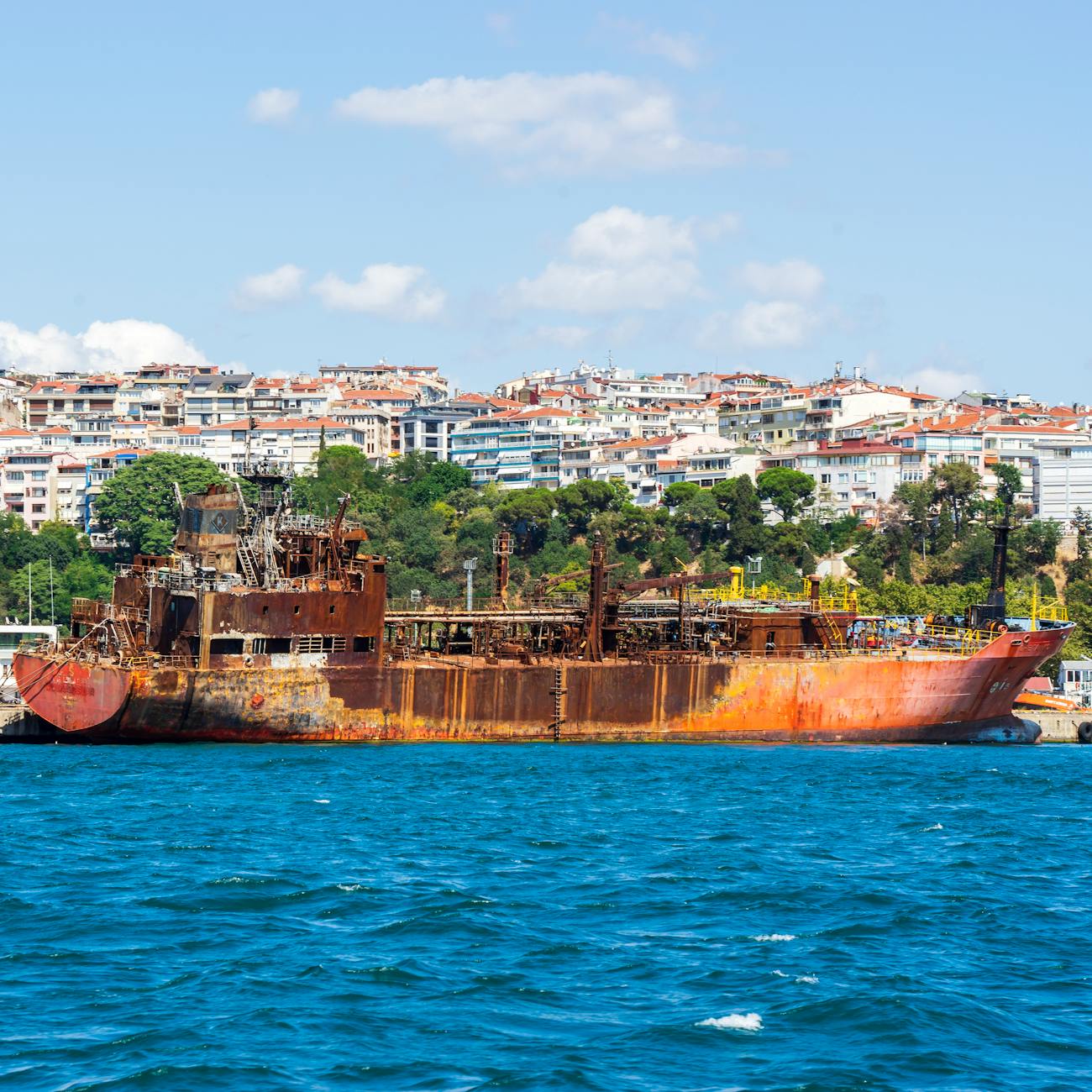
Air quality monitoring is a crucial aspect of environmental management on cruise ships. It involves the continuous assessment of the concentration of pollutants in the air to ensure compliance with regulations and promote the health and well-being of passengers and crew members. In this course, we will delve into key terms and vocabulary related to air quality monitoring in the maritime industry.
### Air Quality Air quality refers to the state of the air in a specific environment concerning its composition, cleanliness, and the presence of pollutants. In the context of cruise ships, maintaining good air quality is essential to ensure the health and safety of everyone on board.
### Pollutants Pollutants are substances present in the air that can have harmful effects on human health and the environment. Common air pollutants include particulate matter, sulfur dioxide, nitrogen oxides, carbon monoxide, volatile organic compounds, and ozone.
### Particulate Matter (PM) Particulate matter refers to tiny particles suspended in the air that can be solid or liquid. PM can vary in size and composition, with smaller particles posing a greater risk to health as they can penetrate deep into the lungs. Monitoring PM levels is crucial to assess air quality on cruise ships.
### Sulfur Dioxide (SO2) Sulfur dioxide is a gas produced by burning fossil fuels containing sulfur. It is a major air pollutant that can cause respiratory issues and contribute to acid rain. Cruise ships equipped with engines running on heavy fuel oil (HFO) emit SO2, necessitating monitoring to ensure compliance with regulations.
### Nitrogen Oxides (NOx) Nitrogen oxides are gases produced during combustion processes, primarily from engines burning fossil fuels. NOx emissions contribute to air pollution, smog formation, and acid rain. Monitoring NOx levels is essential for assessing the environmental impact of cruise ship operations.
### Carbon Monoxide (CO) Carbon monoxide is a colorless, odorless gas produced by incomplete combustion of carbon-containing fuels. CO is toxic to humans, impairing the body's ability to transport oxygen. Monitoring CO levels is critical to prevent exposure and ensure air quality on cruise ships.
### Volatile Organic Compounds (VOCs) Volatile organic compounds are a diverse group of chemicals that can easily vaporize into the air. VOCs are emitted from various sources, including cleaning products, paints, and fuels. Monitoring VOC concentrations is important to prevent indoor air pollution on cruise ships.
### Ozone (O3) Ozone is a gas composed of three oxygen atoms that occur naturally in the Earth's atmosphere. Ground-level ozone, however, is a pollutant formed by the reaction of VOCs and NOx in the presence of sunlight. Monitoring ozone levels is crucial to protect human health and the environment.
### Monitoring Systems Air quality monitoring systems on cruise ships consist of sensors, analyzers, and data logging equipment designed to measure and record pollutant concentrations in real-time. These systems provide valuable data for assessing compliance with regulations and identifying areas for improvement.
### Sensors Sensors are devices that detect and measure specific pollutants in the air. Different types of sensors are used to monitor various pollutants, such as particulate matter, gases, and volatile organic compounds. Sensors play a key role in air quality monitoring on cruise ships.
### Analyzers Analyzers are instruments that analyze the data collected by sensors to determine pollutant concentrations accurately. Analyzers use various techniques, such as spectroscopy, chromatography, and electrochemistry, to quantify pollutants in the air. They provide essential information for assessing air quality on cruise ships.
### Data Logging Data logging involves recording and storing the data collected by sensors and analyzers over time. Data logging equipment on cruise ships captures pollutant concentrations continuously, allowing for the analysis of trends and patterns in air quality. Data logging is essential for maintaining comprehensive air quality records.
### Compliance Compliance refers to the act of adhering to regulations, standards, and guidelines related to air quality monitoring on cruise ships. Cruise lines must ensure that their operations meet the requirements set forth by international conventions, flag states, and port authorities to protect the environment and public health.
### Regulations Regulations are rules established by governing bodies to control air pollution from ships and safeguard air quality in port areas and coastal regions. The International Maritime Organization (IMO) sets global standards through conventions like MARPOL Annex VI, which limit emissions of sulfur oxides, nitrogen oxides, and particulate matter from ships.
### MARPOL Annex VI MARPOL Annex VI is an international treaty adopted by the IMO to reduce air pollution from ships by setting limits on emissions of sulfur oxides (SOx) and nitrogen oxides (NOx) and establishing Emission Control Areas (ECAs) where more stringent requirements apply. Compliance with MARPOL Annex VI is mandatory for cruise ships worldwide.
### Emission Control Areas (ECAs) Emission Control Areas are designated regions where stricter emission standards for sulfur oxides and nitrogen oxides apply to reduce air pollution. ECAs include areas like the Baltic Sea, North Sea, North American ECA, and United States Caribbean Sea ECA. Cruise ships operating in ECAs must use cleaner fuels or exhaust gas cleaning systems to comply with regulations.
### Exhaust Gas Cleaning Systems (EGCS) Exhaust gas cleaning systems, also known as scrubbers, are pollution control devices installed on cruise ships to remove sulfur oxides from exhaust gases. EGCS use seawater or alkaline solutions to neutralize sulfur oxides, reducing emissions and enabling compliance with MARPOL Annex VI requirements in Emission Control Areas.
### Fuel Types Fuel types used by cruise ships have a significant impact on air quality and emissions. Heavy fuel oil (HFO) is a common fuel choice for marine engines but emits high levels of sulfur oxides and particulate matter. Low-sulfur fuels like marine gas oil (MGO) and liquefied natural gas (LNG) are cleaner alternatives that reduce air pollution.
### Heavy Fuel Oil (HFO) Heavy fuel oil is a viscous, residual fuel derived from crude oil that is commonly used in marine engines. HFO has a high sulfur content, contributing to air pollution and health risks. Many cruise ships are transitioning to cleaner fuels to comply with regulations and improve air quality.
### Marine Gas Oil (MGO) Marine gas oil is a low-sulfur distillate fuel used in marine engines to reduce emissions of sulfur oxides and particulate matter. MGO is cleaner than heavy fuel oil and is commonly used in Emission Control Areas and by ships seeking to meet stricter environmental standards. Switching to MGO can improve air quality on cruise ships.
### Liquefied Natural Gas (LNG) Liquefied natural gas is a clean-burning fuel produced from natural gas that emits lower levels of pollutants compared to traditional marine fuels. LNG is gaining popularity as a fuel choice for cruise ships due to its environmental benefits, including reduced emissions of sulfur oxides, nitrogen oxides, and particulate matter.
### Challenges Air quality monitoring on cruise ships presents various challenges that must be addressed to ensure effective environmental management. Challenges include the complexity of monitoring multiple pollutants, the need for reliable monitoring equipment, compliance with regulations, and the adoption of cleaner fuels and technologies to reduce emissions.
### Multi-Pollutant Monitoring Monitoring multiple pollutants simultaneously presents challenges due to the diverse nature of pollutants and the requirement for specialized sensors and analyzers. Cruise ships must deploy comprehensive monitoring systems capable of detecting various pollutants to assess air quality accurately.
### Reliable Equipment Air quality monitoring equipment must be reliable, accurate, and calibrated regularly to provide trustworthy data for decision-making. Ensuring the proper functioning of sensors, analyzers, and data logging systems is essential to maintain the integrity of air quality monitoring on cruise ships.
### Regulatory Compliance Complying with air quality regulations, such as MARPOL Annex VI, requires cruise lines to invest in emission control technologies, use cleaner fuels, and monitor emissions effectively. Meeting regulatory requirements involves implementing best practices for air quality monitoring and demonstrating adherence to environmental standards.
### Clean Technologies Adopting clean technologies, such as exhaust gas cleaning systems and alternative fuels, is crucial for reducing emissions and improving air quality on cruise ships. Investing in sustainable solutions can help mitigate the environmental impact of cruise ship operations and promote a more eco-friendly approach to maritime transportation.
### Conclusion Understanding key terms and vocabulary related to air quality monitoring is essential for effective environmental management on cruise ships. By familiarizing ourselves with pollutants, monitoring systems, regulations, and challenges, we can enhance our knowledge and skills in maintaining good air quality onboard. Through continuous monitoring, compliance with regulations, and the adoption of clean technologies, cruise lines can protect the environment, safeguard public health, and promote sustainable practices in the maritime industry.
Key takeaways
- It involves the continuous assessment of the concentration of pollutants in the air to ensure compliance with regulations and promote the health and well-being of passengers and crew members.
- ### Air Quality Air quality refers to the state of the air in a specific environment concerning its composition, cleanliness, and the presence of pollutants.
- Common air pollutants include particulate matter, sulfur dioxide, nitrogen oxides, carbon monoxide, volatile organic compounds, and ozone.
- PM can vary in size and composition, with smaller particles posing a greater risk to health as they can penetrate deep into the lungs.
- Cruise ships equipped with engines running on heavy fuel oil (HFO) emit SO2, necessitating monitoring to ensure compliance with regulations.
- ### Nitrogen Oxides (NOx) Nitrogen oxides are gases produced during combustion processes, primarily from engines burning fossil fuels.
- ### Carbon Monoxide (CO) Carbon monoxide is a colorless, odorless gas produced by incomplete combustion of carbon-containing fuels.