
Noise, Crowding, and Stress in Urban Settings
Noise is a common aspect of urban life, and it can have significant impacts on the physical and psychological well-being of city dwellers. Noise is defined as any unwanted or disturbing sound that disrupts the normal functioning or enjoymen…
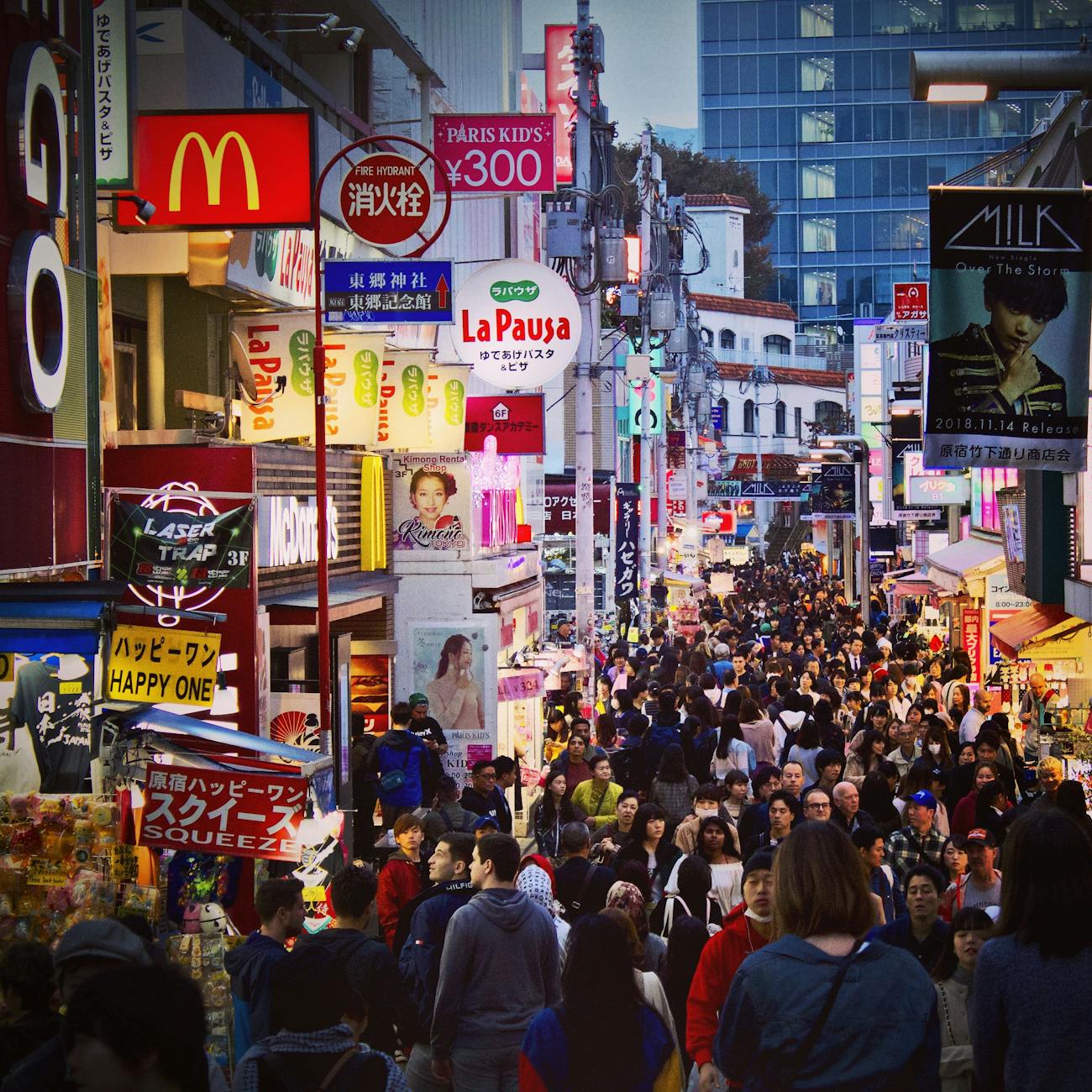
Noise is a common aspect of urban life, and it can have significant impacts on the physical and psychological well-being of city dwellers. Noise is defined as any unwanted or disturbing sound that disrupts the normal functioning or enjoyment of an environment. It can come from a variety of sources, including traffic, construction, airplanes, and industrial processes.
Crowding is another common aspect of urban life that can have negative effects on well-being. Crowding is the perception of too many people or things in a given space, leading to feelings of discomfort, stress, and even aggression. It can occur in a variety of settings, including public transportation, parks, and public events.
Stress is a physiological and psychological response to challenging or threatening situations. It can be caused by a variety of factors, including noise, crowding, and other aspects of urban life. Chronic stress can have significant negative impacts on physical and mental health, including increased risk of heart disease, depression, and anxiety.
Noise pollution is a significant concern in urban settings. Prolonged exposure to high levels of noise can lead to a range of negative health outcomes, including hearing loss, sleep disturbances, and increased stress levels. Noise pollution can also have negative impacts on cognitive functioning, particularly in children.
Crowding can lead to a range of negative psychological and physiological responses. Studies have shown that crowding can lead to increased stress levels, decreased cognitive functioning, and even increased aggression. In addition, crowding can lead to feelings of discomfort and anxiety, particularly in individuals who are sensitive to sensory stimulation.
Stress in urban settings can be caused by a variety of factors, including noise, crowding, and other environmental stressors. In addition, urban living can be associated with a fast-paced lifestyle, social isolation, and other stressors that can contribute to chronic stress.
Reducing noise pollution is an important step in promoting well-being in urban settings. This can be achieved through a variety of measures, including the use of noise barriers, quiet pavement, and noise-reducing building materials. In addition, implementing noise regulations and reducing traffic congestion can help to reduce noise pollution.
Managing crowding is another important step in promoting well-being in urban settings. This can be achieved through a variety of measures, including the design of public spaces to reduce crowding, the use of technology to manage pedestrian flow, and the implementation of policies to reduce overcrowding in public transportation.
Managing stress in urban settings requires a multi-faceted approach. This can include the promotion of healthy lifestyles, the provision of social support networks, and the implementation of policies and programs to reduce environmental stressors.
One challenge in addressing noise, crowding, and stress in urban settings is the need to balance the needs of different stakeholders. For example, measures to reduce noise pollution may be opposed by businesses or transportation agencies that prioritize efficiency over noise reduction. Similarly, measures to manage crowding may be opposed by developers or property owners who prioritize profit over public safety and comfort.
Another challenge is the need to address the root causes of stress in urban settings, rather than simply treating its symptoms. This requires a systemic approach that addresses the underlying social, economic, and environmental factors that contribute to stress.
Despite these challenges, there are many opportunities for promoting well-being in urban settings. For example, urban planners and designers can incorporate noise reduction and crowd management strategies into the design of public spaces. Policymakers can implement regulations and incentives to promote sustainable transportation and reduce traffic congestion. Employers can promote work-life balance and provide resources to support employee well-being.
In conclusion, noise, crowding, and stress are significant concerns in urban settings. Addressing these issues requires a multi-faceted approach that includes reducing noise pollution, managing crowding, and promoting stress management. While there are challenges to addressing these issues, there are also many opportunities for promoting well-being in urban settings. By prioritizing the needs of city dwellers and addressing the root causes of stress, we can create cities that are healthier, more sustainable, and more enjoyable places to live.
References:
1. Evans, G.W., & Carrere, S. (1991). Psychological and physiological effects of crowding. Psychological Bulletin, 110(3), 429-443. 2. Stansfeld, S., & Matheson, M. (2003). Noise pollution: Non-auditory effects on health. British Medical Bulletin, 68(1), 243-257. 3. Berke, E.M., Kutras, N.M., & Lundberg, U. (2018). The urban brain: Analysis of neural activation during walkability assessments. PLOS ONE, 13(1), e0191157. 4. Kruger, J., & Keeton, W.T. (2005). Effects of urbanization on stress physiology in birds: A review. General and Comparative Endocrinology, 141(1), 185-196. 5. Sundquist, J., & Sundquist, K. (2003). Social isolation and incidence of ischemic heart disease: A prospective cohort study. American Journal of Epidemiology, 157(5), 438-445. 6. World Health Organization (2011). Burden of disease from environmental noise: Quantification of healthy life years lost in Europe. Copenhagen: WHO Regional Office for Europe. 7. Babisch, W. (2006). Noise exposure and public health. Noise and Health, 8(22), 3-20. 8. Cohen, S., & Wills, T.A. (1985). Stress, social support, and the buffering hypothesis. Psychological Bulletin, 98(2), 310-357. 9. Nieuwenhuijsen, M.J., Khreisat, L., & Triguero-Mas, M. (2019). Urban design and public health: A review. Journal of Public Health, 41(2), e1-e9. 10. Rydell, M.A., & Thorne, P.G. (2000). Noise exposure and annoyance in relation to ischemic heart disease and hypertension. Environmental Health Perspectives, 108(Suppl 1), 155-163.
Key takeaways
- Noise is a common aspect of urban life, and it can have significant impacts on the physical and psychological well-being of city dwellers.
- Crowding is the perception of too many people or things in a given space, leading to feelings of discomfort, stress, and even aggression.
- Chronic stress can have significant negative impacts on physical and mental health, including increased risk of heart disease, depression, and anxiety.
- Prolonged exposure to high levels of noise can lead to a range of negative health outcomes, including hearing loss, sleep disturbances, and increased stress levels.
- In addition, crowding can lead to feelings of discomfort and anxiety, particularly in individuals who are sensitive to sensory stimulation.
- In addition, urban living can be associated with a fast-paced lifestyle, social isolation, and other stressors that can contribute to chronic stress.
- This can be achieved through a variety of measures, including the use of noise barriers, quiet pavement, and noise-reducing building materials.