
Global Trade Regulations (United Kingdom)
Global Trade Regulations (United Kingdom)
Global Trade Regulations (United Kingdom)
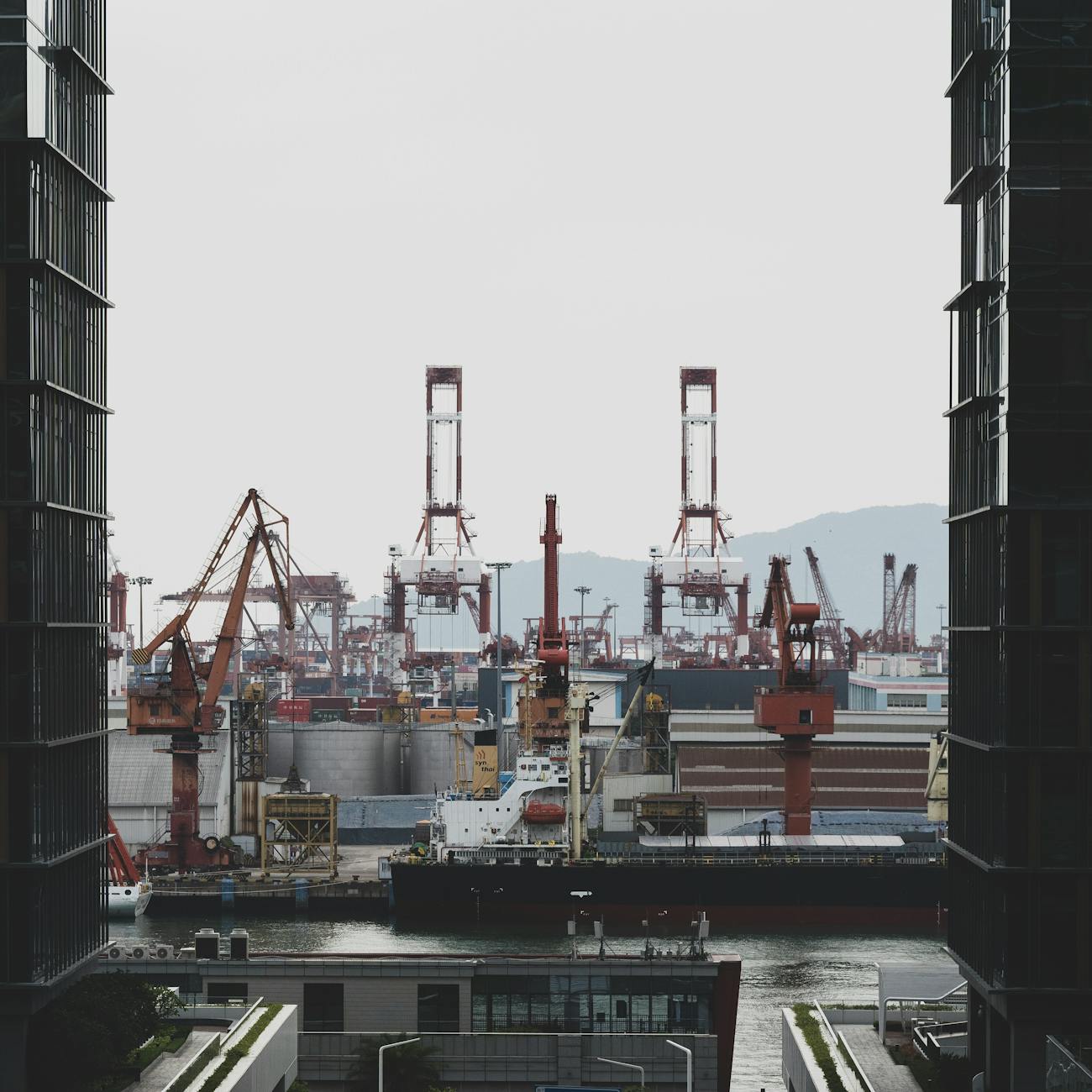
Global trade regulations refer to the rules and laws that govern international commerce between countries. These regulations are put in place to ensure fair trade practices, protect domestic industries, promote economic growth, and maintain international peace and security. Understanding and complying with global trade regulations is crucial for importers and exporters to avoid legal issues, financial penalties, and trade disruptions.
Key Terms and Vocabulary
1. Tariffs
Tariffs are taxes imposed on imported goods by a country's government. They are used to protect domestic industries by making imported products more expensive compared to locally produced goods. Tariffs can be specific (fixed amount per unit) or ad valorem (percentage of the value of the goods).
Example: The United Kingdom imposes a 10% tariff on imported cars to protect its automotive industry.
Challenges: Tariffs can increase the cost of imported goods, making them less competitive in the market and reducing consumer choices.
2. Non-Tariff Barriers
Non-tariff barriers are restrictions other than tariffs that countries use to regulate international trade. These barriers include quotas, licensing requirements, product standards, and technical regulations. Non-tariff barriers can be used to protect domestic industries, ensure product safety, or address environmental concerns.
Example: The United Kingdom requires imported electrical appliances to meet specific safety standards before they can be sold in the market.
Challenges: Non-tariff barriers can create additional costs and delays for importers, making it harder to access foreign markets.
3. Free Trade Agreements
Free trade agreements (FTAs) are treaties between countries that reduce or eliminate trade barriers such as tariffs and quotas. FTAs aim to promote economic cooperation, increase trade volume, and boost economic growth for participating countries. The United Kingdom has FTAs with various countries and trading blocs, such as the European Union and the United States.
Example: The United Kingdom's FTA with Japan allows both countries to trade goods and services without tariffs or quotas.
Challenges: FTAs can lead to increased competition for domestic industries, which may struggle to compete with cheaper imports.
4. Rules of Origin
Rules of origin determine the country where a product was made or manufactured. They are used to prevent trade fraud, ensure that goods qualify for preferential treatment under FTAs, and determine the applicable tariffs. Importers and exporters must comply with rules of origin to claim tariff benefits and avoid penalties.
Example: A product must contain at least 60% UK-made components to qualify for preferential treatment under the UK-Japan FTA.
Challenges: Determining the origin of goods can be complex, especially for products made with components from multiple countries.
5. Customs Valuation
Customs valuation refers to the process of determining the value of imported goods for customs purposes. The customs value is used to calculate the applicable duties and taxes. The World Trade Organization's Agreement on Customs Valuation provides guidelines for countries to follow when valuing imported goods.
Example: The customs value of a shipment of electronics is based on the invoice price, plus shipping and insurance costs.
Challenges: Customs valuation can be subjective, leading to disputes between importers and customs authorities over the value of goods.
6. Import Licensing
Import licensing is a requirement imposed by some countries to regulate the importation of certain goods. Importers must obtain a license or permit from the relevant government agency before they can bring the goods into the country. Import licensing is used to control the inflow of sensitive or restricted products.
Example: The United Kingdom requires importers of pharmaceuticals to obtain a license from the Medicines and Healthcare products Regulatory Agency.
Challenges: Import licensing can create administrative burdens for importers and lead to delays in clearing goods through customs.
7. Sanctions
Sanctions are restrictions imposed by countries or international organizations to prohibit trade with specific countries, entities, or individuals. Sanctions can be economic, diplomatic, or military in nature and are used to achieve foreign policy objectives, promote human rights, or address security concerns. The United Kingdom and the European Union have imposed sanctions on countries like Iran and Russia.
Example: The United Kingdom has imposed sanctions on Iranian companies involved in nuclear proliferation.
Challenges: Sanctions can disrupt trade relationships, increase compliance costs for businesses, and lead to legal uncertainties.
8. Export Controls
Export controls are measures implemented by countries to regulate the export of goods, services, and technologies that have strategic or security implications. Export controls aim to prevent the proliferation of weapons of mass destruction, protect national security, and comply with international agreements such as the Wassenaar Arrangement and the Missile Technology Control Regime.
Example: The United Kingdom restricts the export of military equipment to countries under embargo or conflict zones.
Challenges: Export controls can limit market access for exporters, require licenses for certain products, and increase compliance risks.
9. Intellectual Property Rights (IPR)
Intellectual property rights (IPR) refer to legal protections for intangible assets such as patents, trademarks, copyrights, and trade secrets. IPR regulations aim to protect the rights of creators and innovators, encourage investment in research and development, and prevent the unauthorized use or reproduction of intellectual property. The United Kingdom has laws to enforce IPR and combat counterfeiting and piracy.
Example: A UK-based pharmaceutical company holds a patent for a new drug, preventing competitors from producing and selling the same product.
Challenges: Protecting IPR can be challenging in global markets with varying standards of enforcement and limited legal recourse.
10. Trade Remedies
Trade remedies are measures that countries can use to address unfair trade practices such as dumping, subsidies, and import surges. Trade remedies include anti-dumping duties, countervailing duties, and safeguards. These measures aim to protect domestic industries from harm caused by unfair competition.
Example: The United Kingdom imposes anti-dumping duties on Chinese steel imports to prevent them from flooding the market at below-market prices.
Challenges: Trade remedies can lead to retaliation from trading partners, disrupt global supply chains, and escalate trade tensions.
Conclusion
In conclusion, understanding key terms and vocabulary related to global trade regulations is essential for importers and exporters to navigate the complex landscape of international trade. By being aware of tariffs, non-tariff barriers, FTAs, rules of origin, customs valuation, import licensing, sanctions, export controls, IPR, and trade remedies, businesses can comply with regulations, mitigate risks, and seize opportunities in the global marketplace. Staying informed about changes in trade regulations and seeking expert advice when needed can help businesses succeed in import and export operations management.
Key takeaways
- These regulations are put in place to ensure fair trade practices, protect domestic industries, promote economic growth, and maintain international peace and security.
- They are used to protect domestic industries by making imported products more expensive compared to locally produced goods.
- Example: The United Kingdom imposes a 10% tariff on imported cars to protect its automotive industry.
- Challenges: Tariffs can increase the cost of imported goods, making them less competitive in the market and reducing consumer choices.
- Non-tariff barriers can be used to protect domestic industries, ensure product safety, or address environmental concerns.
- Example: The United Kingdom requires imported electrical appliances to meet specific safety standards before they can be sold in the market.
- Challenges: Non-tariff barriers can create additional costs and delays for importers, making it harder to access foreign markets.