
Theme Park Design and Development
Theme park design and development is a complex process that involves the creation of a unique and engaging experience for visitors. This process requires a deep understanding of various key terms and vocabulary, which are essential for effe…
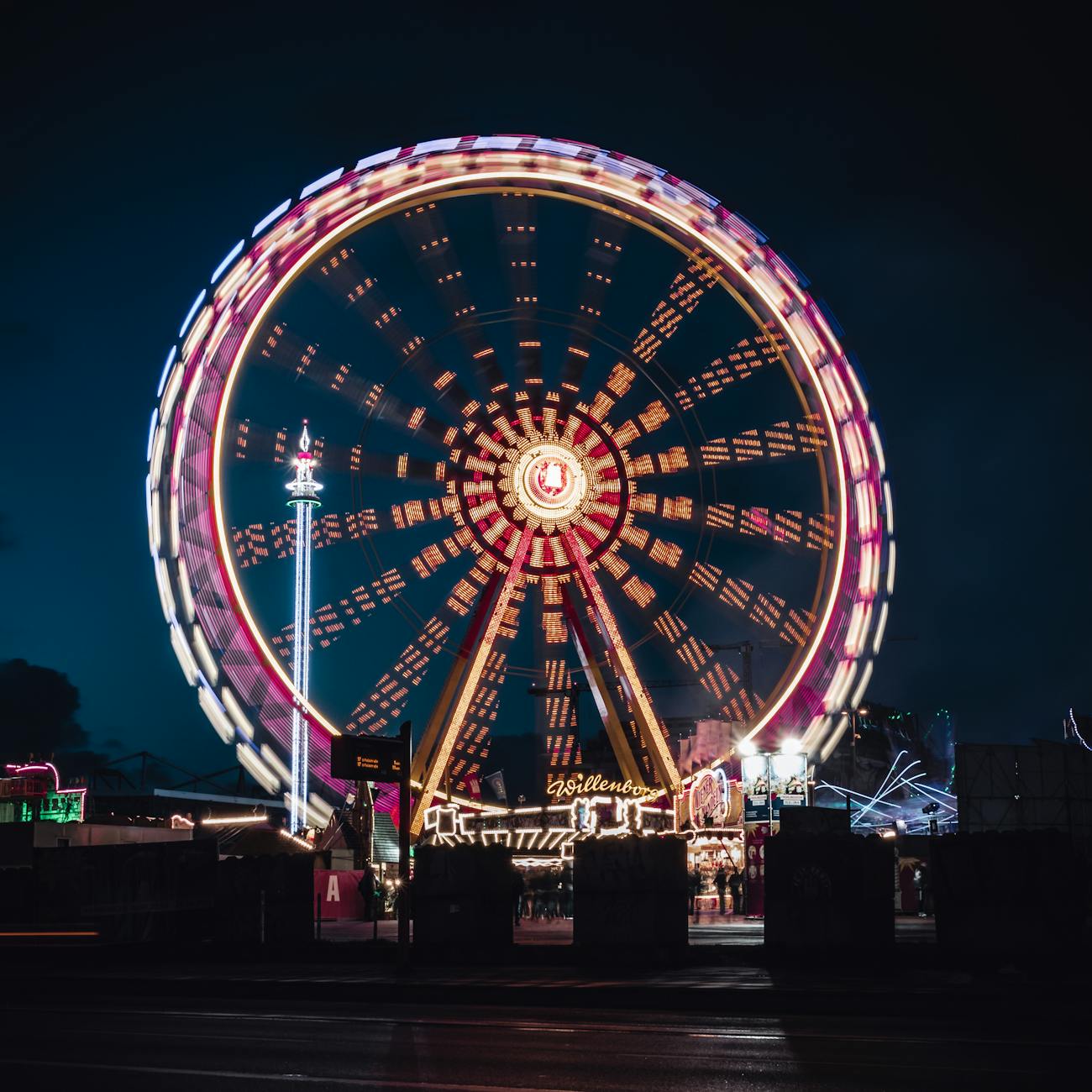
Theme park design and development is a complex process that involves the creation of a unique and engaging experience for visitors. This process requires a deep understanding of various key terms and vocabulary, which are essential for effective communication and collaboration among the various stakeholders involved. In this explanation, we will explore some of the most important terms and concepts in theme park design and development.
1. Attraction: An attraction is a ride, show, or other experience that is designed to entertain and engage visitors. Attractions can be thrilling, educational, or themed around a particular story or character. Examples of attractions include roller coasters, water slides, 4D movies, and interactive play areas. 2. Theming: Theming is the process of creating a cohesive and immersive environment for a theme park or attraction. This involves the use of architecture, landscaping, lighting, sound, and other design elements to create a specific atmosphere or story. For example, a theme park might be themed around a particular time period, location, or fictional world. 3. Ride system: A ride system is the mechanical infrastructure that powers an attraction. This includes the tracks, vehicles, and other components that make the attraction move and function. Examples of ride systems include roller coaster tracks, water slide flumes, and dark ride vehicles. 4. Dark ride: A dark ride is an attraction that takes place in a darkened environment, using special effects and lighting to create a unique and immersive experience. Dark rides often feature animatronics, projections, and other visual elements to tell a story or create a particular atmosphere. 5. Animatronics: Animatronics are robotic figures that are used to bring characters or objects to life in attractions. These figures can be programmed to move, speak, and interact with visitors, creating a more engaging and realistic experience. 6. Queue line: A queue line is the area where visitors wait in line to enter an attraction. Queue lines can be themed and designed to entertain and engage visitors while they wait. 7. Capacity: Capacity refers to the maximum number of visitors that an attraction or theme park can accommodate at one time. This is an important consideration in theme park design and development, as it affects wait times, revenue, and guest satisfaction. 8. Throughput: Throughput refers to the number of visitors that an attraction can process in a given amount of time. This is an important metric for theme park designers and operators, as it affects wait times and revenue. 9. Footprint: Footprint refers to the physical space that an attraction or theme park occupies. This is an important consideration in theme park design and development, as it affects the cost, accessibility, and overall guest experience. 10. Master planning: Master planning is the process of creating a long-term plan for a theme park or attraction. This includes the layout, theming, and programming of the space, as well as the phased development and expansion of the park over time. 11. Ride design: Ride design is the process of creating the concept, layout, and mechanics of an attraction. This includes the development of the storyline, the selection of the ride system, and the creation of the visual and auditory elements of the ride. 12. Show set: A show set is the physical environment in which a live show or performance takes place. This includes the stage, seating, lighting, and other design elements that create the atmosphere and support the story. 13. Interactive: Interactive attractions allow visitors to participate in the experience, rather than simply observing. This can include physical interactions, such as pushing buttons or pulling levers, as well as virtual interactions, such as playing games or solving puzzles. 14. Immersive: Immersive attractions create a fully realized environment that transports visitors to a different world or time. This can be achieved through theming, storytelling, and the use of technology to create a realistic and engaging experience. 15. Dark ride system: A dark ride system is a type of ride system that is designed for use in dark rides. This includes trackless systems, which allow for more flexible and dynamic ride paths, as well as traditional track systems. 16. Media-based attraction: A media-based attraction is an attraction that uses digital media, such as projections or screens, to create a visual or auditory experience. This can include 4D movies, virtual reality experiences, and interactive games. 17. Capacity planning: Capacity planning is the process of determining the number of attractions, queues, and other infrastructure elements needed to accommodate the expected number of visitors. This is an important consideration in theme park design and development, as it affects wait times, revenue, and guest satisfaction. 18. Guest experience: Guest experience refers to the overall impression and satisfaction that visitors have with a theme park or attraction. This includes the quality of the attractions, the cleanliness and maintenance of the facilities, and the friendliness and helpfulness of the staff. 19. Safety: Safety is a critical consideration in theme park design and development, as it affects the well-being of visitors and employees. This includes the design and maintenance of ride systems, the training of staff, and the implementation of safety protocols and procedures. 20. Revenue: Revenue is an important consideration in theme park design and development, as it affects the financial viability and sustainability of the park. This includes the pricing of tickets, food, and merchandise, as well as the optimization of wait times and throughput to maximize revenue.
Example:
Imagine that you are a theme park designer working on a new attraction. The attraction is a dark ride that tells the story of a group of adventurers exploring a haunted mansion.
To begin, you would need to consider the ride system that will power the attraction. You might choose a trackless dark ride system, which would allow for more dynamic and flexible ride paths.
Next, you would need to develop the storyline and theming of the attraction. This might include the design of the queue line, which could be themed to look like an old, eerie mansion. The show set for the dark ride could include animatronic figures, projections, and other special effects to create a spooky and immersive environment.
As you design the ride, you would need to consider the capacity and throughput of the attraction. This would involve determining the number of vehicles needed to accommodate guests, as well as the speed and timing of the ride to maximize the number of guests that can experience the attraction in a given time period.
You would also need to consider the safety of the ride, including the design and maintenance of the ride system, the training of staff, and the implementation of safety protocols and procedures.
Finally, you would need to consider the revenue potential of the attraction, including the pricing of tickets, food, and merchandise, as well as the optimization of wait times and throughput to maximize revenue.
Challenge:
1. Identify three key terms from the explanation above and explain their significance in theme park design and development. 2. Describe the differences between a dark ride and a roller coaster, and give an example of each. 3. Explain the importance of capacity and throughput in theme park design and development, and give an example of how these factors might be optimized. 4. Discuss the role of theming in creating a cohesive and immersive environment for a theme park or attraction, and give an example of a theme that could be used for a park or attraction. 5. Explain the safety considerations that must be taken into account in theme park design and development, and give an example of a safety protocol or procedure that might be implemented.
Key takeaways
- This process requires a deep understanding of various key terms and vocabulary, which are essential for effective communication and collaboration among the various stakeholders involved.
- Capacity planning: Capacity planning is the process of determining the number of attractions, queues, and other infrastructure elements needed to accommodate the expected number of visitors.
- The attraction is a dark ride that tells the story of a group of adventurers exploring a haunted mansion.
- You might choose a trackless dark ride system, which would allow for more dynamic and flexible ride paths.
- The show set for the dark ride could include animatronic figures, projections, and other special effects to create a spooky and immersive environment.
- This would involve determining the number of vehicles needed to accommodate guests, as well as the speed and timing of the ride to maximize the number of guests that can experience the attraction in a given time period.
- You would also need to consider the safety of the ride, including the design and maintenance of the ride system, the training of staff, and the implementation of safety protocols and procedures.