
Operations and Daily Management in 3PL
Operations and Daily Management in 3PL (Third-Party Logistics) are critical aspects of the supply chain management industry. In this explanation, we will cover key terms and vocabulary that are essential for understanding the concepts and p…
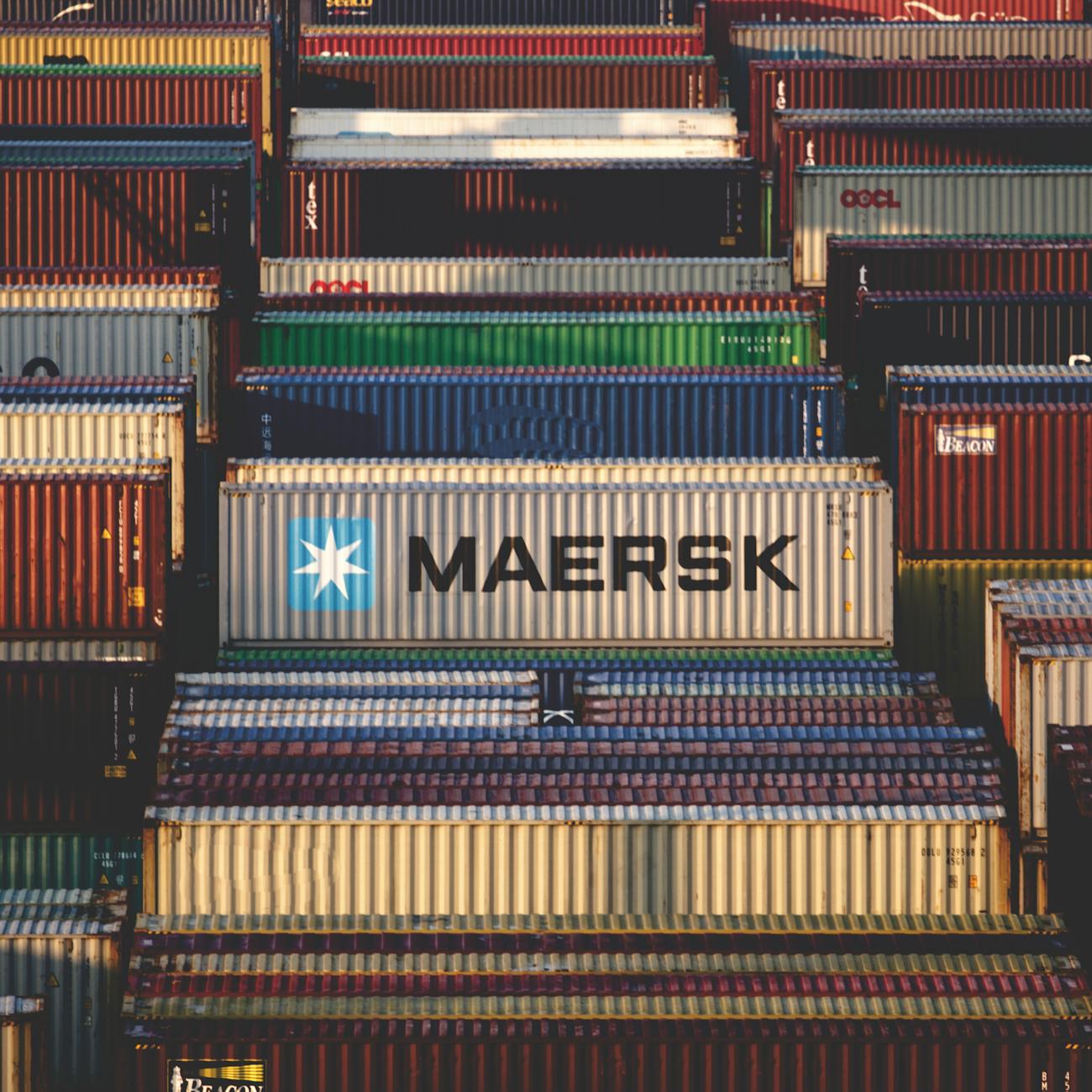
Operations and Daily Management in 3PL (Third-Party Logistics) are critical aspects of the supply chain management industry. In this explanation, we will cover key terms and vocabulary that are essential for understanding the concepts and practices in this field.
1. Third-Party Logistics (3PL): 3PL refers to the outsourcing of logistics and supply chain management functions to a third-party provider. These functions can include transportation, warehousing, distribution, and reverse logistics. 3PL providers offer customized solutions to help businesses streamline their operations, reduce costs, and improve customer service. 2. Transportation Management: Transportation management involves the planning, execution, and optimization of the movement of goods from one place to another. This includes selecting the appropriate transportation modes, negotiating rates, scheduling shipments, and tracking deliveries. 3. Warehousing and Distribution: Warehousing and distribution involve the storage and movement of goods within a facility or network of facilities. This includes receiving and put-away, inventory management, order picking and packing, and shipping. 4. Reverse Logistics: Reverse logistics refers to the process of returning goods from the customer to the supplier or manufacturer. This includes managing returns, repairs, and refurbishments, as well as disposal and recycling of products. 5. Technology: Technology plays a crucial role in operations and daily management in 3PL. This includes transportation management systems (TMS), warehouse management systems (WMS), and enterprise resource planning (ERP) systems. These systems help providers manage their operations more efficiently and effectively, and provide real-time visibility and data analytics. 6. Metrics: Metrics are used to measure the performance of 3PL operations. This includes key performance indicators (KPIs) such as on-time delivery, order accuracy, inventory accuracy, and cost per unit. 7. Continuous Improvement: Continuous improvement is the ongoing effort to improve processes, systems, and performance. This includes implementing lean principles, Six Sigma methodologies, and other process improvement techniques. 8. Value Proposition: A value proposition is a statement that outlines the unique benefits and value that a 3PL provider offers to its customers. This includes factors such as cost savings, service levels, expertise, and technology. 9. Outsourcing: Outsourcing is the practice of contracting with a third-party provider to manage logistics and supply chain functions. This can include transportation, warehousing, distribution, and other value-added services. 10. Strategic Partnerships: Strategic partnerships are collaborative relationships between 3PL providers and their customers. These partnerships are focused on achieving mutual goals and objectives, and can include joint planning, decision-making, and risk-sharing.
Challenges in Operations and Daily Management in 3PL:
1. Complexity: The logistics and supply chain industry is complex and dynamic, with many variables and factors that can impact operations. This requires 3PL providers to have a deep understanding of their customers' needs and requirements, and to be able to adapt quickly to changing conditions. 2. Technology: While technology can provide many benefits, it can also be a challenge for 3PL providers. This includes the cost and complexity of implementing and maintaining systems, as well as the need to stay current with the latest trends and developments. 3. Regulations: The logistics and supply chain industry is subject to a wide range of regulations, including those related to transportation, safety, and environmental compliance. This requires 3PL providers to have a strong understanding of the regulations that apply to their operations, and to be able to comply with them effectively. 4. Cost Pressures: 3PL providers face significant cost pressures, including competition from other providers, rising fuel costs, and increasing labor costs. This requires providers to be able to manage their operations efficiently and effectively, while still delivering high-quality services to their customers. 5. Customer Expectations: Customers today expect high levels of service, visibility, and transparency in their logistics and supply chain operations. This requires 3PL providers to be able to provide real-time visibility into their operations, and to be able to respond quickly to customer inquiries and issues.
Practical Applications:
1. Implementing a TMS: A TMS can help 3PL providers manage their transportation operations more efficiently and effectively. This includes features such as route optimization, load planning, and freight payment and audit. 2. Implementing a WMS: A WMS can help 3PL providers manage their warehousing and distribution operations more efficiently and effectively. This includes features such as inventory management, order fulfillment, and shipping. 3. Implementing Continuous Improvement: Continuous improvement can help 3PL providers improve their processes, systems, and performance. This includes implementing lean principles, Six Sigma methodologies, and other process improvement techniques. 4. Developing a Value Proposition: Developing a value proposition can help 3PL providers differentiate themselves from their competitors and attract new customers. This includes identifying the unique benefits and value that they offer, and communicating them effectively to potential customers. 5. Building Strategic Partnerships: Building strategic partnerships can help 3PL providers achieve mutual goals and objectives with their customers. This includes joint planning, decision-making, and risk-sharing, and can lead to long-term, sustainable relationships.
Examples:
1. A 3PL provider implemented a TMS to manage their transportation operations, resulting in a 10% reduction in transportation costs and a 5% improvement in on-time delivery. 2. A 3PL provider implemented a WMS to manage their warehousing and distribution operations, resulting in a 15% reduction in inventory carrying costs and a 10% improvement in order accuracy. 3. A 3PL provider implemented continuous improvement techniques, resulting in a 20% reduction in lead times and a 15% improvement in quality. 4. A 3PL provider developed a value proposition that focused on cost savings, service levels, expertise, and technology, resulting in a 25% increase in new customer acquisitions. 5. A 3PL provider built a strategic partnership with a key customer, resulting in a 30% increase in revenue and a 20% improvement in customer satisfaction.
In conclusion, Operations and Daily Management in 3PL is a complex and dynamic field that requires a deep understanding of logistics and supply chain management concepts and practices. By understanding key terms and vocabulary, 3PL providers can improve their operations, deliver high-quality services to their customers, and stay competitive in the industry. Through the practical application of technology, continuous improvement, value proposition development, and strategic partnerships, 3PL providers can achieve long-term, sustainable success.
Key takeaways
- In this explanation, we will cover key terms and vocabulary that are essential for understanding the concepts and practices in this field.
- Transportation Management: Transportation management involves the planning, execution, and optimization of the movement of goods from one place to another.
- Regulations: The logistics and supply chain industry is subject to a wide range of regulations, including those related to transportation, safety, and environmental compliance.
- Developing a Value Proposition: Developing a value proposition can help 3PL providers differentiate themselves from their competitors and attract new customers.
- A 3PL provider implemented a WMS to manage their warehousing and distribution operations, resulting in a 15% reduction in inventory carrying costs and a 10% improvement in order accuracy.
- Through the practical application of technology, continuous improvement, value proposition development, and strategic partnerships, 3PL providers can achieve long-term, sustainable success.