
Underwater Explosives and Marine Applications
Underwater explosives and marine applications are a critical component of explosive engineering, with various terms and vocabulary that are essential to understand. This explanation will cover key terms related to underwater explosives, mar…
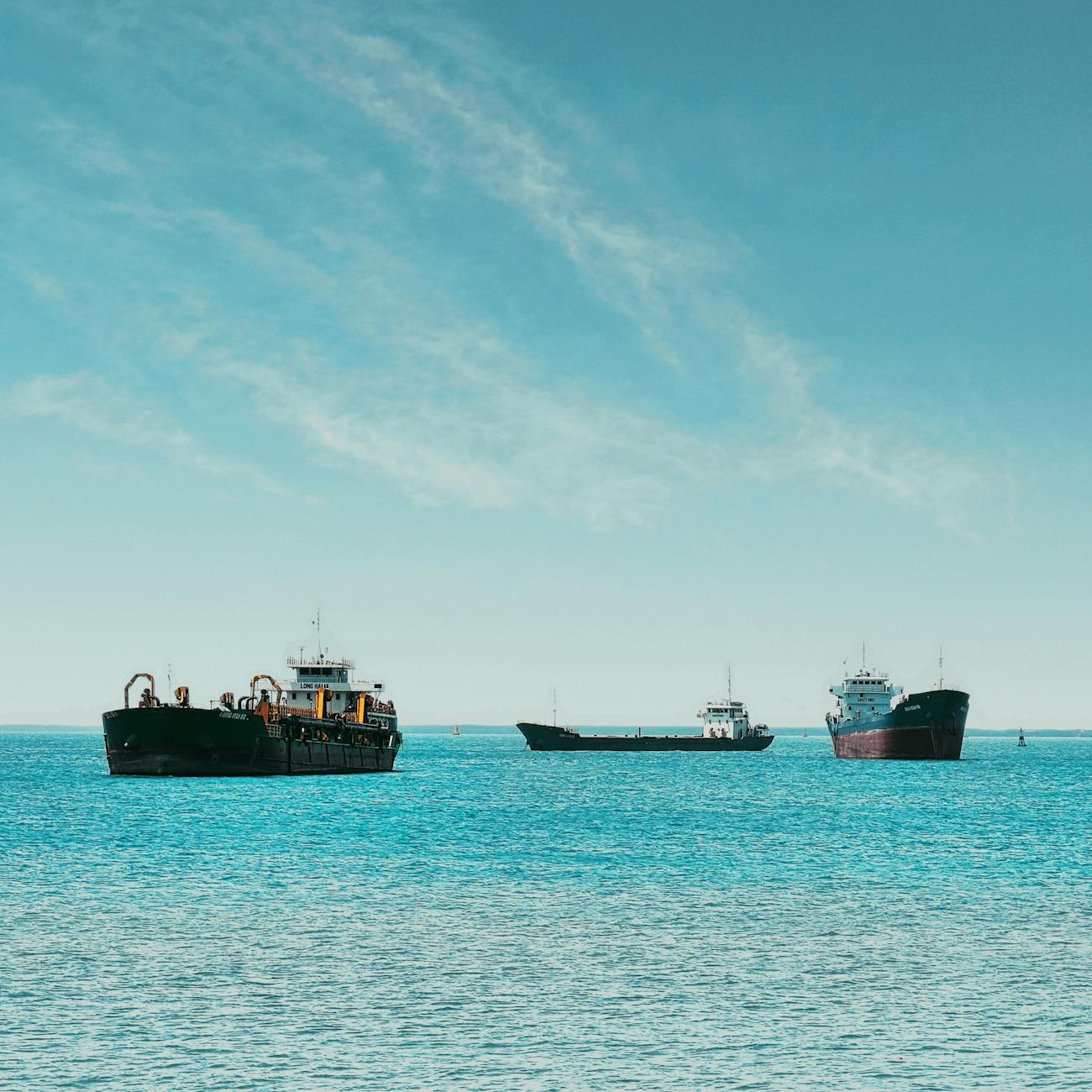
Underwater explosives and marine applications are a critical component of explosive engineering, with various terms and vocabulary that are essential to understand. This explanation will cover key terms related to underwater explosives, marine applications, and explosive engineering, providing detailed, comprehensive, and learner-friendly content, including examples, practical applications, and challenges.
Underwater Explosives:
* Underwater Explosion: An underwater explosion occurs when an explosive charge is detonated underwater, creating a shockwave that travels through the water and causing various physical effects. * Shockwave: A shockwave is a pressure wave that propagates through a medium, such as water, at a speed greater than the speed of sound in that medium. Shockwaves from underwater explosions can cause significant damage to underwater structures and marine life. * Bubble Pulse: A bubble pulse is a series of underwater bubble oscillations that occur after an underwater explosion. These oscillations can cause significant damage to underwater structures and marine life. * Water Hammer: Water hammer is a pressure surge or wave caused when a fluid, usually water, in motion is forced to stop or change direction suddenly. Water hammer can occur in underwater pipelines and other underwater structures due to underwater explosions. * Cavitation: Cavitation is the formation of vapor cavities in a liquid, usually water, due to rapid changes in pressure. Cavitation can occur in underwater explosions due to the rapid formation and collapse of bubbles.
Marine Applications:
* Underwater Demolition: Underwater demolition is the use of explosives to demolish or weaken underwater structures, such as piers, docks, and bridges. Underwater demolition is a critical component of military and civilian underwater operations. * Underwater Construction: Underwater construction is the use of explosives to construct underwater structures, such as pipelines, tunnels, and foundations. Underwater construction is a critical component of offshore oil and gas operations, as well as other marine infrastructure projects. * Marine Salvage: Marine salvage is the rescue and recovery of a ship, its cargo, or other property after a shipwreck or other maritime casualty. Explosives can be used in marine salvage operations to remove obstructions, such as debris or wreckage, and to facilitate the recovery of the vessel or its cargo. * Underwater Mining: Underwater mining is the extraction of mineral resources from the seabed. Explosives are commonly used in underwater mining operations to break up mineral deposits and facilitate their removal.
Explosive Engineering:
* Explosive: An explosive is a substance or mixture of substances that can undergo a rapid chemical reaction, producing a large amount of gas and heat in a short period of time. Explosives can be divided into two categories: Low explosives and high explosives. * Low Explosives: Low explosives are explosives that burn rather than detonate, producing a slower and less violent reaction than high explosives. Low explosives are commonly used in blasting operations and firearms. * High Explosives: High explosives are explosives that detonate, producing a rapid and violent reaction. High explosives are commonly used in military and industrial applications, such as underwater explosions and demolition. * Blast: A blast is the sudden and rapid release of energy caused by an explosion. Blasts can cause significant damage to structures, equipment, and personnel. * Detonation: Detonation is the rapid and violent chemical reaction that occurs in high explosives. Detonation is characterized by a shockwave that travels through the explosive material at a speed greater than the speed of sound. * Initiation: Initiation is the process of triggering an explosion. Initiation can be achieved through various methods, such as electrical, mechanical, or chemical means. * Charge: A charge is a quantity of explosive material that is used in an explosion. Charges can be designed in various shapes and sizes, depending on the application. * Confined Space: A confined space is a space that is enclosed or partially enclosed and has limited means of entry and exit. Confined spaces can present unique hazards, such as the accumulation of toxic gases or the risk of explosion, and require special precautions when working with explosives.
Practical Applications:
* In military applications, underwater explosives can be used for mine clearance, underwater demolition, and anti-ship warfare. * In civilian applications, underwater explosives can be used for pipeline and tunnel construction, offshore oil and gas operations, and marine salvage. * Explosive engineering is a critical component of many industries, including mining, construction, and manufacturing, and plays a vital role in ensuring safety and efficiency in these operations.
Challenges:
* Working with underwater explosives presents unique challenges, such as the need for specialized equipment and training, and the potential for environmental damage or harm to marine life. * Explosive engineering requires a deep understanding of the properties and behavior of explosives, as well as the ability to design and implement safe and effective explosive systems. * The use of explosives in confined spaces presents additional hazards and requires special precautions and safety measures.
Conclusion:
In conclusion, underwater explosives and marine applications are a critical component of explosive engineering, with various terms and vocabulary that are essential to understand. This explanation has covered key terms related to underwater explosives, marine applications, and explosive engineering, providing detailed, comprehensive, and learner-friendly content, including examples, practical applications, and challenges. Understanding these terms and concepts is essential for anyone working in the field of explosive engineering, whether in military or civilian applications.
Key takeaways
- Underwater explosives and marine applications are a critical component of explosive engineering, with various terms and vocabulary that are essential to understand.
- * Underwater Explosion: An underwater explosion occurs when an explosive charge is detonated underwater, creating a shockwave that travels through the water and causing various physical effects.
- Explosives can be used in marine salvage operations to remove obstructions, such as debris or wreckage, and to facilitate the recovery of the vessel or its cargo.
- * Explosive: An explosive is a substance or mixture of substances that can undergo a rapid chemical reaction, producing a large amount of gas and heat in a short period of time.
- * Explosive engineering is a critical component of many industries, including mining, construction, and manufacturing, and plays a vital role in ensuring safety and efficiency in these operations.
- * Working with underwater explosives presents unique challenges, such as the need for specialized equipment and training, and the potential for environmental damage or harm to marine life.
- In conclusion, underwater explosives and marine applications are a critical component of explosive engineering, with various terms and vocabulary that are essential to understand.