
Introduction to GIS for Disaster Management
Geographic Information Systems (GIS) are a set of tools that allow for the collection, storage, management, analysis, and visualization of geographic data. GIS for Disaster Management is a professional certificate program that focuses on th…
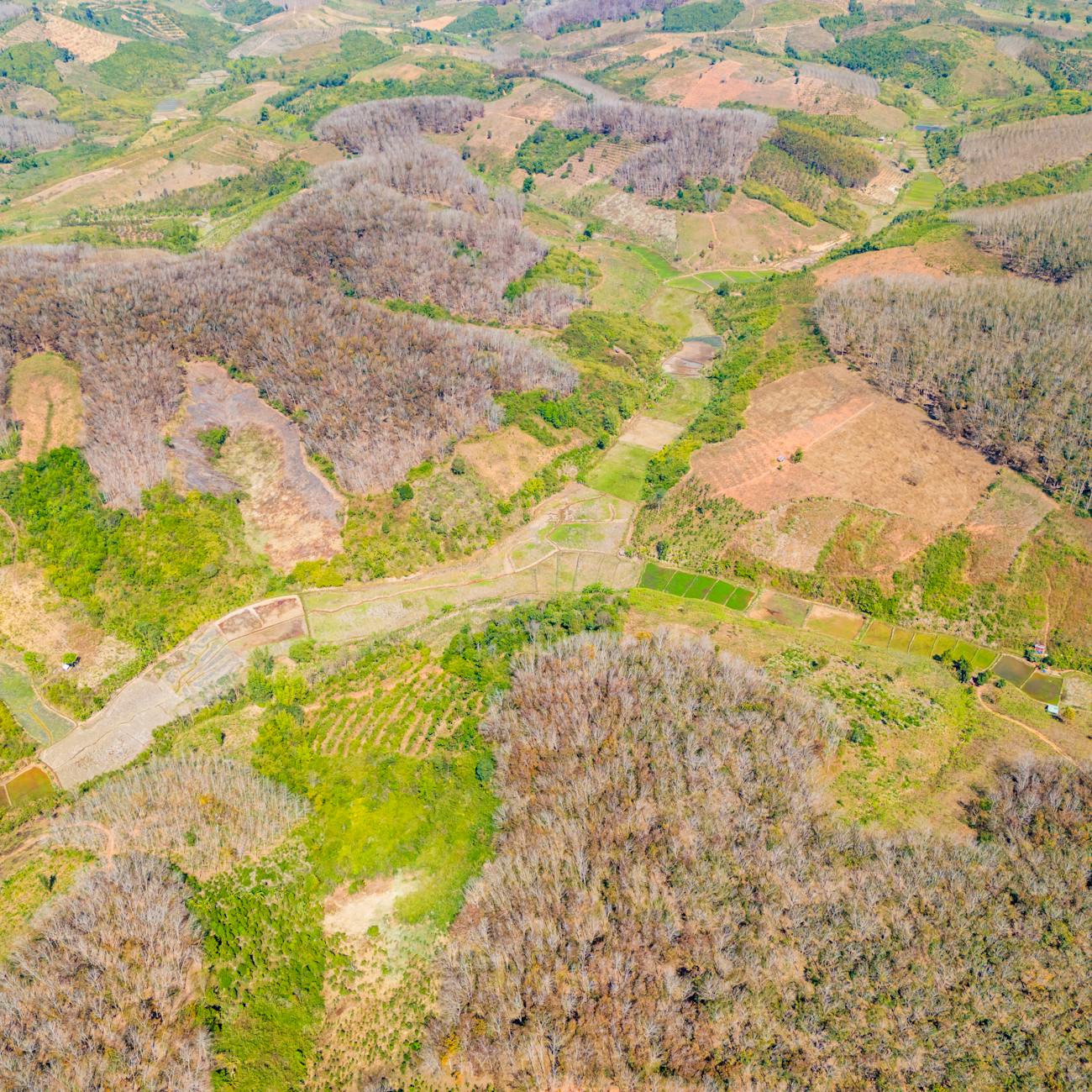
Geographic Information Systems (GIS) are a set of tools that allow for the collection, storage, management, analysis, and visualization of geographic data. GIS for Disaster Management is a professional certificate program that focuses on the use of these tools to prepare for, respond to, and recover from natural and human-made disasters. The following key terms and vocabulary are essential for understanding the field of GIS for Disaster Management:
1. Geographic Data: Geographic data, also known as spatial data, is any data that contains information about a location on the earth's surface. This data can include information about natural and man-made features, such as roads, buildings, rivers, and mountains. Geographic data can be collected through various methods, including satellite imagery, aerial photography, and ground surveys. 2. GIS: A Geographic Information System (GIS) is a set of tools that allow for the management and analysis of geographic data. GIS can be used to create maps, analyze spatial patterns, and make decisions based on geographic data. GIS can be used in a variety of fields, including disaster management, urban planning, and environmental management. 3. Spatial Analysis: Spatial analysis is the process of examining geographic data to identify patterns and relationships. Spatial analysis can be used to answer questions such as "Where are the areas most at risk during a disaster?" and "What are the best routes for evacuation?" 4. Remote Sensing: Remote sensing is the process of collecting geographic data from a distance, typically using satellite or aerial imagery. Remote sensing can be used to gather information about large areas quickly and efficiently, making it an essential tool for disaster management. 5. Georeferencing: Georeferencing is the process of aligning geographic data with a coordinate system, allowing for accurate location-based analysis. Georeferencing is an essential step in preparing geographic data for use in GIS. 6. Geocoding: Geocoding is the process of assigning geographic coordinates to non-spatial data, such as addresses or place names. Geocoding allows for the integration of non-spatial data with geographic data, enabling spatial analysis of the data. 7. GIS Software: GIS software is the set of tools used to manage and analyze geographic data. Examples of GIS software include ArcGIS, QGIS, and GRASS. GIS software can be used to create maps, perform spatial analysis, and manage geographic data. 8. Disaster Management: Disaster management is the process of preparing for, responding to, and recovering from natural and human-made disasters. GIS for Disaster Management focuses on the use of GIS tools to support disaster management efforts. 9. Hazard Analysis: Hazard analysis is the process of identifying and assessing the potential hazards in a given area. Hazard analysis is an essential step in disaster management, as it allows for the identification of areas most at risk during a disaster. 10. Vulnerability Analysis: Vulnerability analysis is the process of identifying and assessing the vulnerability of a given area to hazards. Vulnerability analysis is an essential step in disaster management, as it allows for the identification of areas most in need of protection and preparedness efforts. 11. Risk Assessment: Risk assessment is the process of identifying and assessing the risks associated with a given hazard. Risk assessment is an essential step in disaster management, as it allows for the identification of areas most at risk during a disaster. 12. Evacuation Planning: Evacuation planning is the process of developing plans for the safe and orderly evacuation of a given area during a disaster. GIS can be used to identify the best routes for evacuation and to model the potential impact of a disaster on transportation infrastructure. 13. Emergency Response Planning: Emergency response planning is the process of developing plans for the rapid and effective response to a disaster. GIS can be used to identify the location of critical infrastructure, such as hospitals and fire stations, and to model the potential impact of a disaster on these facilities. 14. Recovery Planning: Recovery planning is the process of developing plans for the long-term recovery of a given area following a disaster. GIS can be used to model the potential impact of a disaster on the economy and to identify areas most in need of redevelopment. 15. Spatial Data Infrastructure (SDI): Spatial Data Infrastructure (SDI) is a framework for the sharing and management of geographic data. SDIs are used to facilitate the exchange of geographic data between different organizations and agencies, enabling more effective disaster management. 16. Open Geospatial Consortium (OGC): The Open Geospatial Consortium (OGC) is an international organization that develops standards for the exchange of geographic data. OGC standards are used to ensure interoperability between different GIS systems and SDIs, enabling more effective disaster management. 17. National Spatial Data Infrastructure (NSDI): National Spatial Data Infrastructure (NSDI) is a framework for the sharing and management of geographic data at the national level. NSDI is used to facilitate the exchange of geographic data between different organizations and agencies within a country, enabling more effective disaster management. 18. Global Spatial Data Infrastructure (GSDI): Global Spatial Data Infrastructure (GSDI) is a framework for the sharing and management of geographic data at the global level. GSDI is used to facilitate the exchange of geographic data between different countries and organizations, enabling more effective disaster management. 19. Crowdsourcing: Crowdsourcing is the process of obtaining information or services from a large group of people, typically through online platforms. Crowdsourcing can be used to gather geographic data during a disaster, enabling more effective disaster management. 20. Volunteered Geographic Information (VGI): Volunteered Geographic Information (VGI) is geographic data that is collected and contributed by volunteers. VGI can be a valuable source of geographic data during a disaster, as it can provide real-time information about the impact of the disaster. 21. Geospatial Intelligence (GEOINT): Geospatial Intelligence (GEOINT) is the use of geographic data to support intelligence and security efforts. GEOINT can be used to support disaster management efforts by providing real-time information about the location and movement of resources. 22. Geospatial Technology: Geospatial technology is the set of tools and techniques used to collect, manage, and analyze geographic data. Geospatial technology includes GIS, remote sensing, and global positioning systems (GPS). 23. Global Positioning System (GPS): The Global Positioning System (GPS) is a satellite-based navigation system that allows for the precise location of a receiver on the earth's surface. GPS is an essential tool for geospatial technology, as it enables the collection of accurate geographic data. 24. Geospatial Web Services: Geospatial Web Services are online services that provide access to geographic data and GIS functionality. Geospatial Web Services can be used to support disaster management efforts by providing real-time access to geographic data and GIS functionality. 25. OpenStreetMap (OSM): OpenStreetMap (OSM) is a collaborative project to create a free and open map of the world. OSM is a valuable source of geographic data during a disaster, as it can provide real-time information about the impact of the disaster.
In conclusion, GIS for Disaster Management is a professional certificate program that focuses on the use of GIS tools to support disaster management efforts. The field of GIS for Disaster Management involves the collection, storage, management, analysis, and visualization of geographic data to prepare for, respond to, and recover from natural and human-made disasters. Understanding the key terms and vocabulary outlined in this explanation is essential for anyone looking to pursue a career in GIS for Disaster Management. With this knowledge, learners will be able to effectively use GIS tools to support disaster management efforts and make informed decisions based on geographic data.
Key takeaways
- GIS for Disaster Management is a professional certificate program that focuses on the use of these tools to prepare for, respond to, and recover from natural and human-made disasters.
- Global Positioning System (GPS): The Global Positioning System (GPS) is a satellite-based navigation system that allows for the precise location of a receiver on the earth's surface.
- The field of GIS for Disaster Management involves the collection, storage, management, analysis, and visualization of geographic data to prepare for, respond to, and recover from natural and human-made disasters.