
Comparative Osteology
Comparative Osteology: Comparative osteology is the study of the skeletal system across different species to understand their anatomical similarities and differences. By comparing bones from various animals, researchers can gain insights in…
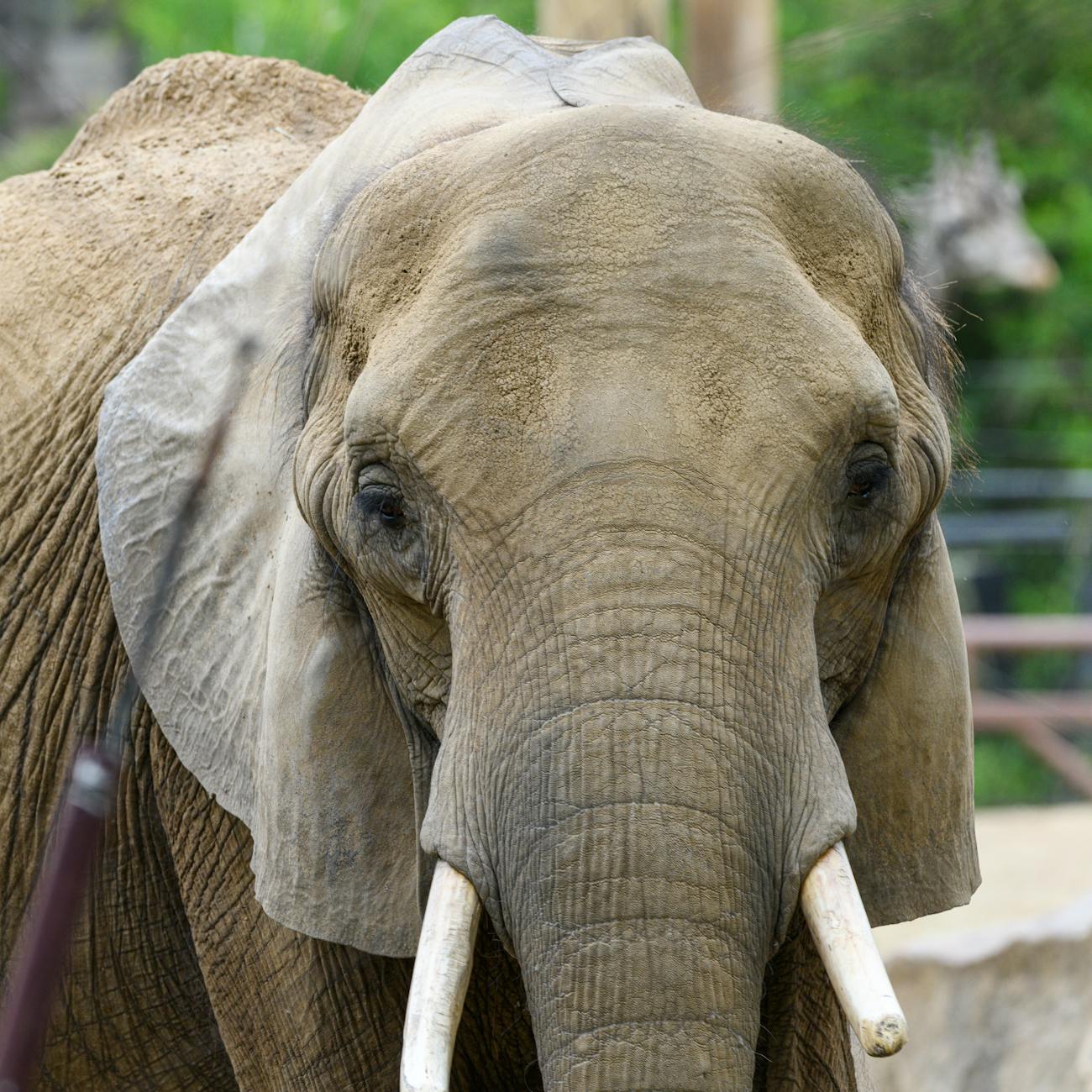
Comparative Osteology: Comparative osteology is the study of the skeletal system across different species to understand their anatomical similarities and differences. By comparing bones from various animals, researchers can gain insights into evolutionary relationships, functional adaptations, and ecological roles.
Osteology: Osteology is the branch of anatomy that focuses on the study of bones, their structure, function, development, and evolution. It is a crucial field in understanding the skeletal system and its importance in various biological processes.
Anatomy: Anatomy is the branch of biology that deals with the structure of organisms and their parts. In comparative osteology, understanding the anatomy of different species' skeletal systems is essential for making accurate comparisons and drawing meaningful conclusions.
Skeletal System: The skeletal system is the framework of bones and cartilage that provides support, protection, and movement for the body. It consists of bones, joints, and connective tissues that work together to support and protect the body's organs.
Evolution: Evolution is the process by which species change over time through genetic variation and natural selection. Comparative osteology plays a vital role in studying the evolution of vertebrates by comparing skeletal structures across different species.
Homology: Homology refers to the similarity in structure or function between different species due to shared ancestry. In comparative osteology, homologous structures are bones that have a common evolutionary origin, even if they serve different functions in different species.
Analogous Structures: Analogous structures are body parts that serve similar functions in different species but do not share a common evolutionary origin. Understanding the differences between homologous and analogous structures is crucial in comparative osteology to infer evolutionary relationships accurately.
Morphology: Morphology is the study of the form and structure of organisms. In comparative osteology, researchers analyze the morphology of bones to identify similarities and differences between species and understand how they are adapted to their environments.
Adaptation: Adaptation is the process by which organisms evolve traits that help them survive and reproduce in their environment. The study of comparative osteology provides insights into how skeletal adaptations have allowed different species to thrive in diverse ecological niches.
Functional Morphology: Functional morphology is the study of how the form and structure of organisms are related to their function and behavior. In comparative osteology, researchers examine how skeletal features are adapted to specific activities such as locomotion, feeding, and defense.
Phylogeny: Phylogeny is the evolutionary history and relationships of a group of organisms. By comparing the skeletal anatomy of different species, researchers can reconstruct phylogenetic trees to understand the evolutionary connections between them.
Biomechanics: Biomechanics is the study of how biological systems, such as bones and muscles, interact to produce movement. Comparative osteology incorporates biomechanical principles to analyze how skeletal structures are optimized for specific functions in different species.
Ontogeny: Ontogeny refers to the development of an organism from fertilization to maturity. Comparative osteology examines how skeletal structures change during an individual's lifespan and how these changes reflect evolutionary patterns across species.
Archaeology: Archaeology is the study of human history and prehistory through the excavation and analysis of artifacts and other physical remains. Comparative osteology is essential in archaeology for identifying and interpreting ancient human and animal remains.
Forensic Osteology: Forensic osteology is the application of osteological techniques to forensic investigations, such as identifying human remains and determining the cause of death. Comparative osteology provides the foundation for understanding skeletal variation and pathology in forensic contexts.
Zoology: Zoology is the branch of biology that focuses on the study of animals and their behavior. Comparative osteology is a fundamental aspect of zoology, as it helps researchers classify and understand the diversity of skeletal structures in different animal groups.
Botany: Botany is the branch of biology that focuses on the study of plants. While comparative osteology primarily deals with animal skeletons, the principles of comparative anatomy can also be applied to the study of plant structures and their evolution.
Biological Anthropology: Biological anthropology is the study of human evolution, variation, and biology. Comparative osteology plays a crucial role in biological anthropology by comparing human skeletal remains with those of other primates and mammals to understand our evolutionary history.
Palaeontology: Palaeontology is the study of prehistoric life through the examination of fossils. Comparative osteology is an essential tool in palaeontology for comparing fossilized bones with those of living organisms to reconstruct ancient ecosystems and evolutionary relationships.
Vertebrate: A vertebrate is an animal with a backbone or spinal column. Comparative osteology primarily focuses on the skeletal structures of vertebrates, which include mammals, birds, reptiles, amphibians, and fish.
Invertebrate: An invertebrate is an animal without a backbone. While comparative osteology mainly deals with vertebrate skeletons, the principles of comparative anatomy can also be applied to the study of invertebrate skeletal structures in certain groups, such as arthropods.
Homologous Bones: Homologous bones are skeletal elements that have a common evolutionary origin, even if they have different forms or functions in different species. For example, the forelimbs of mammals, birds, and reptiles are homologous structures that have adapted for different modes of locomotion.
Analogous Bones: Analogous bones are skeletal elements that serve similar functions in different species but do not share a common evolutionary origin. For instance, the wings of birds and bats are analogous structures that have evolved independently for flight.
Comparative Anatomy: Comparative anatomy is the study of anatomical similarities and differences between different species. In comparative osteology, researchers analyze the skeletal anatomy of various animals to understand evolutionary relationships and functional adaptations.
Forelimb: The forelimb is the front limb or arm of an animal, which is typically adapted for support, manipulation, and locomotion. Comparative osteology often focuses on the forelimbs of different species to study adaptations for specific behaviors and environments.
Hindlimb: The hindlimb is the back limb or leg of an animal, which is primarily involved in locomotion and support. Comparative osteology examines the hindlimbs of different species to understand how skeletal structures are adapted for running, jumping, swimming, or climbing.
Skull: The skull is the bony structure that encloses and protects the brain and sensory organs in vertebrates. In comparative osteology, researchers analyze the skull morphology of different species to identify evolutionary relationships and adaptations for feeding, sensing, and defense.
Vertebra: A vertebra is a single bone in the vertebral column or backbone of vertebrates. Comparative osteology studies the variation in vertebral morphology across different species to understand adaptations for posture, movement, and support.
Rib: A rib is a curved bone that forms part of the ribcage in vertebrates, providing protection for the internal organs. Comparative osteology examines the structure and arrangement of ribs in different species to infer respiratory mechanisms and body shape.
Limb Bones: Limb bones are the long bones found in the limbs of vertebrates, including the humerus, radius, ulna, femur, tibia, and fibula. Comparative osteology compares the size, shape, and articulations of limb bones across species to understand adaptations for different modes of locomotion.
Pelvic Girdle: The pelvic girdle is the bony structure that connects the vertebral column to the hindlimbs in vertebrates. Comparative osteology analyzes the pelvic girdle morphology of different species to infer reproductive strategies, locomotor adaptations, and body size.
Pectoral Girdle: The pectoral girdle is the bony structure that connects the vertebral column to the forelimbs in vertebrates. Comparative osteology studies the pectoral girdle anatomy of different species to understand adaptations for supporting the weight of the body and manipulating objects.
Dental Formula: The dental formula is a numerical representation of the number and arrangement of teeth in the mouth of mammals. Comparative osteology uses dental formulas to classify and compare the dentition of different species for dietary, ecological, and evolutionary analyses.
Dentition: Dentition refers to the arrangement and types of teeth in the mouth of an animal. Comparative osteology examines the dentition of different species to infer their feeding habits, evolutionary relationships, and adaptations to different diets.
Carnivore: A carnivore is an animal that primarily feeds on meat. In comparative osteology, carnivores are characterized by sharp, pointed teeth for tearing flesh and strong jaws for crushing bones.
Herbivore: A herbivore is an animal that primarily feeds on plants. Herbivores have specialized teeth for grinding plant material, such as flat molars for chewing and sharp incisors for cropping vegetation.
Omnivore: An omnivore is an animal that consumes both plant and animal matter. Omnivores have a mix of teeth adapted for cutting, tearing, and grinding a variety of food sources.
Dietary Specialization: Dietary specialization refers to the adaptation of an animal's anatomy and behavior to a specific type of diet. Comparative osteology examines the skeletal features of different species to understand how they are adapted to their feeding habits and ecological niches.
Aquatic Adaptations: Aquatic adaptations are anatomical features that allow animals to thrive in aquatic environments. Comparative osteology studies the skeletal adaptations of aquatic species, such as streamlined bodies, flippers, and buoyancy organs, to understand how they are adapted to swimming, diving, and feeding underwater.
Terrestrial Adaptations: Terrestrial adaptations are anatomical features that enable animals to live and move on land. Comparative osteology analyzes the skeletal adaptations of terrestrial species, such as strong limbs, weight-bearing joints, and specialized feet, to understand how they are adapted to running, jumping, and climbing on land.
Aerial Adaptations: Aerial adaptations are anatomical features that facilitate flight in birds, bats, and other flying animals. Comparative osteology studies the skeletal adaptations of aerial species, such as lightweight bones, fused vertebrae, and enlarged wing bones, to understand how they are adapted to powered flight.
Cursorial Adaptations: Cursorial adaptations are anatomical features that enhance running and sprinting in terrestrial animals. Comparative osteology examines the skeletal adaptations of cursorial species, such as elongated limbs, reduced digits, and shock-absorbing structures, to understand how they are adapted to high-speed locomotion.
Arboreal Adaptations: Arboreal adaptations are anatomical features that facilitate climbing and swinging in tree-dwelling animals. Comparative osteology studies the skeletal adaptations of arboreal species, such as prehensile hands, grasping feet, and flexible joints, to understand how they are adapted to moving and foraging in trees.
Bipedalism: Bipedalism is the ability to walk on two legs, a characteristic feature of humans and some other primates. Comparative osteology examines the skeletal adaptations for bipedalism in hominins and other bipedal species to understand the evolution of upright posture and locomotion.
Quadrupedalism: Quadrupedalism is the ability to walk on four legs, a common mode of locomotion in many mammals. Comparative osteology studies the skeletal adaptations for quadrupedalism in different species to understand how limbs, joints, and muscles are optimized for support and movement.
Plantigrade: Plantigrade locomotion is a walking style where animals walk on the soles of their feet, with the entire foot in contact with the ground. Comparative osteology examines the adaptations for plantigrade locomotion in humans, bears, and other plantigrade species to understand weight distribution and shock absorption.
Digitigrade: Digitigrade locomotion is a walking style where animals walk on their toes, with the heel raised above the ground. Comparative osteology studies the adaptations for digitigrade locomotion in dogs, cats, and other digitigrade species to understand speed, agility, and pressure distribution.
Unguligrade: Unguligrade locomotion is a walking style where animals walk on the tips of their hooves or claws. Comparative osteology analyzes the adaptations for unguligrade locomotion in horses, deer, and other ungulate species to understand speed, endurance, and weight-bearing capacity.
Saltatorial: Saltatorial locomotion is a hopping or jumping style of movement seen in kangaroos, rabbits, and other saltatorial species. Comparative osteology studies the skeletal adaptations for saltatorial locomotion, such as elongated hindlimbs, powerful muscles, and elastic tendons, to understand how animals achieve propulsion and energy efficiency.
Fossorial: Fossorial locomotion is a burrowing style of movement used by animals that dig underground tunnels. Comparative osteology examines the adaptations for fossorial locomotion in moles, gophers, and other fossorial species to understand how animals navigate and excavate in subterranean environments.
Aquatic Adaptations: Aquatic adaptations are anatomical features that allow animals to thrive in aquatic environments. Comparative osteology studies the skeletal adaptations of aquatic species, such as streamlined bodies, flippers, and buoyancy organs, to understand how they are adapted to swimming, diving, and feeding underwater.
Challenges in Comparative Osteology: While comparative osteology provides valuable insights into skeletal anatomy, evolution, and function, there are several challenges in conducting comparative studies across different species. Some of the key challenges include:
1. Sample Size: Obtaining a sufficient sample size of specimens from different species to make meaningful comparisons can be challenging, especially for rare or endangered animals.
2. Species Identification: Accurately identifying and classifying skeletal remains to the species level is essential for comparative osteology but can be difficult, especially when dealing with fragmentary or poorly preserved specimens.
3. Ontogenetic Variation: Accounting for changes in skeletal morphology during an individual's lifespan (ontogeny) is crucial in comparative osteology but can be complex, as bones can undergo significant developmental changes.
4. Sexual Dimorphism: Recognizing and accounting for differences in skeletal anatomy between males and females (sexual dimorphism) is important in comparative osteology but can complicate interpretations if not properly addressed.
5. Pathological Conditions: Identifying and distinguishing between normal skeletal variation and pathological conditions in bones is essential for accurate comparative analyses but can be challenging, as diseases and injuries can affect bone morphology.
6. Preservation Bias: Variations in the preservation of skeletal remains, such as taphonomic processes and environmental conditions, can introduce bias into comparative osteological studies and affect the interpretation of results.
7. Convergent Evolution: Recognizing and differentiating between homologous and analogous structures is crucial in comparative osteology, as convergent evolution can lead to similarities in skeletal anatomy that are not due to shared ancestry.
8. Functional Interpretation: Inferring the function and behavior of extinct species based on skeletal anatomy can be challenging in comparative osteology, as interpretations are often speculative and subject to alternative hypotheses.
9. Integration of Data: Integrating data from multiple sources, such as skeletal morphology, genetics, and behavior, is essential in comparative osteology but can be complex, requiring interdisciplinary collaboration and expertise.
10. Ethical Considerations: Respecting ethical guidelines and regulations for the study of animal remains, especially endangered species and human remains, is paramount in comparative osteology to ensure responsible research practices.
Overall, despite these challenges, comparative osteology is a valuable and interdisciplinary field that provides unique insights into the diversity, evolution, and adaptation of the skeletal system across different species. By combining anatomical, evolutionary, and functional approaches, researchers can unravel the mysteries of the past and present to better understand the natural world and our place within it.
Key takeaways
- Comparative Osteology: Comparative osteology is the study of the skeletal system across different species to understand their anatomical similarities and differences.
- Osteology: Osteology is the branch of anatomy that focuses on the study of bones, their structure, function, development, and evolution.
- In comparative osteology, understanding the anatomy of different species' skeletal systems is essential for making accurate comparisons and drawing meaningful conclusions.
- Skeletal System: The skeletal system is the framework of bones and cartilage that provides support, protection, and movement for the body.
- Comparative osteology plays a vital role in studying the evolution of vertebrates by comparing skeletal structures across different species.
- In comparative osteology, homologous structures are bones that have a common evolutionary origin, even if they serve different functions in different species.
- Analogous Structures: Analogous structures are body parts that serve similar functions in different species but do not share a common evolutionary origin.