
Paid Social Media Advertising for Beauty
Paid Social Media Advertising for Beauty is a crucial aspect of digital marketing in the beauty industry. Here are some key terms and vocabulary related to this field:
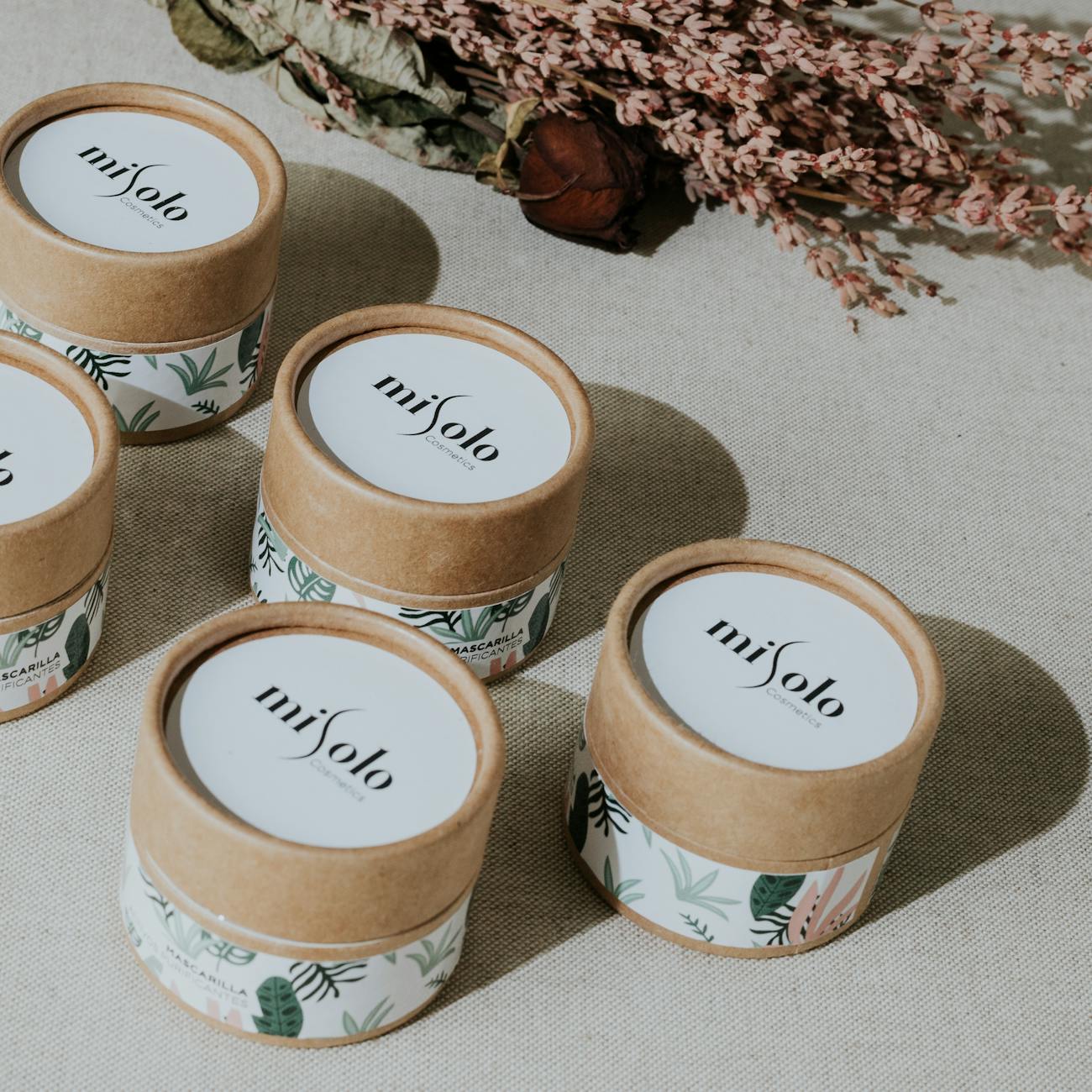
Paid Social Media Advertising for Beauty is a crucial aspect of digital marketing in the beauty industry. Here are some key terms and vocabulary related to this field:
1. **Paid Social Media Advertising**: This refers to the process of creating and delivering marketing messages through social media platforms, with the goal of reaching a specific target audience and achieving a particular objective, such as increasing brand awareness or driving sales. 2. **Target Audience**: This is the group of people that a paid social media campaign is intended to reach. It is typically defined by demographic characteristics such as age, gender, location, and interests. 3. **Ad Objective**: This is the specific goal that a paid social media campaign is designed to achieve. Common objectives include increasing brand awareness, driving website traffic, and generating leads or sales. 4. **Ad Format**: This refers to the way in which a paid social media ad is presented to users. Common ad formats include image ads, video ads, carousel ads, and sponsored posts. 5. **Ad Placement**: This is the location on a social media platform where a paid ad will be displayed. Common ad placements include the news feed, the right-hand column, and the mobile app. 6. **Ad Budget**: This is the amount of money that a company is willing to spend on a paid social media campaign. It is typically set at the beginning of the campaign and can be adjusted as needed. 7. **Ad Schedule**: This is the time frame during which a paid social media campaign will run. It can be set for a specific date range or for ongoing, continuous delivery. 8. **Ad Creative**: This refers to the visual and text elements of a paid social media ad, including the image or video, the headline, and the body copy. 9. **Call to Action (CTA)**: This is a button or link in a paid social media ad that encourages users to take a specific action, such as visiting a website or making a purchase. 10. **Conversion Rate**: This is the percentage of users who take a desired action after clicking on a paid social media ad. 11. **Retargeting**: This is a type of paid social media advertising that targets users who have previously interacted with a company's website or social media page. 12. **Lookalike Audience**: This is a type of target audience that is created by using the characteristics of a company's existing customers or followers to find similar users on a social media platform. 13. **A/B Testing**: This is the process of testing different versions of a paid social media ad to see which one performs better. 14. **Engagement Rate**: This is the percentage of users who interact with a paid social media ad, such as by liking, commenting, or sharing it. 15. **Impressions**: This is the number of times a paid social media ad is displayed to users. 16. **Click-Through Rate (CTR)**: This is the percentage of users who click on a paid social media ad after seeing it. 17. **Cost Per Click (CPC)**: This is the amount of money that a company pays for each click on a paid social media ad. 18. **Cost Per Impression (CPM)**: This is the amount of money that a company pays for every 1,000 impressions of a paid social media ad. 19. **Pixel Tracking**: This is a type of tracking code that is used to measure the effectiveness of a paid social media campaign by tracking user behavior on a company's website. 20. **Social Media Analytics**: This is the process of using data and metrics to measure the performance of a paid social media campaign and make informed decisions about future campaigns.
Here are some examples of how these terms might be used in the context of a paid social media campaign for a beauty brand:
* A beauty brand might use paid social media advertising to reach a target audience of women aged 18-35 who are interested in skincare. The ad objective might be to increase brand awareness and drive website traffic. * The beauty brand might create a series of image ads featuring different skincare products, with a call to action encouraging users to visit the brand's website to learn more. The ads might be placed in the news feed and right-hand column of the social media platform. * The beauty brand might set a daily ad budget of $100 and an ad schedule running for one month. The ad creative might include high-quality images of the skincare products, with headlines and body copy highlighting their benefits. * To measure the success of the campaign, the beauty brand might track metrics such as engagement rate, click-through rate, and conversion rate. The brand might also use pixel tracking to see how many users who click on the ad go on to make a purchase on the website. * The beauty brand might use A/B testing to compare the performance of different ad creative, such as different images or headlines. The brand might also use social media analytics to analyze the data and make informed decisions about future campaigns.
Here are some challenges that a beauty brand might face in the field of paid social media advertising:
* **Competition**: The beauty industry is highly competitive, so a brand might have to compete with other companies for ad space and user attention. * **Ad Fatigue**: Users may become tired of seeing the same ads repeatedly, which can lead to decreased engagement and effectiveness. * **Ad Blockers**: Some users may use ad blockers, which can prevent a brand's ads from being displayed. * **Data Privacy**: Changes to data privacy laws and policies, such as the European Union's General Data Protection Regulation (GDPR), can impact a brand's ability to use certain types of targeting and tracking in its paid social media campaigns.
In summary, paid social media advertising is a crucial aspect of digital marketing in the beauty industry. Key terms and concepts include target audience, ad objective, ad format, ad placement, ad budget, ad schedule, ad creative, call to action, conversion rate, retargeting, lookalike audience, A/B testing, engagement rate, impressions, click-through rate, cost per click, cost per impression, pixel tracking, and social media analytics. Brands may face challenges such as competition, ad fatigue, ad blockers, and data privacy in this field.
Key takeaways
- Paid Social Media Advertising for Beauty is a crucial aspect of digital marketing in the beauty industry.
- **Lookalike Audience**: This is a type of target audience that is created by using the characteristics of a company's existing customers or followers to find similar users on a social media platform.
- * The beauty brand might create a series of image ads featuring different skincare products, with a call to action encouraging users to visit the brand's website to learn more.
- * **Competition**: The beauty industry is highly competitive, so a brand might have to compete with other companies for ad space and user attention.
- In summary, paid social media advertising is a crucial aspect of digital marketing in the beauty industry.