
Developing Exercise Programs for Cancer Survivors
Cancer Exercise Programs: Developing exercise programs for cancer survivors involves creating tailored fitness plans that take into account the individual's medical history, treatment protocols, current fitness level, and goals for physical…
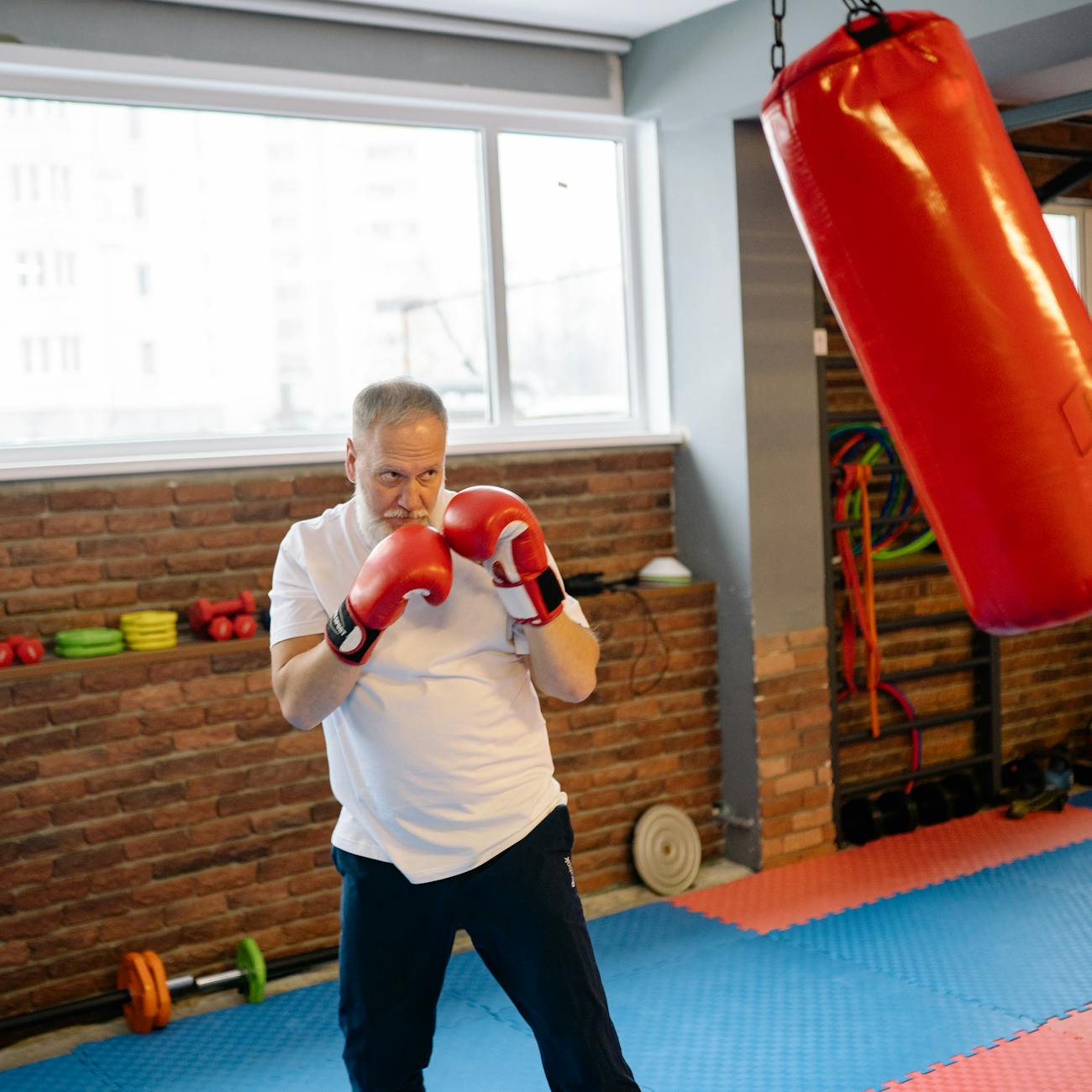
Cancer Exercise Programs: Developing exercise programs for cancer survivors involves creating tailored fitness plans that take into account the individual's medical history, treatment protocols, current fitness level, and goals for physical activity. These programs are designed to help survivors improve their overall health, manage side effects of cancer treatment, and enhance their quality of life.
Cancer Survivors: Individuals who have been diagnosed with cancer and have completed their treatment, including surgery, chemotherapy, radiation therapy, or a combination of these modalities. Cancer survivors may face various physical and emotional challenges post-treatment, which can be addressed through exercise programs specifically designed for their needs.
Advanced Certificate in Cancer Exercise: This certification program provides fitness professionals with the knowledge and skills needed to work with cancer survivors, create safe and effective exercise programs, and understand the unique considerations involved in training this population. The advanced certificate covers topics such as cancer biology, treatment modalities, exercise guidelines, and program development.
Exercise Prescription: The process of planning and implementing a personalized exercise program for an individual based on their specific needs, goals, and abilities. An exercise prescription for cancer survivors should consider their medical history, treatment side effects, physical limitations, and fitness level to ensure safety and effectiveness.
Cancer Biology: The study of how cancer develops, progresses, and interacts with the body at a cellular and molecular level. Understanding cancer biology is essential for designing exercise programs that support survivors' overall health, immune function, and recovery process.
Treatment Modalities: Different types of cancer treatments, such as surgery, chemotherapy, radiation therapy, immunotherapy, hormone therapy, targeted therapy, and stem cell transplant. Each treatment modality can have unique effects on the body and may influence the design of an exercise program for cancer survivors.
Physical Activity Guidelines: Recommendations for the amount, intensity, frequency, and type of physical activity needed to promote health and well-being. Following physical activity guidelines is important for cancer survivors to improve their cardiovascular fitness, strength, flexibility, and overall quality of life.
Functional Capacity Assessment: The evaluation of an individual's physical capabilities, including cardiorespiratory fitness, muscular strength, flexibility, balance, and coordination. A functional capacity assessment helps determine an appropriate starting point for an exercise program and track progress over time.
Exercise Interventions: Specific exercises, activities, and strategies used to improve physical function, reduce fatigue, manage pain, enhance emotional well-being, and promote overall health in cancer survivors. Exercise interventions may include aerobic exercise, resistance training, flexibility exercises, balance training, and mindfulness practices.
Progressive Overload: Gradually increasing the intensity, duration, or frequency of exercise to challenge the body and promote adaptations, such as improved strength, endurance, and cardiovascular fitness. Progressive overload is a key principle in designing effective exercise programs for cancer survivors to ensure ongoing improvements in physical function.
Individualized Programming: Tailoring exercise programs to meet the unique needs, preferences, and abilities of each cancer survivor. Individualized programming takes into account factors such as age, fitness level, treatment history, side effects, comorbidities, and personal goals to create a safe and effective fitness plan.
Physical Function: The ability to perform daily activities, such as walking, climbing stairs, lifting objects, and bending, without limitations or difficulty. Improving physical function through exercise programs can enhance independence, quality of life, and overall well-being in cancer survivors.
Side Effects of Cancer Treatment: Adverse effects that may result from surgery, chemotherapy, radiation therapy, or other cancer treatments, such as fatigue, weakness, neuropathy, lymphedema, cognitive impairment, nausea, and muscle loss. Exercise programs for cancer survivors should address these side effects through appropriate interventions and modifications.
Psychosocial Support: Providing emotional, social, and mental support to cancer survivors through exercise programs, counseling, support groups, and other resources. Psychosocial support is essential for addressing the psychological impact of cancer diagnosis and treatment, promoting resilience, and improving overall well-being.
Exercise Safety: Ensuring that exercise programs for cancer survivors are safe, appropriate, and effective for their individual needs and medical conditions. Exercise safety involves proper screening, assessment, supervision, and communication with healthcare providers to minimize risks and maximize benefits.
Exercise Adherence: The extent to which cancer survivors consistently participate in and follow their exercise programs over time. Improving exercise adherence requires creating enjoyable, engaging, and sustainable fitness plans that align with survivors' goals, preferences, and lifestyle.
Outcome Measures: Objective assessments used to evaluate the effectiveness of exercise programs for cancer survivors, such as physical fitness tests, quality of life surveys, fatigue scales, functional assessments, and patient-reported outcomes. Outcome measures help track progress, identify areas for improvement, and adjust exercise interventions as needed.
Exercise Referral: The process of referring cancer survivors to qualified fitness professionals or exercise specialists for personalized exercise programming, supervision, and support. Exercise referral schemes can help survivors access structured physical activity opportunities and resources to improve their health and well-being.
Community Resources: Local programs, facilities, services, and organizations that offer support, education, and opportunities for cancer survivors to engage in physical activity, socialize, and connect with others in their community. Community resources play a vital role in promoting long-term adherence to exercise programs and enhancing survivors' quality of life.
Challenges in Cancer Exercise: Various obstacles and considerations that may arise when developing and implementing exercise programs for cancer survivors, such as medical complexities, treatment side effects, fatigue, pain, emotional barriers, time constraints, financial limitations, and lack of access to appropriate resources. Overcoming these challenges requires a multidisciplinary approach, tailored interventions, and ongoing support for survivors.
Exercise Motivation: Factors that drive cancer survivors to engage in physical activity, such as health benefits, improved quality of life, social support, personal goals, sense of accomplishment, and enjoyment of exercise. Understanding exercise motivation is essential for designing effective programs that align with survivors' needs, preferences, and intrinsic motivators.
Continuing Education: Ongoing learning, training, and professional development opportunities for fitness professionals working with cancer survivors to stay updated on the latest research, guidelines, best practices, and innovations in cancer exercise. Continuing education helps ensure that fitness professionals deliver high-quality, evidence-based care to survivors and enhance their own expertise in this specialized field.
Key takeaways
- These programs are designed to help survivors improve their overall health, manage side effects of cancer treatment, and enhance their quality of life.
- Cancer Survivors: Individuals who have been diagnosed with cancer and have completed their treatment, including surgery, chemotherapy, radiation therapy, or a combination of these modalities.
- The advanced certificate covers topics such as cancer biology, treatment modalities, exercise guidelines, and program development.
- An exercise prescription for cancer survivors should consider their medical history, treatment side effects, physical limitations, and fitness level to ensure safety and effectiveness.
- Understanding cancer biology is essential for designing exercise programs that support survivors' overall health, immune function, and recovery process.
- Treatment Modalities: Different types of cancer treatments, such as surgery, chemotherapy, radiation therapy, immunotherapy, hormone therapy, targeted therapy, and stem cell transplant.
- Following physical activity guidelines is important for cancer survivors to improve their cardiovascular fitness, strength, flexibility, and overall quality of life.