
Aircraft Types and Performance
Aircraft Types and Performance are crucial aspects of the Professional Certificate in Private Jet Chartering. This explanation will cover key terms and vocabulary related to aircraft types, performance, and operations.
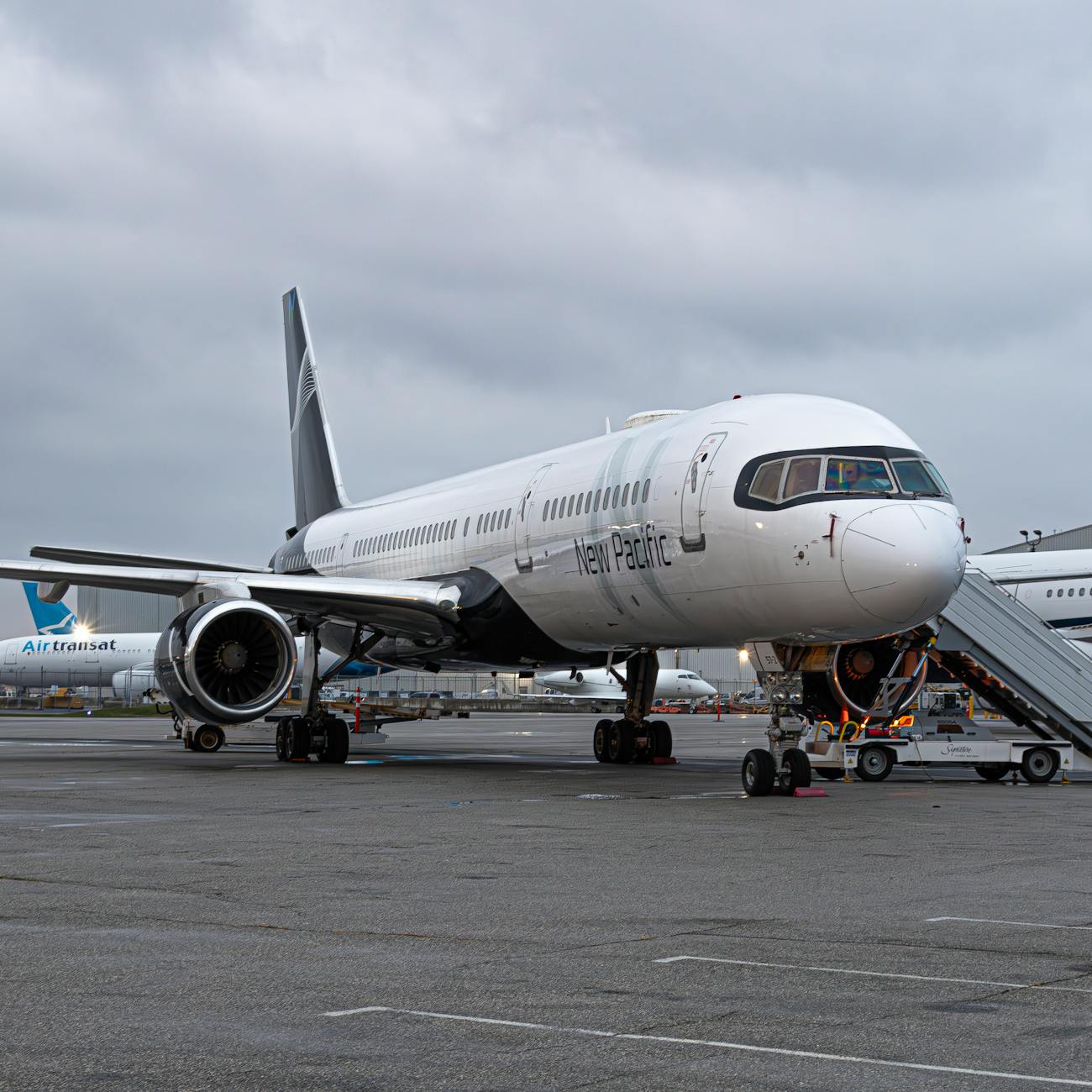
Aircraft Types and Performance are crucial aspects of the Professional Certificate in Private Jet Chartering. This explanation will cover key terms and vocabulary related to aircraft types, performance, and operations.
1. Aircraft Types:
Jets: Jets are powered by jet engines, which produce thrust by compressing and heating air. There are three main types of jets: light, midsize, and heavy.
Light Jets: Light jets are the smallest and most affordable type of private jet. They typically have a range of 1,500 to 2,000 nautical miles and can carry 5-8 passengers. Examples include the Cessna Citation CJ3 and the Embraer Phenom 100.
Midsize Jets: Midsize jets offer more space and range than light jets. They typically have a range of 2,000 to 3,000 nautical miles and can carry 7-9 passengers. Examples include the Hawker 800XP and the Learjet 60.
Heavy Jets: Heavy jets are the largest and most luxurious type of private jet. They typically have a range of 3,000 to 7,000 nautical miles and can carry 10-18 passengers. Examples include the Gulfstream G650 and the Bombardier Global 6000.
Turboprops: Turboprops are powered by turbine engines that turn propellers. They are more fuel-efficient than jets and are typically used for short-range flights. Examples include the Pilatus PC-12 and the King Air 350.
1. Aircraft Performance:
Payload: Payload refers to the weight of passengers, luggage, and cargo that an aircraft can carry. The payload affects an aircraft's range, fuel consumption, and takeoff and landing performance.
Range: Range is the distance an aircraft can fly without refueling. It is affected by the aircraft's fuel capacity, payload, and cruise speed.
Cruise Speed: Cruise speed is the speed at which an aircraft flies during its longest leg of a trip. It is affected by the aircraft's engine power, aerodynamics, and weight.
Takeoff and Landing Distance: Takeoff and landing distance is the distance an aircraft needs to take off or land safely. It is affected by the aircraft's weight, runway conditions, and weather.
Climb Rate: Climb rate is the rate at which an aircraft ascends. It is affected by the aircraft's engine power, weight, and aerodynamics.
Service Ceiling: Service ceiling is the maximum altitude at which an aircraft can operate safely. It is affected by the aircraft's engine power, weight, and aerodynamics.
Endurance: Endurance is the amount of time an aircraft can stay in the air. It is affected by the aircraft's fuel capacity, cruise speed, and payload.
Fuel Consumption: Fuel consumption is the amount of fuel an aircraft uses during a flight. It is affected by the aircraft's engine power, weight, aerodynamics, and cruise speed.
Maintenance Intervals: Maintenance intervals are the periods between required maintenance checks and tasks. They are affected by the aircraft's age, usage, and type.
Avionics: Avionics refer to the electronic systems used for navigation, communication, and flight control. They include instruments, radios, GPS, and autopilot.
Flight Levels: Flight levels refer to altitudes expressed in hundreds of feet. For example, flight level 350 is 35,000 feet.
Mach Number: Mach number is the ratio of an aircraft's speed to the speed of sound. It is used to express an aircraft's speed in relation to the speed of sound, which varies with temperature and altitude.
Practical Applications:
Understanding aircraft types and performance is crucial for private jet chartering professionals. Here are some examples of how these concepts can be applied:
Matching Aircraft to Missions: Different aircraft types and performance characteristics are suitable for different missions. For example, a light jet may be suitable for a short-range flight with a few passengers, while a heavy jet may be necessary for a long-range flight with many passengers and luggage.
Optimizing Flight Planning: Understanding aircraft performance can help optimize flight planning. For example, knowing an aircraft's range, cruise speed, and fuel consumption can help determine the most efficient route, fuel stops, and ground time.
Managing Maintenance: Understanding maintenance intervals and requirements can help manage aircraft availability and costs. For example, scheduling maintenance tasks during off-peak periods can minimize downtime and maximize utilization.
Safety Management: Understanding aircraft performance and limitations can help ensure safety. For example, knowing an aircraft's takeoff and landing distance, climb rate, and service ceiling can help avoid hazardous conditions and emergency situations.
Challenges:
Private jet chartering professionals may face several challenges related to aircraft types and performance:
Regulatory Compliance: Ensuring regulatory compliance can be challenging due to the complex and changing nature of aviation regulations. Private jet chartering professionals must stay up-to-date with the latest rules and requirements related to aircraft types, performance, and operations.
Operational Efficiency: Achieving operational efficiency can be challenging due to the high costs and complexity of private jet chartering. Private jet chartering professionals must optimize flight planning, maintenance, and crew scheduling to minimize costs and maximize utilization.
Customer Expectations: Meeting customer expectations can be challenging due to the high demands and expectations of private jet chartering customers. Private jet chartering professionals must provide personalized, reliable, and safe services to satisfy and retain customers.
Technological Advancements: Keeping up with technological advancements can be challenging due to the rapid pace of innovation and development in aviation technology. Private jet chartering professionals must stay informed and trained on the latest avionics, engines, and aircraft designs to remain competitive and efficient.
In conclusion, understanding aircraft types and performance is crucial for private jet chartering professionals. By mastering the key terms and vocabulary, private jet chartering professionals can match aircraft to missions, optimize flight planning, manage maintenance, ensure safety, and overcome challenges.
Key takeaways
- Aircraft Types and Performance are crucial aspects of the Professional Certificate in Private Jet Chartering.
- Jets: Jets are powered by jet engines, which produce thrust by compressing and heating air.
- They typically have a range of 1,500 to 2,000 nautical miles and can carry 5-8 passengers.
- They typically have a range of 2,000 to 3,000 nautical miles and can carry 7-9 passengers.
- They typically have a range of 3,000 to 7,000 nautical miles and can carry 10-18 passengers.
- They are more fuel-efficient than jets and are typically used for short-range flights.
- Payload: Payload refers to the weight of passengers, luggage, and cargo that an aircraft can carry.