
Ethical and Legal Considerations in Drone Technology
In the Professional Certificate in AI-Powered Drone Technology, learners will explore the ethical and legal considerations surrounding drone technology. This explanation will cover key terms and vocabulary related to these considerations.
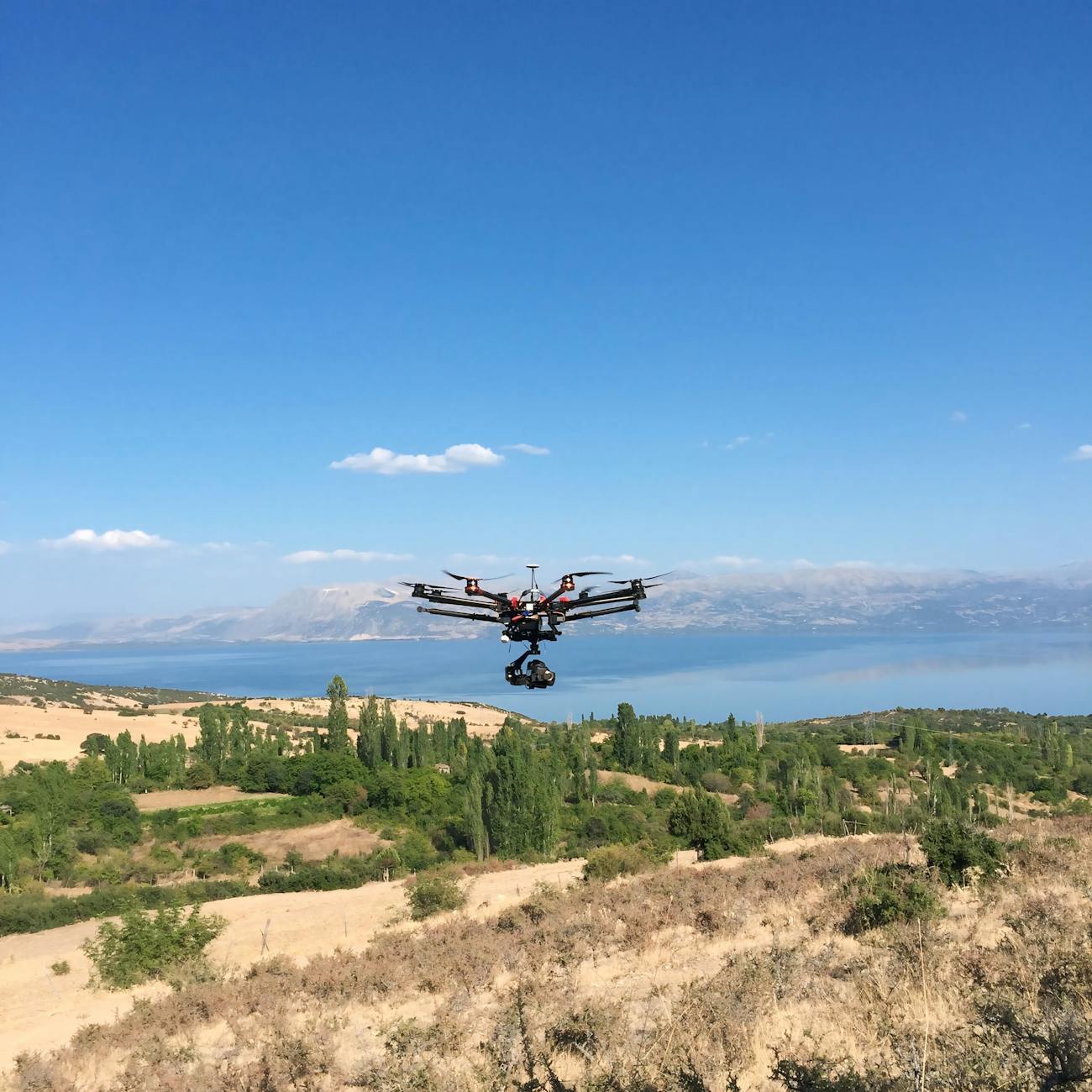
In the Professional Certificate in AI-Powered Drone Technology, learners will explore the ethical and legal considerations surrounding drone technology. This explanation will cover key terms and vocabulary related to these considerations.
1. Artificial Intelligence (AI): AI refers to the simulation of human intelligence in machines that are programmed to think and learn like humans. In drone technology, AI is used to enable drones to make decisions and perform tasks autonomously. 2. Autonomy: Autonomy in drone technology refers to the ability of a drone to operate independently without human intervention. Autonomous drones can make decisions, navigate, and perform tasks on their own. 3. Data Privacy: Data privacy refers to the protection of personal information and the right to control how it is collected, used, and shared. Drones collect vast amounts of data, making data privacy a significant concern in drone technology. 4. Ethics: Ethics refers to the principles and values that govern the conduct of individuals and organizations. In drone technology, ethical considerations include the impact of drones on privacy, safety, and the environment. 5. Legislation: Legislation refers to the laws and regulations that govern the use of drones. Legislation varies by country and region, and it is essential for drone operators to understand and comply with local laws. 6. Liability: Liability refers to the legal responsibility for damages or injuries caused by drones. Drone operators are responsible for ensuring that their drones are operated safely and in compliance with local laws. 7. Regulation: Regulation refers to the rules and policies that govern the use of drones. Regulations can cover areas such as airspace restrictions, pilot certification, and drone registration. 8. Risk Assessment: Risk assessment refers to the process of identifying and evaluating the potential risks associated with drone operations. Risk assessments are essential for ensuring the safe and responsible use of drones. 9. Safety: Safety refers to the measures taken to prevent accidents and injuries caused by drones. Safety considerations include the design and construction of drones, operator training, and flight planning. 10. Surveillance: Surveillance refers to the use of drones to monitor and observe individuals or groups. Surveillance can raise ethical concerns related to privacy and civil liberties. 11. Transparency: Transparency refers to the openness and clarity in the use of drones. Transparency is essential for building trust and ensuring the responsible use of drones.
Examples and Practical Applications:
* Autonomous drones can be used for search and rescue operations, where they can navigate difficult terrain and make decisions based on real-time data. However, this raises ethical concerns related to the use of autonomous systems and the potential for unintended consequences. * Drones can collect vast amounts of data, including images, videos, and sensor data. This data can be used for a variety of purposes, including mapping, monitoring, and analysis. However, data privacy is a significant concern, and operators must ensure that personal information is protected and not shared without consent. * Legislation and regulations vary by country and region, and operators must comply with local laws. For example, in the United States, the Federal Aviation Administration (FAA) requires drone operators to register their drones and obtain a Remote Pilot Certificate. * Liability is a significant concern in drone operations. Operators are responsible for ensuring that their drones are operated safely and in compliance with local laws. Insurance can help protect operators from financial liability in the event of an accident or injury. * Risk assessments are essential for ensuring the safe and responsible use of drones. Operators must identify potential risks, such as flying near people or buildings, and take appropriate measures to mitigate those risks.
Challenges:
* Ethical considerations related to the use of drones can be complex and nuanced. Operators must balance the benefits of drone technology with the potential risks and impacts on privacy, safety, and the environment. * Data privacy is a significant challenge in drone technology. Operators must ensure that personal information is protected and not shared without consent. * Legislation and regulations can be difficult to navigate, and operators must stay up-to-date with local laws and regulations. * Liability can be a significant challenge in drone operations. Operators must ensure that their drones are operated safely and in compliance with local laws to avoid financial liability. * Risk assessments can be time-consuming and require a thorough understanding of the potential risks associated with drone operations.
In conclusion, ethical and legal considerations are essential in drone technology. Understanding key terms and vocabulary, such as autonom
Key takeaways
- In the Professional Certificate in AI-Powered Drone Technology, learners will explore the ethical and legal considerations surrounding drone technology.
- Artificial Intelligence (AI): AI refers to the simulation of human intelligence in machines that are programmed to think and learn like humans.
- For example, in the United States, the Federal Aviation Administration (FAA) requires drone operators to register their drones and obtain a Remote Pilot Certificate.
- * Risk assessments can be time-consuming and require a thorough understanding of the potential risks associated with drone operations.
- In conclusion, ethical and legal considerations are essential in drone technology.