
Spa Product Knowledge
Spa Product Knowledge is a crucial component of the Certificate in Spa Management Fundamentals. This knowledge encompasses an understanding of the various products used in spas, their ingredients, benefits, and applications. Here are some k…
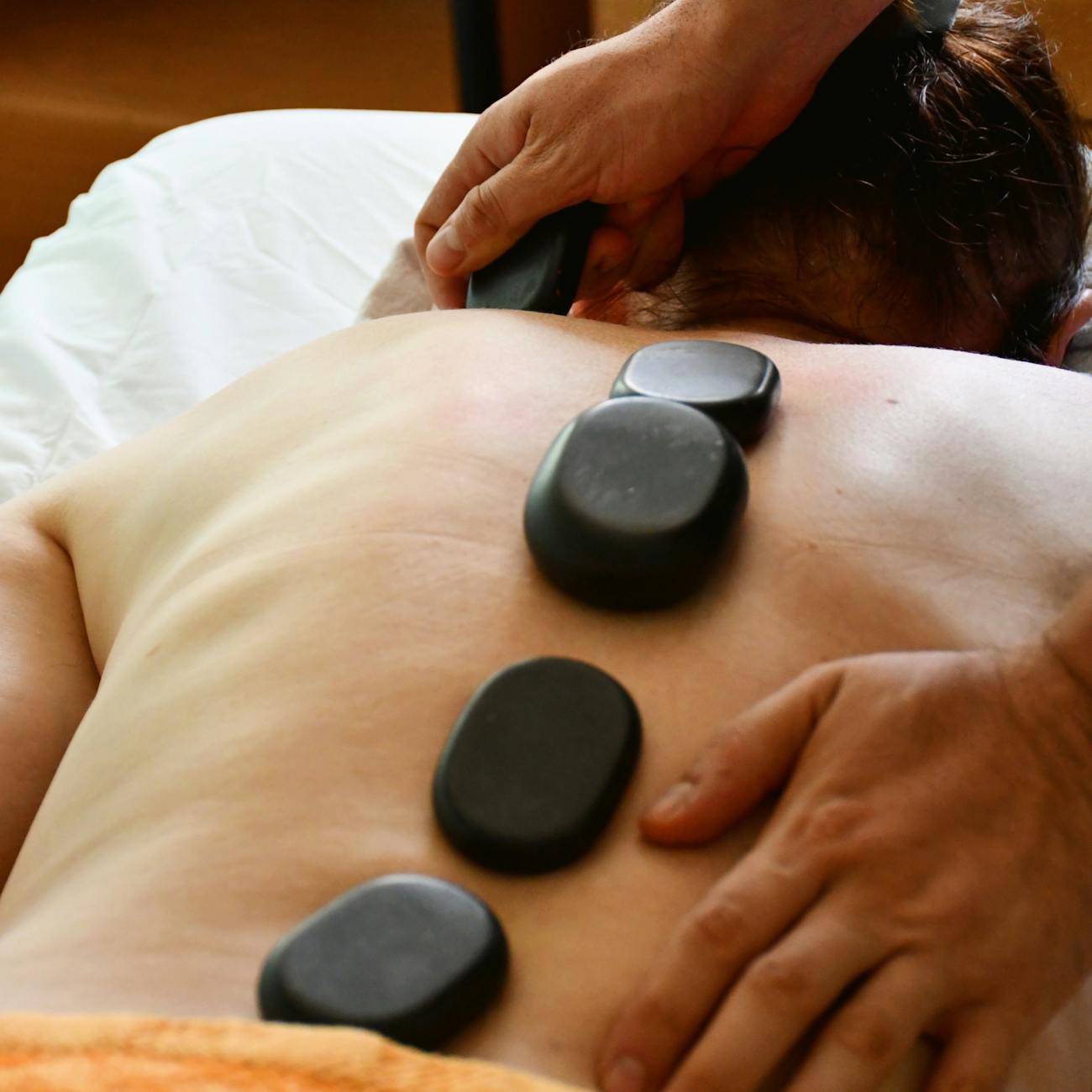
Spa Product Knowledge is a crucial component of the Certificate in Spa Management Fundamentals. This knowledge encompasses an understanding of the various products used in spas, their ingredients, benefits, and applications. Here are some key terms and vocabulary related to Spa Product Knowledge:
1. Skin Types: Skin types refer to the different categories of skin, based on their characteristics. The three main skin types are normal, oily, and dry. Normal skin is well-balanced, with little to no blemishes or visible pores. Oily skin has enlarged pores and is prone to acne and blackheads. Dry skin lacks oil and feels tight and flaky. 2. Skin Conditions: Skin conditions refer to temporary or permanent changes in the skin, such as sensitivity, aging, and hyperpigmentation. Sensitive skin reacts easily to products and environmental factors, while aging skin shows signs of wrinkles and fine lines. Hyperpigmentation is the darkening of the skin in certain areas. 3. Ingredients: Ingredients are the components that make up a skincare product. Common ingredients in spa products include vitamins, minerals, antioxidants, and essential oils. Vitamins, such as A, C, and E, provide nourishment and protection for the skin. Minerals, such as magnesium and calcium, help to improve the skin's texture and tone. Antioxidants, such as green tea and resveratrol, protect the skin from damage caused by free radicals. Essential oils, such as lavender and eucalyptus, provide aromatherapy benefits and can help to soothe and relax the mind. 4. Product Categories: Product categories refer to the different types of skincare products available. These include cleansers, toners, moisturizers, serums, and exfoliants. Cleansers remove dirt, oil, and makeup from the skin. Toners balance the skin's pH levels and prepare it for moisturizers. Moisturizers hydrate and protect the skin, while serums provide targeted benefits for specific skin concerns. Exfoliants remove dead skin cells and promote cell turnover. 5. Product Formulations: Product formulations refer to the way in which ingredients are combined and processed to create a skincare product. Different formulations can include gels, creams, lotions, and masks. Gels are lightweight and cooling, making them ideal for oily or acne-prone skin. Creams are rich and hydrating, making them suitable for dry or aging skin. Lotions are lightweight and easily absorbed, making them a popular choice for all skin types. Masks are used to provide a concentrated treatment for the skin, and can be clay-based, cream-based, or sheet masks. 6. Product Application: Product application refers to the way in which skincare products are applied to the skin. Proper application is essential to ensure that products are absorbed effectively and provide maximum benefits. Cleansers should be applied to damp skin and massaged in circular motions. Toners should be applied to a cotton pad and swept across the face. Moisturizers should be applied to damp skin and massaged in upward motions. Serums should be applied to clean, dry skin and pressed gently into the skin. Exfoliants should be applied in circular motions and rinsed off after a few minutes. 7. Product Safety: Product safety refers to the measures taken to ensure that skincare products are safe for use. This includes testing for irritation, allergies, and stability. Products should be stored in a cool, dry place and away from direct sunlight. Expired products should be discarded, as they may no longer be effective or safe for use. 8. Product Trends: Product trends refer to the latest developments and innovations in skincare. Some current trends include natural and organic products, personalized skincare, and CBD-infused products. Natural and organic products are made with ingredients derived from plants and minerals, and are free from synthetic fragrances and harmful chemicals. Personalized skincare involves creating products tailored to an individual's specific skin concerns and needs. CBD-infused products are made with cannabidiol, a non-psychoactive compound found in cannabis, and are said to have anti-inflammatory and calming properties.
Challenge:
1. Identify your skin type and condition. 2. Research three ingredients commonly found in spa products and their benefits. 3. Choose a cleanser, toner, and moisturizer from a reputable spa brand and apply them to your skin according to proper product application techniques. 4. Research product safety guidelines and ensure that your skincare products are stored and used safely. 5. Stay up-to-date with the latest product trends and consider incorporating a new trend into your skincare routine.
By understanding these key terms and concepts related to Spa Product Knowledge, you will be better equipped to make informed decisions about the products you use and how to use them effectively. With proper product knowledge, you can achieve healthier, more radiant skin and enhance your spa experience.
Key takeaways
- This knowledge encompasses an understanding of the various products used in spas, their ingredients, benefits, and applications.
- CBD-infused products are made with cannabidiol, a non-psychoactive compound found in cannabis, and are said to have anti-inflammatory and calming properties.
- Choose a cleanser, toner, and moisturizer from a reputable spa brand and apply them to your skin according to proper product application techniques.
- By understanding these key terms and concepts related to Spa Product Knowledge, you will be better equipped to make informed decisions about the products you use and how to use them effectively.