
Renewable Energy Technology and Systems
Renewable Energy Technology and Systems: Key Terms and Vocabulary
Renewable Energy Technology and Systems: Key Terms and Vocabulary
Renewable energy technologies and systems play a crucial role in addressing the global energy challenge and mitigating the impacts of climate change. This glossary provides detailed explanations of key terms and vocabulary related to renewable energy technology and systems in the context of the Professional Certificate in Renewable Energy Directives.
1. Renewable Energy (RE): Energy obtained from natural resources that can be replenished over time, such as sunlight, wind, geothermal, hydro, and biomass. 2. Photovoltaics (PV): A technology for converting sunlight directly into electricity using solar cells. 3. Solar cell: A device that converts light energy, usually from the sun, directly into electrical energy through the photovoltaic effect. 4. Concentrated Solar Power (CSP): A technology that uses mirrors or lenses to concentrate a large area of sunlight onto a small area, generating heat that is then converted into electricity. 5. Parabolic trough: A type of CSP system that uses parabolic-shaped mirrors to focus sunlight on a tube containing a heat-transfer fluid. 6. Wind energy: Energy harnessed from the wind using wind turbines to generate electricity. 7. Horsepower (hp): A unit of power used in the imperial system, equal to 745.7 watts. 8. Wind turbine: A machine that converts the kinetic energy in the wind into mechanical energy, which can then be used to generate electricity. 9. Rotor: The part of a wind turbine that rotates and is composed of the blades and the hub. 10. Geothermal energy: Energy obtained from the heat within the Earth's crust, which can be harnessed for electricity generation or direct use. 11. Hydrothermal resources: Geothermal resources that contain water or steam, typically found in volcanic areas. 12. Hydropower: Energy harnessed from the movement of water, typically in rivers or from reservoirs, to generate electricity. 13. Penstock: A large pipe that carries water from a reservoir or river to a turbine in a hydropower plant. 14. Biomass energy: Energy obtained from organic materials, such as wood, agricultural waste, or municipal solid waste, that can be burned or converted into fuel. 15. Anaerobic digestion: A process that breaks down organic matter in the absence of oxygen, producing biogas that can be used as a fuel. 16. Energy storage: The capture of energy produced at one time for use at a later time, often used to balance the intermittent nature of renewable energy. 17. Batteries: Devices that store electrical energy and release it as electricity when needed. 18. Pumped hydro storage: A type of energy storage that uses two water reservoirs at different heights, with the energy stored in the form of potential energy. 19. Grid-connected system: A renewable energy system that is connected to the electrical grid, allowing excess electricity to be sold back to the grid. 20. Net metering: A billing arrangement that allows grid-connected renewable energy system owners to receive credit for excess electricity generated and fed back into the grid. 21. Renewable Portfolio Standard (RPS): A policy that requires electric utilities to generate a certain percentage of their electricity from renewable energy sources. 22. Feed-in tariff (FIT): A policy that guarantees renewable energy system owners a fixed price for the electricity they generate and sell back to the grid. 23. Levelized cost of energy (LCOE): The cost of generating electricity from a particular energy source over its lifetime, taking into account capital, operations, maintenance, and fuel costs. 24. Energy efficiency: The use of less energy to perform the same function, often achieved through the adoption of energy-efficient technologies and practices. 25. Demand-side management (DSM): The practice of reducing energy demand during peak periods, often through the use of smart grid technologies and consumer incentives.
Examples and Practical Applications ------------------------------------
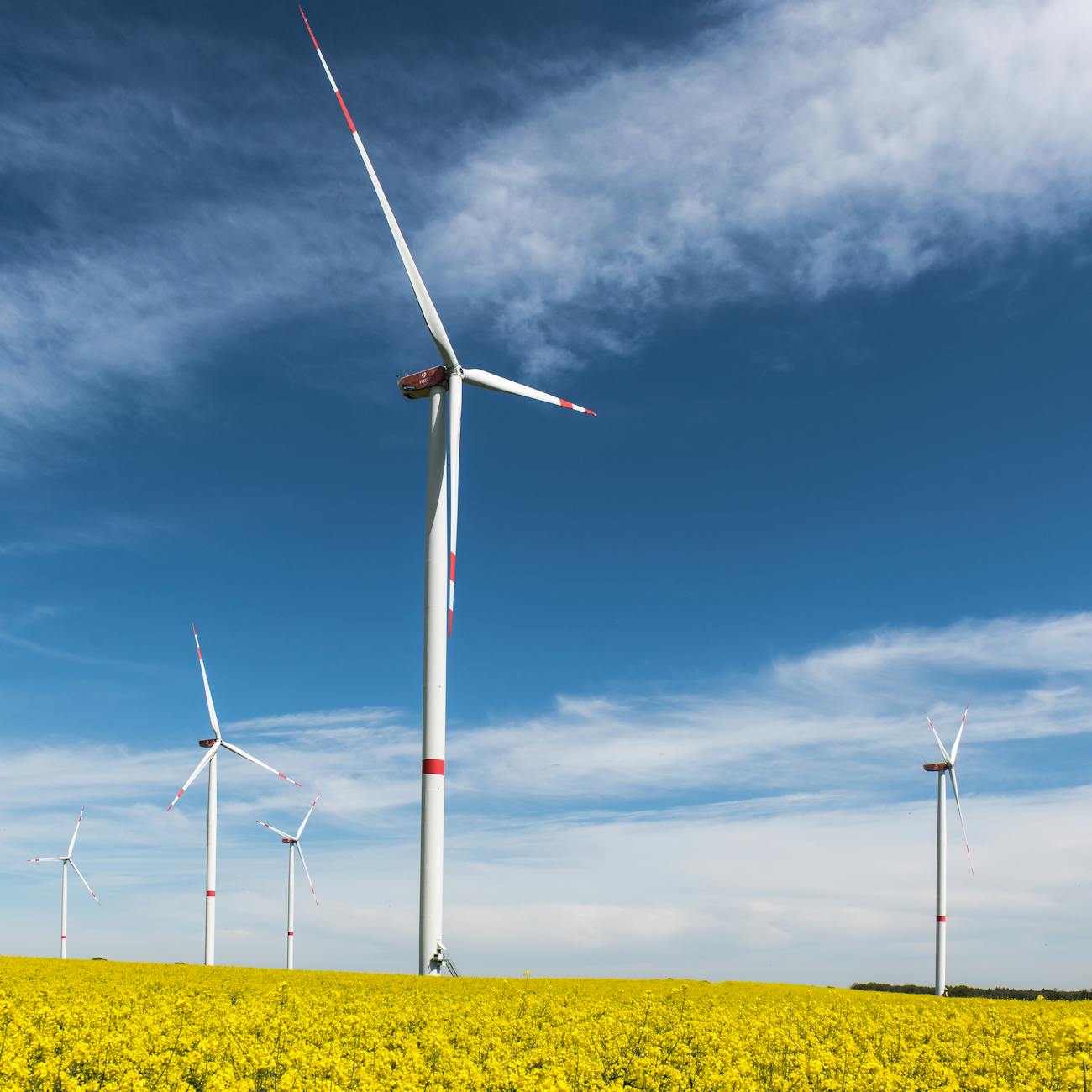
1. A homeowner in a sunny location installs a rooftop photovoltaic system to generate electricity for their home and sell excess electricity back to the grid through net metering. 2. A wind farm in a windy location generates electricity for the grid and sells it to utilities through a feed-in tariff. 3. A hydropower plant in a mountainous region generates electricity for the grid, using a penstock to carry water from a reservoir to a turbine. 4. A geothermal power plant in a volcanic area generates electricity for the grid, using steam from hot rocks deep in the Earth's crust. 5. A biomass power plant in a rural area generates electricity for the grid, using agricultural waste as fuel. 6. A utility company uses pumped hydro storage to balance the intermittent nature of wind and solar power, storing excess electricity during periods of low demand and releasing it during periods of high demand. 7. A commercial building installs a battery system to store excess electricity generated by its rooftop photovoltaic system, reducing its demand for electricity from the grid. 8. A city government implements demand-side management measures, such as time-of-use pricing and smart thermostats, to reduce energy demand during peak periods.
Challenges ----------
1. Integrating variable renewable energy sources, such as wind and solar power, into the electrical grid. 2. Developing cost-effective energy storage technologies to balance the intermittent nature of renewable energy. 3. Overcoming public perceptions and opposition to renewable energy projects, such as wind farms and transmission lines. 4. Developing a skilled workforce to design, install, and maintain renewable energy systems. 5. Addressing the environmental and social impacts of renewable energy projects, such as habitat loss and displacement of local communities. 6. Implementing policies and regulations that support the widespread adoption of renewable energy and energy efficiency.
Conclusion ----------
Understanding the key terms and vocabulary related to renewable energy technology and systems is essential for professionals in the renewable energy industry. This glossary provides a comprehensive overview of the most important terms and concepts, along with examples, practical applications, and challenges. By mastering this vocabulary, professionals can better communicate with colleagues, policymakers, and the public, and contribute to the global transition to a sustainable energy future.
Key takeaways
- This glossary provides detailed explanations of key terms and vocabulary related to renewable energy technology and systems in the context of the Professional Certificate in Renewable Energy Directives.
- Concentrated Solar Power (CSP): A technology that uses mirrors or lenses to concentrate a large area of sunlight onto a small area, generating heat that is then converted into electricity.
- A utility company uses pumped hydro storage to balance the intermittent nature of wind and solar power, storing excess electricity during periods of low demand and releasing it during periods of high demand.
- Addressing the environmental and social impacts of renewable energy projects, such as habitat loss and displacement of local communities.
- By mastering this vocabulary, professionals can better communicate with colleagues, policymakers, and the public, and contribute to the global transition to a sustainable energy future.