
Stress Management and Mindfulness Techniques
Stress Management and Mindfulness Techniques are essential components of the Certified Specialist Programme in Menopause Wellness Coaching. In this explanation, we will explore key terms and vocabulary related to these techniques.
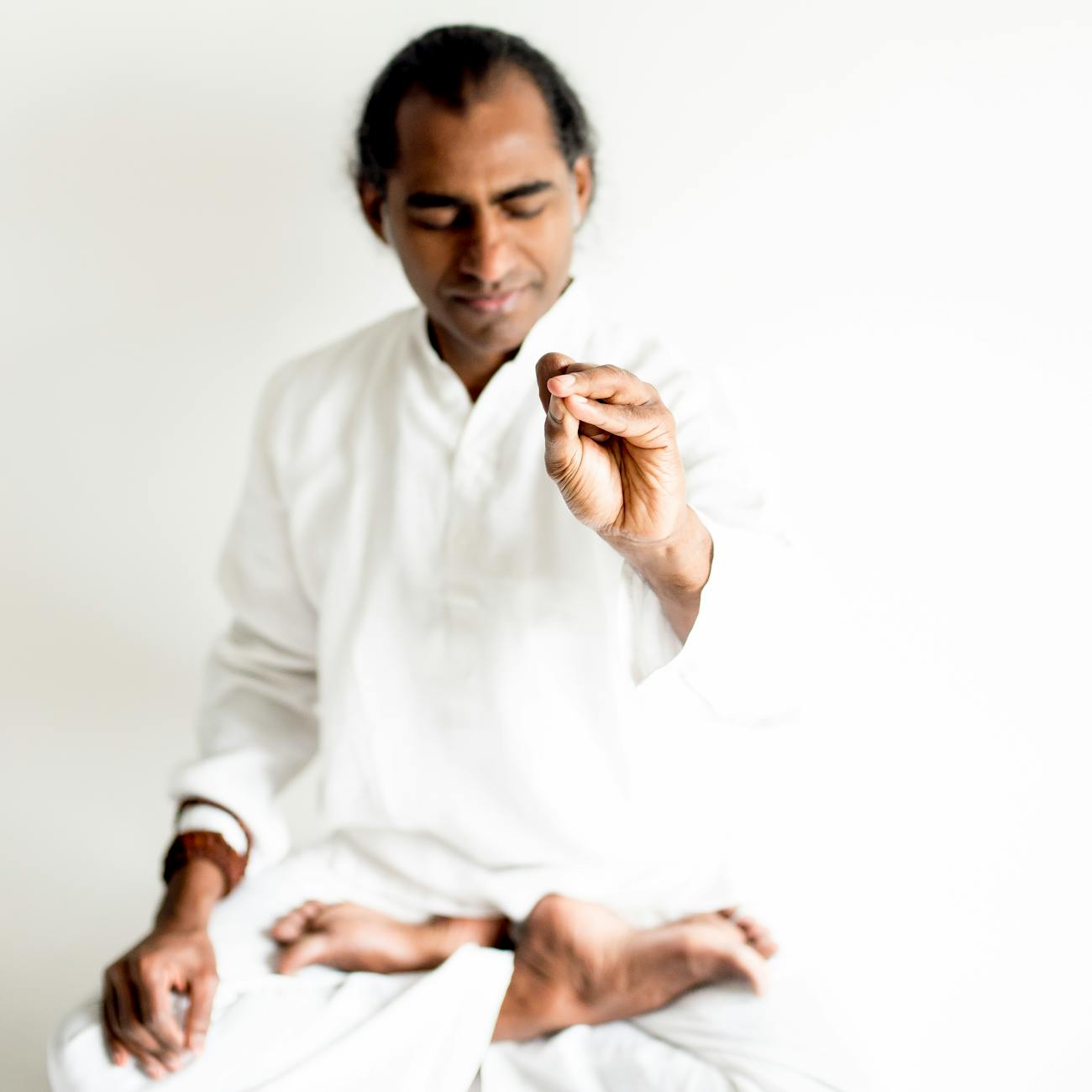
Stress Management and Mindfulness Techniques are essential components of the Certified Specialist Programme in Menopause Wellness Coaching. In this explanation, we will explore key terms and vocabulary related to these techniques.
1. Stress Management: Stress management refers to the various strategies and techniques used to reduce or manage an individual's response to stress. Stress is a normal physical response to challenging or demanding situations, and it can have both positive and negative effects on an individual's health and well-being.
a. Cortisol: Cortisol is a hormone produced by the adrenal glands in response to stress. It helps to regulate metabolism, immune function, and blood pressure. However, chronic stress can lead to consistently high levels of cortisol, which can have negative effects on an individual's health.
b. Stressors: Stressors are the events or situations that cause stress. They can be acute (short-term) or chronic (long-term) and can be physical, emotional, or mental in nature.
c. Coping Mechanisms: Coping mechanisms are the strategies and techniques used to manage stress. They can be adaptive (helping to reduce stress and promote well-being) or maladaptive (increasing stress and having a negative impact on well-being).
d. Relaxation Response: The relaxation response is a state of deep relaxation and rest that can be elicited through various techniques, such as deep breathing, progressive muscle relaxation, and meditation. It helps to reduce stress and promote well-being.
2. Mindfulness Techniques: Mindfulness techniques are a type of stress management strategy that involves focusing one's attention on the present moment in a non-judgmental way. It is a form of meditation that has been shown to have numerous benefits for both physical and mental health.
a. Mindfulness: Mindfulness is the practice of paying attention to the present moment in a non-judgmental way. It involves focusing one's attention on the senses, thoughts, and emotions without getting caught up in them.
b. Meditation: Meditation is a practice of focusing the mind on a particular object, thought, or activity to train attention and awareness, and achieve a mentally clear and emotionally calm and stable state.
c. Mindful Breathing: Mindful breathing is a technique that involves focusing one's attention on the breath, observing each inhale and exhale without trying to control the breath.
d. Body Scan: A body scan is a technique that involves focusing one's attention on different parts of the body, noticing any sensations, tension, or discomfort, and releasing it.
3. Practical Applications and Challenges:
a. Practical Applications: Stress management and mindfulness techniques can be applied in various ways, such as:
* Deep breathing exercises before bedtime to promote better sleep. * Progressive muscle relaxation during breaks at work to reduce tension and stress. * Mindful eating to promote a healthier relationship with food. * Mindful movement, such as yoga or tai chi, to improve flexibility and reduce stress.
b. Challenges:
* Time constraints: Finding time to practice stress management and mindfulness techniques can be challenging, especially for those with busy schedules. * Lack of motivation: Staying motivated to practice these techniques consistently can be difficult, especially in the beginning. * Distractions: External distractions, such as noise or interruptions, and internal distractions, such as thoughts and emotions, can make it challenging to stay focused during practice.
In conclusion, stress management and mindfulness techniques are essential components of the Certified Specialist Programme in Menopause Wellness Coaching. Understanding key terms and vocabulary related to these techniques can help coaches to better support their clients in managing stress and promoting well-being. Through the application of various techniques, such as deep breathing, meditation, and body scan, coaches can help their clients to reduce stress, improve sleep, and promote a healthier relationship with food and movement. However, challenges such as time constraints, lack of motivation, and distractions can make it difficult to practice these techniques consistently. Therefore, it's essential to find ways to overcome these challenges and make stress management and mindfulness techniques a regular part of one's daily routine.
Key takeaways
- Stress Management and Mindfulness Techniques are essential components of the Certified Specialist Programme in Menopause Wellness Coaching.
- Stress is a normal physical response to challenging or demanding situations, and it can have both positive and negative effects on an individual's health and well-being.
- However, chronic stress can lead to consistently high levels of cortisol, which can have negative effects on an individual's health.
- They can be acute (short-term) or chronic (long-term) and can be physical, emotional, or mental in nature.
- They can be adaptive (helping to reduce stress and promote well-being) or maladaptive (increasing stress and having a negative impact on well-being).
- Relaxation Response: The relaxation response is a state of deep relaxation and rest that can be elicited through various techniques, such as deep breathing, progressive muscle relaxation, and meditation.
- Mindfulness Techniques: Mindfulness techniques are a type of stress management strategy that involves focusing one's attention on the present moment in a non-judgmental way.