
Introduction to Golf Course Grounds Keeping
In this explanation, we will cover key terms and vocabulary related to Introduction to Golf Course Grounds Keeping in the Certificate in Golf Course Grounds Keeping.
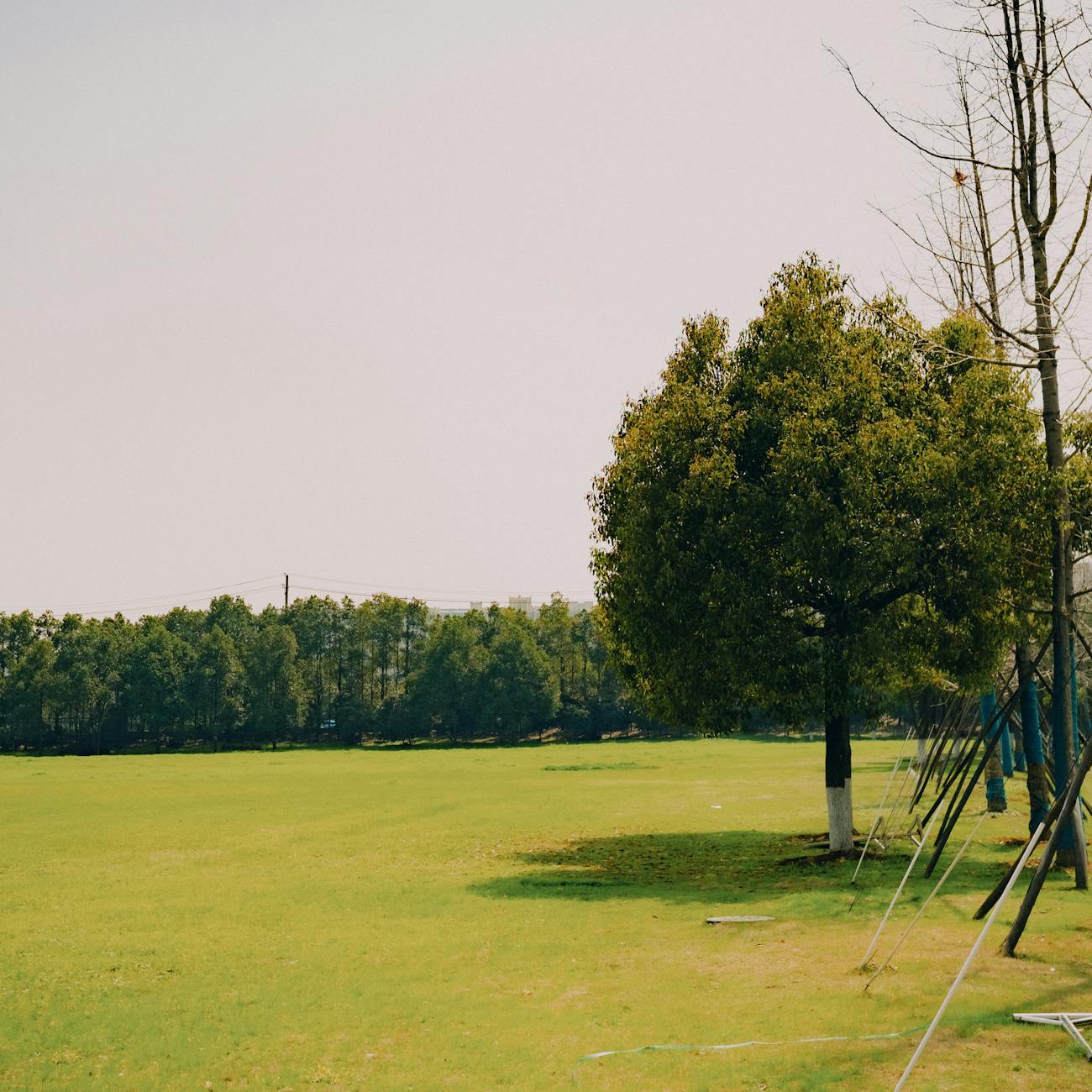
In this explanation, we will cover key terms and vocabulary related to Introduction to Golf Course Grounds Keeping in the Certificate in Golf Course Grounds Keeping.
Golf Course: A golf course is a planned outdoor area with a series of holes, each featuring a teeing ground, a fairway, the rough, and other hazards, which together make up the golf hole.
Greens: Greens are the closely mown area surrounding the hole. They are typically made up of fine-bladed grasses, such as bentgrass or Poa annua, and are designed to provide a smooth, fast surface for putting.
Tees: Tees are the starting point for each hole, usually consisting of a small mound of grass with a flat, level surface for hitting the ball. They are typically made up of coarser grasses than greens and are designed to provide a firm, level surface for tee shots.
Fairways: Fairways are the area between the tee and the green, typically consisting of closely mown grass. They are designed to provide a clear line of sight for the golfer, as well as a smooth, consistent surface for shots.
Rough: The rough is the area surrounding the fairway, typically consisting of taller, coarser grasses. It is designed to provide a challenging obstacle for the golfer and to help protect the course from excessive wear and tear.
Hazards: Hazards are obstacles on the golf course that are designed to make the game more challenging. They can include water hazards, such as ponds or streams, and bunkers, which are sand-filled depressions.
Mowing Patterns: Mowing patterns refer to the direction and pattern in which the grass on the golf course is cut. Different patterns can be used to create visual interest and to influence the way the ball rolls on the green.
Aeration: Aeration is the process of mechanically removing small cores of soil and grass from the golf course to improve air and water movement in the soil. This helps to promote healthy root growth and to reduce compaction.
Topdressing: Topdressing is the process of applying a thin layer of sand or other material to the surface of the golf course. This helps to smooth out the surface, improve drainage, and promote healthy grass growth.
Fertilization: Fertilization is the process of applying nutrients to the golf course to promote healthy grass growth. This can be done through the use of granular or liquid fertilizers, which are applied to the surface of the course or injected into the soil.
Irrigation: Irrigation is the process of supplying water to the golf course to keep the grass healthy and to maintain playing conditions. This can be done through the use of sprinklers, drip irrigation, or other methods.
Pest Management: Pest management is the process of controlling weeds, insects, and other pests on the golf course. This can be done through the use of cultural, mechanical, or chemical methods.
Cultural Practices: Cultural practices are methods used to maintain the health and playability of the golf course. These can include mowing, aeration, topdressing, and fertilization.
Mechanical Practices: Mechanical practices are methods used to maintain the golf course that involve the use of machinery. These can include mowing, aeration, and topdressing.
Chemical Practices: Chemical practices are methods used to maintain the golf course that involve the use of chemicals. These can include fertilization, pest management, and the application of growth regulators.
Integrated Pest Management (IPM): Integrated Pest Management (IPM) is an approach to pest management that uses a combination of cultural, mechanical, and chemical methods to control pests on the golf course.
Soil Testing: Soil testing is the process of analyzing soil samples to determine the nutrient levels and pH of the soil. This information is used to determine the appropriate fertilization program for the golf course.
Drainage: Drainage is the process of removing excess water from the golf course. This can be done through the use of underground pipes, surface drains, or other methods.
Golf Course Maintenance Equipment: Golf course maintenance equipment includes the machinery and tools used to maintain the golf course. This can include mowers, aerators, topdressers, and other specialized equipment.
Environmental Stewardship: Environmental stewardship is the practice of managing the golf course in a way that is sustainable and environmentally responsible. This can include the use of integrated pest management, water conservation, and the promotion of native plants and wildlife.
Examples:
* A golf course superintendent may use a variety of mowing patterns, such as striping or checkerboard patterns, to create visual interest on the course. * Aeration and topdressing can help to improve the health of the greens, resulting in smoother, faster putting surfaces. * Proper irrigation can help to maintain consistent playing conditions, even during periods of drought.
Practical Applications:
* Understanding the different types of grasses used on the golf course can help the superintendent to make informed decisions about mowing patterns and cultural practices. * Proper fertilization and pest management can help to maintain healthy, consistent playing conditions on the course. * Effective drainage is essential for maintaining playing conditions during periods of heavy rain.
Challenges:
* Maintaining consistent playing conditions can be challenging, particularly during periods of extreme weather. * Balancing environmental stewardship with the need to maintain playing conditions can be a challenge. * Staying up-to-date with the latest research and technology in golf course grounds keeping can be time-consuming and expensive.
In conclusion, Introduction to Golf Course Grounds Keeping in the Certificate in Golf Course Grounds Keeping covers various key terms and vocabulary related to the maintenance and management of a golf course. Understanding these terms is essential for anyone involved in the golf course industry, whether as a superintendent, equipment operator, or other staff member. By staying up-to-date with the latest research and technology, and by implementing best practices for maintenance and management, golf course superintendents can help to ensure that their courses remain healthy, beautiful, and enjoyable for golfers of all skill levels.
Key takeaways
- In this explanation, we will cover key terms and vocabulary related to Introduction to Golf Course Grounds Keeping in the Certificate in Golf Course Grounds Keeping.
- Golf Course: A golf course is a planned outdoor area with a series of holes, each featuring a teeing ground, a fairway, the rough, and other hazards, which together make up the golf hole.
- They are typically made up of fine-bladed grasses, such as bentgrass or Poa annua, and are designed to provide a smooth, fast surface for putting.
- Tees: Tees are the starting point for each hole, usually consisting of a small mound of grass with a flat, level surface for hitting the ball.
- They are designed to provide a clear line of sight for the golfer, as well as a smooth, consistent surface for shots.
- It is designed to provide a challenging obstacle for the golfer and to help protect the course from excessive wear and tear.
- Hazards: Hazards are obstacles on the golf course that are designed to make the game more challenging.