
Supporting Children with Special Needs
Supporting Children with Special Needs is a critical area of focus for parenting coaches. This section of the Global Certificate in Parenting Coaching covers key terms and vocabulary related to special needs, including various types of spec…
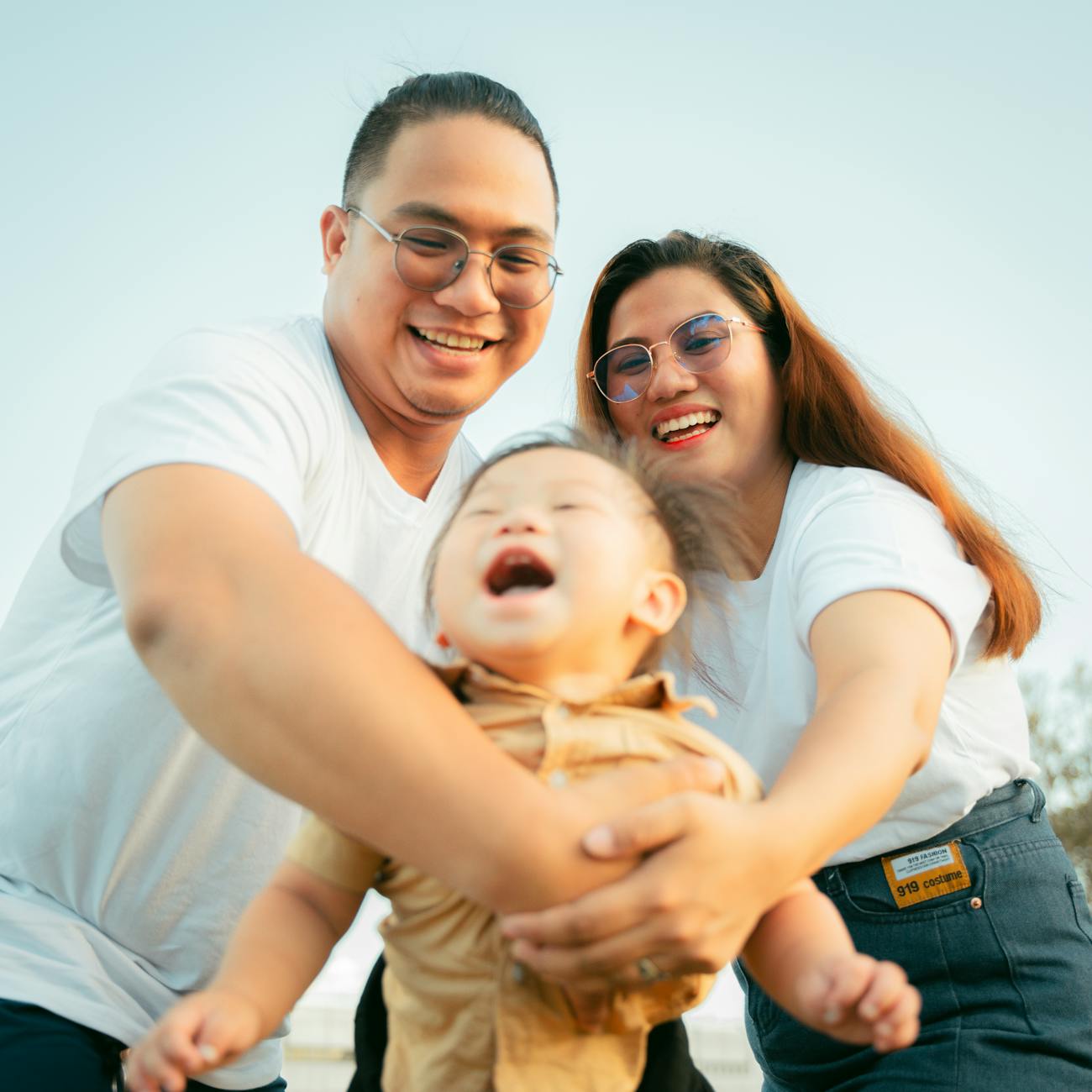
Supporting Children with Special Needs is a critical area of focus for parenting coaches. This section of the Global Certificate in Parenting Coaching covers key terms and vocabulary related to special needs, including various types of special needs, assessment and diagnosis, interventions and therapies, and inclusive practices.
Special Needs: Special needs refer to any significant learning, physical, emotional, or behavioral disability that requires special education, therapy, or supportive services. Special needs can vary in severity and type, and may include intellectual disabilities, learning disabilities, autism spectrum disorder, attention deficit hyperactivity disorder (ADHD), physical disabilities, sensory impairments, and mental health disorders.
Assessment and Diagnosis: Assessment and diagnosis are critical components of supporting children with special needs. Assessment involves gathering information about a child's development, abilities, and needs through various methods, such as interviews, observations, and testing. Diagnosis involves identifying a specific special need or disability based on the assessment results. Accurate assessment and diagnosis are essential for developing effective intervention strategies and ensuring that children receive the appropriate services and supports.
Interventions and Therapies: Interventions and therapies refer to the various strategies and techniques used to address a child's special needs. Interventions may include specialized instruction, behavior modification, social skills training, speech and language therapy, occupational therapy, physical therapy, and assistive technology. The specific interventions and therapies used will depend on the child's individual needs and the type of special need or disability.
Inclusive Practices: Inclusive practices refer to the strategies and approaches used to ensure that children with special needs are fully included and participating in all aspects of school and community life. Inclusive practices may include universal design for learning, differentiated instruction, co-teaching, peer mentoring, and positive behavior supports. Inclusive practices aim to create a welcoming and supportive environment that promotes social inclusion, academic success, and personal growth for all children.
Individualized Education Program (IEP): An Individualized Education Program (IEP) is a written plan that outlines the special education and related services that a child with special needs will receive. The IEP is developed by a team of educators, parents, and other professionals and is tailored to the child's individual needs and goals. The IEP includes information about the child's present levels of performance, annual goals, special education and related services, accommodations and modifications, and progress monitoring.
Least Restrictive Environment (LRE): The Least Restrictive Environment (LRE) is a legal requirement that ensures that children with special needs are educated in the most inclusive environment possible, based on their individual needs. The LRE principle requires that children with special needs be educated with their non-disabled peers to the maximum extent appropriate. The LRE may vary for each child, depending on their needs and abilities.
Assistive Technology: Assistive technology refers to any device, software, or tool that helps a child with special needs to participate in school and community activities. Assistive technology may include communication devices, adaptive keyboards, text-to-speech software, and mobility aids. Assistive technology is designed to help children with special needs to access the curriculum, communicate effectively, and participate in activities with their peers.
Universal Design for Learning (UDL): Universal Design for Learning (UDL) is a framework for designing instruction that is accessible and engaging for all learners, including those with special needs. UDL involves designing instruction that is flexible, adaptable, and customizable to meet the needs of individual learners. UDL incorporates multiple means of representation, expression, and engagement, allowing all students to access the curriculum and demonstrate their learning in a variety of ways.
Differentiated Instruction: Differentiated instruction refers to the practice of tailoring instruction to meet the individual needs and abilities of each student. Differentiated instruction may involve adjusting the content, process, or product of learning, based on the student's readiness, interest, and learning profile. Differentiated instruction is an essential strategy for supporting students with special needs, as it allows for individualized attention and support.
Co-Teaching: Co-teaching is a collaborative teaching approach that involves two or more teachers working together to instruct a diverse group of students, including those with special needs. Co-teaching may involve team teaching, parallel teaching, alternative teaching, or station teaching. Co-teaching allows for increased instructional expertise, more individualized attention, and improved classroom dynamics.
Peer Mentoring: Peer mentoring is a supportive strategy that involves pairing a student with special needs with a non-disabled peer mentor. Peer mentoring may involve academic support, social skills training, or behavior modification. Peer mentoring promotes social inclusion, builds self-esteem, and improves academic outcomes for both the student with special needs and the peer mentor.
Positive Behavior Supports (PBS): Positive Behavior Supports (PBS) is a proactive and preventative approach to addressing challenging behaviors in children with special needs. PBS involves identifying the underlying causes of challenging behaviors, teaching alternative behaviors, and providing positive reinforcement for desired behaviors. PBS is designed to improve social, emotional, and behavioral outcomes for children with special needs.
Supporting Children with Special Needs is a critical area of focus for parenting coaches. Understanding the key terms and vocabulary related to special needs, assessment and diagnosis, interventions and therapies, and inclusive practices is essential for providing effective coaching and support to parents and caregivers. By promoting inclusive practices, differentiated instruction, and positive behavior supports, parenting coaches can help to create a welcoming and supportive environment that promotes social inclusion, academic success, and personal growth for all children.
As a parenting coach, it is essential to stay up-to-date on the latest research and best practices related to supporting children with special needs. This may involve attending workshops and conferences, reading professional literature, and networking with other professionals in the field. By continuously learning and growing, parenting coaches can provide the most effective coaching and support to parents and caregivers of children with special needs.
In addition to staying up-to-date on the latest research and best practices, parenting coaches must also be sensitive to the unique needs and experiences of families raising children with special needs. This may involve providing emotional support, connecting families with resources and services, and advocating for the rights and needs of children with special needs. Parenting coaches must be compassionate, empathetic, and non-judgmental, creating a safe and supportive space for parents to share their experiences, ask questions, and seek guidance.
Parenting coaches must also be aware of the cultural and linguistic diversity of the families they serve. This may involve providing culturally and linguistically responsive services, incorporating diverse perspectives and experiences into coaching and support, and connecting families with resources and services that are culturally and linguistically appropriate. By being culturally responsive and inclusive, parenting coaches can help to ensure that all families have access to the support and resources they need to raise happy, healthy, and successful children with special needs.
In conclusion, Supporting Children with Special Needs is a critical area of focus for parenting coaches. Understanding the key terms and vocabulary related to special needs, assessment and diagnosis, interventions and therapies, and inclusive practices is essential for providing effective coaching and support to parents and caregivers. By promoting inclusive practices, differentiated instruction, and positive behavior supports, parenting coaches can help to create a welcoming and supportive environment that promotes social inclusion, academic success, and personal growth for all children. As parenting coaches, it is essential to stay up-to-date on the latest research and best practices, be sensitive to the unique needs and experiences of families raising children with special needs, and be culturally responsive and inclusive in our coaching and support.
Key takeaways
- This section of the Global Certificate in Parenting Coaching covers key terms and vocabulary related to special needs, including various types of special needs, assessment and diagnosis, interventions and therapies, and inclusive practices.
- Special Needs: Special needs refer to any significant learning, physical, emotional, or behavioral disability that requires special education, therapy, or supportive services.
- Accurate assessment and diagnosis are essential for developing effective intervention strategies and ensuring that children receive the appropriate services and supports.
- Interventions may include specialized instruction, behavior modification, social skills training, speech and language therapy, occupational therapy, physical therapy, and assistive technology.
- Inclusive Practices: Inclusive practices refer to the strategies and approaches used to ensure that children with special needs are fully included and participating in all aspects of school and community life.
- Individualized Education Program (IEP): An Individualized Education Program (IEP) is a written plan that outlines the special education and related services that a child with special needs will receive.
- The LRE principle requires that children with special needs be educated with their non-disabled peers to the maximum extent appropriate.