
Introduction to Agro-Commodity Trading
Agro-commodity trading is the buying and selling of agricultural products such as grains, oilseeds, sugar, coffee, and cattle. In this course, you will learn about the key terms and vocabulary used in agro-commodity trading.
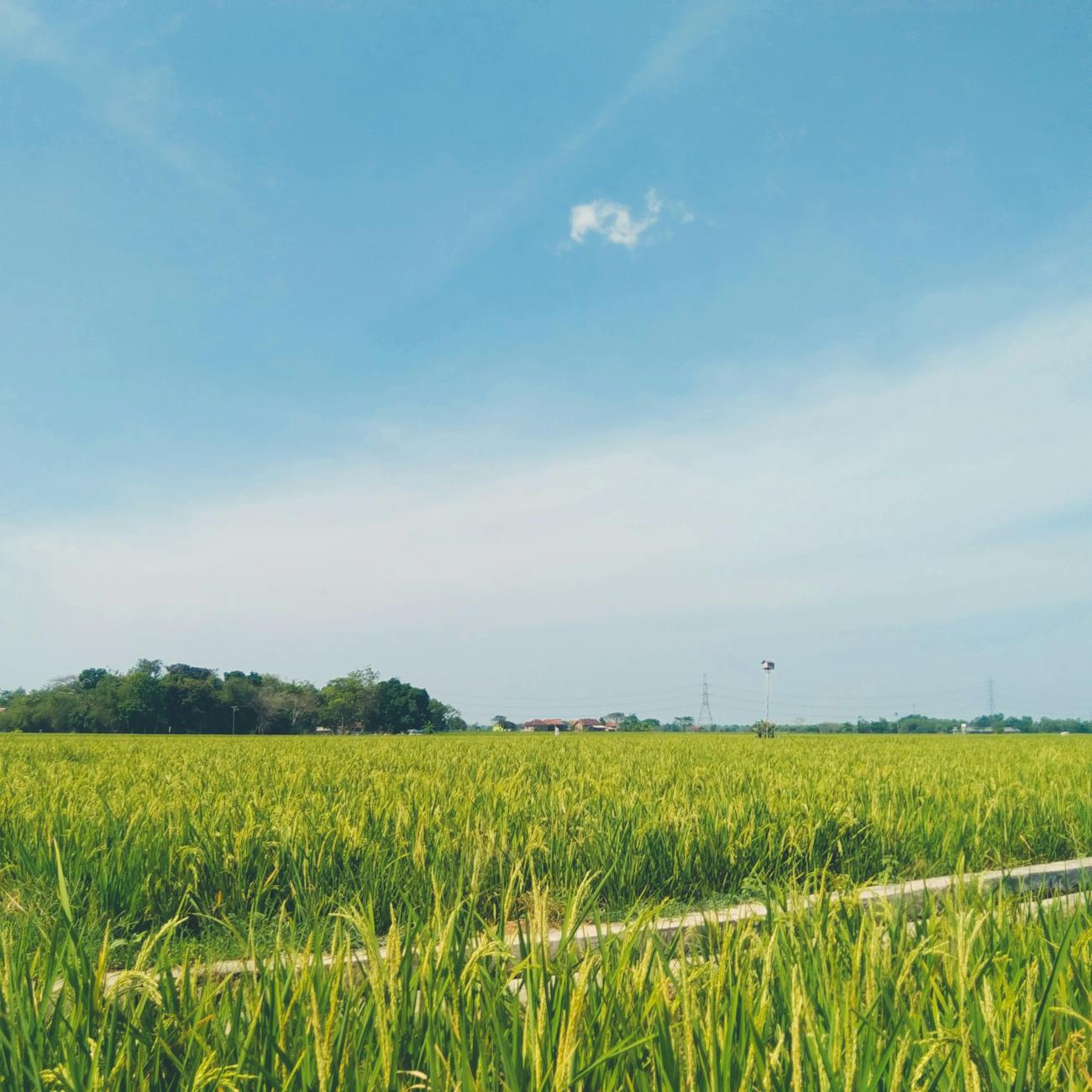
Agro-commodity trading is the buying and selling of agricultural products such as grains, oilseeds, sugar, coffee, and cattle. In this course, you will learn about the key terms and vocabulary used in agro-commodity trading.
Agro-commodity: An agricultural product that is traded on commodity markets. Agro-commodities can be divided into two categories: soft commodities, such as grains and oilseeds, and hard commodities, such as sugar and coffee.
Commodity market: A market where buyers and sellers come together to trade agro-commodities. Commodity markets can be physical, where the actual commodity is traded, or financial, where futures and options contracts are bought and sold.
Futures contract: A legal agreement to buy or sell a specific amount of a commodity at a predetermined price and date in the future. Futures contracts are used by traders to hedge against price fluctuations or to speculate on price movements.
Options contract: A legal agreement that gives the buyer the right, but not the obligation, to buy or sell a specific amount of a commodity at a predetermined price and date in the future. Options contracts are used by traders to hedge against price fluctuations or to speculate on price movements.
Basis: The difference between the spot price of a commodity and the price of a futures contract for the same commodity. The basis can be positive or negative, depending on whether the futures price is higher or lower than the spot price.
Spot price: The current market price for a commodity that is available for immediate delivery.
Hedging: A risk management strategy used by traders to protect against price fluctuations in a commodity. Hedging is done by taking an opposite position in the futures market to offset the risk of price changes in the physical market.
Speculation: The act of buying or selling a commodity in the hope of making a profit from price fluctuations. Speculators do not have a physical interest in the commodity and are not hedging against price risks.
Arbitrage: The simultaneous purchase and sale of a commodity in different markets to take advantage of price discrepancies.
Expiration date: The date on which a futures or options contract expires and must be settled.
Initial margin: The amount of money that must be deposited by a trader when entering into a futures or options contract.
Maintenance margin: The minimum amount of money that must be maintained in a trader's account to keep a futures or options contract open.
Mark-to-market: The process of adjusting the value of a futures or options contract based on changes in the price of the underlying commodity.
Delivery: The physical transfer of a commodity from the seller to the buyer at the end of a futures contract.
Exchange for physical (EFP): A transaction in which a futures contract is settled by the exchange of the physical commodity rather than a cash payment.
Swap: A financial instrument that allows two parties to exchange cash flows based on the price of a commodity.
Crush spread: A trading strategy used in the soybean market, where a trader buys futures contracts for soybeans and sells contracts for soybean oil and soybean meal.
Carry trade: A trading strategy used in the commodity markets, where a trader borrows money at a low interest rate and invests it in a commodity futures contract with a higher interest rate.
Contango: A market situation in which the futures price of a commodity is higher than the spot price.
Backwardation: A market situation in which the futures price of a commodity is lower than the spot price.
Open interest: The total number of outstanding futures or options contracts for a particular commodity.
Volume: The number of futures or options contracts traded during a specific period.
Open outcry: A system of verbal bidding and offering used in commodity markets to establish prices and execute trades.
Electronic trading: A system of trading commodity contracts through electronic platforms.
Position limit: The maximum number of futures or options contracts that a trader is allowed to hold in a particular commodity.
Margin call: A request for a trader to deposit additional money into their account to maintain their positions in futures or options contracts.
Settlement: The process of transferring funds or physical commodities to settle a futures or options contract.
Commodity Futures Trading Commission (CFTC): The US government agency that regulates commodity markets and protects market participants from fraud and manipulation.
National Futures Association (NFA): The self-regulatory organization for the US futures industry, responsible for enforcing rules and regulations and ensuring the integrity of the markets.
In summary, the key terms and vocabulary used in agro-commodity trading include agro-commodity, commodity market, futures contract, options contract, basis, spot price, hedging, speculation, arbitrage, expiration date, initial margin, maintenance margin, mark-to-market, delivery, exchange for physical (EFP), swap, crush spread, carry trade, contango, backwardation, open interest, volume, open outcry, electronic trading, position limit, margin call, settlement, Commodity Futures Trading Commission (CFTC), and National Futures Association (NFA). Understanding these terms is crucial for success in agro-commodity trading, as it enables traders to effectively manage risk, analyze market conditions, and execute trades.
Challenge: Identify and explain five key terms from the list above.
Answer:
1. Agro-commodity: An agricultural product that is traded on commodity markets, such as grains, oilseeds, sugar, coffee, and cattle. 2. Futures contract: A legal agreement to buy or sell a specific amount of a commodity at a predetermined price and date in the future. 3. Hedging: A risk management strategy used by traders to protect against price fluctuations in a commodity. 4. Basis: The difference between the spot price of a commodity and the price of a futures contract for the same commodity. 5. Contango: A market situation in which the futures price of a commodity is higher than the spot price.
Key takeaways
- Agro-commodity trading is the buying and selling of agricultural products such as grains, oilseeds, sugar, coffee, and cattle.
- Agro-commodities can be divided into two categories: soft commodities, such as grains and oilseeds, and hard commodities, such as sugar and coffee.
- Commodity markets can be physical, where the actual commodity is traded, or financial, where futures and options contracts are bought and sold.
- Futures contract: A legal agreement to buy or sell a specific amount of a commodity at a predetermined price and date in the future.
- Options contract: A legal agreement that gives the buyer the right, but not the obligation, to buy or sell a specific amount of a commodity at a predetermined price and date in the future.
- Basis: The difference between the spot price of a commodity and the price of a futures contract for the same commodity.
- Spot price: The current market price for a commodity that is available for immediate delivery.