
Basic Rabbit Husbandry and Handling
Rabbit husbandry and handling are crucial aspects of working as a rabbit veterinary assistant. In this explanation, we will cover key terms and vocabulary related to basic rabbit husbandry and handling in the context of the Professional Cer…
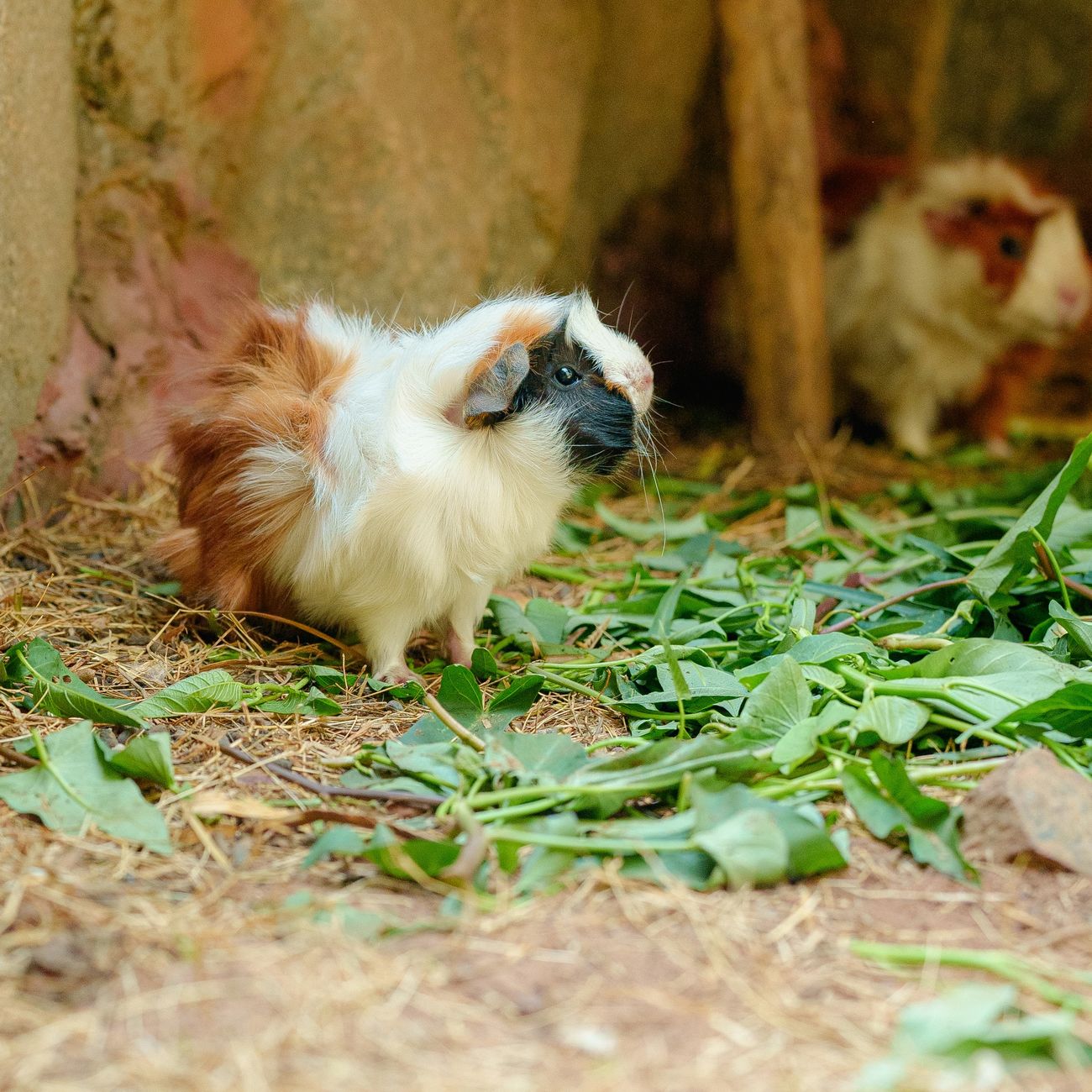
Rabbit husbandry and handling are crucial aspects of working as a rabbit veterinary assistant. In this explanation, we will cover key terms and vocabulary related to basic rabbit husbandry and handling in the context of the Professional Certificate in Rabbit Veterinary Assistance.
Rabbit: A mammal belonging to the family Leporidae, which also includes hares. Rabbits are smaller than hares and have shorter ears. They are often kept as pets and are used for meat and fur production.
Husbandry: The care and management of domestic animals, including housing, feeding, and breeding. Proper rabbit husbandry is essential for maintaining the health and well-being of rabbits.
Handling: The act of physically holding and moving rabbits. Proper handling techniques are important for reducing stress in rabbits and preventing injury to both the rabbit and the handler.
Cage: A housing unit for rabbits. Cages should be large enough to allow rabbits to move around freely and should include a hiding place for the rabbit to retreat to.
Litter box: A container filled with litter that rabbits can use as a bathroom. Litter box training is an important aspect of rabbit husbandry, as it can help reduce the amount of cage cleaning required.
Diet: The food and water provided to rabbits. A proper diet is essential for maintaining the health of rabbits. Rabbits should be fed a diet consisting of hay, vegetables, and a small amount of pellets.
Hay: A type of grass that is an essential part of a rabbit's diet. Hay should make up the majority of a rabbit's diet, as it is a good source of fiber and helps keep a rabbit's teeth worn down.
Vegetables: Fresh vegetables should be included in a rabbit's diet as they provide important vitamins and minerals. Dark leafy greens, such as kale and spinach, are particularly beneficial.
Pellets: A commercially prepared food for rabbits that is typically made from a combination of grains, vegetables, and minerals. Pellets should only make up a small portion of a rabbit's diet.
Water: Fresh water should always be available to rabbits. Rabbits can become dehydrated quickly, so it is important to check their water bottles or bowls regularly to ensure they are full.
Spay/Neuter: Surgical procedures that render rabbits unable to reproduce. Spaying (removing the ovaries) or neutering (removing the testicles) can have health benefits for rabbits, such as reducing the risk of reproductive cancers.
Grooming: The act of brushing and cleaning a rabbit's fur. Rabbits groom themselves, but they may also require assistance from their owners to ensure their fur is clean and tangle-free.
Nail trimming: The act of trimming a rabbit's nails to prevent them from becoming overgrown. Rabbits' nails can grow quickly and can curl around and grow into their paws if not trimmed regularly.
Veterinary care: The medical care provided to rabbits by a veterinarian. Regular veterinary check-ups and vaccinations are important for maintaining the health of rabbits.
Examination table: A table or surface where rabbits can be examined by a veterinarian. The table should be stable and have a non-slip surface to prevent the rabbit from sliding around.
Restraint: The act of holding a rabbit in a specific position for examination or treatment. Proper restraint techniques are important for reducing stress in rabbits and preventing injury to both the rabbit and the handler.
Syringe: A device used to administer medication or fluids to rabbits. Syringes are available in various sizes and can be used to give oral or injectable medications.
Scales: A device used to weigh rabbits. Regular weighing is important for monitoring the health of rabbits and ensuring they are maintaining a healthy weight.
Thermometer: A device used to measure a rabbit's temperature. Normal body temperature for rabbits is between 101 and 103 degrees Fahrenheit.
Stethoscope: A device used to listen to a rabbit's heart and lungs. A stethoscope can help a veterinarian detect signs of illness or disease.
Otoscope: A device used to examine a rabbit's ears. An otoscope can help a veterinarian detect signs of ear infections or other ear problems.
Reflex hammer: A device used to test a rabbit's reflexes. A reflex hammer can help a veterinarian detect signs of neurological problems.
In conclusion, understanding the key terms and vocabulary related to basic rabbit husbandry and handling is essential for working as a rabbit veterinary assistant. Proper husbandry and handling techniques can help reduce stress in rabbits, prevent injury, and maintain their overall health and well-being. Familiarizing yourself with the equipment and tools used in rabbit veterinary care can also help you provide the best possible care for your rabbit patients. Remember, always consult with a veterinarian if you have any questions or concerns about the care of rabbits.
Key takeaways
- In this explanation, we will cover key terms and vocabulary related to basic rabbit husbandry and handling in the context of the Professional Certificate in Rabbit Veterinary Assistance.
- Rabbit: A mammal belonging to the family Leporidae, which also includes hares.
- Husbandry: The care and management of domestic animals, including housing, feeding, and breeding.
- Proper handling techniques are important for reducing stress in rabbits and preventing injury to both the rabbit and the handler.
- Cages should be large enough to allow rabbits to move around freely and should include a hiding place for the rabbit to retreat to.
- Litter box training is an important aspect of rabbit husbandry, as it can help reduce the amount of cage cleaning required.
- Rabbits should be fed a diet consisting of hay, vegetables, and a small amount of pellets.