
Integrating Yoga Philosophy with Grief Work
Yoga Philosophy: Yoga philosophy refers to the foundational principles and teachings of yoga that guide practitioners in understanding the purpose of yoga practice beyond the physical postures. It encompasses ancient texts such as the Yoga …
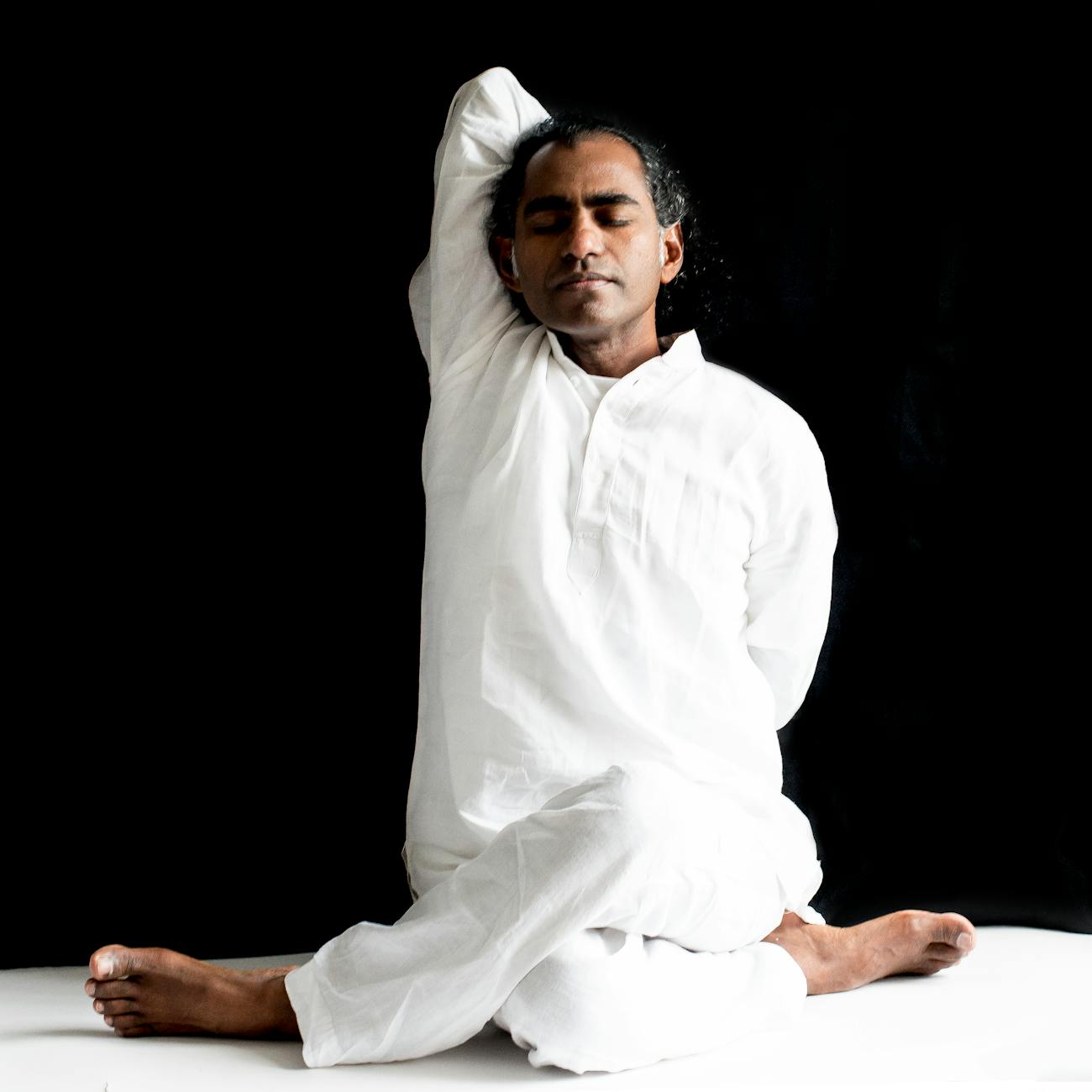
Yoga Philosophy: Yoga philosophy refers to the foundational principles and teachings of yoga that guide practitioners in understanding the purpose of yoga practice beyond the physical postures. It encompasses ancient texts such as the Yoga Sutras of Patanjali, the Bhagavad Gita, and the Hatha Yoga Pradipika, which offer insights into the nature of reality, human consciousness, and the path to spiritual enlightenment.
Grief: Grief is the normal and natural response to loss, whether it be the death of a loved one, the end of a relationship, the loss of a job, or any significant change that disrupts one's sense of normalcy. It is a complex emotional process that involves a range of feelings such as sadness, anger, guilt, and confusion.
Integrating Yoga Philosophy with Grief Work: Integrating yoga philosophy with grief work involves using the teachings and practices of yoga to support individuals in processing their grief and finding healing and transformation. This approach recognizes the interconnectedness of mind, body, and spirit and offers tools to navigate the emotional and psychological challenges of grief.
Advanced Certificate in Yoga for Grief: The Advanced Certificate in Yoga for Grief is a specialized training program that equips yoga teachers and mental health professionals with the knowledge and skills to support individuals experiencing grief through the integration of yoga philosophy and practices. It delves deep into the intersection of yoga and grief and provides practical tools for facilitating healing and growth.
Key Terms and Vocabulary:
1. Samsara: Samsara is the cycle of birth, death, and rebirth in Hindu and Buddhist philosophy. It represents the continuous cycle of existence and the journey of the soul through different lifetimes until it achieves liberation (moksha).
2. Karma: Karma refers to the law of cause and effect in Hindu and Buddhist traditions. It suggests that every action has consequences, whether positive or negative, that influence one's future experiences and circumstances.
3. Dukkha: Dukkha is a Pali term used in Buddhism to describe the universal experience of suffering and dissatisfaction. It highlights the impermanent and unsatisfactory nature of life and the human condition.
4. Anicca: Anicca, also known as impermanence, is a core concept in Buddhist philosophy that emphasizes the transient and ever-changing nature of all phenomena. It teaches practitioners to accept the impermanent nature of life and let go of attachments.
5. Atman: Atman is the individual soul or self in Hindu philosophy. It is believed to be eternal and unchanging, distinct from the physical body and mind, and interconnected with the universal consciousness (Brahman).
6. Prana: Prana is the vital life force or energy that flows through the body, according to yoga and Ayurveda. It is responsible for maintaining physical, mental, and emotional well-being and can be influenced through breathwork, meditation, and yoga practices.
7. Ahimsa: Ahimsa is the principle of non-violence and compassion in yoga philosophy. It encourages practitioners to cultivate kindness, empathy, and respect towards oneself and others, promoting a harmonious and peaceful existence.
8. Satya: Satya, or truthfulness, is one of the yamas (ethical guidelines) in yoga philosophy. It involves being honest, authentic, and transparent in speech and actions, aligning one's thoughts, words, and deeds with integrity.
9. Asteya: Asteya, or non-stealing, is another yama that emphasizes the importance of respecting others' belongings, time, and energy. It encourages practitioners to cultivate a sense of gratitude and contentment with what they have.
10. Svadhyaya: Svadhyaya is the practice of self-study and self-reflection in yoga philosophy. It involves exploring one's thoughts, emotions, beliefs, and behaviors to gain deeper self-awareness and personal growth.
11. Isvara Pranidhana: Isvara Pranidhana, or surrender to a higher power, is a spiritual practice in yoga that involves letting go of ego and control and trusting in a divine or universal intelligence. It encourages practitioners to cultivate faith, humility, and acceptance.
12. Pratyahara: Pratyahara is the withdrawal of the senses in yoga practice, focusing inward and detaching from external distractions. It allows practitioners to deepen their meditation and concentration, cultivating inner peace and self-awareness.
13. Dhyana: Dhyana, or meditation, is a key practice in yoga that involves focusing the mind and cultivating present moment awareness. It helps practitioners quiet the mental chatter, reduce stress, and connect with their inner essence.
14. Samadhi: Samadhi is the state of blissful union with the divine or ultimate reality in yoga philosophy. It represents the highest stage of spiritual realization and self-transcendence, where the individual experiences a profound sense of oneness and wholeness.
15. Vairagya: Vairagya, or detachment, is the practice of letting go of attachments and desires in yoga philosophy. It involves cultivating a sense of non-attachment to outcomes, possessions, and relationships, freeing oneself from suffering and ego identification.
16. Ananda: Ananda is the state of bliss or joy that arises from connecting with one's true nature in yoga philosophy. It represents a deep sense of fulfillment, contentment, and happiness that transcends external circumstances and conditions.
17. Mudra: Mudra is a symbolic hand gesture or body posture used in yoga and meditation to channel energy flow and enhance concentration. It can also refer to specific sequences or practices that promote healing, balance, and spiritual growth.
18. Mantra: A mantra is a sacred sound, word, or phrase repeated during meditation or chanting to focus the mind, raise vibrational energy, and invoke specific qualities or intentions. Mantras can be traditional Sanskrit chants or personalized affirmations.
19. Chakra: Chakras are energy centers located along the spine in yoga and Ayurveda that correspond to different aspects of physical, emotional, and spiritual well-being. Balancing and activating the chakras through yoga practices can promote harmony and vitality.
20. Asana: Asana, or yoga posture, refers to the physical poses practiced in yoga to promote strength, flexibility, and balance. Each asana has specific benefits for the body, mind, and energy system, supporting overall health and well-being.
Practical Applications:
Yoga philosophy provides a rich framework for integrating with grief work, offering practical applications and tools to support individuals in navigating the complex emotions and challenges of grief. Here are some practical ways to apply yoga philosophy in grief work:
1. Mindfulness: Encouraging individuals to practice mindfulness through breath awareness, body scans, and present moment awareness can help them stay grounded and connected to their emotions without judgment.
2. Self-Compassion: Teaching self-compassion practices such as loving-kindness meditation, positive affirmations, and gentle self-care rituals can help individuals cultivate a sense of kindness and acceptance towards themselves during the grieving process.
3. Breathwork: Utilizing pranayama techniques such as deep belly breathing, alternate nostril breathing, and ujjayi breath can help individuals regulate their emotions, calm the nervous system, and release tension and stress stored in the body.
4. Movement: Incorporating gentle yoga asanas, restorative poses, and mindful movement sequences can help individuals release physical tension, improve circulation, and reconnect with their bodies in a safe and supportive way.
5. Meditation: Guiding individuals through guided meditations, visualizations, and mantra practices can help them cultivate inner peace, clarity, and perspective, allowing them to process their grief from a place of centeredness and self-awareness.
6. Journaling: Encouraging individuals to engage in reflective writing, gratitude journaling, and expressive arts can help them explore their thoughts, feelings, and experiences related to grief, fostering self-expression and insight.
7. Rituals: Creating meaningful rituals, ceremonies, and symbolic gestures to honor the deceased, commemorate the loss, or celebrate memories can provide individuals with a sense of closure, connection, and spiritual comfort during the grieving process.
Challenges:
While integrating yoga philosophy with grief work can offer profound benefits and support for individuals experiencing grief, there are also challenges and considerations to be mindful of in this process. Here are some common challenges:
1. Emotional Intensity: Grief work can evoke intense emotions such as sadness, anger, guilt, and fear, which may be overwhelming for some individuals. It is important to create a safe and supportive environment for individuals to express and process their emotions without judgment.
2. Spiritual Beliefs: Individuals may have diverse spiritual or religious beliefs that influence their understanding of grief and healing. It is essential to respect and honor each person's beliefs and practices, ensuring that yoga philosophy is integrated in a way that is inclusive and supportive.
3. Trauma Sensitivity: Some individuals may have experienced trauma or loss that complicates their grief process and requires specialized support. It is crucial to approach grief work with sensitivity, compassion, and trauma-informed practices to ensure the safety and well-being of all participants.
4. Resistance to Change: Grief work can challenge individuals to confront difficult emotions, beliefs, and patterns that may be deeply ingrained or resistant to change. It is important to create a supportive and non-judgmental space for individuals to explore and process their grief at their own pace.
5. Integration and Application: Integrating yoga philosophy with grief work requires a deep understanding of both disciplines and the ability to adapt and apply practices in a way that is relevant and effective for individuals in grief. It is essential to approach this integration with humility, openness, and a willingness to learn and grow.
Conclusion:
Integrating yoga philosophy with grief work offers a holistic and transformative approach to supporting individuals in navigating the emotional, psychological, and spiritual dimensions of grief. By incorporating the key terms and vocabulary of yoga philosophy, practitioners can deepen their understanding and application of these principles in grief work, guiding individuals towards healing, growth, and self-transformation. Through practical applications, challenges, and considerations, yoga practitioners and mental health professionals can create a safe, supportive, and empowering space for individuals to process their grief with compassion, mindfulness, and resilience.
Key takeaways
- It encompasses ancient texts such as the Yoga Sutras of Patanjali, the Bhagavad Gita, and the Hatha Yoga Pradipika, which offer insights into the nature of reality, human consciousness, and the path to spiritual enlightenment.
- Grief: Grief is the normal and natural response to loss, whether it be the death of a loved one, the end of a relationship, the loss of a job, or any significant change that disrupts one's sense of normalcy.
- Integrating Yoga Philosophy with Grief Work: Integrating yoga philosophy with grief work involves using the teachings and practices of yoga to support individuals in processing their grief and finding healing and transformation.
- It delves deep into the intersection of yoga and grief and provides practical tools for facilitating healing and growth.
- It represents the continuous cycle of existence and the journey of the soul through different lifetimes until it achieves liberation (moksha).
- It suggests that every action has consequences, whether positive or negative, that influence one's future experiences and circumstances.
- Dukkha: Dukkha is a Pali term used in Buddhism to describe the universal experience of suffering and dissatisfaction.