
Agribusiness Policy and Regulation
Agribusiness Policy and Regulation is a critical area of study in the Certified Specialist Programme in Agribusiness. This field examines the rules, regulations, and policies that govern the production, distribution, and consumption of agri…
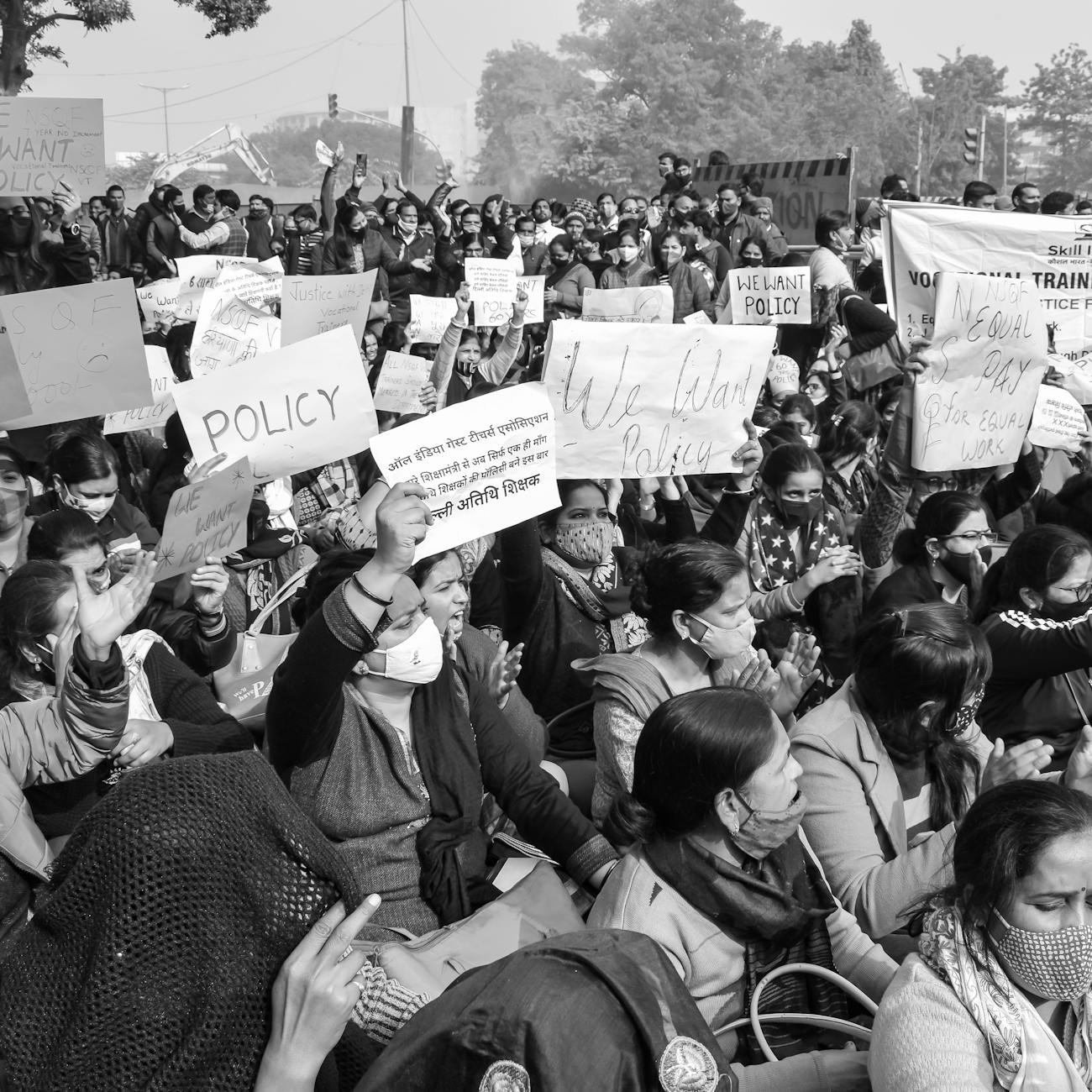
Agribusiness Policy and Regulation is a critical area of study in the Certified Specialist Programme in Agribusiness. This field examines the rules, regulations, and policies that govern the production, distribution, and consumption of agricultural products. Here are some key terms and vocabulary you need to know:
1. Agribusiness Policy: Agribusiness policies are rules and regulations that governments establish to regulate the agricultural sector. These policies aim to promote sustainable agricultural practices, ensure food security, and protect consumers and farmers. Examples of agribusiness policies include subsidies, tariffs, and quotas. 2. Agricultural Trade: Agricultural trade refers to the exchange of agricultural products between countries. This trade is governed by various agreements, such as the World Trade Organization (WTO) agreements, which aim to promote free and fair trade. 3. Biofuels: Biofuels are fuels derived from organic matter, such as plants or animal waste. Biofuels are becoming increasingly popular as an alternative to fossil fuels, as they are renewable and produce fewer greenhouse gas emissions. 4. Climate-Smart Agriculture: Climate-smart agriculture is a farming approach that aims to increase agricultural productivity and resilience in the face of a changing climate. This approach involves the use of sustainable farming practices, such as conservation agriculture, agroforestry, and integrated crop-livestock systems. 5. Contract Farming: Contract farming is an agreement between a farmer and a buyer, in which the farmer agrees to produce a specific quantity and quality of a crop, and the buyer agrees to purchase the crop at a predetermined price. Contract farming can provide farmers with a stable income and access to markets, while also ensuring that buyers receive a consistent supply of high-quality products. 6. Food Security: Food security refers to the availability and accessibility of sufficient, safe, and nutritious food for all individuals. Food security is a major global challenge, as the world's population is projected to reach 9 billion by 2050, requiring a 70% increase in food production. 7. Genetically Modified Organisms (GMOs): GMOs are organisms whose genetic material has been altered using biotechnology. GMOs are used in agriculture to create crops that are resistant to pests, diseases, and harsh environmental conditions. However, the use of GMOs is controversial, as there are concerns about their safety and environmental impact. 8. Intellectual Property Rights (IPRs): IPRs are legal rights that protect the creations of the mind, such as inventions, literary and artistic works, and symbols, names, and images used in commerce. IPRs are important in agribusiness, as they protect the investments made in research and development of new agricultural technologies and products. 9. Land Grabs: Land grabs refer to the large-scale acquisition of agricultural land by foreign investors, often in developing countries. Land grabs can lead to displacement of local communities, loss of biodiversity, and food insecurity. 10. Supply Chain Management: Supply chain management is the coordination and management of activities involved in the production and delivery of a product, from raw materials to the end consumer. Supply chain management is critical in agribusiness, as it ensures the timely and efficient delivery of agricultural products to consumers. 11. Sustainable Development: Sustainable development is the development that meets the needs of the present without compromising the ability of future generations to meet their own needs. Sustainable development is important in agribusiness, as it ensures the long-term viability of agricultural practices and the protection of the environment. 12. Tariffs: Tariffs are taxes imposed on imported goods. Tariffs are used to protect domestic industries from foreign competition, but they can also lead to higher prices for consumers and reduced exports. 13. Value Chain Analysis: Value chain analysis is the examination of the sequence of activities that add value to a product, from conception to end use. Value chain analysis is important in agribusiness, as it helps to identify opportunities for value addition and cost reduction. 14. World Trade Organization (WTO): The WTO is an international organization that aims to promote free and fair trade. The WTO sets rules for international trade and provides a forum for negotiations and dispute resolution.
Challenge:
Identify a current issue in agribusiness policy and regulation and discuss how it relates to the key terms and vocabulary discussed above. For example, discuss the issue of GMO labeling and how it relates to intellectual property rights, food security, and sustainable development.
Example:
GMO labeling is a controversial issue in agribusiness policy and regulation. Some argue that GMOs pose risks to human health and the environment, while others argue that they are safe and can increase food productivity and reduce pesticide use. One key issue in the GMO labeling debate is intellectual property rights. GMOs are often protected by patents, which can make it difficult for farmers to save and replant seeds, and for companies to develop and market GMO-derived products. This can limit access to GMOs and increase their cost, which can impact food security, particularly in developing countries.
Another key issue is food security. GMOs can increase agricultural productivity and reduce crop losses due to pests and diseases, which can help to ensure a stable food supply. However, some argue that GMOs can also lead to decreased biodiversity and increased dependence on a few crop varieties, which can increase the risk of food shortages.
Finally, GMO labeling relates to sustainable development. GMOs can help to reduce the use of chemical pesticides and fertilizers, which can reduce their environmental impact. However, the use of GMOs can also lead to increased monoculture farming, which can contribute to soil degradation and water pollution.
In conclusion, GMO labeling is a complex issue that relates to various aspects of agribusiness policy and regulation, including intellectual property rights, food security, and sustainable development. Understanding these key terms and concepts is essential for developing effective agribusiness policies and regulations that promote sustainable and equitable agricultural practices.
Key takeaways
- This field examines the rules, regulations, and policies that govern the production, distribution, and consumption of agricultural products.
- Contract Farming: Contract farming is an agreement between a farmer and a buyer, in which the farmer agrees to produce a specific quantity and quality of a crop, and the buyer agrees to purchase the crop at a predetermined price.
- For example, discuss the issue of GMO labeling and how it relates to intellectual property rights, food security, and sustainable development.
- Some argue that GMOs pose risks to human health and the environment, while others argue that they are safe and can increase food productivity and reduce pesticide use.
- However, some argue that GMOs can also lead to decreased biodiversity and increased dependence on a few crop varieties, which can increase the risk of food shortages.
- However, the use of GMOs can also lead to increased monoculture farming, which can contribute to soil degradation and water pollution.
- In conclusion, GMO labeling is a complex issue that relates to various aspects of agribusiness policy and regulation, including intellectual property rights, food security, and sustainable development.