
Compliance with Healthcare Standards (e.g., HTM, NFPA, ISO)
Compliance with healthcare standards is a critical aspect of managing healthcare infrastructure. In the Professional Certificate in Healthcare Infrastructure Management, students will learn about various standards that govern the design, in…
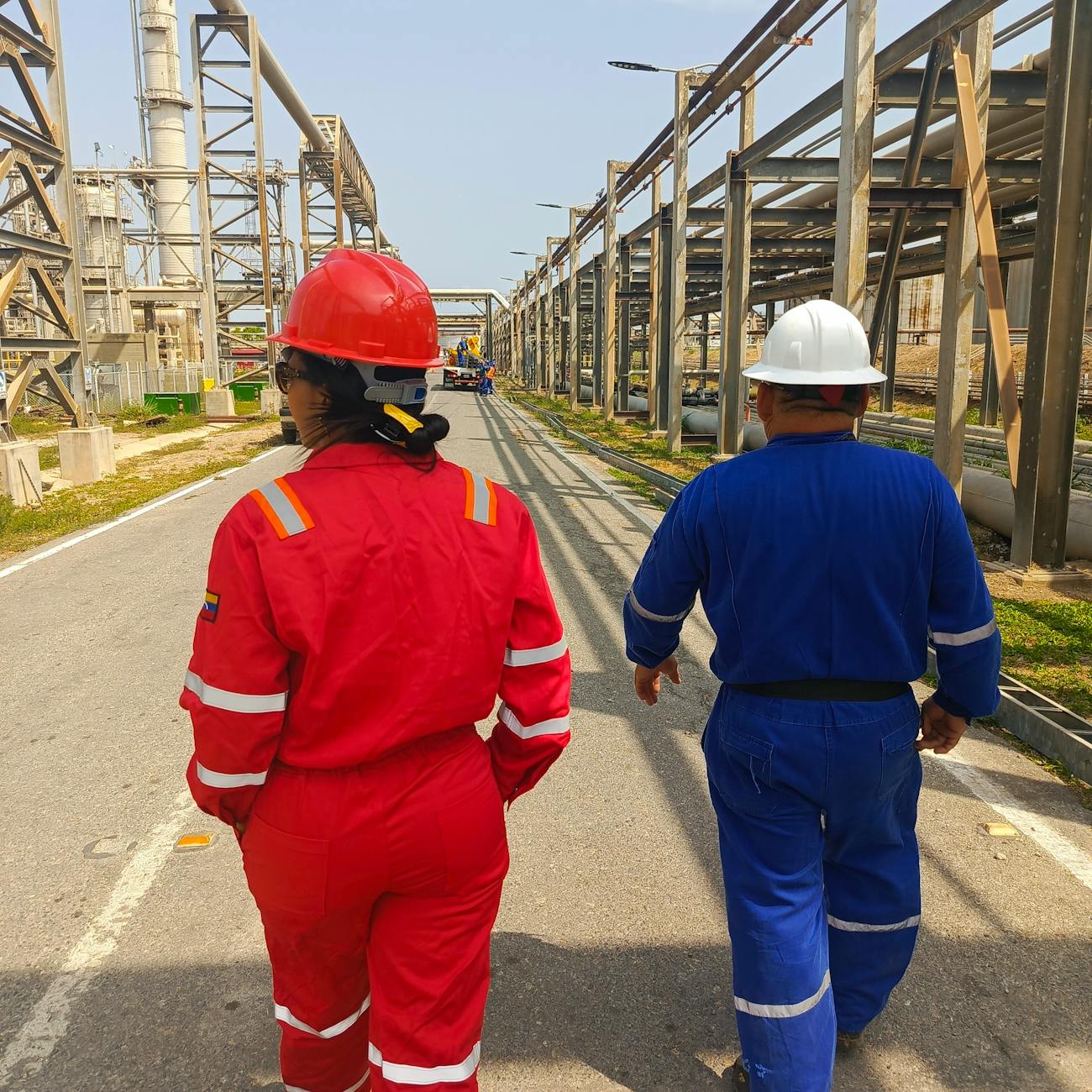
Compliance with healthcare standards is a critical aspect of managing healthcare infrastructure. In the Professional Certificate in Healthcare Infrastructure Management, students will learn about various standards that govern the design, installation, and maintenance of healthcare technology and facilities. Here are some key terms and vocabulary related to compliance with healthcare standards:
1. **Healthcare Technology Management (HTM):** HTM is a discipline that focuses on managing medical devices and equipment to ensure their safe and effective use. HTM professionals are responsible for maintaining compliance with standards related to the installation, operation, and maintenance of medical devices.
Example: An HTM professional is responsible for ensuring that a hospital's X-ray machines are calibrated correctly and in compliance with HTM standards.
2. **National Fire Protection Association (NFPA):** NFPA is a non-profit organization that develops and publishes codes and standards related to fire protection and safety. NFPA standards are widely used in healthcare facilities to ensure fire safety.
Example: NFPA 101, Life Safety Code, outlines requirements for fire protection, means of egress, and emergency planning in healthcare facilities.
3. **International Organization for Standardization (ISO):** ISO is a global organization that develops and publishes standards for a wide range of industries, including healthcare. ISO standards provide guidance on best practices for managing healthcare infrastructure and technology.
Example: ISO 9001, Quality Management Systems, provides a framework for managing quality control in healthcare facilities.
4. **The Joint Commission (TJC):** TJC is an independent, non-profit organization that accredits healthcare facilities in the United States. TJC standards cover a wide range of topics, including patient safety, infection control, and emergency management.
Example: TJC requires healthcare facilities to have a disaster preparedness plan that includes procedures for evacuation, communication, and patient tracking.
5. **Centers for Medicare & Medicaid Services (CMS):** CMS is a federal agency that administers Medicare and Medicaid programs in the United States. CMS sets regulations and standards for healthcare facilities that participate in these programs.
Example: CMS requires healthcare facilities to have a comprehensive infection prevention and control program to prevent the spread of infectious diseases.
6. **Association for the Advancement of Medical Instrumentation (AAMI):** AAMI is a professional organization that develops standards and provides education for healthcare technology professionals. AAMI standards cover a wide range of topics, including medical device safety, sterilization, and risk management.
Example: AAMI ST79, Comprehensive Guide to Steam Sterilization and Sterility Assurance in Health Care Facilities, provides guidance on best practices for sterilization of medical devices.
7. **Food and Drug Administration (FDA):** FDA is a federal agency that regulates medical devices and drugs in the United States. FDA standards ensure the safety and effectiveness of medical devices and equipment.
Example: FDA requires medical device manufacturers to register their products and comply with quality system regulations.
8. **Health Insurance Portability and Accountability Act (HIPAA):** HIPAA is a federal law that protects patient privacy and confidentiality. HIPAA standards ensure that healthcare facilities handle patient information securely and confidentially.
Example: HIPAA requires healthcare facilities to implement physical, technical, and administrative safeguards to protect patient information.
9. **Occupational Safety and Health Administration (OSHA):** OSHA is a federal agency that sets and enforces workplace safety standards. OSHA standards ensure that healthcare facilities provide a safe and healthy work environment for employees.
Example: OSHA requires healthcare facilities to have a hazard communication program that includes employee training on chemical hazards.
10. **National Electrical Code (NEC):** NEC is a set of standards that govern the installation and maintenance of electrical systems in buildings. NEC standards ensure that healthcare facilities have safe and reliable electrical systems.
Example: NEC requires healthcare facilities to have emergency power systems that can provide power to critical loads during power outages.
Compliance with healthcare standards is an ongoing process that requires a commitment to continuous improvement. Healthcare infrastructure managers must stay up-to-date with the latest standards and regulations to ensure the safety and effectiveness of healthcare technology and facilities. Understanding key terms and vocabulary related to compliance with healthcare standards is an essential first step in managing healthcare infrastructure.
Challenge:
Identify a healthcare facility that you are familiar with and research the standards and regulations that apply to that facility. Create a list of at least 10 standards and regulations that are relevant to that facility. For each standard or regulation, provide a brief description and explanation of how it applies to the facility. Use the terms and vocabulary discussed in this article to demonstrate your understanding of compliance with healthcare standards.
Key takeaways
- In the Professional Certificate in Healthcare Infrastructure Management, students will learn about various standards that govern the design, installation, and maintenance of healthcare technology and facilities.
- **Healthcare Technology Management (HTM):** HTM is a discipline that focuses on managing medical devices and equipment to ensure their safe and effective use.
- Example: An HTM professional is responsible for ensuring that a hospital's X-ray machines are calibrated correctly and in compliance with HTM standards.
- **National Fire Protection Association (NFPA):** NFPA is a non-profit organization that develops and publishes codes and standards related to fire protection and safety.
- Example: NFPA 101, Life Safety Code, outlines requirements for fire protection, means of egress, and emergency planning in healthcare facilities.
- **International Organization for Standardization (ISO):** ISO is a global organization that develops and publishes standards for a wide range of industries, including healthcare.
- Example: ISO 9001, Quality Management Systems, provides a framework for managing quality control in healthcare facilities.