
Surveying and Leveling
Surveying and Leveling are fundamental techniques used in Civil Engineering to measure and determine the elevation and position of various points on the earth's surface. These techniques are used to create accurate plans, maps, and designs …
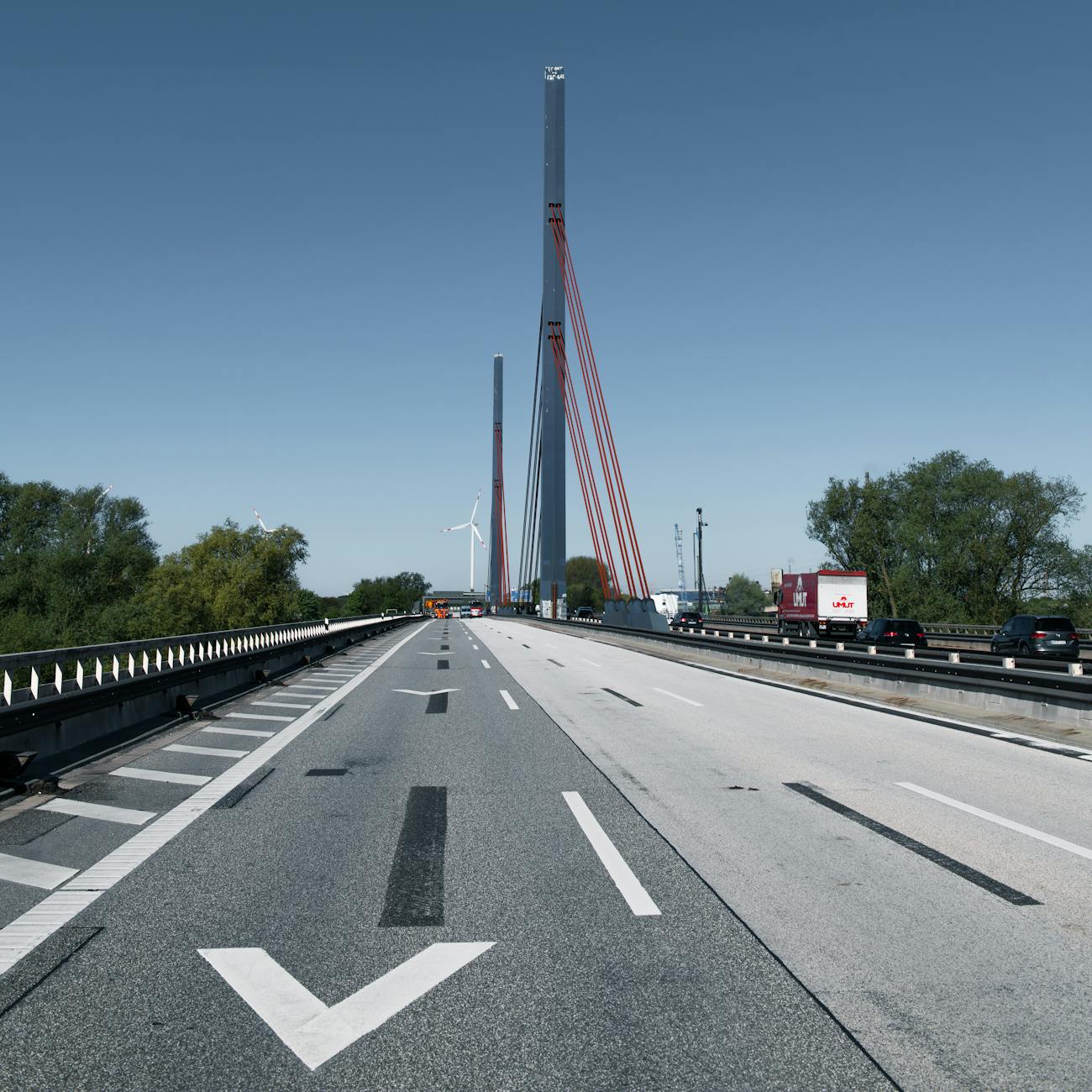
Surveying and Leveling are fundamental techniques used in Civil Engineering to measure and determine the elevation and position of various points on the earth's surface. These techniques are used to create accurate plans, maps, and designs for various infrastructure projects, such as buildings, roads, bridges, and dams. In this explanation, we will discuss the key terms and vocabulary related to Surveying and Leveling.
1. Surveying: Surveying is the process of measuring and mapping the three-dimensional coordinates of points on the earth's surface. It involves taking measurements of angles, distances, and elevations to determine the position and layout of various features on the ground. Surveying is used to create accurate plans, maps, and designs for various infrastructure projects, as well as for land development, mining, and transportation. 2. Leveling: Leveling is the process of determining the elevation or vertical position of various points on the earth's surface. It involves using a leveling instrument, such as a dumpy level or a laser level, to measure the difference in height between two points. Leveling is used to determine the slope of the ground, to set out foundations and buildings, and to check the accuracy of constructed surfaces. 3. Datum: A datum is a reference surface or plane used to determine the elevation of various points on the earth's surface. A datum may be local or national, and it provides a standard reference for all leveling and surveying work. The most commonly used datum in the UK is the Ordnance Datum Newlyn (ODN), which is based on the mean sea level at Newlyn in Cornwall. 4. Benchmark: A benchmark is a fixed point of known elevation used as a reference in leveling and surveying work. Benchmarks are usually marked on permanent features, such as buildings or concrete surfaces, and they are used to determine the elevation of other points in the area. 5. Horizontal and Vertical Control: Horizontal and vertical control are the reference lines used in surveying and leveling work. Horizontal control refers to the reference line used to determine the horizontal position of various points, while vertical control refers to the reference line used to determine the elevation of various points. 6. Backsight and Foresight: Backsight and foresight are the two measurements taken during leveling. The backsight is the measurement taken from the instrument to a known benchmark or reference point, while the foresight is the measurement taken from the instrument to the next point being leveled. 7. Reduced Level: A reduced level is the elevation of a point relative to a given datum. It is calculated by subtracting the height of the instrument above the datum from the height of the instrument above the point being leveled. 8. Chain Surveying: Chain surveying is a method of surveying in which distances are measured using a chain or tape. It is a simple and inexpensive method of surveying, but it is not very accurate and is therefore not commonly used for large-scale projects. 9. Theodolite: A theodolite is a precision instrument used in surveying to measure angles and directions. It consists of a telescope mounted on a tripod, with a graduated circle used to measure horizontal and vertical angles. 10. Total Station: A total station is an electronic theodolite that also has the ability to measure distances. It is a versatile and accurate instrument used in modern surveying and leveling work. 11. GPS: GPS, or Global Positioning System, is a satellite-based navigation system used in surveying and mapping. It provides accurate positioning information and is commonly used for large-scale projects, such as highway construction and land development. 12. Traversing: Traversing is a method of surveying in which a series of measurements are taken to determine the position and elevation of various points relative to a known starting point. It is a common method used in land development and construction projects. 13. Tacheometry: Tacheometry is a method of surveying in which distances and heights are determined using a theodolite and a stadia rod. It is a quick and accurate method of surveying and is commonly used in topographic surveys and engineering projects. 14. Contour Surveying: Contour surveying is a method of surveying in which the shape and elevation of the ground is represented by contour lines. It is commonly used in topographic surveys and land development projects. 15. Level Loop: A level loop is a series of leveling measurements taken around a closed loop to check for errors and inconsistencies. It is a common method used to ensure the accuracy of leveling work.
Examples:
* A construction company is building a new road and needs to determine the slope of the ground. They use a laser level to take leveling measurements and calculate the difference in elevation between various points along the route. * An engineer is designing a new building and needs to determine the elevation of the site. They use a theodolite to take horizontal and vertical control measurements and calculate the reduced level of the site relative to a known datum. * A surveyor is conducting a topographic survey of a large area of land. They use a GPS receiver to determine the position of various points on the ground and a total station to measure the elevation of those points.
Practical Applications:
* Surveying and leveling are essential skills for civil engineers, architects, and construction professionals. They are used to create accurate plans and designs for various infrastructure projects, such as buildings, roads, bridges, and dams. * Surveying and leveling are also used in land development, mining, and transportation. They are used to determine the boundaries and layout of land parcels, to assess the slope and elevation of the ground, and to ensure that construction projects are built to the correct specifications.
Challenges:
* One of the main challenges of surveying and leveling is ensuring accuracy and precision. Surveying instruments and techniques must be calibrated and maintained to ensure that measurements are accurate, and surveyors must be trained and experienced in using these instruments and techniques. * Another challenge of surveying and leveling is working in difficult or challenging environments, such as steep slopes, rugged terrain, or in adverse weather conditions. Surveyors must be able to adapt to these conditions and find ways to take accurate measurements despite the challenges.
Conclusion:
Surveying and leveling are essential techniques used in civil engineering to determine the elevation and position of various points on the earth's surface. These techniques are used to create accurate plans, maps, and designs for various infrastructure projects, and they are essential for ensuring that construction projects are built to the correct specifications. By understanding the key terms and vocabulary related to Surveying and Leveling, civil engineers and construction professionals can ensure that they are using these techniques accurately and effectively.
Key takeaways
- Surveying and Leveling are fundamental techniques used in Civil Engineering to measure and determine the elevation and position of various points on the earth's surface.
- Horizontal control refers to the reference line used to determine the horizontal position of various points, while vertical control refers to the reference line used to determine the elevation of various points.
- They use a theodolite to take horizontal and vertical control measurements and calculate the reduced level of the site relative to a known datum.
- They are used to determine the boundaries and layout of land parcels, to assess the slope and elevation of the ground, and to ensure that construction projects are built to the correct specifications.
- Surveying instruments and techniques must be calibrated and maintained to ensure that measurements are accurate, and surveyors must be trained and experienced in using these instruments and techniques.
- These techniques are used to create accurate plans, maps, and designs for various infrastructure projects, and they are essential for ensuring that construction projects are built to the correct specifications.