
Introduction to Data Science for Wildlife Protection
Introduction to Data Science for Wildlife Protection is a course in the Professional Certificate in Data Science for Wildlife Protection. This course covers key terms and vocabulary related to data science and its application in wildlife pr…
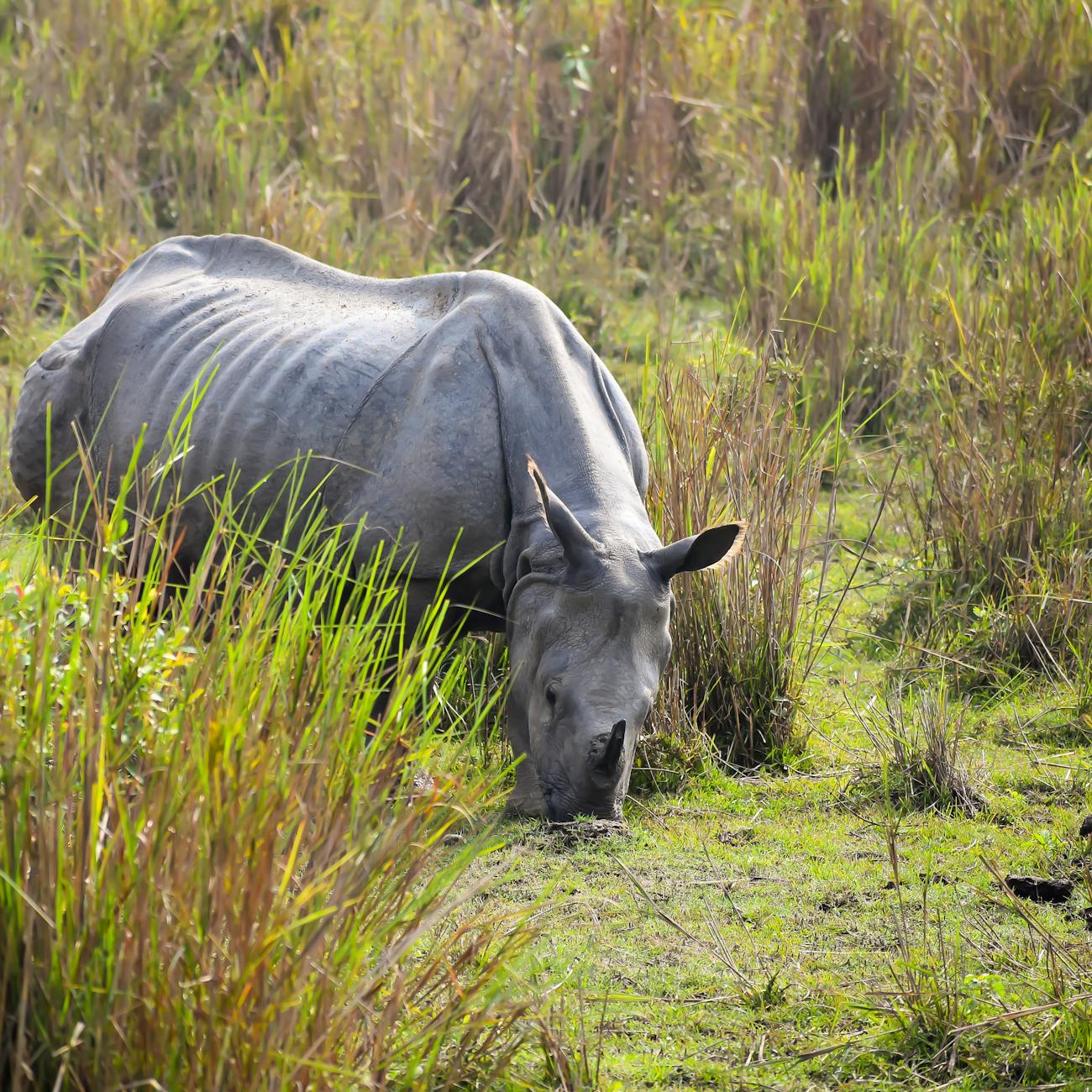
Introduction to Data Science for Wildlife Protection is a course in the Professional Certificate in Data Science for Wildlife Protection. This course covers key terms and vocabulary related to data science and its application in wildlife protection. Here, we will explain some of the essential terms and concepts that you will encounter in this course.
1. Data Science: Data Science is an interdisciplinary field that uses scientific methods, processes, algorithms, and systems to extract knowledge and insights from structured and unstructured data. It involves various techniques such as data mining, machine learning, statistical analysis, and visualization to make informed decisions and predictions. In wildlife protection, data science can help analyze data to monitor wildlife populations, predict their behavior, and inform conservation strategies. 2. Wildlife Protection: Wildlife Protection refers to the efforts made to preserve and protect wildlife and their habitats. It includes activities such as monitoring wildlife populations, preventing poaching and habitat destruction, and promoting sustainable development. Data science can help wildlife protection by providing insights into wildlife behavior, habitat use, and threats to their survival, enabling conservationists to make informed decisions and take action to protect wildlife. 3. Data: Data refers to the facts, figures, and statistics that are collected, processed, and analyzed to extract insights and knowledge. Data can be structured, such as in a database or spreadsheet, or unstructured, such as text, images, or videos. In wildlife protection, data can include information on wildlife populations, habitat conditions, and threats to wildlife, such as poaching or climate change. 4. Machine Learning: Machine Learning is a subset of data science that involves training algorithms to learn patterns and make predictions based on data. Machine learning can be supervised, unsupervised, or semi-supervised, depending on the type of data and the problem being solved. In wildlife protection, machine learning can be used to analyze data on wildlife behavior, habitat use, and threats, enabling conservationists to make informed decisions and take action to protect wildlife. 5. Big Data: Big Data refers to extremely large datasets that cannot be processed or analyzed using traditional data processing techniques. Big data can come from various sources, including social media, sensors, and satellite imagery. In wildlife protection, big data can be used to monitor wildlife populations, track habitat changes, and detect threats to wildlife, such as illegal logging or poaching. 6. Data Visualization: Data Visualization is the process of creating visual representations of data to facilitate understanding and communication. Data visualization can include charts, graphs, maps, and other visual formats that help to convey complex data in an easy-to-understand way. In wildlife protection, data visualization can be used to communicate the results of data analysis to stakeholders, enabling them to make informed decisions and take action to protect wildlife. 7. Predictive Modeling: Predictive Modeling is a technique used in data science to make predictions based on data. Predictive modeling involves training algorithms to identify patterns in data and then using those patterns to make predictions about future events or outcomes. In wildlife protection, predictive modeling can be used to predict wildlife behavior, habitat use, and threats, enabling conservationists to take action to protect wildlife. 8. Spatial Analysis: Spatial Analysis is the process of analyzing geographic data to identify patterns and relationships. Spatial analysis can include techniques such as geographic information systems (GIS), remote sensing, and spatial statistics. In wildlife protection, spatial analysis can be used to monitor wildlife populations, track habitat changes, and detect threats to wildlife, such as illegal logging or poaching. 9. Data Mining: Data Mining is the process of discovering patterns and insights in large datasets. Data mining involves using machine learning, statistical analysis, and other techniques to identify patterns and relationships in data. In wildlife protection, data mining can be used to analyze data on wildlife behavior, habitat use, and threats, enabling conservationists to make informed decisions and take action to protect wildlife. 10. Data Quality: Data Quality refers to the accuracy, completeness, and relevance of data. Data quality is essential in data science, as poor-quality data can lead to incorrect insights and decisions. In wildlife protection, data quality is essential to ensure that data on wildlife populations, habitat conditions, and threats are accurate and reliable.
Challenge:
Consider a wildlife protection scenario where you are required to analyze data on a threatened wildlife population. How would you apply the concepts of data science to this scenario? What techniques would you use to analyze the data, and what insights would you hope to gain from the analysis?
Example:
Let's say you are tasked with analyzing data on a threatened wildlife population, such as elephants in Africa. You could use data science techniques such as data mining, machine learning, and spatial analysis to analyze data on elephant behavior, habitat use, and threats. For example, you could use machine learning algorithms to identify patterns in elephant movements and habitat use, enabling you to predict where elephants are likely to be found and where habitat destruction is likely to occur. You could also use spatial analysis techniques such as GIS and remote sensing to monitor habitat changes, detect threats such as illegal logging or poaching, and track elephant movements over time.
Conclusion:
Data science is a powerful tool for wildlife protection, enabling conservationists to analyze data on wildlife behavior, habitat use, and threats to inform conservation strategies. By understanding key terms and concepts in data science, such as data mining, machine learning, and spatial analysis, conservationists can use data to make informed decisions and take action to protect wildlife. However, it's essential to ensure that data quality is high, and data is analyzed and visualized in a way that is easy to understand and communicate to stakeholders.
Key takeaways
- Introduction to Data Science for Wildlife Protection is a course in the Professional Certificate in Data Science for Wildlife Protection.
- Data science can help wildlife protection by providing insights into wildlife behavior, habitat use, and threats to their survival, enabling conservationists to make informed decisions and take action to protect wildlife.
- Consider a wildlife protection scenario where you are required to analyze data on a threatened wildlife population.
- For example, you could use machine learning algorithms to identify patterns in elephant movements and habitat use, enabling you to predict where elephants are likely to be found and where habitat destruction is likely to occur.
- By understanding key terms and concepts in data science, such as data mining, machine learning, and spatial analysis, conservationists can use data to make informed decisions and take action to protect wildlife.