
Peer Support in the Context of Cultural Diversity
Peer Support in the Context of Cultural Diversity: Key Terms and Vocabulary
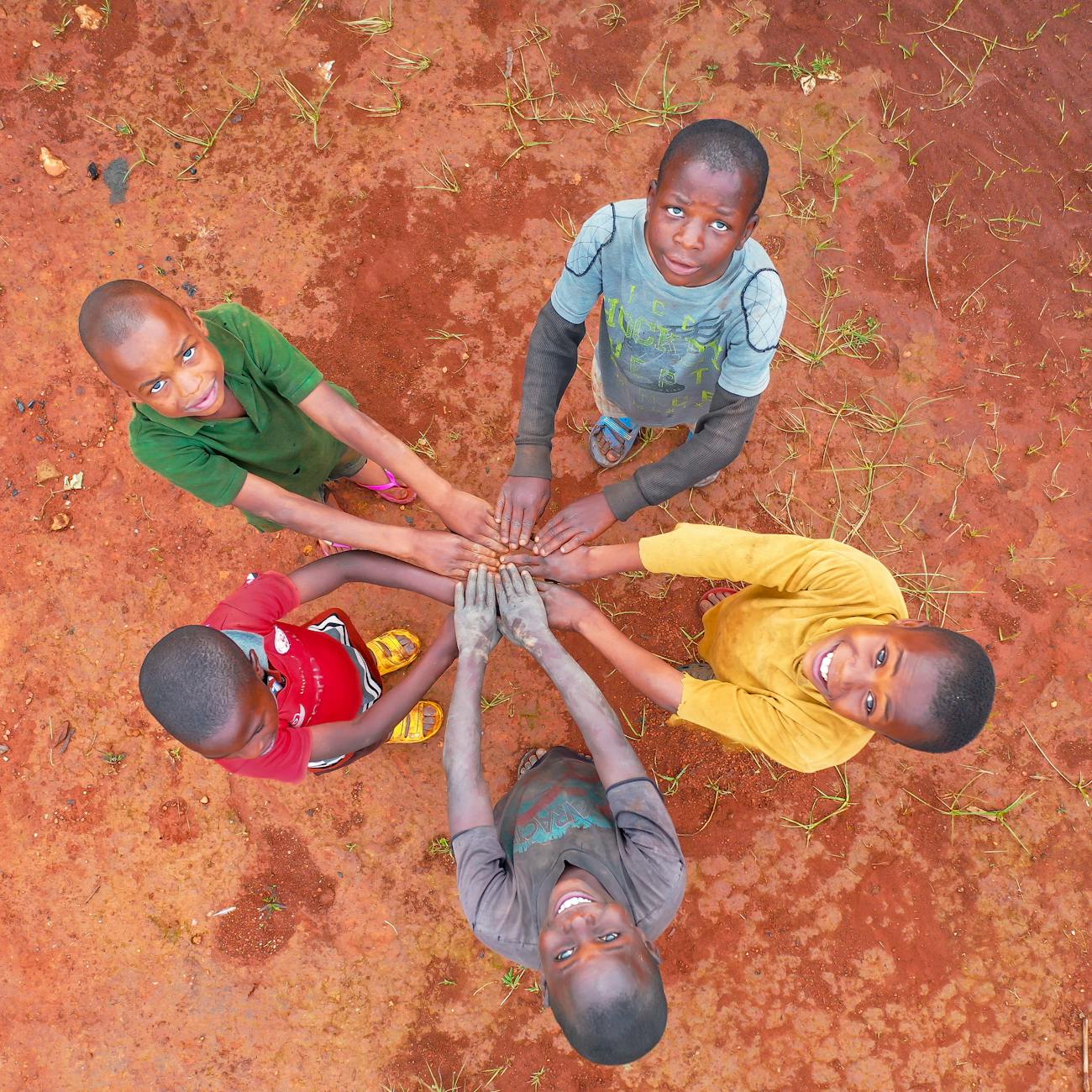
Peer Support in the Context of Cultural Diversity: Key Terms and Vocabulary
Peer support is a system of giving and receiving help founded on key principles of respect, shared responsibility, and mutual agreement of what is helpful (Mead, Hilton, & Bower, 2001). In the context of mental health, peer support provides an opportunity for individuals with lived experience of mental health challenges to connect with and support their peers who are also navigating similar experiences (Repper & Carter, 2011). Cultural diversity adds a layer of complexity to peer support, as peers from different cultural backgrounds may have unique experiences, beliefs, and values that influence their help-seeking behaviors and support needs. In this explanation, we will discuss key terms and vocabulary related to peer support in the context of cultural diversity.
1. Cultural Competence Cultural competence is the ability of an individual or organization to understand, appreciate, and interact with people from diverse cultural backgrounds (Sue, 2001). In the context of peer support, cultural competence involves developing an awareness and understanding of the cultural beliefs, values, and practices of peers from different backgrounds. This understanding can help peers provide support that is sensitive and responsive to the cultural needs of their peers. 2. Cultural Safety Cultural safety is an approach that aims to create safe and respectful spaces for people from diverse cultural backgrounds (Williams, 1999). In the context of peer support, cultural safety involves creating an environment that is free from discrimination, bias, and racism. Peers can promote cultural safety by actively challenging their own assumptions and biases, seeking feedback from their peers, and creating a space that is inclusive and welcoming for all. 3. Cultural Humility Cultural humility is a concept that emphasizes the importance of ongoing self-reflection, learning, and growth in working with people from diverse cultural backgrounds (Tervalon & Murray-García, 1998). In the context of peer support, cultural humility involves recognizing the limitations of one's own cultural knowledge and seeking to learn from and engage with peers from different cultural backgrounds. Peers can practice cultural humility by being open to feedback, asking questions, and seeking out resources and education to expand their cultural understanding. 4. Lived Experience Lived experience refers to the firsthand knowledge and expertise that individuals gain from their personal experiences of mental health challenges (Repper & Carter, 2011). In the context of peer support, lived experience is a key qualification for peer supporters, as it provides them with a unique understanding of the challenges and strengths of living with a mental health condition. Peers with lived experience can provide support that is grounded in a shared understanding of the mental health journey. 5. Empowerment Empowerment is a process of enhancing an individual's sense of control, autonomy, and self-efficacy (Rappaport, 1987). In the context of peer support, empowerment involves supporting peers to develop their own strengths, skills, and resources to manage their mental health challenges. Peers can promote empowerment by providing choices, encouraging self-advocacy, and collaborating with peers to develop individualized support plans. 6. Intersectionality Intersectionality is a concept that recognizes the ways in which multiple social identities, such as race, gender, sexuality, and class, intersect and interact to shape individuals' experiences of oppression and discrimination (Crenshaw, 1991). In the context of peer support, intersectionality involves recognizing the unique experiences of peers who hold multiple social identities and providing support that is sensitive and responsive to their intersecting needs. Peers can promote intersectionality by actively seeking to understand the ways in which their own social identities influence their perspectives and practices, and by creating spaces that are inclusive and welcoming for all. 7. Trauma-Informed Care Trauma-informed care is an approach that recognizes the impact of trauma on individuals' mental, emotional, and physical well-being (Hopper, Bassuk, & Olivet, 2010). In the context of peer support, trauma-informed care involves providing support that is sensitive and responsive to the experiences of peers who have experienced trauma. Peers can promote trauma-informed care by creating a safe and trusting environment, avoiding re-traumatization, and providing resources and referrals for trauma-specific services. 8. Recovery Recovery is a process of healing and growth that involves learning to manage mental health challenges and regaining a sense of hope, purpose, and connection in life (Anthony, 1993). In the context of peer support, recovery is a key goal of support, as peers work together to develop strategies for managing mental health challenges and building a fulfilling life. Peers can promote recovery by sharing their own experiences of recovery, providing hope and inspiration, and collaborating with peers to develop individualized recovery plans. 9. Peer Support Specialist A peer support specialist is a trained and certified peer supporter who provides support to individuals with mental health challenges (Mead et al., 2001). In the context of cultural diversity, peer support specialists must be culturally competent and able to provide support that is sensitive and responsive to the cultural needs of their peers. Peer support specialists can promote cultural competence by seeking out education and training on cultural diversity, building relationships with peers from diverse cultural backgrounds, and creating a welcoming and inclusive environment for all. 10. Peer-Run Organizations Peer-run organizations are organizations that are led and governed by individuals with lived experience of mental health challenges (Chinman et al., 2014). In the context of cultural diversity, peer-run organizations can provide a unique space for peers from diverse cultural backgrounds to connect, share their experiences, and provide support to one another. Peer-run organizations can promote cultural diversity by actively seeking to engage peers from diverse cultural backgrounds, providing training and education on cultural diversity, and creating a welcoming and inclusive environment for all.
In conclusion, peer support in the context of cultural diversity involves a deep understanding and appreciation of the cultural beliefs, values, and practices of peers from different backgrounds. By developing cultural competence, promoting cultural safety and humility, recognizing the importance of lived experience and empowerment, promoting intersectionality and trauma-informed care, and supporting recovery, peers can provide support that is sensitive, responsive, and empowering for all. Peer support specialists and peer-run organizations play a critical role in promoting cultural diversity in peer support, by providing education, training, and resources to support peers from diverse cultural backgrounds. Through ongoing learning, growth, and collaboration, peers can create a more inclusive and equitable mental health system that is grounded in respect, shared responsibility, and mutual agreement.
Key takeaways
- Cultural diversity adds a layer of complexity to peer support, as peers from different cultural backgrounds may have unique experiences, beliefs, and values that influence their help-seeking behaviors and support needs.
- Peer-run organizations can promote cultural diversity by actively seeking to engage peers from diverse cultural backgrounds, providing training and education on cultural diversity, and creating a welcoming and inclusive environment for all.
- Peer support specialists and peer-run organizations play a critical role in promoting cultural diversity in peer support, by providing education, training, and resources to support peers from diverse cultural backgrounds.