
Special Events and Tactical Operations
Risk Assessment is the foundational process in event security, involving systematic identification, analysis, and evaluation of potential hazards that could affect a special event. The assessor gathers data on venue layout, crowd size, hist…
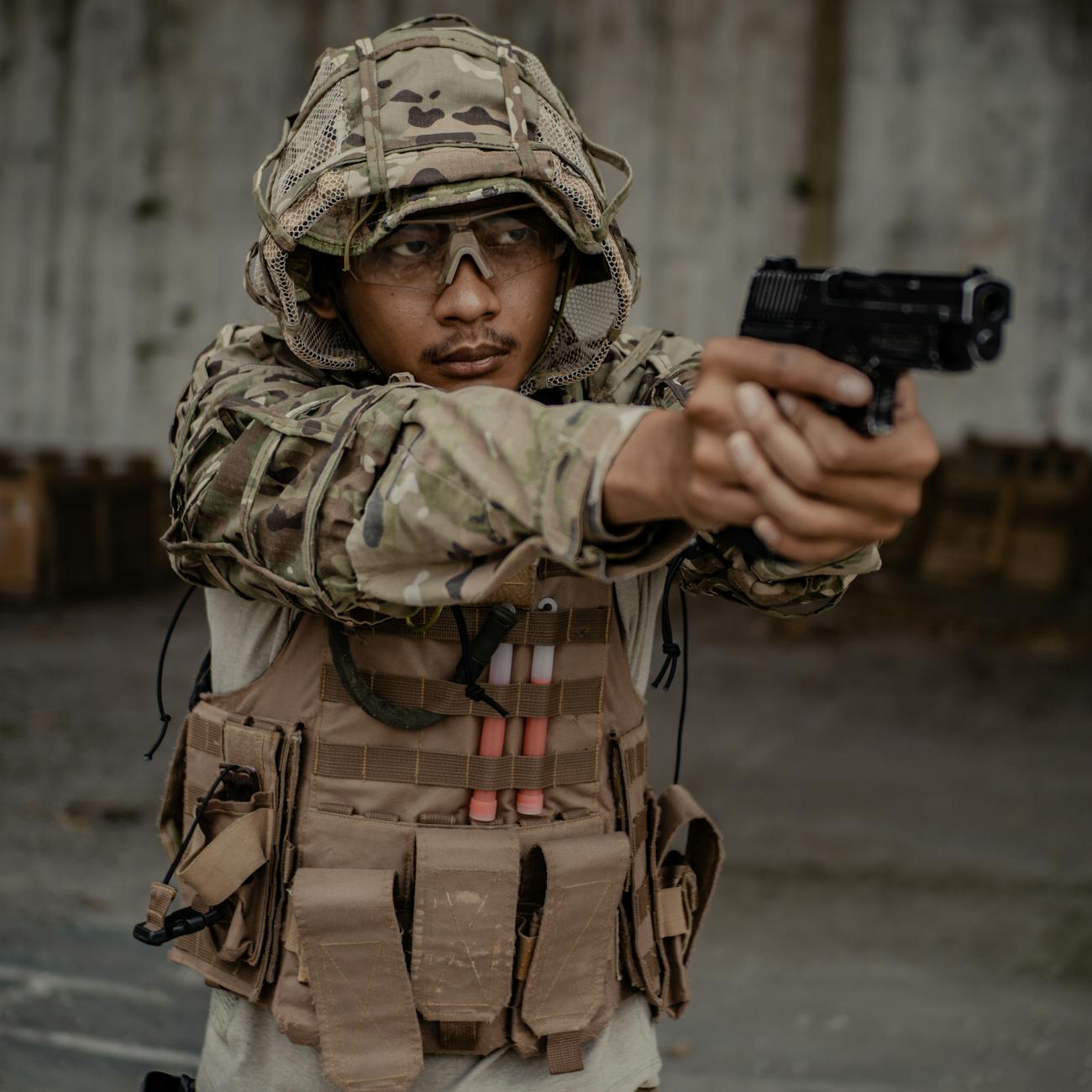
Risk Assessment is the foundational process in event security, involving systematic identification, analysis, and evaluation of potential hazards that could affect a special event. The assessor gathers data on venue layout, crowd size, historical incident trends, and local threat levels. By assigning probability and impact scores, the risk matrix guides decision‑making on resource allocation. For example, a music festival held in an open field near a highway might score high on “vehicle‑based threats” due to easy access routes, prompting the deployment of barriers and increased traffic control. Challenges arise when data is incomplete; organizers must balance the need for thoroughness with time constraints, often relying on experience and stakeholder input to fill gaps.
The term threat matrix refers to a visual tool that plots identified threats against their likelihood and severity, providing a clear picture of which risks demand immediate attention. In practice, a security manager might place “active shooter” scenarios in the high‑likelihood, high‑impact quadrant, while “weather‑related disruptions” fall into a lower‑likelihood, moderate‑impact zone. This categorization informs the development of contingency plans and the prioritization of training exercises. A common challenge is the dynamic nature of threats; a low‑probability event can become high‑probability rapidly, requiring continuous monitoring and updates to the matrix.
Venue Security Plan is a comprehensive document that outlines the specific measures to protect the event site. It includes perimeter control, access points, surveillance systems, emergency egress routes, and communication protocols. The plan must be tailored to the unique characteristics of the venue, whether it is a historic theater, a sports stadium, or a temporary outdoor stage. Practical application involves coordinating with venue owners to install temporary fencing, designating secure entry zones for staff, and mapping out “no‑go” areas for the public. One of the greatest challenges is integrating the security plan with existing venue operations without disrupting the event flow or alienating patrons.
The concept of crowd management encompasses strategies to safely move and control large groups of people. Techniques such as “flow control,” “zoning,” and “density monitoring” are employed to prevent bottlenecks and reduce the risk of stampedes. In a multi‑day conference, organizers might use staggered session start times and multiple entrance gates to disperse attendees evenly. Technology such as infrared people counters and mobile ticket scanning can provide real‑time data on crowd density, enabling rapid adjustments. However, unexpected surges—perhaps due to a surprise celebrity appearance—can overwhelm even well‑planned systems, demanding flexible contingency measures.
Access Control is the process of regulating who may enter specific areas of an event. It involves credential verification, badge issuance, metal detection, and sometimes biometric scanning. For a high‑profile political rally, a layered approach may be used: a perimeter checkpoint for vehicle searches, a secondary screening for participants, and a final verification point at the stage entrance. The practical implementation must consider throughput; excessive delays can cause crowd agitation and increase security risks. Balancing thorough screening with efficient flow is a persistent operational challenge.
The term perimeter security describes the outermost defensive line that protects an event from external threats. It typically includes physical barriers, surveillance cameras, patrol units, and intrusion detection systems. In a waterfront concert, for instance, barriers may be placed along the shoreline, supplemented by patrol boats that monitor river traffic. The effectiveness of perimeter security depends on the integration of technology and human observation; a blind spot in camera coverage can be exploited, so regular sweeps and overlap of fields of view are essential. Maintaining a secure perimeter while preserving the aesthetic experience of the venue can be a delicate design issue.
Incident Command System (ICS) is a standardized hierarchy that enables coordinated response among multiple agencies during emergencies. The system defines roles such as Incident Commander, Operations Section Chief, and Public Information Officer. During a large-scale sporting event, the local police, fire department, emergency medical services, and private security team all operate within the ICS framework, ensuring clear communication and unified decision‑making. Practical application requires pre‑event joint training exercises and the establishment of a common incident action plan. A major challenge is the cultural differences between agencies; private security personnel may be unfamiliar with public‑sector protocols, necessitating focused cross‑training.
The notion of force protection involves measures taken to safeguard personnel, equipment, and infrastructure from hostile actions. In tactical operations, this may include armored vehicles, hardened shelters, and personal protective equipment (PPE) for security staff. For a diplomatic summit, force protection extends to secure transportation routes, advance site inspections, and covert surveillance of potential threat actors. Implementing force protection strategies must respect the operational environment; over‑arming can create an intimidating atmosphere that discourages public participation, while under‑arming can leave critical assets vulnerable. Finding the right balance is a nuanced decision.
Operational Intelligence refers to the collection, analysis, and dissemination of information that informs security decisions. Sources may include open‑source media, social‑media monitoring, law‑enforcement intelligence databases, and on‑the‑ground observations. For example, before a major music festival, analysts might monitor online chatter for indications of extremist groups planning disruption, allowing organizers to adjust security posture accordingly. The practical challenge lies in filtering noise from actionable intelligence; a flood of data can overwhelm analysts, leading to missed alerts or false alarms. Effective intelligence cycles require clear criteria for relevance and timely communication channels.
The term contingency planning denotes the development of alternative courses of action to address unforeseen events such as natural disasters, technical failures, or security breaches. A contingency plan for a marathon might include alternate routes in case of severe weather, backup power supplies for timing systems, and evacuation procedures for medical emergencies. These plans are documented in a “Plan B” manual, regularly reviewed, and rehearsed through tabletop exercises. One difficulty is ensuring that all stakeholders—event staff, vendors, local authorities—understand their roles within the contingency framework, especially when plans are complex and involve multiple decision points.
Security Risk Management (SRM) is an overarching methodology that integrates risk assessment, mitigation, monitoring, and review. SRM follows a cyclical process: identify hazards, assess risk, implement controls, monitor effectiveness, and adjust as needed. In the context of a film premiere, SRM would begin with a threat assessment of potential paparazzi intrusion, followed by the deployment of discreet security personnel and controlled media access. Continuous monitoring might involve real‑time crowd analytics and liaison with local police for any emerging threats. The primary challenge is maintaining the SRM cycle under tight timelines, where the window between risk identification and event launch can be very short.
The concept of venue capacity is essential for determining safe occupancy limits based on fire codes, structural integrity, and egress capacity. Calculating capacity involves measuring usable floor area, considering the intended use (standing, seated, mixed), and applying occupancy factors. For a convention center hall, the capacity might be set at 5,000 attendees for seated events but reduced to 3,500 for standing concerts due to increased movement. Practical application requires coordination with fire marshals and insurance underwriters to ensure compliance. Over‑estimating capacity can lead to overcrowding and heightened risk of injury, while under‑estimating may result in revenue loss and under‑utilized space.
Emergency Medical Services (EMS) integration is a critical component of event security. It includes on‑site medical tents, paramedic teams, and coordination with local hospitals. During a large outdoor festival, EMS stations are strategically placed near high‑traffic zones, equipped with triage supplies, and linked to a centralized communications hub. Real‑time incident reporting allows medical teams to respond swiftly to injuries ranging from minor cuts to more serious conditions like heat exhaustion. Challenges include managing the influx of non‑critical self‑presentations, which can strain resources, and ensuring that EMS personnel have clear access routes free from security checkpoints.
The term public‑order policing describes the strategies employed by law‑enforcement agencies to maintain order, deter disorderly conduct, and manage crowd behavior. Techniques include visible patrols, use of “police‑mounted units,” and strategic deployment of plain‑clothes officers to blend with the crowd. At a political protest, public‑order policing may involve establishing a “buffer zone” between demonstrators and the event venue, while also protecting the right to peaceful assembly. The practical balance between enforcement and civil liberties is often contentious, requiring clear rules of engagement and transparent communication with organizers and participants.
Security Credentialing is the process of issuing, verifying, and managing identification badges for staff, contractors, volunteers, and authorized attendees. Badges may incorporate photo identification, RFID chips, and color‑coded access levels. In a multi‑day summit, credentialing begins with pre‑event background checks, followed by on‑site badge printing and distribution. RFID readers at access points can log entry times and locations, providing audit trails for post‑event analysis. A common obstacle is the risk of counterfeit badges; implementing tamper‑evident features and conducting random spot checks can mitigate this vulnerability.
The notion of surveillance integration involves combining closed‑circuit television (CCTV), drone footage, and mobile camera feeds into a unified command center. This integrated view enables operators to monitor multiple zones simultaneously, detect suspicious behavior, and coordinate rapid response. For instance, a citywide marathon may deploy aerial drones to track the race route, while ground cameras monitor start and finish areas. The challenge lies in bandwidth and data storage; high‑definition streams generate large volumes of data that must be processed in real time, requiring robust IT infrastructure and skilled analysts.
Legal Authority defines the statutory powers granted to security personnel, ranging from the ability to detain individuals to the use of force. Understanding the legal framework is essential to avoid liability and maintain public trust. In many jurisdictions, private security officers have limited powers of “citizen’s arrest” and must defer to police for criminal investigations. Practical training includes scenario‑based exercises that illustrate permissible actions, documentation requirements, and escalation protocols. Misinterpretation of legal authority can lead to excessive force claims, civil lawsuits, and damage to the event’s reputation.
The term force multiplier refers to tools, technologies, or tactics that enhance the effectiveness of a security team without proportionally increasing personnel numbers. Examples include automated license‑plate readers, facial recognition software, and crowd‑analysis algorithms. At a high‑attendance trade show, a force multiplier could be a mobile app that alerts security staff to overcrowded aisles, prompting redeployment of personnel before a situation escalates. While force multipliers increase efficiency, they also raise concerns about privacy, data protection, and potential algorithmic bias, which must be addressed through policy and oversight.
Operational Planning is the detailed development of procedures, timelines, and resource allocations that guide the execution of security measures. It includes creating a master schedule, assigning responsibilities, and establishing communication protocols. For a large outdoor cinema, operational planning would schedule gate opening times, coordinate with lighting crews for night‑time visibility, and set rehearsals for emergency evacuation drills. The planning process must be iterative; feedback from rehearsals and risk reassessments leads to refinements. A frequent challenge is synchronizing the plans of multiple stakeholders—municipal services, private vendors, and volunteer groups—each with their own priorities and constraints.
The concept of post‑event debrief is a structured review conducted after the conclusion of an event to evaluate performance, identify lessons learned, and recommend improvements. Participants share observations on what worked well, what failed, and why. In a post‑event debrief for a cultural festival, security staff might discuss the effectiveness of the crowd‑flow design, the response time to a medical incident, and the accuracy of threat intelligence predictions. Documentation of findings supports continuous improvement and can be used to refine risk assessments for future events. A common difficulty is obtaining candid feedback; creating a non‑punitive environment encourages honest reporting.
Security Technology Lifecycle encompasses the phases of acquisition, deployment, maintenance, and eventual replacement of security tools. Understanding this lifecycle ensures that equipment remains functional, up‑to‑date, and compliant with standards. For example, a barcode‑based ticketing system may be purchased, installed, calibrated, and then periodically upgraded to incorporate new security patches. Neglecting maintenance can lead to system failures at critical moments, while delayed replacement may expose vulnerabilities to emerging threats. Effective lifecycle management involves budgeting for upgrades and establishing vendor support agreements.
The term risk communication describes the process of conveying security‑related information to stakeholders, including attendees, staff, sponsors, and the media. Clear, timely communication can mitigate panic, promote cooperation, and enhance overall safety. During a sudden weather alert at an outdoor concert, risk communication would involve public address announcements, mobile push notifications, and visible signage directing attendees to shelter zones. The challenge lies in balancing transparency with operational security; revealing too much detail about security measures may aid malicious actors, while withholding information can erode trust. Crafting concise, accurate messages and rehearsing delivery are essential components.
Operational Flexibility is the capacity of a security team to adapt plans and resources in response to evolving circumstances. It is achieved through cross‑training, modular equipment, and decentralized decision‑making authority. In a scenario where a primary stage is rendered unusable by a fire, operational flexibility enables rapid reallocation of staff to protect secondary stages and assist in crowd redirection. Training staff to perform multiple roles—such as both access control and crowd monitoring—enhances this flexibility. However, excessive flexibility without clear command structures can lead to confusion and duplicated effort, underscoring the need for well‑defined protocols.
The concept of critical infrastructure protection involves safeguarding essential services that support an event, such as power, water, communications, and transportation networks. Disruption of these services can have cascading effects on safety and operational continuity. For a multi‑venue film festival, security planners must coordinate with utility providers to ensure backup generators are on standby, establish redundant communication links, and verify that transportation routes remain clear for emergency vehicles. Challenges include the limited visibility into third‑party provider security practices and the need to negotiate service level agreements that address event‑specific risks.
Scenario‑Based Training uses realistic simulations to prepare security personnel for a range of potential incidents. Scenarios may include active shooter events, bomb threats, crowd crushes, or cyber‑security breaches. Participants practice applying protocols, communicating with command, and using equipment under controlled stress conditions. For instance, a drill at a convention center could simulate a sudden evacuation due to a suspected explosive device, testing the coordination between security, fire, and medical teams. The effectiveness of scenario‑based training depends on realism, debrief quality, and the incorporation of feedback into future planning. Resource constraints and the need to balance training frequency with operational duties often pose logistical challenges.
The term situational awareness denotes the continuous perception of environmental elements, comprehension of their meaning, and projection of their future status. It is a cognitive skill that enables security professionals to detect anomalies, anticipate threats, and make informed decisions. At a crowded street parade, situational awareness involves monitoring crowd density, listening for unusual sounds, and observing body language for signs of agitation. Training to improve situational awareness includes mindfulness exercises, pattern recognition drills, and after‑action reviews. A frequent obstacle is information overload; when multiple data streams converge, maintaining clear situational awareness requires disciplined focus and effective filtering.
Security Funding Models describe the financial structures used to support event security operations. Common models include cost‑recovery through ticket surcharges, sponsor allocations, municipal budgeting, and private‑security contracts. For a charitable gala, organizers might allocate a portion of ticket proceeds to cover security expenses, while also securing sponsorship from a corporate partner who provides specialized personnel. Selecting an appropriate funding model involves assessing budget constraints, stakeholder expectations, and regulatory requirements. Challenges include justifying security expenditures to sponsors who may prioritize visible branding over behind‑the‑scenes safety measures.
The notion of privacy Impact Assessment (PIA) evaluates how security technologies and data‑collection practices affect individual privacy rights. Conducting a PIA ensures compliance with data‑protection laws and builds public confidence. For an event that uses facial‑recognition cameras at entry points, a PIA would examine the necessity of the technology, data retention periods, and safeguards against unauthorized access. Recommendations may include anonymizing data after a set period and providing opt‑out mechanisms for attendees. Implementing PIAs can be resource‑intensive, requiring legal expertise and coordination with technology vendors, but it mitigates legal risk and enhances the ethical standing of the event.
Operational Redundancy refers to the inclusion of backup systems and personnel to ensure continuity of critical functions if primary resources fail. Redundant communication channels, such as radio, cellular, and satellite links, guarantee that command can still issue directives during a network outage. In a large festival, having two separate security command posts—one on‑site and one off‑site—provides resilience against sabotage or natural disasters. The challenge lies in managing the added complexity and cost of redundancy while avoiding confusion about which system is active. Clear activation criteria and regular testing are essential to maintain effective redundancy.
The term behavioral detection encompasses techniques used to identify individuals who may pose a security risk based on observable actions, body language, or stress indicators. Security officers receive training to recognize signs such as nervous pacing, unusual loitering, or attempts to conceal items. During a high‑profile awards ceremony, behavioral detection can help spot potential infiltrators before they reach restricted zones. However, reliance on subjective judgments can lead to bias and false positives; therefore, behavioral detection must be combined with objective measures and ongoing training to maintain fairness and accuracy.
Incident Reporting is the systematic documentation of events, observations, and actions taken during an operation. Accurate reports support legal accountability, performance analysis, and continuous improvement. An incident report for a security breach at a tech expo might detail the time of detection, description of the suspect, actions taken to isolate the area, and the outcome of the investigation. Reporting tools often include digital forms, timestamps, and photo attachments to ensure completeness. Challenges include ensuring timely completion—field staff may be reluctant to fill out reports after a high‑stress event—and maintaining consistency across different reporting platforms.
The concept of security culture refers to the shared values, attitudes, and behaviors that influence how individuals prioritize and practice safety. A strong security culture is cultivated through leadership commitment, regular training, and recognition of best practices. In a recurring arts festival, organizers may embed security culture by involving volunteers in safety briefings, encouraging attendees to report suspicious activity, and publicly acknowledging staff who demonstrate exemplary vigilance. Cultivating such a culture can be difficult when dealing with diverse participant groups, each with varying expectations and tolerance for security measures. Ongoing communication and inclusive policies help bridge these gaps.
Force Deployment Strategies outline how security resources are allocated across an event space to achieve optimal coverage and response capability. Strategies may include “concentric rings,” where central areas receive the highest concentration of personnel, while peripheral zones are monitored by mobile units. For a large amusement park, a deployment plan might place static teams at major attractions, with rapid‑response squads patrolling between rides. Practical considerations include terrain, visibility, and the need for rapid reinforcement of any incident hotspot. Misallocation of forces can create blind spots, leaving high‑traffic areas under‑protected and increasing vulnerability.
The term critical incident stress management (CISM) denotes a set of interventions designed to support personnel who have experienced traumatic events. CISM includes debriefings, counseling, and peer support programs. After a bomb threat at a convention, security staff may undergo a CISM session to process emotions, reduce stress, and prevent long‑term psychological effects. Implementing CISM requires trained mental‑health professionals and a supportive organizational environment that encourages participation without stigma. Resource constraints and the transient nature of event staff can limit the availability of comprehensive CISM services.
Operational Visibility is the degree to which security leadership can observe and monitor activities across the event environment in real time. High visibility is achieved through a combination of physical presence, surveillance technology, and data dashboards. During a city marathon, operational visibility is maintained by having command vans positioned at key points, live video feeds from cameras, and a centralized incident tracking system that logs all reports. The main challenge is avoiding information overload; too many data sources can obscure critical insights, so filtering mechanisms and clear prioritization criteria are essential.
The concept of risk transfer involves shifting potential financial losses associated with security incidents to third parties, typically through insurance policies or contractual agreements. Event organizers may purchase “event cancellation” insurance to cover losses from a forced shutdown due to a security breach. They may also require vendors to carry liability insurance that protects the host from claims arising from vendor‑related incidents. While risk transfer mitigates financial exposure, it does not eliminate the underlying security threats; therefore, it must be complemented by proactive risk mitigation measures. Selecting appropriate coverage levels and understanding policy exclusions can be complex and demands specialized expertise.
Security Audits are systematic examinations of an organization’s security policies, procedures, and controls to assess compliance and effectiveness. Audits may be internal or conducted by third‑party experts. For a multi‑venue conference, a security audit might evaluate access control procedures, review incident logs, and test communication protocols under simulated conditions. Findings are documented in an audit report, which includes recommendations for remediation. Conducting thorough audits can be time‑consuming and may uncover deficiencies that require significant resource investment to address, but they provide essential assurance to stakeholders and regulators.
The term extraction point denotes a pre‑designated location where personnel can be safely removed from an event area during an emergency. Extraction points are chosen based on accessibility, concealment, and proximity to emergency services. In a high‑risk political rally, an extraction point might be a secured parking lot with unmarked vehicles ready to transport officials away from danger. Planning for extraction points involves coordination with local law enforcement, rehearsals with key personnel, and clear marking that is visible only to authorized staff. Failure to establish effective extraction points can delay evacuation and increase risk to high‑profile individuals.
Operational Command Center (OCC) is the centralized hub where security leadership monitors the event, makes decisions, and coordinates response actions. The OCC is equipped with communication equipment, real‑time video feeds, incident reporting tools, and status boards displaying resource locations. During a large downtown festival, the OCC may be housed in a mobile trailer with redundant power supplies and secure network connections. The efficacy of the OCC depends on clear authority lines, robust technology, and well‑trained staff capable of processing information quickly. Challenges include ensuring that information from peripheral units is accurately relayed and that decision‑makers are not overwhelmed by simultaneous incidents.
The notion of crowd psychology studies how groups of people think, feel, and behave under various conditions. Understanding crowd psychology helps security planners predict how crowds might react to stimuli such as loud noises, sudden announcements, or perceived threats. In a stadium, a sudden loud bang may trigger panic if the crowd perceives danger, leading to a rapid outflow that can cause injuries. Applying crowd psychology principles, organizers can implement calm‑voice announcements, visible signage, and trained staff to guide movement, thereby reducing the likelihood of panic. However, predicting crowd behavior remains inherently uncertain, and cultural differences can influence reactions, requiring adaptable strategies.
Use of Force Continuum outlines the graduated levels of force that security personnel may employ, ranging from verbal commands to lethal force. The continuum provides a framework to ensure that force is proportionate to the threat. For a private event with a potential for violent altercations, security may start with verbal warnings, progress to physical restraints, and, only as a last resort, use non‑lethal weapons such as batons or pepper spray. Training on the continuum must emphasize legal constraints, ethical considerations, and the importance of de‑escalation techniques. Misapplication of force can result in legal repercussions and damage to the event’s reputation.
The term logistics coordination encompasses the planning and execution of movement, supply, and support services required for event security. This includes arranging transportation for personnel, managing equipment inventories, and scheduling shift rotations. In a multi‑day trade show, logistics coordination ensures that barriers, metal detectors, and communication devices are delivered to the venue on time, stored securely, and redeployed as needed. Complex logistics may involve multiple suppliers and tight delivery windows, creating challenges in synchronizing arrivals, managing customs clearance for imported equipment, and maintaining inventory control.
Threat Intelligence Fusion is the process of combining data from multiple sources—open‑source, classified, and human—to produce a comprehensive picture of potential threats. Fusion analysts correlate indicators such as social‑media chatter, known extremist group activity, and local crime statistics to identify emerging risks. For a high‑profile sporting event, fusion might reveal a planned protest by a local activist group, prompting adjustments to the security posture. The main difficulty lies in managing disparate data formats, ensuring data quality, and protecting sensitive information during the fusion process. Effective threat intelligence fusion enhances proactive security measures and informs strategic decision‑making.
The concept of security staffing models defines how personnel are recruited, allocated, and managed for an event. Models may include full‑time staff, contracted private security, volunteer auxiliaries, and hybrid approaches. For a community fair, organizers might employ a core team of professional security officers supplemented by trained volunteers for low‑risk tasks such as information desk assistance. Selecting the appropriate staffing model involves considering budget, required expertise, and regulatory compliance. Challenges include ensuring consistent training standards across diverse staff categories and maintaining command cohesion during high‑intensity situations.
Operational Documentation refers to all written records that support planning, execution, and review of security activities. This includes risk assessments, site maps, standard operating procedures, incident logs, and after‑action reports. Proper documentation provides a reference for future events, facilitates knowledge transfer, and serves as evidence in legal or insurance matters. Maintaining up‑to‑date operational documentation requires a disciplined documentation control system, version tracking, and secure storage. The difficulty often lies in balancing thoroughness with usability; overly detailed documents may be ignored, while insufficient detail can hinder effective response.
The term command and control (C2) describes the authority, structures, and processes that enable leaders to direct forces and allocate resources. Effective C2 ensures that decisions made at the top are communicated clearly to the operational level and that feedback from the field informs higher‑level planning. In a tactical operation at a large convention center, C2 may be exercised through a hierarchical chain of command, supported by secure radio channels and digital messaging platforms. Maintaining robust C2 in a dynamic environment requires redundancy, clear SOPs, and regular rehearsals. Breakdowns in C2 can lead to duplicated effort, gaps in coverage, and delayed response.
Event Continuity Planning focuses on maintaining essential functions and services during and after a disruptive incident. It includes identifying critical processes, establishing backup arrangements, and defining recovery timelines. For a major film premiere, continuity planning may involve securing alternate venues, arranging backup power for lighting rigs, and ensuring that ticketing systems have redundant servers. Practical implementation demands close collaboration with vendors, insurers, and public‑service agencies. A significant challenge is anticipating the full scope of potential disruptions; unforeseen factors such as cyber‑attacks on ticketing platforms may require rapid adaptation beyond the original plan.
The concept of public‑private partnership (PPP) in event security involves collaboration between governmental agencies and private sector entities to share resources, expertise, and responsibilities. PPPs can enhance capabilities by leveraging the agility of private security firms and the authority of law‑enforcement agencies. For a citywide marathon, a PPP might see police providing crowd‑control expertise while a private firm supplies specialized equipment such as mobile command units. Effective PPPs require clear contractual agreements, joint training exercises, and mutual trust. Potential obstacles include differing organizational cultures, conflicting priorities, and legal liabilities that must be carefully negotiated.
Legal Compliance ensures that all security activities adhere to applicable statutes, regulations, and industry standards. This includes licensing requirements for security personnel, data‑protection laws, fire codes, and occupational health and safety regulations. For an indoor theater production, compliance may involve obtaining a security license, conducting regular fire‑drill inspections, and ensuring that any surveillance cameras are positioned in accordance with privacy legislation. Non‑compliance can result in fines, legal action, and loss of operating permits. Maintaining compliance demands ongoing monitoring of regulatory changes and proactive adjustments to policies and procedures.
The term risk mitigation controls refers to specific actions taken to reduce the likelihood or impact of identified threats. Controls can be physical (e.g., barriers), procedural (e.g., screening protocols), or technological (e.g., intrusion detection systems). In a large outdoor market, risk mitigation might include installing temporary fencing, employing random bag checks, and deploying drones for aerial surveillance. The effectiveness of controls is measured through testing, audits, and incident analysis. Over‑reliance on any single control type can create gaps; a layered approach—often called “defense in depth”—offers greater resilience but requires careful coordination.
Security Incident Management outlines the systematic approach to detecting, responding to, and recovering from security events. It comprises phases such as detection, classification, escalation, response, and post‑incident analysis. For a suspected bomb threat at a public exhibition, incident management would begin with the detection of a suspicious package, classification as a high‑severity threat, escalation to the Incident Commander, coordinated response involving bomb disposal units, and subsequent debrief to capture lessons learned. Challenges include ensuring rapid communication across agencies, avoiding duplication of effort, and maintaining situational awareness throughout the incident lifecycle.
The notion of behavioral threat assessment involves evaluating individuals based on observed actions, personal history, and contextual factors to determine the potential for violence. This assessment is used to guide interventions, such as increased monitoring or pre‑emptive removal from the venue. In a university campus event, behavioral threat assessment might identify a student exhibiting escalating hostility and refer them to campus counseling services before the event begins. Ethical considerations are paramount; assessments must be evidence‑based, free from bias, and protected by due‑process safeguards. Implementing robust assessment protocols requires specialized training and clear policy guidance.
Security Technology Procurement encompasses the acquisition process for tools such as access control systems, surveillance cameras, and communication devices. Procurement must align with operational requirements, budget constraints, and interoperability standards. For a multi‑city concert tour, security technology procurement may involve selecting a portable RFID badge system that can be quickly deployed at each venue and integrated with local police networks. The procurement process often faces challenges such as vendor lock‑in, rapidly evolving technology landscapes, and the need for rigorous testing before full deployment. Transparent evaluation criteria and stakeholder involvement help mitigate these risks.
The term emergency evacuation protocol defines the procedures for safely moving attendees out of a venue during a crisis. Protocols specify evacuation routes, assembly points, communication methods, and responsibilities of staff. In a theater, the protocol may require staff to guide patrons to marked exits, use public‑address announcements to direct flow, and coordinate with fire services for medical assistance. Practical challenges include ensuring that routes remain unobstructed, accommodating individuals with disabilities, and preventing crowd crushes. Regular drills and clear signage are essential to embed the protocol in both staff and attendee behavior.
Operational Resilience is the capacity of an event security system to absorb, adapt to, and recover from disruptions while maintaining core functions. Resilience is built through redundancy, flexibility, and robust risk management practices. For a large outdoor festival, operational resilience might be demonstrated by the ability to continue ticket scanning and crowd monitoring even after a power outage, using backup generators and mobile devices. Measuring resilience involves stress‑testing systems, reviewing recovery times, and assessing the impact on stakeholder confidence. Developing high resilience often requires significant investment and cultural commitment to continuous improvement.
The concept of law‑enforcement liaison describes the designated point of contact between event organizers and police agencies. The liaison facilitates information exchange, coordination of resources, and alignment of operational plans. In a major film festival, the liaison may arrange joint briefings, share threat intelligence, and coordinate the deployment of police officers to high‑risk venues. Effective liaison work reduces duplication of effort, enhances situational awareness, and ensures that legal authority is properly exercised. Barriers such as differing communication protocols and bureaucratic processes can impede liaison effectiveness, requiring formal agreements and regular interaction.
Security Incident Command Structure defines the hierarchy and functional areas responsible for managing a security incident. It typically includes sections for operations, planning, logistics, and finance/administration. During a terrorist threat at a convention center, the Incident Commander would oversee overall response, the Operations Section would direct tactical units, the Planning Section would develop action plans, and the Logistics Section would manage equipment and personnel support. Clear delineation of responsibilities prevents confusion and ensures that each functional area can focus on its tasks. The main difficulty lies in integrating external agencies into the command structure while preserving clear authority lines.
The term risk tolerance reflects the level of risk an organization is willing to accept in pursuit of its objectives. Understanding risk tolerance helps prioritize security investments and shape policies. For a charitable fundraiser, organizers may accept a higher level of risk for minor thefts to maintain a welcoming atmosphere, while adopting zero‑tolerance for violent incidents. Communicating risk tolerance to all stakeholders aligns expectations and guides decision‑making. However, misjudging risk tolerance can either expose the event to unnecessary hazards or impose overly restrictive measures that diminish attendee experience.
Security Performance Metrics are quantitative and qualitative indicators used to assess the effectiveness of security operations. Metrics may include response time to incidents, number of security breaches prevented, staff overtime hours, and attendee satisfaction scores. For a large conference, performance metrics might track the average time taken to clear security checkpoints and the percentage of incidents resolved without escalation. Collecting accurate data enables continuous improvement and justifies resource allocation. Challenges include selecting meaningful metrics, ensuring data integrity, and avoiding metric fixation that overlooks broader safety outcomes.
The notion of crowd evacuation modeling utilizes computer simulations to predict how crowds will move during an emergency. Models consider variables such as exit widths, crowd density, and human behavior patterns. By running simulations for a stadium, planners can identify potential bottlenecks and adjust exit placements or signage accordingly. Practical application involves integrating modeling results into the design of evacuation routes and conducting drills that reflect modeled scenarios. Limitations include the accuracy of assumptions about crowd behavior and the need for validation against real‑world observations. Nevertheless, evacuation modeling remains a valuable tool for enhancing safety.
Security Vendor Management involves overseeing third‑party providers who supply equipment, personnel, or services. Effective vendor management includes contract negotiation, performance monitoring, and compliance verification. For an outdoor music festival, vendors may supply portable lighting, security fencing, and crowd‑control barriers. Establishing clear service‑level agreements ensures that vendors meet delivery timelines and quality standards. Challenges arise when vendors fail to meet expectations, leading to gaps in security coverage; proactive monitoring and contingency planning help mitigate such risks.
The term integrated communications describes a unified system that allows voice, data, and video transmission across multiple platforms and agencies. Integrated communications enable rapid sharing of situational updates, resource requests, and command directives. During a citywide marathon, an integrated system might link event security, police, fire, and medical services via a secure radio network and a shared digital dashboard. Implementing such a system requires interoperability testing, encryption to protect sensitive information, and training for all users. Technical failures or incompatibility can cripple coordination, highlighting the importance of redundancy and regular exercises.
Security Training Curriculum outlines the educational content delivered to security personnel, covering topics such as legal authority, use‑of‑force, crowd management, and emergency response. A comprehensive curriculum for a graduate certificate program may combine classroom instruction, simulation exercises, and field placements. Practical application includes scenario‑based drills that replicate real‑world incidents, reinforcing theoretical knowledge with hands‑on experience. Designing a curriculum that balances depth with practicality is challenging; overly academic content may disengage trainees, while insufficient theory can lead to unsafe practices. Continuous feedback from industry partners helps refine the curriculum.
The concept of post‑event risk assessment involves reviewing the security performance after the event to identify residual risks and areas for improvement. This assessment examines incident logs, staff feedback, and data analytics to determine whether any threats remained unaddressed. For a large convention, post‑event risk assessment might reveal that a particular entry point experienced higher than expected breaches, prompting recommendations for additional screening in future iterations. Conducting thorough post‑event assessments requires dedicated resources and a culture that values learning from experience rather than assigning blame. The insights gained
Key takeaways
- For example, a music festival held in an open field near a highway might score high on “vehicle‑based threats” due to easy access routes, prompting the deployment of barriers and increased traffic control.
- In practice, a security manager might place “active shooter” scenarios in the high‑likelihood, high‑impact quadrant, while “weather‑related disruptions” fall into a lower‑likelihood, moderate‑impact zone.
- Practical application involves coordinating with venue owners to install temporary fencing, designating secure entry zones for staff, and mapping out “no‑go” areas for the public.
- However, unexpected surges—perhaps due to a surprise celebrity appearance—can overwhelm even well‑planned systems, demanding flexible contingency measures.
- For a high‑profile political rally, a layered approach may be used: a perimeter checkpoint for vehicle searches, a secondary screening for participants, and a final verification point at the stage entrance.
- The effectiveness of perimeter security depends on the integration of technology and human observation; a blind spot in camera coverage can be exploited, so regular sweeps and overlap of fields of view are essential.
- During a large-scale sporting event, the local police, fire department, emergency medical services, and private security team all operate within the ICS framework, ensuring clear communication and unified decision‑making.