
Restorative Art
Restorative Art in mortuary science refers to the techniques and procedures used to recreate the natural appearance of a deceased individual for viewing purposes. This art form involves the skilled manipulation of tissues, cosmetics, and ot…
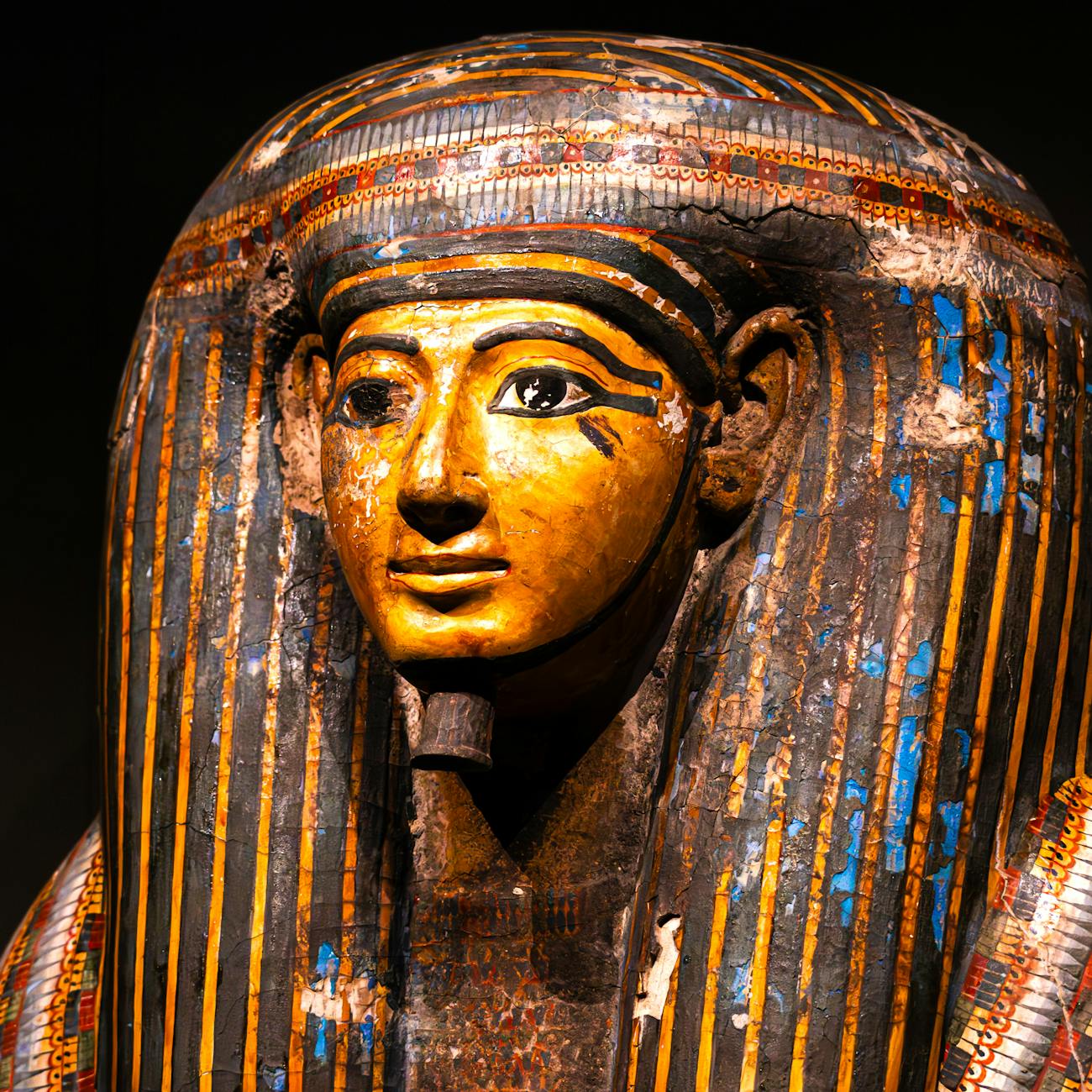
Restorative Art in mortuary science refers to the techniques and procedures used to recreate the natural appearance of a deceased individual for viewing purposes. This art form involves the skilled manipulation of tissues, cosmetics, and other materials to restore the deceased to a lifelike state. Restorative art is essential in providing comfort to grieving families and honoring the memory of the deceased.
Restoration is the process of repairing or rebuilding damaged or missing structures on the deceased. This can include reconstructing facial features, repairing injuries, or restoring natural coloring to the skin. Restoration is a crucial aspect of restorative art, as it aims to present the deceased in a dignified and recognizable manner.
Embalming is the process of preserving and disinfecting a deceased body through the injection of embalming fluids. This procedure helps slow down the decomposition process and allows for a more natural appearance during the viewing. Embalming is often a necessary step in the restorative art process, as it provides a stable foundation for further restoration work.
The facial reconstruction is a technique used in restorative art to recreate the natural appearance of a deceased individual's face. This may involve sculpting features using wax, clay, or other materials to restore facial symmetry and proportions. Facial reconstruction requires a high level of skill and precision to accurately recreate the unique characteristics of the deceased.
Cosmetics play a significant role in restorative art by enhancing the natural features of the deceased and creating a lifelike appearance. Cosmetics are carefully applied to the skin, lips, and eyes to restore color and texture, and to reduce the appearance of discoloration or blemishes. The use of cosmetics in restorative art requires expertise in color matching and application techniques to achieve a natural and flattering result.
The restorative artist is a highly skilled professional trained in the art of restoring the natural appearance of the deceased. Restorative artists possess a deep understanding of anatomy, physiology, and cosmetic techniques, as well as a keen eye for detail and aesthetics. These professionals work closely with funeral directors and families to ensure that the deceased is presented in a dignified and respectful manner.
The restorative art room is a dedicated workspace equipped with tools, materials, and equipment for performing restorative art procedures. This room is designed to provide a clean and organized environment for the restorative artist to work efficiently and effectively. The restorative art room typically contains a embalming table, lighting fixtures, mirrors, and a variety of cosmetics and sculpting tools.
The restorative process involves a series of steps and techniques to restore the natural appearance of the deceased. This process may include embalming, facial reconstruction, tissue building, cosmetic application, and other restorative procedures. The restorative process requires careful planning, attention to detail, and a compassionate approach to honoring the deceased.
Tissue building is a technique used in restorative art to fill in depressions or hollow areas on the deceased. This may involve the use of cotton, wax, or other materials to build up tissues and create a more natural contour. Tissue building helps restore the volume and shape of facial features, enhancing the overall appearance of the deceased.
Restorative art presents unique challenges and ethical considerations for funeral professionals. It requires a delicate balance between honoring the deceased's memory and respecting the wishes of the family. Restorative artists must approach their work with sensitivity, empathy, and professionalism to ensure that the deceased is presented in a dignified and authentic manner.
Continuing education and training are essential for restorative artists to stay current with advances in techniques, materials, and technology. Ongoing professional development helps restorative artists refine their skills, expand their knowledge, and enhance their ability to provide quality service to grieving families. By investing in their education, restorative artists can continue to uphold the highest standards of care and craftsmanship in their work.
In conclusion, restorative art is a vital component of mortuary science that requires skill, artistry, and compassion. By mastering the techniques and principles of restorative art, funeral professionals can provide comfort and closure to grieving families while honoring the memory of the deceased. Through dedication, training, and a deep commitment to excellence, restorative artists can make a meaningful impact in the lives of those they serve.
Key takeaways
- Restorative Art in mortuary science refers to the techniques and procedures used to recreate the natural appearance of a deceased individual for viewing purposes.
- Restoration is a crucial aspect of restorative art, as it aims to present the deceased in a dignified and recognizable manner.
- Embalming is often a necessary step in the restorative art process, as it provides a stable foundation for further restoration work.
- The facial reconstruction is a technique used in restorative art to recreate the natural appearance of a deceased individual's face.
- Cosmetics are carefully applied to the skin, lips, and eyes to restore color and texture, and to reduce the appearance of discoloration or blemishes.
- These professionals work closely with funeral directors and families to ensure that the deceased is presented in a dignified and respectful manner.
- The restorative art room is a dedicated workspace equipped with tools, materials, and equipment for performing restorative art procedures.