
International Trade Law
International Trade Law (ITL) is a complex and dynamic field that governs the international exchange of goods and services. This explanation will cover key terms and vocabulary that are essential for understanding ITL in the context of an A…
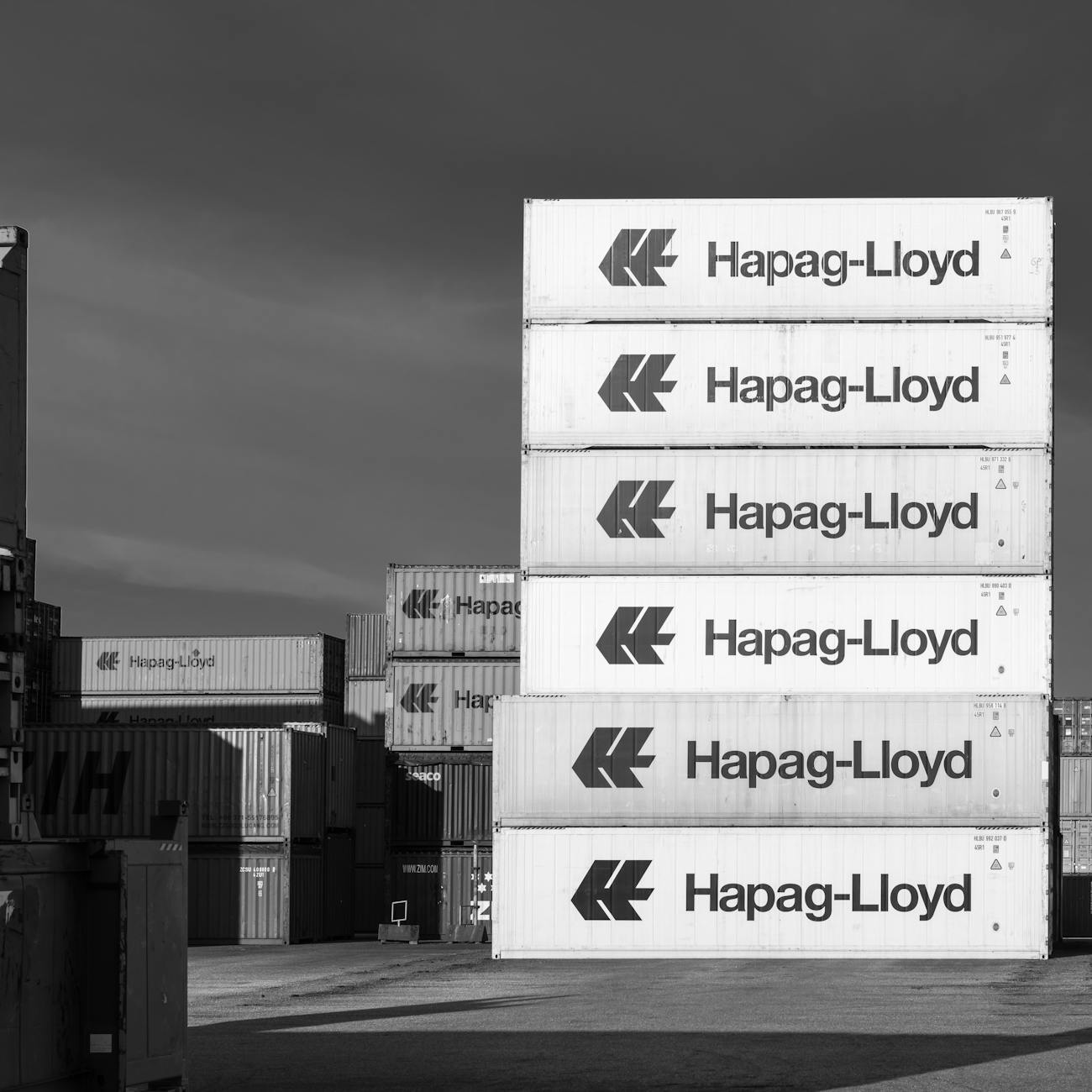
International Trade Law (ITL) is a complex and dynamic field that governs the international exchange of goods and services. This explanation will cover key terms and vocabulary that are essential for understanding ITL in the context of an Advanced Certificate in Sustainable Practices in International Commercial Law.
1. International Trade Agreements (ITAs)
ITAs are agreements between two or more countries that aim to facilitate and regulate international trade. Examples of ITAs include the World Trade Organization (WTO) agreements, bilateral and regional trade agreements. These agreements establish rules for trade in goods, services, and intellectual property, and provide mechanisms for resolving trade disputes.
2. Most-Favored Nation (MFN)
MFN is a principle in ITL that requires a country to grant the most favorable trade terms to all its trading partners. This means that if a country grants a preferential tariff rate to one country, it must grant the same rate to all other countries that are members of the same ITA. The MFN principle is a cornerstone of the WTO and is intended to promote fair and equitable trade.
3. National Treatment
National treatment is a principle in ITL that requires a country to treat foreign goods, services, and investors no less favorably than domestic ones. This means that foreign products, services, and investors must be subject to the same regulatory requirements and taxes as domestic ones. The national treatment principle is intended to promote fair competition and prevent discrimination against foreign goods, services, and investors.
4. Tariffs
Tariffs are taxes or duties imposed on imported or exported goods. Tariffs can be used to protect domestic industries, generate revenue, or influence trade flows. Tariffs can be either ad valorem (based on the value of the goods) or specific (based on a fixed amount per unit). Tariffs can also be either prohibitive (designed to prevent importation) or protective (designed to protect domestic industry).
5. Non-Tariff Barriers (NTBs)
NTBs are measures other than tariffs that restrict or distort international trade. NTBs can take many forms, including quotas, licensing requirements, technical regulations, and sanitary and phytosanitary measures. NTBs can be used to protect domestic industries, ensure public health and safety, or promote other public policy objectives. However, NTBs can also be used to discriminate against foreign goods and services and distort competition.
6. Anti-Dumping Duties
Anti-dumping duties are tariffs imposed on imported goods that are sold at prices below their "normal value." The normal value is typically the price of the goods in the exporting country or in a third country. Anti-dumping duties are intended to prevent dumping, which is the practice of selling goods at prices below their production costs or domestic prices to gain a competitive advantage.
7. Countervailing Duties
Countervailing duties are tariffs imposed on imported goods that have received subsidies from their governments. Countervailing duties are intended to offset the subsidy and restore fair competition. Subsidies can take many forms, including direct cash payments, tax breaks, and access to cheap credit.
8. Safeguards
Safeguards are measures taken to protect domestic industries from an unexpected and significant increase in imports. Safeguards can take the form of tariffs, quotas, or other restrictions on imports. Safeguards are intended to be temporary and are subject to strict conditions and procedures under the WTO.
9. Dispute Settlement
Dispute settlement is a mechanism for resolving trade disputes between countries. The WTO has a comprehensive dispute settlement system that provides for binding arbitration and enforcement of decisions. Dispute settlement is a key component of the WTO's efforts to promote a rules-based trading system and prevent unilateral action.
10. Intellectual Property Rights (IPRs)
IPRs are exclusive rights granted to creators of intellectual property, such as patents, trademarks, and copyrights. IPRs are intended to promote innovation and creativity by providing incentives for creators to invest in the development of new ideas and products. IPRs are an important component of ITL and are subject to extensive regulation and protection under international agreements.
11. Sustainable Practices
Sustainable practices are business practices that promote economic growth, social well-being, and environmental protection. Sustainable practices can include reducing waste, using renewable energy, promoting fair labor practices, and engaging in ethical sourcing. Sustainable practices are increasingly important in international trade and are becoming a key component of many ITAs.
12. Corporate Social Responsibility (CSR)
CSR is a self-regulating business model that helps a company be socially accountable to itself, its stakeholders, and the public. CSR can be part of a company's operations, supply chain management, and/or marketing strategies. CSR can be used to promote ethical business practices, protect human rights, and promote sustainability. CSR is becoming an increasingly important component of international trade and is being integrated into many ITAs.
13. Environmental, Social, and Governance (ESG)
ESG is a set of standards used to evaluate a company's performance on environmental, social, and governance issues. ESG is becoming an increasingly important factor in investment decisions and is being integrated into many ITAs. ESG can be used to promote sustainable practices, protect human rights, and promote transparency and accountability.
14. Green Trade
Green trade is the exchange of goods and services that are environmentally friendly or promote sustainability. Green trade can include renewable energy technology, sustainable agriculture, and eco-tourism. Green trade is becoming an increasingly important component of international trade and is being promoted by many ITAs.
15. Circular Economy
A circular economy is an economic system that is restorative and regenerative by design. A circular economy aims to keep products and materials in use for as long as possible, eliminate waste, and promote the continual reuse, repair, and recycling of resources. A circular economy is becoming an increasingly important component of international trade and is being promoted by many ITAs.
In conclusion, understanding the key terms and vocabulary of International Trade Law is essential for anyone seeking an Advanced Certificate in Sustainable Practices in International Commercial Law. These terms and concepts are complex and dynamic, but they form the foundation of a field that is critical to global economic development and sustainability. By understanding these terms and concepts, learners can better navigate the challenges and opportunities of international trade and contribute to the development of a more sustainable and equitable global economy.
Key takeaways
- This explanation will cover key terms and vocabulary that are essential for understanding ITL in the context of an Advanced Certificate in Sustainable Practices in International Commercial Law.
- These agreements establish rules for trade in goods, services, and intellectual property, and provide mechanisms for resolving trade disputes.
- This means that if a country grants a preferential tariff rate to one country, it must grant the same rate to all other countries that are members of the same ITA.
- National treatment is a principle in ITL that requires a country to treat foreign goods, services, and investors no less favorably than domestic ones.
- Tariffs can also be either prohibitive (designed to prevent importation) or protective (designed to protect domestic industry).
- NTBs can take many forms, including quotas, licensing requirements, technical regulations, and sanitary and phytosanitary measures.
- Anti-dumping duties are intended to prevent dumping, which is the practice of selling goods at prices below their production costs or domestic prices to gain a competitive advantage.