
Mindfulness and Meditation Techniques for Wellness
Mindfulness and meditation techniques are essential components of the Professional Certificate in Mind-Body Wellness Coaching, as they provide individuals with the tools to cultivate a deeper sense of awareness, calm, and clarity in their d…
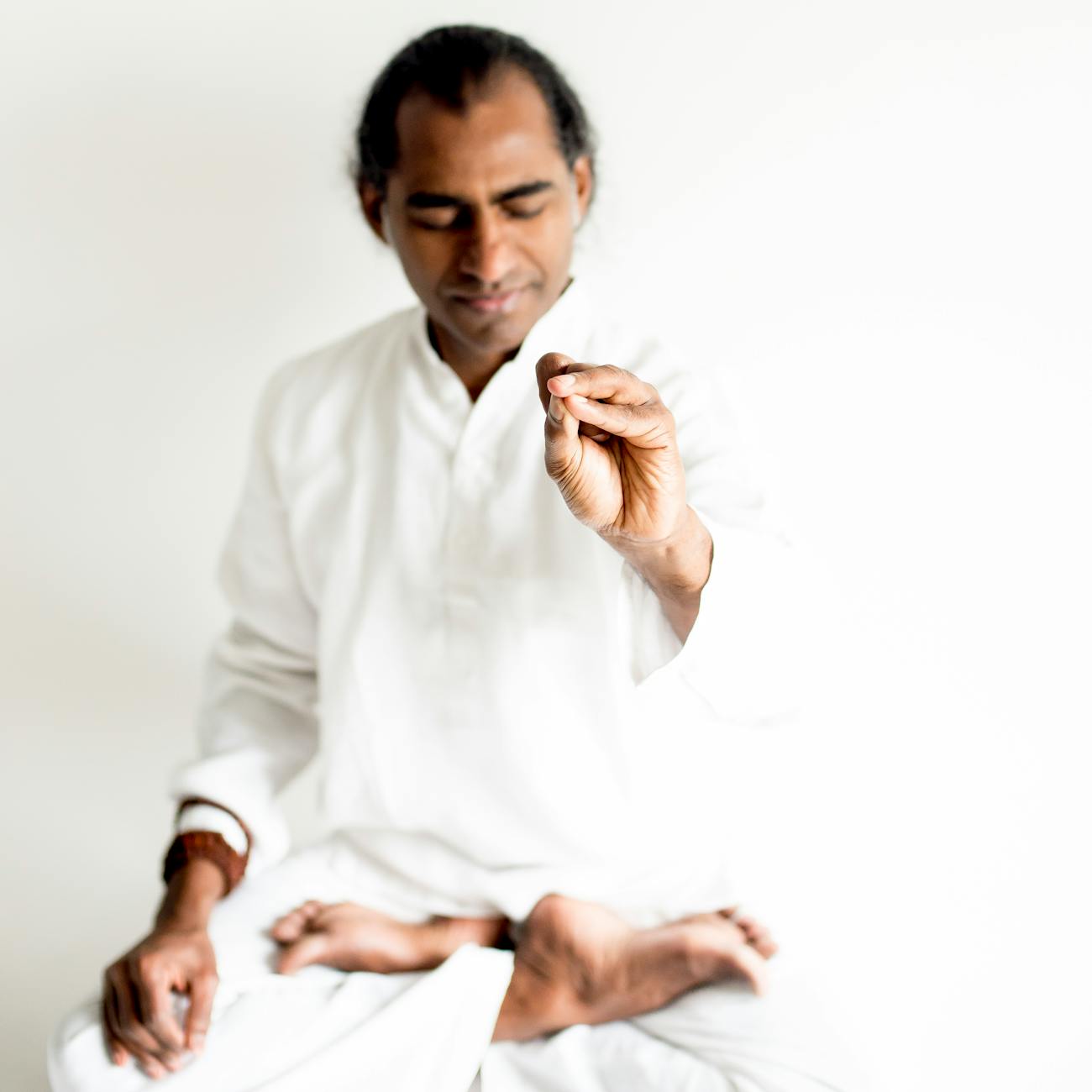
Mindfulness and meditation techniques are essential components of the Professional Certificate in Mind-Body Wellness Coaching, as they provide individuals with the tools to cultivate a deeper sense of awareness, calm, and clarity in their daily lives. At the core of these practices is the concept of presence, which involves being fully engaged in the current moment, without judgment or distraction. This can be achieved through various techniques, including focused attention, open monitoring, and loving-kindness meditation.
One of the primary benefits of mindfulness and meditation is their ability to reduce stress and anxiety, which are common underlying factors in many mental and physical health conditions. By teaching individuals to focus on the present moment, rather than dwelling on the past or worrying about the future, these practices can help to alleviate feelings of overwhelm and promote a sense of calm and well-being. For example, a study published in the Journal of the American Medical Association found that mindfulness meditation was effective in reducing symptoms of anxiety and depression in patients with chronic pain.
In addition to reducing stress and anxiety, mindfulness and meditation can also have a positive impact on emotional regulation. By increasing awareness of thoughts, feelings, and physical sensations, individuals can better understand and manage their emotions, leading to improved relationships, decision-making, and overall well-being. This can be particularly beneficial for individuals who struggle with impulsive behaviors or emotional reactivity, as mindfulness and meditation can help to promote a sense of clarity and calm in the face of challenging situations.
Another key aspect of mindfulness and meditation is their ability to enhance cognitive function, particularly in areas such as attention, memory, and problem-solving. By training the mind to focus and concentrate, individuals can improve their ability to learn new information, think critically, and make sound decisions. For instance, a study published in the journal Psychological Science found that mindfulness meditation was associated with improved attention and reduced mind-wandering in individuals with attention-deficit/hyperactivity disorder.
In terms of practical applications, mindfulness and meditation can be incorporated into daily life in a variety of ways, such as through morning meditation, mindful movement, or mindful eating. For example, individuals can start their day with a short meditation practice, focusing on their breath or a mantra, to set a positive tone for the rest of the day. Alternatively, they can engage in mindful movement, such as yoga or tai chi, to cultivate a sense of awareness and presence in their physical body.
One of the challenges of establishing a mindfulness and meditation practice is finding the time and motivation to commit to regular practice. Many individuals may find it difficult to establish a consistent routine, particularly if they are new to these practices. To overcome this challenge, it can be helpful to start small, with short periods of practice, and gradually increase the duration and frequency over time. Additionally, finding a community of like-minded individuals, such as a local meditation group or online forum, can provide support, guidance, and motivation to maintain a regular practice.
Another challenge of mindfulness and meditation is the potential for resistance or difficulty in quieting the mind. Many individuals may find that their minds are constantly racing, making it challenging to focus and relax. To overcome this challenge, it can be helpful to use guided meditations or work with a qualified teacher or coach who can provide personalized instruction and support. Additionally, incorporating physical practices, such as yoga or walking, can help to calm the mind and promote a sense of relaxation.
In terms of neuroplasticity, mindfulness and meditation have been shown to have a positive impact on the brain, particularly in areas such as the prefrontal cortex and hippocampus. By promoting changes in the structure and function of the brain, these practices can lead to improved cognitive function, emotional regulation, and overall well-being. For example, a study published in the journal NeuroImage found that long-term meditators showed increased gray matter in areas of the brain associated with attention, emotion regulation, and memory.
The concept of mindfulness is closely related to the idea of awareness, which involves being aware of one's thoughts, feelings, and physical sensations in the present moment. This can be achieved through various techniques, including mindfulness meditation, yoga, and tai chi. By cultivating awareness, individuals can better understand themselves and the world around them, leading to improved relationships, decision-making, and overall well-being.
In addition to mindfulness, loving-kindness meditation is another powerful technique for cultivating a sense of compassion, empathy, and understanding towards oneself and others. This practice involves focusing on sentiments of love, compassion, and kindness, and directing them towards oneself and others. By cultivating loving-kindness, individuals can develop a greater sense of connection and community, leading to improved relationships and overall well-being.
The practice of transcendental meditation is another technique that has been shown to have a positive impact on mental and physical health. This practice involves the use of a mantra to quiet the mind and access a deeper state of consciousness. By regular practice, individuals can experience reduced stress and anxiety, improved cognitive function, and enhanced overall well-being.
In terms of physiological responses, mindfulness and meditation have been shown to have a positive impact on various bodily systems, including the cardiovascular, immune, and nervous systems. By reducing stress and promoting relaxation, these practices can lead to lower blood pressure, improved immune function, and enhanced overall health. For example, a study published in the journal Psychosomatic Medicine found that mindfulness meditation was associated with reduced inflammation and improved immune function in patients with chronic pain.
The concept of energy is also closely related to mindfulness and meditation, as these practices can help to cultivate a sense of vitality and well-being. By promoting relaxation, reducing stress, and enhancing cognitive function, mindfulness and meditation can help individuals to feel more energized and motivated, leading to improved overall health and well-being.
In terms of spiritual growth, mindfulness and meditation can provide a deeper sense of connection to oneself, others, and the world around us. By cultivating awareness, compassion, and understanding, individuals can develop a greater sense of purpose and meaning, leading to improved overall well-being and life satisfaction. For example, a study published in the Journal of Positive Psychology found that mindfulness meditation was associated with increased feelings of gratitude, compassion, and life satisfaction in individuals with chronic illness.
The practice of guided meditation is another powerful technique for cultivating mindfulness and meditation. This practice involves listening to a guided audio recording that leads the individual through a meditation practice, often focusing on a specific theme or intention. By using guided meditation, individuals can experience reduced stress and anxiety, improved cognitive function, and enhanced overall well-being.
In terms of group meditation, practicing with others can provide a sense of community and support, which can be beneficial for maintaining a regular practice. Group meditation can also provide an opportunity for individuals to connect with others who share similar interests and goals, leading to improved relationships and overall well-being.
The concept of intention is also closely related to mindfulness and meditation, as setting a clear intention can help to focus the mind and cultivate a sense of purpose. By setting an intention, individuals can clarify their goals and values, leading to improved decision-making and overall well-being.
In terms of challenges, establishing a mindfulness and meditation practice can be difficult, particularly for individuals who are new to these practices. Common challenges include finding the time and motivation to practice, dealing with a busy or restless mind, and maintaining a consistent routine. To overcome these challenges, it can be helpful to start small, find a quiet and comfortable space to practice, and use guided meditations or work with a qualified teacher or coach.
The practice of walking meditation is another powerful technique for cultivating mindfulness and meditation. This practice involves paying attention to the sensation of each step, often focusing on the sensation of the feet touching the ground. By using walking meditation, individuals can experience reduced stress and anxiety, improved cognitive function, and enhanced overall well-being.
In terms of corporate wellness, mindfulness and meditation can provide a range of benefits for employees and organizations, including reduced stress and anxiety, improved cognitive function, and enhanced overall well-being. By incorporating mindfulness and meditation into the workplace, organizations can promote a healthier and more productive work environment, leading to improved job satisfaction and overall well-being.
The concept of self-care is also closely related to mindfulness and meditation, as these practices can provide a range of benefits for overall health and well-being. By prioritizing self-care, individuals can cultivate a sense of awareness, compassion, and understanding, leading to improved relationships, decision-making, and overall well-being.
In terms of education, mindfulness and meditation can provide a range of benefits for students and educators, including improved cognitive function, reduced stress and anxiety, and enhanced overall well-being. By incorporating mindfulness and meditation into educational settings, educators can promote a healthier and more supportive learning environment, leading to improved academic performance and overall well-being.
The practice of movement meditation is another powerful technique for cultivating mindfulness and meditation. This practice involves paying attention to the sensation of movement, often focusing on the sensation of the body in motion. By using movement meditation, individuals can experience reduced stress and anxiety, improved cognitive function, and enhanced overall well-being.
In terms of research, mindfulness and meditation have been extensively studied
Key takeaways
- At the core of these practices is the concept of presence, which involves being fully engaged in the current moment, without judgment or distraction.
- By teaching individuals to focus on the present moment, rather than dwelling on the past or worrying about the future, these practices can help to alleviate feelings of overwhelm and promote a sense of calm and well-being.
- This can be particularly beneficial for individuals who struggle with impulsive behaviors or emotional reactivity, as mindfulness and meditation can help to promote a sense of clarity and calm in the face of challenging situations.
- For instance, a study published in the journal Psychological Science found that mindfulness meditation was associated with improved attention and reduced mind-wandering in individuals with attention-deficit/hyperactivity disorder.
- In terms of practical applications, mindfulness and meditation can be incorporated into daily life in a variety of ways, such as through morning meditation, mindful movement, or mindful eating.
- Additionally, finding a community of like-minded individuals, such as a local meditation group or online forum, can provide support, guidance, and motivation to maintain a regular practice.
- To overcome this challenge, it can be helpful to use guided meditations or work with a qualified teacher or coach who can provide personalized instruction and support.