
Introduction to Rural Tourism Management
Rural tourism management is a field that focuses on the development and sustainability of tourism in rural areas. This type of tourism can bring economic benefits to rural communities, preserve cultural and natural heritage, and promote env…
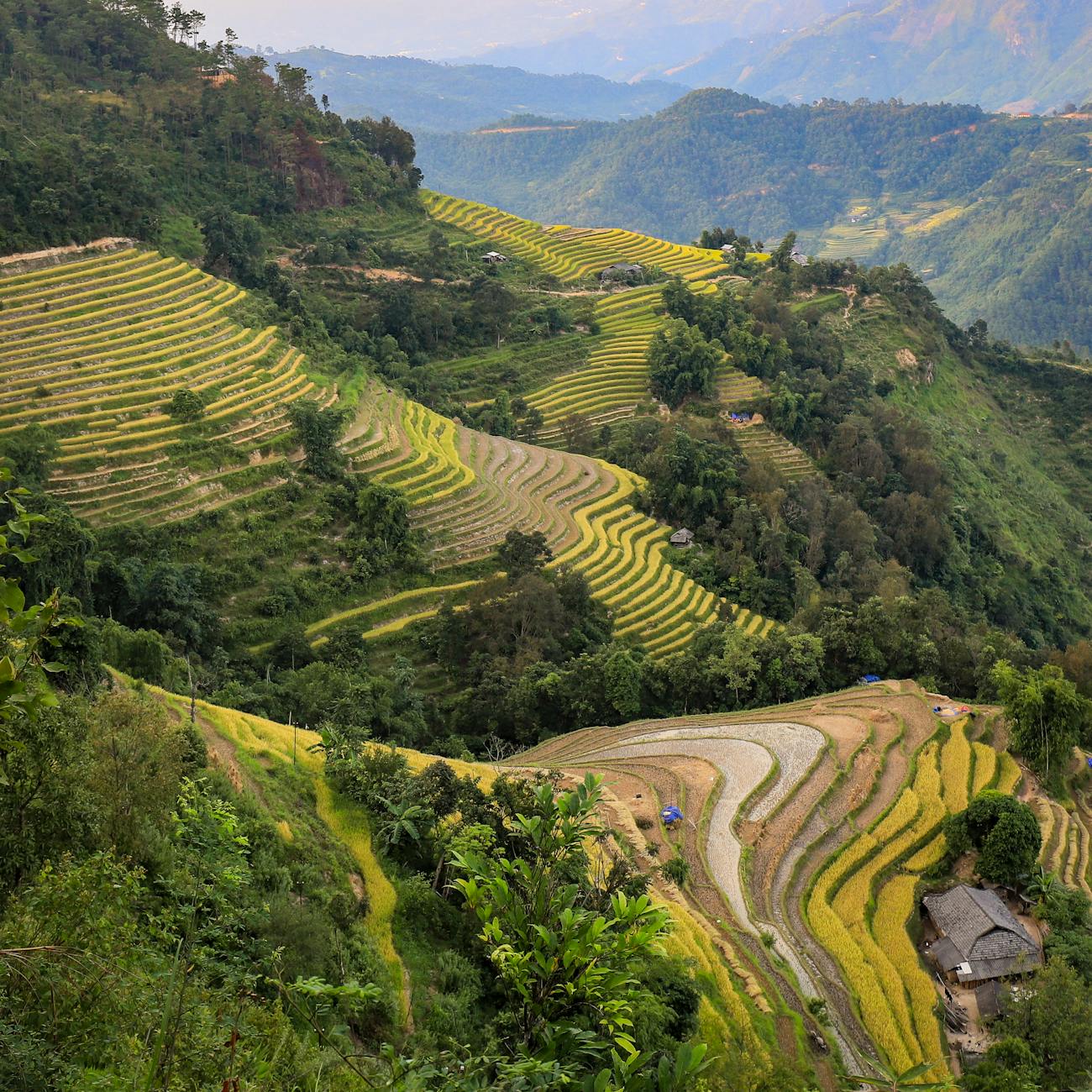
Rural tourism management is a field that focuses on the development and sustainability of tourism in rural areas. This type of tourism can bring economic benefits to rural communities, preserve cultural and natural heritage, and promote environmental conservation. In this explanation, we will discuss key terms and vocabulary related to Introduction to Rural Tourism Management in the Global Certificate in Rural Tourism Management.
1. Rural Tourism Rural tourism is a form of tourism that takes place in rural areas, including countryside, villages, and small towns. It is a type of tourism that focuses on experiencing the natural and cultural heritage of rural areas, and it can include activities such as agritourism, ecotourism, cultural tourism, and adventure tourism.
2. Agritourism Agritourism is a type of rural tourism that involves visiting a farm or ranch for recreational, educational, or agricultural purposes. It can include activities such as picking fruits and vegetables, horseback riding, hayrides, and farm tours. Agritourism can provide economic benefits to farmers and ranchers, and it can also help to educate consumers about agriculture and rural life.
3. Ecotourism Ecotourism is a type of rural tourism that focuses on responsible travel to natural areas that conserves the environment and improves the well-being of local people. It can include activities such as hiking, birdwatching, and wildlife observation. Ecotourism can provide economic benefits to local communities while also promoting environmental conservation and sustainability.
4. Cultural Tourism Cultural tourism is a type of rural tourism that involves visiting cultural sites, such as museums, historical sites, and cultural events. It can include activities such as attending festivals, learning about local customs and traditions, and visiting heritage sites. Cultural tourism can provide economic benefits to local communities while also promoting cultural preservation and heritage conservation.
5. Adventure Tourism Adventure tourism is a type of rural tourism that involves participating in exciting and challenging activities, such as rock climbing, rafting, and zip lining. It can provide economic benefits to local communities while also promoting physical fitness and personal growth.
6. Sustainable Tourism Sustainable tourism is a type of tourism that takes into account the environmental, economic, and social impacts of tourism and seeks to minimize negative impacts while maximizing positive impacts. It involves responsible travel that conserves natural and cultural resources, respects local communities, and provides economic benefits to local people.
7. Community-Based Tourism Community-based tourism is a type of rural tourism that involves local communities in the planning, development, and management of tourism activities. It can provide economic benefits to local communities while also promoting cultural preservation and sustainable development.
8. Homestay A homestay is a type of accommodation where visitors stay in the home of a local family. Homestays can provide an authentic cultural experience and can also provide economic benefits to local families.
9. Farmstay A farmstay is a type of accommodation where visitors stay on a farm and participate in farm activities. Farmstays can provide an authentic agricultural experience and can also provide economic benefits to farmers.
10. Rural Tourism Association A rural tourism association is an organization that represents the interests of rural tourism operators and promotes rural tourism development. It can provide resources and support to rural tourism operators and can also advocate for policies that support rural tourism.
11. Rural Tourism Strategy A rural tourism strategy is a plan for developing and promoting rural tourism in a specific area. It can include goals, objectives, and action plans for developing and marketing rural tourism products and services.
12. Rural Tourism Infrastructure Rural tourism infrastructure refers to the physical facilities and services needed to support rural tourism, such as roads, accommodation, restaurants, and tourist information centers.
13. Rural Tourism Marketing Rural tourism marketing is the promotion of rural tourism products and services to potential visitors. It can include advertising, public relations, social media, and other marketing strategies.
14. Rural Tourism Product A rural tourism product is a tourism experience or activity that takes place in a rural area. It can include agritourism, ecotourism, cultural tourism, and adventure tourism experiences.
15. Rural Tourism Destination A rural tourism destination is a location that attracts tourists for rural tourism experiences. It can include countryside, villages, and small towns.
16. Rural Tourism Impact Rural tourism impact refers to the effects of rural tourism on the environment, economy, and society. It can include both positive and negative impacts, such as economic benefits, environmental conservation, and cultural preservation.
17. Rural Tourism Policy Rural tourism policy is a set of guidelines and regulations that govern rural tourism development. It can include policies related to land use, environmental conservation, cultural preservation, and economic development.
18. Rural Tourism Training Rural tourism training is the education and development of skills needed for rural tourism operators and employees. It can include training in areas such as customer service, marketing, and sustainable tourism practices.
19. Rural Tourism Research Rural tourism research is the study of rural tourism practices, trends, and impacts. It can include research on topics such as rural tourism development, sustainability, and community involvement.
20. Rural Tourism Network A rural tourism network is a group of rural tourism operators and stakeholders who collaborate to promote and develop rural tourism. It can provide a platform for sharing knowledge, resources, and best practices.
In conclusion, rural tourism management is a complex field that involves a wide range of terms and concepts. Understanding these terms is essential for anyone involved in rural tourism development, whether as a tourism operator, policy maker, or researcher. By promoting sustainable and responsible rural tourism, we can help to preserve natural and cultural heritage, support local economies, and provide authentic and memorable experiences for visitors.
Key takeaways
- In this explanation, we will discuss key terms and vocabulary related to Introduction to Rural Tourism Management in the Global Certificate in Rural Tourism Management.
- It is a type of tourism that focuses on experiencing the natural and cultural heritage of rural areas, and it can include activities such as agritourism, ecotourism, cultural tourism, and adventure tourism.
- Agritourism Agritourism is a type of rural tourism that involves visiting a farm or ranch for recreational, educational, or agricultural purposes.
- Ecotourism Ecotourism is a type of rural tourism that focuses on responsible travel to natural areas that conserves the environment and improves the well-being of local people.
- Cultural Tourism Cultural tourism is a type of rural tourism that involves visiting cultural sites, such as museums, historical sites, and cultural events.
- Adventure Tourism Adventure tourism is a type of rural tourism that involves participating in exciting and challenging activities, such as rock climbing, rafting, and zip lining.
- Sustainable Tourism Sustainable tourism is a type of tourism that takes into account the environmental, economic, and social impacts of tourism and seeks to minimize negative impacts while maximizing positive impacts.