
Supply Chain Technology and Systems
Supply chain technology and systems are critical components of the defense industry, as they enable the efficient and effective management of resources, equipment, and personnel. A key concept in supply chain technology is the use of enterp…
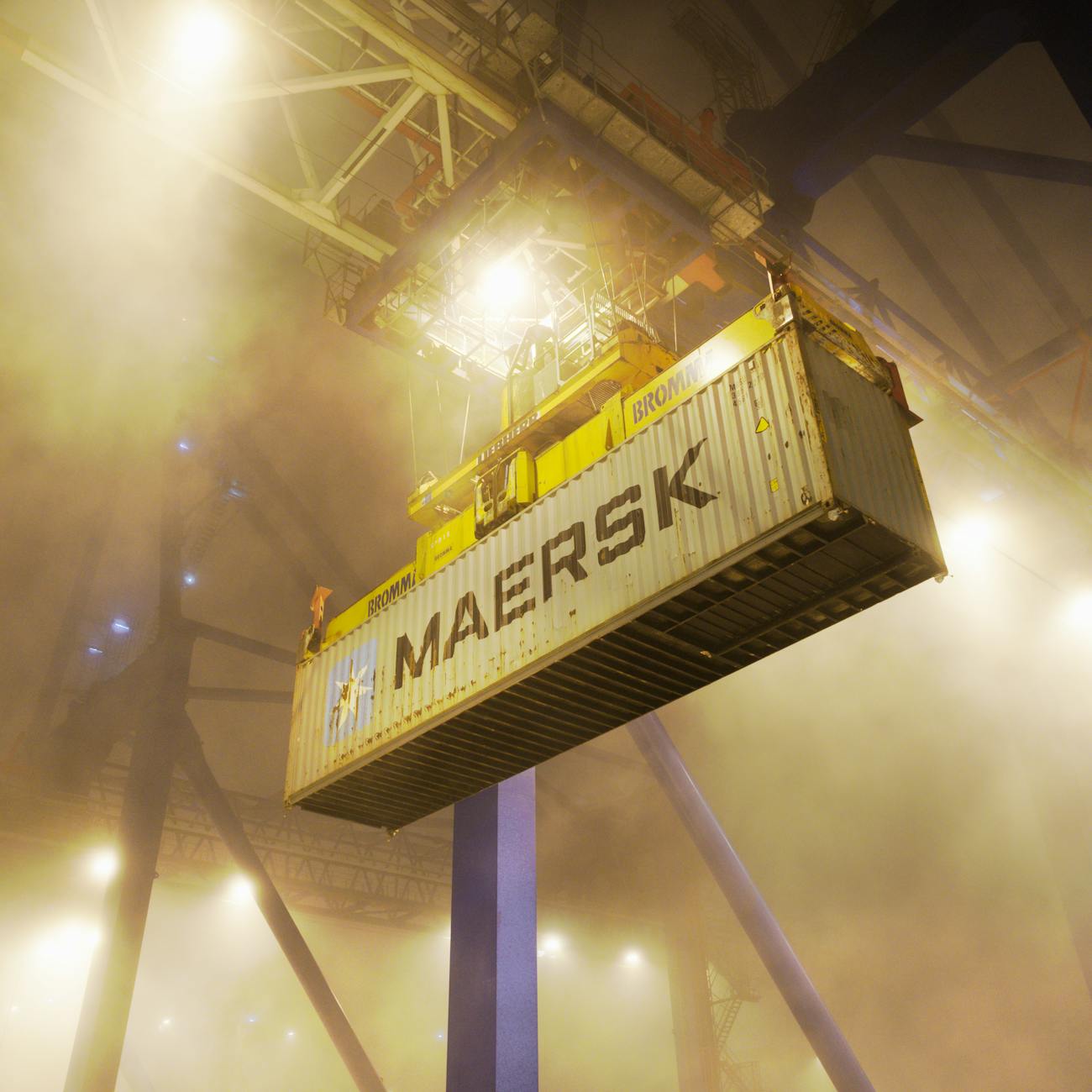
Supply chain technology and systems are critical components of the defense industry, as they enable the efficient and effective management of resources, equipment, and personnel. A key concept in supply chain technology is the use of enterprise resource planning systems, which integrate all aspects of an organization's operations, including procurement, inventory management, and logistics. These systems provide real-time visibility into supply chain operations, enabling managers to make informed decisions and respond quickly to changes in demand or supply.
In the defense industry, supply chain technology is used to manage the complex and often global supply chains that are required to support military operations. This includes the use of advanced technologies such as artificial intelligence, blockchain, and the Internet of Things (IoT) to track and manage the movement of goods, equipment, and personnel. For example, the use of IoT sensors can provide real-time tracking and monitoring of shipments, enabling logistics managers to respond quickly to delays or disruptions.
Another important concept in supply chain technology is the use of cloud computing, which enables organizations to store and process large amounts of data in a secure and scalable manner. Cloud computing is particularly useful in the defense industry, where large amounts of data need to be processed and analyzed quickly in order to support military operations. For example, cloud-based analytics platforms can be used to analyze data from various sources, including sensors, drones, and other equipment, in order to provide insights into enemy movements and tactics.
In addition to these technologies, supply chain systems in the defense industry also rely on robust and secure communication networks, which enable the exchange of information and data between different organizations and systems. These networks must be designed to withstand cyber threats and other forms of disruption, in order to ensure the continuity of supply chain operations. For example, the use of secure communication protocols such as HTTPS and SFTP can provide an additional layer of security for data transmission.
The use of data analytics is also critical in supply chain technology, as it enables organizations to gain insights into their operations and make informed decisions. In the defense industry, data analytics can be used to analyze data from various sources, including sensors, drones, and other equipment, in order to provide insights into enemy movements and tactics. For example, data analytics can be used to analyze data from social media and other online sources, in order to identify potential security threats and predict enemy behavior.
Supply chain technology and systems in the defense industry also rely on collaboration and cooperation between different organizations and stakeholders. This includes collaboration between government agencies, contractors, and other industry partners, in order to share information and resources and coordinate supply chain operations. For example, the use of collaborative planning and forecasting tools can enable organizations to share data and forecasts, in order to improve the accuracy of demand forecasts and reduce the risk of stockouts or overstocking.
In terms of practical applications, supply chain technology and systems are used in a variety of contexts in the defense industry, including logistics and transportation, procurement and acquisition, and maintenance and repair. For example, the use of automated identification and data capture (AIDC) technologies such as RFID and barcode scanning can improve the efficiency and accuracy of logistics operations, by enabling the rapid tracking and identification of goods and equipment.
The use of supply chain technology and systems in the defense industry also presents a number of challenges, including the need for security and confidentiality, the complexity of global supply chains, and the need for interoperability between different systems and organizations. For example, the use of cloud computing and other advanced technologies can create security risks, if not properly managed and secured. Similarly, the complexity of global supply chains can create challenges for logistics managers, who must coordinate the movement of goods and equipment across multiple countries and regions.
In order to address these challenges, supply chain professionals in the defense industry must have a range of skills and knowledge, including expertise in supply chain management, logistics, and procurement, as well as knowledge of emerging technologies such as artificial intelligence and blockchain. They must also have strong analytical and problem-solving skills, in order to analyze data and make informed decisions, and strong communication and collaboration skills, in order to work effectively with other stakeholders and organizations.
The use of supply chain technology and systems in the defense industry is also subject to a range of regulations and standards, including the Defense Federal Acquisition Regulation Supplement (DFARS) and the International Organization for Standardization (ISO) 28000 series. These regulations and standards provide a framework for the management of supply chain operations, including the use of secure communication protocols and the implementation of quality management systems.
In terms of future trends and developments, the use of supply chain technology and systems in the defense industry is likely to continue to evolve, with the adoption of emerging technologies such as artificial intelligence, blockchain, and the Internet of Things (IoT). These technologies have the potential to transform supply chain operations, by enabling the creation of more agile, responsive, and secure supply chains. For example, the use of artificial intelligence can enable the automation of logistics operations, while the use of blockchain can provide a secure and transparent way to track and manage the movement of goods and equipment.
The use of big data analytics is also likely to play an increasingly important role in supply chain technology and systems, as organizations seek to gain insights into their operations and make informed decisions. This will require the development of advanced analytics capabilities, including the use of machine learning and predictive analytics. For example, the use of predictive analytics can enable logistics managers to forecast demand and predict potential disruptions, while the use of machine learning can enable the automation of logistics operations.
In addition to these trends and developments, the use of supply chain technology and systems in the defense industry is also likely to be influenced by a range of global factors, including the increasing complexity of global supply chains, the growing threat of cyber attacks, and the need for sustainability and environmental responsibility. For example, the use of sustainable and environmentally responsible practices can help to reduce the environmental impact of supply chain operations, while the use of secure communication protocols can help to protect against cyber threats.
In order to address these challenges and trends, supply chain professionals in the defense industry must be able to think strategically and creatively, and to develop innovative solutions to complex problems. They must also be able to work effectively with other stakeholders and organizations, including government agencies, contractors, and industry partners. For example, the use of collaborative planning and forecasting tools can enable organizations to share data and forecasts, in order to improve the accuracy of demand forecasts and reduce the risk of stockouts or overstocking.
The use of supply chain technology and systems in the defense industry also requires a range of technical skills, including expertise in programming languages such as Python and Java, as well as knowledge of database management systems and data analytics tools. Supply chain professionals must also have strong analytical skills, in order to analyze data and make informed decisions, and strong communication skills, in order to work effectively with other stakeholders and organizations.
In terms of specific job roles and responsibilities, supply chain professionals in the defense industry may work in a range of positions, including logistics manager, procurement manager, and supply chain analyst. These roles require a range of skills and knowledge, including expertise in supply chain management, logistics, and procurement, as well as knowledge of emerging technologies such as artificial intelligence and blockchain.
The use of supply chain technology and systems in the defense industry also requires a range of soft skills, including strong communication and collaboration skills, as well as the ability to think strategically and creatively. Supply chain professionals must be able to work effectively with other stakeholders and organizations, including government agencies, contractors, and industry partners, and to develop innovative solutions to complex problems.
In addition to these skills and knowledge, supply chain professionals in the defense industry must also be able to adapt to changing circumstances and priorities, and to respond quickly to emerging threats and opportunities. This requires a range of skills and knowledge, including expertise in crisis management and emergency response, as well as knowledge of global events and trends.
The use of supply chain technology and systems in the defense industry is a complex and challenging field, requiring a range of skills and knowledge, including expertise in supply chain management, logistics, and procurement, as well as knowledge of emerging technologies such as artificial intelligence and blockchain. Supply chain professionals in the defense industry must be able to think strategically and creatively, and to develop innovative solutions to complex problems, in order to support the effective and efficient management of supply chain operations.
In terms of best practices, supply chain professionals in the defense industry should prioritize the use of secure communication protocols and advanced technologies, such as artificial intelligence and blockchain, in order to protect against cyber threats and improve the efficiency and effectiveness of supply chain operations. They should also prioritize the development of collaborative relationships with other stakeholders and organizations, including government agencies, contractors, and industry partners, in order to share information and resources and coordinate supply chain operations.
The use of supply chain technology and systems in the defense industry is also subject to a range of regulations and standards, including the Defense Federal Acquisition Regulation Supplement (DFARS) and the International Organization for Standardization (ISO) 28000 series.
In order to comply with these regulations and standards, supply chain professionals in the defense industry must have a range of skills and knowledge, including expertise in supply chain management, logistics, and procurement, as well as knowledge of emerging technologies such as artificial intelligence and blockchain. They must also have strong analytical skills, in order to analyze data and make informed decisions, and strong communication skills, in order to work effectively with other stakeholders and organizations.
The use of supply chain technology and systems in the defense industry is a critical component of national security, enabling the effective and efficient management of resources, equipment, and personnel.
In terms of future research and development, the use of supply chain technology and systems in the defense industry is likely to continue to evolve, with the adoption of emerging technologies such as artificial intelligence, blockchain, and the Internet of Things (IoT).
The use of supply chain technology and systems in the defense industry requires a range of skills and knowledge, including expertise in supply chain management, logistics, and procurement, as well as knowledge of emerging technologies such as artificial intelligence and blockchain.
Key takeaways
- A key concept in supply chain technology is the use of enterprise resource planning systems, which integrate all aspects of an organization's operations, including procurement, inventory management, and logistics.
- This includes the use of advanced technologies such as artificial intelligence, blockchain, and the Internet of Things (IoT) to track and manage the movement of goods, equipment, and personnel.
- For example, cloud-based analytics platforms can be used to analyze data from various sources, including sensors, drones, and other equipment, in order to provide insights into enemy movements and tactics.
- In addition to these technologies, supply chain systems in the defense industry also rely on robust and secure communication networks, which enable the exchange of information and data between different organizations and systems.
- In the defense industry, data analytics can be used to analyze data from various sources, including sensors, drones, and other equipment, in order to provide insights into enemy movements and tactics.
- For example, the use of collaborative planning and forecasting tools can enable organizations to share data and forecasts, in order to improve the accuracy of demand forecasts and reduce the risk of stockouts or overstocking.
- In terms of practical applications, supply chain technology and systems are used in a variety of contexts in the defense industry, including logistics and transportation, procurement and acquisition, and maintenance and repair.