
Stress Management and Mindfulness Techniques
Stress management and mindfulness techniques are essential components of the Professional Certificate in Health and Wellness Program Services, as they provide individuals with the tools and strategies necessary to manage stress, improve ove…
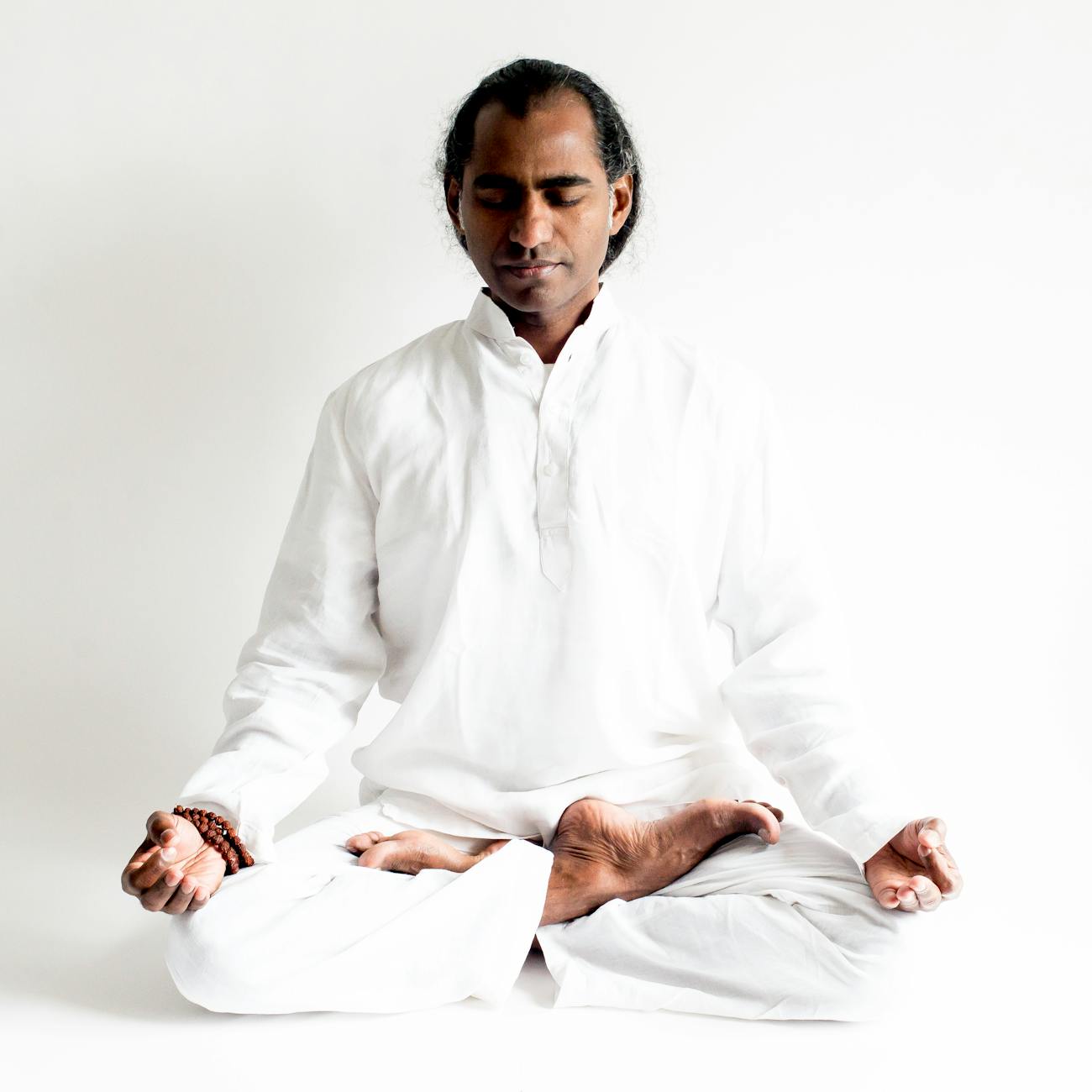
Stress management and mindfulness techniques are essential components of the Professional Certificate in Health and Wellness Program Services, as they provide individuals with the tools and strategies necessary to manage stress, improve overall well-being, and enhance their quality of life. One of the key terms in this context is stress, which refers to the physical, emotional, and psychological response to a perceived threat or demand. When individuals experience stress, their body's fight-or-flight response is triggered, releasing stress hormones such as adrenaline and cortisol into the bloodstream. These hormones prepare the body to either confront the threat or flee from it, causing a range of physiological symptoms including increased heart rate, blood pressure, and respiration.
Chronic stress can have serious negative effects on an individual's physical and mental health, including increased risk of anxiety, depression, and cardiovascular disease. Therefore, it is essential to develop effective stress management techniques to mitigate the negative effects of stress and promote overall well-being. One of the most effective stress management techniques is mindfulness, which involves paying attention to the present moment in a non-judgmental way. Mindfulness techniques, such as meditation and deep breathing, can help individuals reduce stress and anxiety by teaching them to focus on the present moment and let go of worries about the past or future.
Another key term in this context is resilience, which refers to an individual's ability to bounce back from adversity, trauma, or stress. Resilience is not just about withstanding difficult circumstances, but also about emerging from them with a newfound sense of strength, wisdom, and purpose. Developing resilience is critical for managing stress and promoting overall well-being, as it enables individuals to navigate challenging situations with greater ease, confidence, and emotional intelligence. Self-care is also an essential component of stress management and mindfulness, as it involves engaging in activities that promote physical, emotional, and psychological well-being, such as exercise, healthy eating, and spending time in nature.
In addition to these key terms, there are several other important concepts and techniques that are relevant to stress management and mindfulness. For example, grounding techniques, such as focusing on the five senses, can help individuals manage anxiety and stress by bringing them back to the present moment. Progressive muscle relaxation is another technique that involves tensing and relaxing different muscle groups to release physical tension and promote relaxation. Visualization techniques, such as guided imagery, can also be used to manage stress and anxiety by creating a mental image of a peaceful, relaxing environment.
Furthermore, emotional intelligence is a critical component of stress management and mindfulness, as it involves being aware of and able to manage one's emotions, as well as being able to empathize with and understand the emotions of others. Developing emotional intelligence is essential for building strong, supportive relationships, communicating effectively, and managing conflict in a healthy and constructive way. Self-compassion is also an important concept in this context, as it involves treating oneself with kindness, understanding, and acceptance, rather than judgment or criticism.
In terms of practical applications, stress management and mindfulness techniques can be used in a variety of settings, including the workplace, schools, and healthcare organizations. For example, mindfulness-based stress reduction (MBSR) programs have been shown to be effective in reducing stress, anxiety, and depression in both healthy individuals and those with chronic illnesses. Yoga and taichi are also mindfulness-based practices that combine physical movement with deep breathing and meditation techniques to promote relaxation, balance, and overall well-being.
However, there are also several challenges and limitations associated with stress management and mindfulness techniques. For example, some individuals may find it difficult to quiet their minds and focus on the present moment, especially if they are experiencing high levels of stress or anxiety. Others may struggle to establish a regular mindfulness practice, or may find it challenging to incorporate mindfulness into their daily routine. Cultural and linguistic barriers can also create challenges for individuals who are trying to access stress management and mindfulness resources, particularly if these resources are not available in their native language or are not culturally sensitive.
Despite these challenges, the benefits of stress management and mindfulness techniques are well-documented, and they can be used to improve overall well-being, enhance quality of life, and reduce the risk of chronic diseases such as heart disease, diabetes, and obesity. By incorporating mindfulness and self-care into daily life, individuals can develop greater resilience, emotional intelligence, and self-compassion, enabling them to navigate challenging situations with greater ease, confidence, and emotional intelligence. Additionally, stress management techniques such as grounding, progressive muscle relaxation, and visualization can be used to manage anxiety and stress, promote relaxation, and improve overall well-being.
In order to develop effective stress management and mindfulness techniques, it is essential to understand the underlying physiology of stress and how it affects the body. When individuals experience stress, their body's hypothalamic-pituitary-adrenal (HPA) axis is activated, releasing stress hormones such as cortisol and adrenaline into the bloodstream. Chronic stress can disrupt the body's natural circadian rhythms, leading to sleep disturbances, fatigue, and other health problems.
Therefore, it is essential to develop stress management techniques that take into account the underlying physiology of stress, such as diaphragmatic breathing, which can help to slow down the heart rate, lower blood pressure, and promote relaxation. Yoga and taichi are also mindfulness-based practices that can help to reduce stress and anxiety by promoting relaxation, balance, and overall well-being. Additionally, exercise and physical activity can be used to reduce stress and anxiety, improve mood, and enhance overall well-being, by releasing endorphins and other feel-good hormones into the bloodstream.
In terms of specific techniques, mindfulness meditation involves focusing on the present moment, without judgment or distraction, to cultivate a sense of awareness, calm, and clarity. Body scan meditation involves lying down or sitting comfortably, and bringing awareness to different parts of the body, starting from the toes and moving up to the head, to release physical tension and promote relaxation. Walking meditation involves paying attention to the sensation of the feet touching the ground, the movement of the legs, and the rhythm of the breath, to cultivate a sense of awareness, calm, and clarity.
Furthermore, grounding techniques such as focusing on the five senses, can help individuals manage anxiety and stress by bringing them back to the present moment. For example, smell grounding involves focusing on the scent of a particular essential oil, such as lavender or vanilla, to promote relaxation and reduce anxiety. Taste grounding involves focusing on the taste of a particular food or drink, such as a warm cup of tea or a piece of fresh fruit, to promote relaxation and reduce anxiety. Touch grounding involves focusing on the sensation of the feet touching the ground, or the sensation of the hands touching a particular object, such as a stuffed animal or a comfort blanket.
In addition to these techniques, self-inquiry is also an important component of stress management and mindfulness, as it involves exploring one's thoughts, feelings, and behaviors to gain a deeper understanding of oneself and develop greater self-awareness. Journaling is a powerful tool for self-inquiry, as it involves writing down one's thoughts, feelings, and insights to process and reflect on experiences, and gain a deeper understanding of oneself. Self-reflection is also an important component of stress management and mindfulness, as it involves taking the time to reflect on one's experiences, thoughts, and feelings, to gain a deeper understanding of oneself and develop greater self-awareness.
Overall, stress management and mindfulness techniques are essential components of the Professional Certificate in Health and Wellness Program Services, as they provide individuals with the tools and strategies necessary to manage stress, improve overall well-being, and enhance their quality of life.
Key takeaways
- These hormones prepare the body to either confront the threat or flee from it, causing a range of physiological symptoms including increased heart rate, blood pressure, and respiration.
- Mindfulness techniques, such as meditation and deep breathing, can help individuals reduce stress and anxiety by teaching them to focus on the present moment and let go of worries about the past or future.
- Developing resilience is critical for managing stress and promoting overall well-being, as it enables individuals to navigate challenging situations with greater ease, confidence, and emotional intelligence.
- For example, grounding techniques, such as focusing on the five senses, can help individuals manage anxiety and stress by bringing them back to the present moment.
- Self-compassion is also an important concept in this context, as it involves treating oneself with kindness, understanding, and acceptance, rather than judgment or criticism.
- For example, mindfulness-based stress reduction (MBSR) programs have been shown to be effective in reducing stress, anxiety, and depression in both healthy individuals and those with chronic illnesses.
- For example, some individuals may find it difficult to quiet their minds and focus on the present moment, especially if they are experiencing high levels of stress or anxiety.