
Introduction to Bio-Clean Solutions
The Certified Specialist Programme in Bio-Clean Solutions is designed to provide learners with a comprehensive understanding of the principles and practices of bio-clean solutions, which are environmentally friendly and sustainable approach…
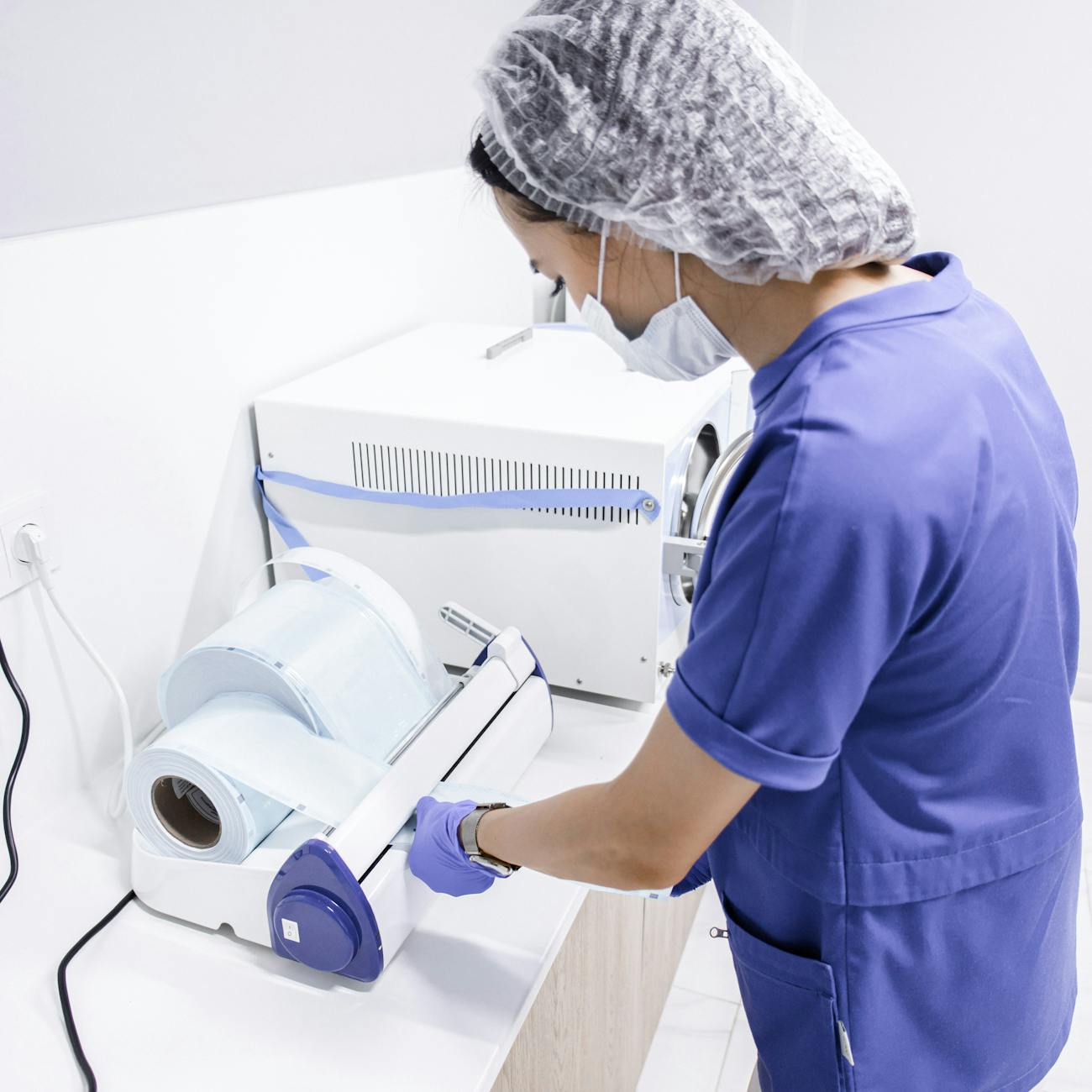
The Certified Specialist Programme in Bio-Clean Solutions is designed to provide learners with a comprehensive understanding of the principles and practices of bio-clean solutions, which are environmentally friendly and sustainable approaches to cleaning and waste management. Bio-clean solutions utilize microorganisms and other biological agents to break down and degrade organic waste, reducing the need for harsh chemicals and minimizing the environmental impact of traditional cleaning methods.
One of the key concepts in bio-clean solutions is the use of enzymes, which are biological molecules that catalyze specific chemical reactions. Enzymes are highly effective at breaking down protein-based stains and odors, and are often used in combination with other biological agents to create powerful cleaning solutions. For example, a bio-clean solution for cleaning grease traps might use a combination of lipase enzymes, which break down fats and oils, and bacteria that digest the resulting fatty acids.
Another important concept in bio-clean solutions is the use of bioremediation, which is the process of using microorganisms to clean up contaminated soil, water, and air. Bioremediation can be used to remove a wide range of pollutants, including petroleum hydrocarbons, heavy metals, and pesticides. For example, a bio-clean solution for cleaning up an oil spill might use a combination of bacteria and fungi that are capable of breaking down the complex hydrocarbons found in oil.
Bio-clean solutions are also used in a variety of industrial applications, including the cleaning of equipment and facilities in the food processing, pharmaceutical, and cosmetic industries. In these applications, bio-clean solutions are often used to remove protein and fat based residues, as well as to sanitize and disinfect surfaces. For example, a bio-clean solution for cleaning food processing equipment might use a combination of protease enzymes, which break down proteins, and sanitizing agents that kill bacteria and other microorganisms.
In addition to their industrial applications, bio-clean solutions are also used in a variety of domestic applications, including the cleaning of drains and septic systems. In these applications, bio-clean solutions are often used to break down grease and food waste, as well as to maintain the health and function of the microbial communities that are essential for proper waste digestion. For example, a bio-clean solution for cleaning drains might use a combination of lipase enzymes, which break down fats and oils, and bacteria that digest the resulting fatty acids.
The use of bio-clean solutions has a number of environmental benefits, including the reduction of chemical usage and the minimization of waste generation. Bio-clean solutions are also biodegradable, meaning that they can be easily broken down by microorganisms in the environment, and are non-toxic, meaning that they do not pose a risk to human health or the environment. For example, a bio-clean solution for cleaning industrial equipment might use a combination of enzymes and bacteria that are capable of breaking down grease and oil based residues, without generating any hazardous waste.
The development and use of bio-clean solutions also presents a number of challenges, including the need for standardization and regulation of the industry. There is also a need for further research and development of new bio-clean solutions, as well as for the education and training of professionals in the field. For example, a company that specializes in the development and marketing of bio-clean solutions might need to invest in research and development in order to create new and innovative products, as well as to provide training and support to its customers.
In terms of practical applications, bio-clean solutions are used in a wide range of industries and settings, including healthcare, food processing, and industrial manufacturing. They are also used in a variety of domestic applications, including the cleaning of drains and septic systems. For example, a hospital might use a bio-clean solution to clean and disinfect medical equipment, while a food processing plant might use a bio-clean solution to clean and sanitize food contact surfaces.
The use of bio-clean solutions also has a number of economic benefits, including the reduction of costs associated with traditional cleaning methods, as well as the creation of new business opportunities and jobs. For example, a company that specializes in the development and marketing of bio-clean solutions might be able to reduce its costs and increase its profitability by using bio-clean solutions in its own operations, as well as by marketing these solutions to other companies and industries.
In addition to their economic benefits, bio-clean solutions also have a number of social benefits, including the improvement of public health and wellbeing, as well as the creation of new opportunities for education and training. For example, a community that uses bio-clean solutions to clean and maintain its water and sewage systems might be able to improve the health and wellbeing of its residents, as well as to create new opportunities for education and training in the field of bio-clean solutions.
The development and use of bio-clean solutions is a rapidly evolving field, with new technologies and innovations emerging all the time. For example, the use of genetic engineering to create new and improved microorganisms for use in bio-clean solutions is a rapidly evolving area of research, with many potential applications and benefits. Similarly, the use of nanotechnology to create new and improved delivery systems for bio-clean solutions is another area of research that is rapidly evolving, with many potential applications and benefits.
In terms of future directions, the development and use of bio-clean solutions is likely to continue to evolve and expand, with new technologies and innovations emerging all the time. For example, the use of artificial intelligence and machine learning to optimize the use of bio-clean solutions is an area of research that is rapidly evolving, with many potential applications and benefits. Similarly, the use of biotechnology to create new and improved microorganisms for use in bio-clean solutions is another area of research that is likely to continue to evolve and expand, with many potential applications and benefits.
The use of bio-clean solutions also has a number of global implications, including the potential to improve public health and wellbeing in developing countries, as well as to reduce the environmental impact of traditional cleaning methods. For example, a community in a developing country might be able to use bio-clean solutions to clean and maintain its water and sewage systems, improving the health and wellbeing of its residents, as well as reducing the environmental impact of traditional cleaning methods.
In addition to their global implications, bio-clean solutions also have a number of local implications, including the potential to improve public health and wellbeing in local communities, as well as to reduce the environmental impact of traditional cleaning methods. For example, a city or town might be able to use bio-clean solutions to clean and maintain its water and sewage systems, improving the health and wellbeing of its residents, as well as reducing the environmental impact of traditional cleaning methods.
The development and use of bio-clean solutions requires a multidisciplinary approach, involving the collaboration of scientists, engineers, and other experts from a variety of fields. For example, the development of a new bio-clean solution might require the collaboration of microbiologists, biochemists, and engineers, as well as other experts from fields such as environmental science and public health.
In terms of education and training, there are a number of programs and courses available that can provide individuals with the knowledge and skills they need to work with bio-clean solutions. For example, a university might offer a degree program in biotechnology or environmental science that includes courses on bio-clean solutions, while a company might offer training programs for its employees on the use of bio-clean solutions.
The use of bio-clean solutions also has a number of policy implications, including the need for regulation and standardization of the industry. For example, a government might need to develop regulations and standards for the use of bio-clean solutions, in order to ensure that they are used safely and effectively. Similarly, a company might need to develop policies and procedures for the use of bio-clean solutions, in order to ensure that they are used in a way that is consistent with the company's values and mission.
In terms of research and development, there are a number of areas that are likely to be important for the future of bio-clean solutions. For example, the development of new microorganisms and enzymes for use in bio-clean solutions is an area of research that is likely to continue to evolve and expand, with many potential applications and benefits.
The use of bio-clean solutions also has a number of ethical implications, including the need to consider the potential impact of these solutions on the environment and human health. For example, a company that develops and markets bio-clean solutions might need to consider the potential impact of these solutions on the environment and human health, and to develop policies and procedures for minimizing any negative impact. Similarly, a government might need to develop regulations and standards for the use of bio-clean solutions, in order to ensure that they are used in a way that is safe and effective.
In terms of public awareness and education, there is a need to increase awareness and understanding of bio-clean solutions, and to provide education and training on their use and benefits. For example, a company might develop educational materials and training programs to help its customers understand the benefits and use of bio-clean solutions, while a government might develop public awareness campaigns to increase awareness and understanding of bio-clean solutions.
The use of bio-clean solutions also has a number of economic benefits, including the potential to reduce costs and increase efficiency in a variety of industries and settings. For example, a company that uses bio-clean solutions to clean and maintain its equipment and facilities might be able to reduce its costs and increase its profitability, while also improving the health and wellbeing of its employees and the environment. Similarly, a government might be able to reduce its costs and increase its efficiency by using bio-clean solutions to clean and maintain its infrastructure and facilities.
In terms of future research and development, there are a number of areas that are likely to be important for the future of bio-clean solutions.
Key takeaways
- Bio-clean solutions utilize microorganisms and other biological agents to break down and degrade organic waste, reducing the need for harsh chemicals and minimizing the environmental impact of traditional cleaning methods.
- For example, a bio-clean solution for cleaning grease traps might use a combination of lipase enzymes, which break down fats and oils, and bacteria that digest the resulting fatty acids.
- For example, a bio-clean solution for cleaning up an oil spill might use a combination of bacteria and fungi that are capable of breaking down the complex hydrocarbons found in oil.
- For example, a bio-clean solution for cleaning food processing equipment might use a combination of protease enzymes, which break down proteins, and sanitizing agents that kill bacteria and other microorganisms.
- In these applications, bio-clean solutions are often used to break down grease and food waste, as well as to maintain the health and function of the microbial communities that are essential for proper waste digestion.
- Bio-clean solutions are also biodegradable, meaning that they can be easily broken down by microorganisms in the environment, and are non-toxic, meaning that they do not pose a risk to human health or the environment.
- There is also a need for further research and development of new bio-clean solutions, as well as for the education and training of professionals in the field.