
Risk Communication and Crisis Management in Environmental Contexts
Risk communication and crisis management are essential components of environmental communication, as they enable individuals, organizations, and communities to effectively respond to and manage environmental risks and crises. Risk refers to…
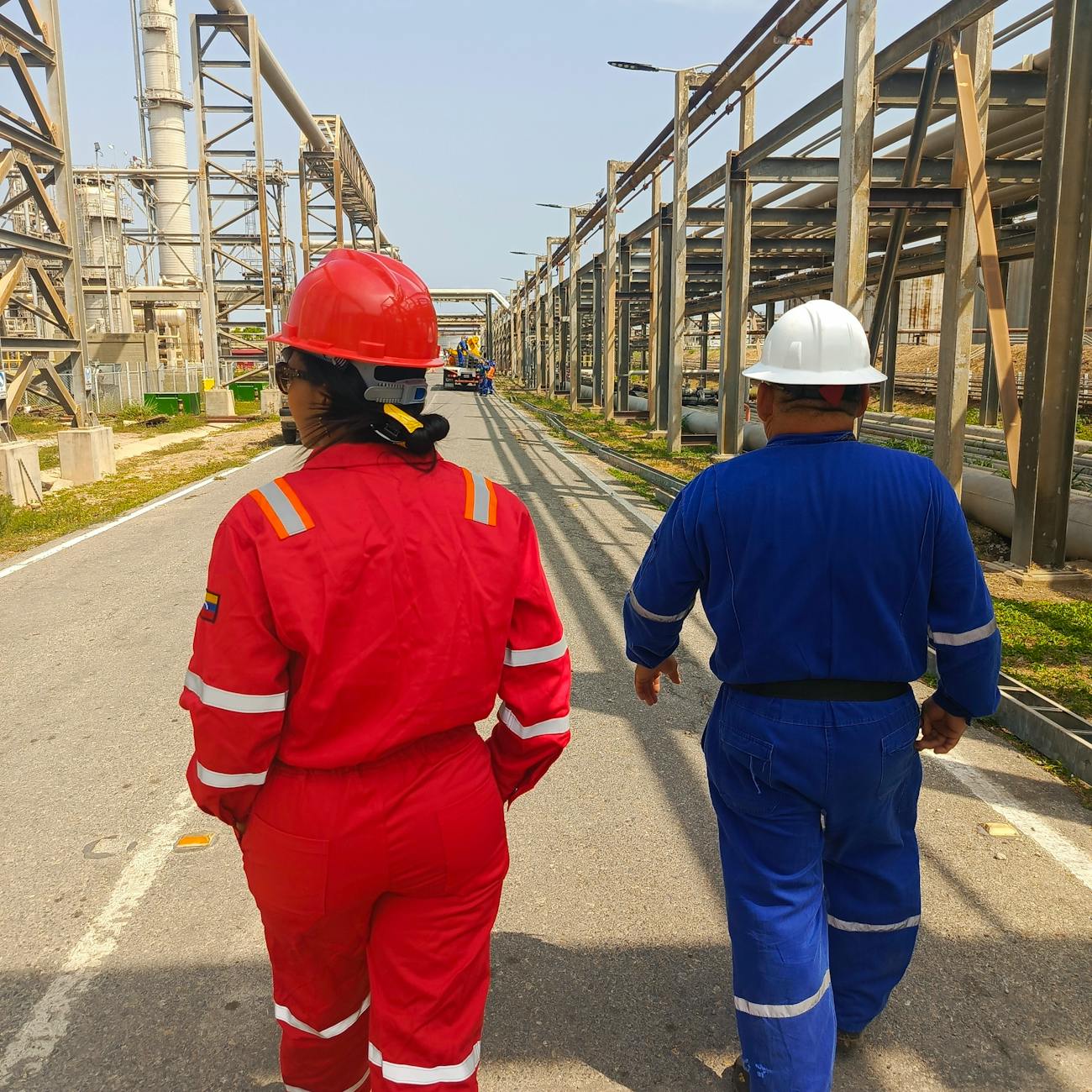
Risk communication and crisis management are essential components of environmental communication, as they enable individuals, organizations, and communities to effectively respond to and manage environmental risks and crises. Risk refers to the likelihood of a negative event or situation occurring, while communication involves the exchange of information between individuals, groups, or organizations. In the context of environmental communication, risk communication involves sharing information about environmental risks, such as climate change, pollution, or natural disasters, with the goal of promoting awareness, understanding, and action.
Effective risk communication is critical in environmental contexts, as it can help prevent or mitigate the impacts of environmental risks and crises. For example, communicating the risks associated with climate change, such as rising sea levels, more frequent natural disasters, and changes in weather patterns, can help individuals and communities take steps to reduce their vulnerability and adapt to these changes. Similarly, communicating the risks associated with pollution, such as air and water pollution, can help individuals and communities take steps to reduce their exposure and promote environmental protection.
Crisis management is also a critical component of environmental communication, as it involves responding to and managing environmental crises, such as oil spills, hurricanes, or wildfires. Crisis refers to a situation that poses a significant threat to individuals, organizations, or communities, and requires immediate attention and action. Effective crisis management involves a range of activities, including assessment, planning, response, and recovery. Assessment involves identifying the risks and impacts associated with a crisis, while planning involves developing strategies and protocols for responding to and managing the crisis. Response involves taking immediate action to mitigate the impacts of the crisis, while recovery involves rebuilding and restoring affected communities and ecosystems.
In environmental contexts, crisis management often involves coordinating the efforts of multiple stakeholders, including government agencies, emergency responders, community groups, and individuals. For example, responding to an oil spill requires coordinating the efforts of government agencies, such as the Coast Guard and the Environmental Protection Agency, with those of community groups and individuals, such as fishermen and local residents. Effective crisis management also involves communicating clearly and transparently with affected communities and stakeholders, providing them with accurate and timely information about the crisis and the response efforts.
Risk perception is another important concept in environmental communication, as it refers to the way individuals and communities perceive and understand environmental risks. Perception is influenced by a range of factors, including personal experience, cultural background, and social and economic context. For example, individuals who have experienced a natural disaster, such as a hurricane or earthquake, may be more likely to perceive environmental risks as high, while those who have not experienced such an event may be less likely to perceive these risks as significant. Effective risk communication and crisis management involve taking into account the diverse perspectives and experiences of affected communities and stakeholders.
Stakeholder engagement is also critical in environmental communication, as it involves working with individuals, groups, and organizations that have an interest or stake in environmental issues and decisions. Stakeholders may include community groups, government agencies, businesses, and individuals, and may have differing perspectives and interests. Effective stakeholder engagement involves building trust, fostering dialogue, and promoting collaboration and cooperation. For example, engaging with local communities and stakeholders in the development of environmental policies and plans can help ensure that these policies and plans are responsive to community needs and concerns.
Vulnerability is another important concept in environmental communication, as it refers to the degree to which individuals, communities, or ecosystems are susceptible to environmental risks and impacts. Vulnerability is influenced by a range of factors, including social and economic context, environmental conditions, and access to resources and services. For example, low-income communities may be more vulnerable to environmental risks, such as pollution and climate change, due to limited access to resources and services, such as healthcare and education. Effective risk communication and crisis management involve identifying and addressing the vulnerabilities of affected communities and stakeholders.
Resilience is also a critical concept in environmental communication, as it refers to the ability of individuals, communities, or ecosystems to withstand and recover from environmental risks and impacts. Resilience is influenced by a range of factors, including social and economic context, environmental conditions, and access to resources and services. For example, communities with strong social networks and access to resources and services, such as healthcare and education, may be more resilient to environmental risks, such as natural disasters and climate change. Effective risk communication and crisis management involve promoting resilience and supporting the recovery of affected communities and ecosystems.
In addition to these concepts, there are several key terms and vocabulary that are essential for effective risk communication and crisis management in environmental contexts. These include hazard, which refers to a situation or event that poses a threat to individuals, communities, or ecosystems, and exposure, which refers to the degree to which individuals or communities are affected by environmental risks. Other key terms include mitigation, which refers to actions taken to reduce the likelihood or impact of environmental risks, and adaptation, which refers to actions taken to adjust to environmental changes or risks.
Effective risk communication and crisis management also involve the use of various tools and techniques, such as risk assessments, emergency response plans, and communication strategies. These tools and techniques can help individuals, organizations, and communities prepare for, respond to, and recover from environmental risks and crises. For example, conducting a risk assessment can help identify potential environmental risks and develop strategies for mitigating these risks, while developing an emergency response plan can help ensure that individuals and communities are prepared to respond to environmental crises.
In environmental contexts, risk communication and crisis management often involve working with diverse stakeholders, including community groups, government agencies, businesses, and individuals.
Environmental justice is also an important concept in environmental communication, as it refers to the fair and equitable distribution of environmental risks and benefits. Justice involves ensuring that all individuals and communities have access to clean air and water, healthy food, and safe living conditions, regardless of their race, ethnicity, or socioeconomic status. Effective risk communication and crisis management involve promoting environmental justice and addressing the disproportionate impacts of environmental risks on vulnerable populations.
In practice, risk communication and crisis management in environmental contexts can be complex and challenging. For example, responding to a natural disaster, such as a hurricane or earthquake, requires coordinating the efforts of multiple stakeholders, including government agencies, emergency responders, community groups, and individuals. Effective crisis management involves communicating clearly and transparently with affected communities and stakeholders, providing them with accurate and timely information about the crisis and the response efforts.
Another challenge in risk communication and crisis management is addressing the uncertainty and complexity of environmental risks and crises. Environmental risks and crises can be complex and multifaceted, involving multiple factors and stakeholders. Effective risk communication and crisis management involve acknowledging and addressing these complexities and uncertainties, and providing clear and concise information to affected communities and stakeholders.
In addition to these challenges, risk communication and crisis management in environmental contexts also involve ethical considerations. For example, communicating the risks associated with environmental pollution or climate change may involve balancing the need to inform and warn the public with the need to avoid alarmism or panic. Effective risk communication and crisis management involve taking into account the ethical implications of risk communication, and promoting transparency, accountability, and fairness in all aspects of risk communication and crisis management.
Overall, risk communication and crisis management are critical components of environmental communication, as they enable individuals, organizations, and communities to effectively respond to and manage environmental risks and crises. Effective risk communication and crisis management involve a range of activities, including risk assessment, planning, response, and recovery, as well as stakeholder engagement, vulnerability reduction, and resilience promotion. By understanding the key terms and vocabulary associated with risk communication and crisis management, individuals and organizations can better prepare for, respond to, and recover from environmental risks and crises, and promote environmental justice and sustainability.
In environmental contexts, risk communication and crisis management often involve working with limited resources, including funding, personnel, and equipment. Effective risk communication and crisis management involve prioritizing resources, building partnerships and collaborations, and leveraging technology and innovation to support risk communication and crisis management efforts. For example, using social media and other digital platforms can help communicate risks and respond to crises, while leveraging data and analytics can help identify and track environmental risks and impacts.
Community-based approaches are also essential in risk communication and crisis management, as they involve working with local communities and stakeholders to develop and implement risk communication and crisis management strategies. Effective community-based approaches involve building trust, fostering dialogue, and promoting collaboration and cooperation.
In addition to these approaches, risk communication and crisis management in environmental contexts also involve policy and regulatory frameworks. Effective policy and regulatory frameworks involve establishing clear guidelines and standards for risk communication and crisis management, as well as providing incentives and support for individuals and organizations to adopt risk communication and crisis management best practices. For example, developing and implementing emergency response plans can help ensure that individuals and communities are prepared to respond to environmental crises.
International cooperation is also critical in risk communication and crisis management, as environmental risks and crises often transcend national borders. Effective international cooperation involves sharing information, coordinating efforts, and leveraging resources and expertise to support risk communication and crisis management efforts. For example, responding to a global pandemic requires international cooperation and coordination, as well as the sharing of information and resources.
In practice, risk communication and crisis management in environmental contexts can be complex and challenging, involving multiple stakeholders, uncertainties, and complexities. Effective risk communication and crisis management involve acknowledging and addressing these challenges, and providing clear and concise information to affected communities and stakeholders.
Environmental communication is a critical component of risk communication and crisis management, as it involves sharing information about environmental risks and crises with affected communities and stakeholders. Effective environmental communication involves using clear and concise language, avoiding jargon and technical terms, and providing accurate and timely information. For example, communicating the risks associated with climate change involves using clear and concise language, and providing accurate and timely information about the causes, impacts, and consequences of climate change.
In addition to these strategies, risk communication and crisis management in environmental contexts also involve evaluation and monitoring efforts. Effective evaluation and monitoring involve tracking the effectiveness of risk communication and crisis management efforts, and identifying areas for improvement. For example, evaluating the effectiveness of emergency response plans can help identify areas for improvement, and inform the development of more effective risk communication and crisis management strategies.
Lessons learned are also essential in risk communication and crisis management, as they involve identifying and documenting the successes and challenges of risk communication and crisis management efforts. Effective lessons learned involve sharing information and experiences, and leveraging these lessons to inform the development of more effective risk communication and crisis management strategies. For example, documenting the lessons learned from responding to a natural disaster can help inform the development of more effective emergency response plans, and improve the response to future disasters.
In environmental contexts, risk communication and crisis management often involve working with multiple stakeholders, including community groups, government agencies, businesses, and individuals.
Environmental risks are also a critical component of risk communication and crisis management, as they involve the potential for harm or injury to individuals, communities, or ecosystems. Effective risk communication and crisis management involve identifying and assessing environmental risks, and developing strategies for mitigating or managing these risks. For example, communicating the risks associated with pollution involves identifying and assessing the potential impacts of pollution, and developing strategies for reducing or eliminating these impacts.
In addition to these risks, risk communication and crisis management in environmental contexts also involve uncertainty and complexity.
Crisis management plans are also essential in risk communication and crisis management, as they involve developing and implementing plans for responding to and managing environmental crises. Effective crisis management plans involve identifying and assessing potential crises, and developing strategies for responding to and managing these crises. For example, developing a crisis management plan for responding to a natural disaster can help ensure that individuals and communities are prepared to respond to and recover from the disaster.
Key takeaways
- Risk communication and crisis management are essential components of environmental communication, as they enable individuals, organizations, and communities to effectively respond to and manage environmental risks and crises.
- Similarly, communicating the risks associated with pollution, such as air and water pollution, can help individuals and communities take steps to reduce their exposure and promote environmental protection.
- Crisis management is also a critical component of environmental communication, as it involves responding to and managing environmental crises, such as oil spills, hurricanes, or wildfires.
- Effective crisis management also involves communicating clearly and transparently with affected communities and stakeholders, providing them with accurate and timely information about the crisis and the response efforts.
- Risk perception is another important concept in environmental communication, as it refers to the way individuals and communities perceive and understand environmental risks.
- Stakeholder engagement is also critical in environmental communication, as it involves working with individuals, groups, and organizations that have an interest or stake in environmental issues and decisions.
- Vulnerability is another important concept in environmental communication, as it refers to the degree to which individuals, communities, or ecosystems are susceptible to environmental risks and impacts.