
Immunology And Allergies
Immunology is the study of how the body defends itself against infectious organisms, such as bacteria and viruses, as well as other foreign substances. The immune system is a complex network of cells, tissues, and organs that work together …
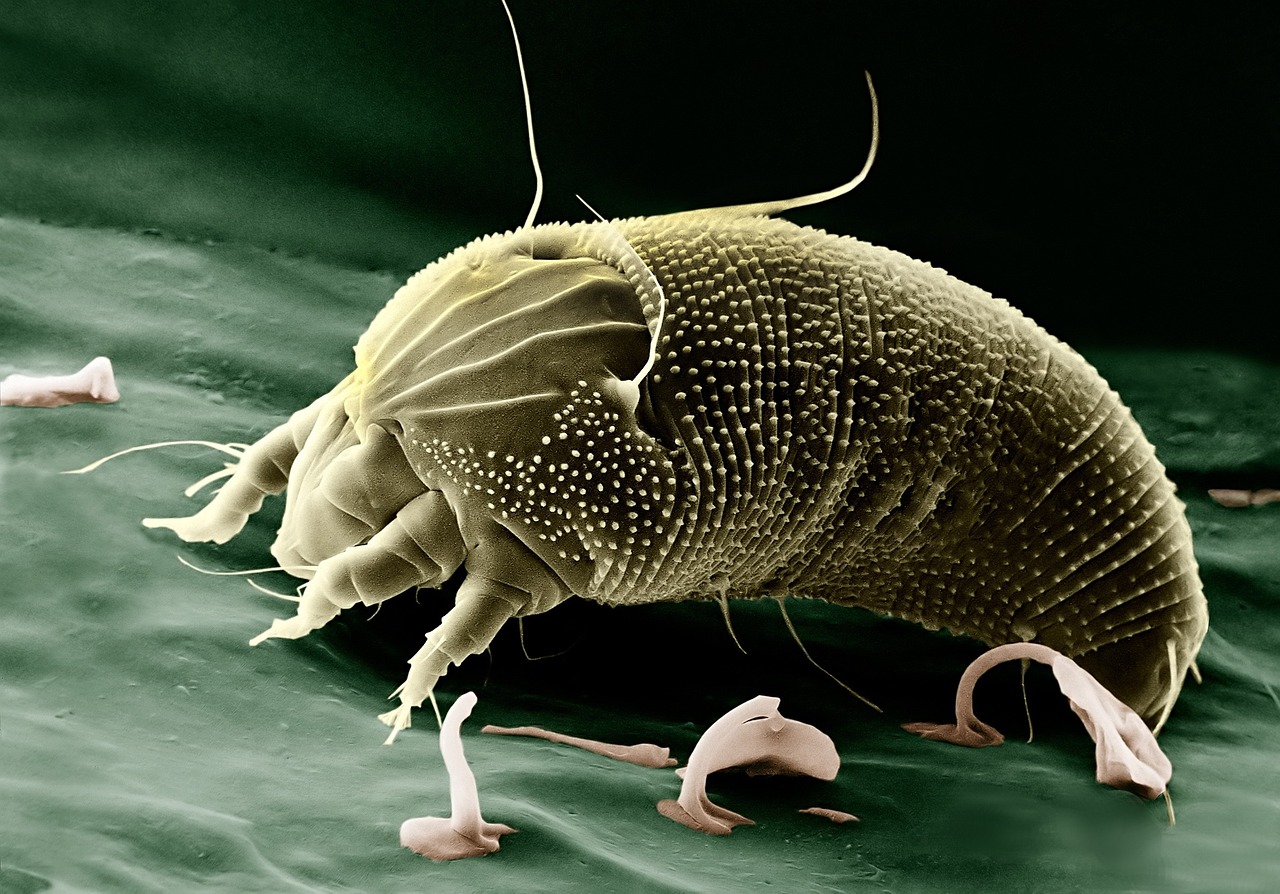
Immunology is the study of how the body defends itself against infectious organisms, such as bacteria and viruses, as well as other foreign substances. The immune system is a complex network of cells, tissues, and organs that work together to protect the body from harm. In the context of allergies in pets, immunology plays a crucial role in understanding how the body reacts to allergens and how this reaction can lead to allergic diseases.
The immune system consists of two main branches: the innate immune system and the adaptive immune system. The innate immune system provides immediate defense against infection and is composed of physical barriers, such as the skin and mucous membranes, as well as cells that can recognize and respond to pathogens. The adaptive immune system, on the other hand, is a specific response to a particular pathogen and involves the activation of lymphocytes, which are a type of white blood cell.
Lymphocytes are an essential component of the adaptive immune system and can be divided into two main types: B cells and T cells. B cells are responsible for producing antibodies, which are proteins that recognize and bind to specific antigens. T cells, on the other hand, can directly recognize and kill infected cells or produce chemical signals that activate other immune cells.
The process of antibody production is known as humoral immunity, while the process of T cell activation is known as cell-mediated immunity. Both types of immunity are essential for protecting the body against infectious diseases. In the context of allergies, an overactive immune response can lead to the production of allergen-specific antibodies, which can trigger allergic reactions.
Allergens are substances that can trigger an allergic reaction, which is an overactive immune response to a harmless substance. Common allergens include pollen, dust mites, mold, pet dander, and certain foods. When an allergen enters the body, it is recognized by the immune system, which responds by producing antibodies and activating immune cells.
The immune response to an allergen involves the activation of mast cells, which are a type of immune cell that contains histamine and other chemical mediators. When an allergen binds to an antibody on the surface of a mast cell, it triggers the release of histamine and other chemical mediators, which can cause a range of allergic symptoms, including itching, sneezing, and swelling.
In pets, allergic diseases can manifest in a variety of ways, including skin allergies, respiratory allergies, and gastrointestinal allergies. Skin allergies, also known as atopic dermatitis, are the most common type of allergic disease in pets and are characterized by itching, redness, and inflammation of the skin. Respiratory allergies, on the other hand, can cause coughing, sneezing, and wheezing, while gastrointestinal allergies can cause vomiting, diarrhea, and abdominal pain.
The diagnosis of allergic diseases in pets typically involves a combination of physical examination, medical history, and diagnostic tests. Physical examination can help to identify clinical signs of allergic disease, such as skin lesions or respiratory symptoms. Medical history can provide valuable information about the pet's symptoms, exposure to potential allergens, and response to previous treatments.
Diagnostic tests, such as blood tests and skin tests, can help to confirm the presence of an allergic disease and identify the specific allergen responsible. Blood tests can measure the levels of allergen-specific antibodies in the blood, while skin tests can assess the pet's reaction to specific allergens. In some cases, elimination diets or food trials may be used to diagnose food allergies.
The treatment of allergic diseases in pets typically involves a combination of medications, lifestyle changes, and avoidance of known allergens. Medications, such as antihistamines, corticosteroids, and immunosuppressants, can help to reduce inflammation and alleviate allergic symptoms. Lifestyle changes, such as dietary modifications and environmental changes, can help to reduce exposure to potential allergens.
Avoidance of known allergens is also an essential component of allergic disease management. For example, if a pet is allergic to dust mites, reducing exposure to dust mites by using HEPA filters and washing bedding regularly can help to alleviate allergic symptoms. In some cases, immunotherapy or allergy shots may be recommended to help desensitize the pet to specific allergens.
In addition to allergic diseases, pets can also suffer from autoimmune diseases, which occur when the immune system mistakenly attacks the body's own cells and tissues. Autoimmune diseases, such as rheumatoid arthritis and lupus, can cause a range of symptoms, including inflammation, joint pain, and skin lesions.
The diagnosis and treatment of autoimmune diseases in pets can be challenging and typically require a combination of medical history, physical examination, and diagnostic tests. Medical history can provide valuable information about the pet's symptoms and response to previous treatments, while physical examination can help to identify clinical signs of autoimmune disease.
Diagnostic tests, such as blood tests and biopsy, can help to confirm the presence of an autoimmune disease and identify the specific autoantibody responsible. Blood tests can measure the levels of autoantibodies in the blood, while biopsy can assess the presence of inflammation and tissue damage.
The treatment of autoimmune diseases in pets typically involves a combination of medications, lifestyle changes, and supportive care. Medications, such as corticosteroids and immunosuppressants, can help to reduce inflammation and alleviate symptoms. Lifestyle changes, such as dietary modifications and exercise restriction, can help to reduce stress and alleviate symptoms.
Supportive care, such as pain management and wound care, can help to improve the pet's quality of life and reduce the risk of complications. In some cases, alternative therapies, such as acupuncture and herbal supplements, may be recommended to help alleviate symptoms and improve the pet's overall health.
In addition to allergic and autoimmune diseases, pets can also suffer from immunodeficiency diseases, which occur when the immune system is not functioning properly. Immunodeficiency diseases, such as severe combined immunodeficiency (SCID), can increase the risk of infections and cancer.
The diagnosis and treatment of immunodeficiency diseases in pets can be challenging and typically require a combination of medical history, physical examination, and diagnostic tests. Medical history can provide valuable information about the pet's symptoms and response to previous treatments, while physical examination can help to identify clinical signs of immunodeficiency disease.
Diagnostic tests, such as blood tests and genetic testing, can help to confirm the presence of an immunodeficiency disease and identify the specific genetic defect responsible. Blood tests can measure the levels of immune cells and proteins in the blood, while genetic testing can assess the presence of genetic mutations that affect the immune system.
The treatment of immunodeficiency diseases in pets typically involves a combination of medications, lifestyle changes, and supportive care. Medications, such as antibiotics and antifungals, can help to prevent and treat infections. Lifestyle changes, such as isolation and avoidance of infectious agents, can help to reduce the risk of infections.
Supportive care, such as nutritional support and hospitalization, can help to improve the pet's quality of life and reduce the risk of complications. In some cases, bone marrow transplantation or gene therapy may be recommended to help restore the immune system.
In addition to allergic, autoimmune, and immunodeficiency diseases, pets can also suffer from cancer, which is a group of diseases characterized by the uncontrolled growth and spread of abnormal cells. Cancer can affect any part of the body and can cause a range of symptoms, including weight loss, vomiting, and diarrhea.
The diagnosis and treatment of cancer in pets can be challenging and typically require a combination of medical history, physical examination, and diagnostic tests. Medical history can provide valuable information about the pet's symptoms and response to previous treatments, while physical examination can help to identify clinical signs of cancer.
Diagnostic tests, such as imaging studies and biopsy, can help to confirm the presence of cancer and identify the specific type of cancer responsible. Imaging studies, such as radiographs and ultrasound, can help to visualize the location and extent of the cancer, while biopsy can assess the presence of cancer cells.
The treatment of cancer in pets typically involves a combination of surgery, chemotherapy, and radiation therapy. Surgery can help to remove the cancer and prevent its spread, while chemotherapy and radiation therapy can help to kill cancer cells and prevent their growth.
In addition to conventional treatments, alternative therapies, such as acupuncture and herbal supplements, may be recommended to help alleviate symptoms and improve the pet's quality of life. Palliative care, which focuses on providing relief from symptoms and improving the pet's quality of life, may also be recommended for pets with advanced cancer.
In summary, immunology and allergies are complex and fascinating topics that play a critical role in the health and well-being of pets. Understanding the immune system and how it responds to allergens and other foreign substances is essential for diagnosing and treating allergic diseases, as well as other immune-related disorders. By recognizing the signs and symptoms of allergic diseases and seeking veterinary care, pet owners can help to improve their pet's quality of life and reduce the risk of complications.
Furthermore, understanding the immune system and its role in cancer and other diseases can help to improve treatment outcomes and reduce the risk of complications. By working closely with a veterinarian and following a comprehensive treatment plan, pet owners can help to ensure that their pet receives the best possible care and enjoys a long and healthy life.
The immune system is a complex and highly specialized system that plays a critical role in protecting the body against infectious diseases and other foreign substances. It is composed of a network of cells, tissues, and organs that work together to recognize and respond to pathogens and other foreign substances.
The immune system can be divided into two main branches: the innate immune system and the adaptive immune system. The innate immune system provides immediate defense against infection and is composed of physical barriers, such as the skin and mucous membranes, as well as cells that can recognize and respond to pathogens.
The adaptive immune system, on the other hand, is a specific response to a particular pathogen and involves the activation of lymphocytes, which are a type of white blood cell. Lymphocytes can be divided into two main types: B cells and T cells. B cells are responsible for producing antibodies, which are proteins that recognize and bind to specific antigens.
T cells, on the other hand, can directly recognize and kill infected cells or produce chemical signals that activate other immune cells. The adaptive immune system is highly specific and can remember specific pathogens and mount a rapid and effective response upon subsequent exposure.
In addition to the innate and adaptive immune systems, the body also has a number of other defense mechanisms that help to protect against infection and disease. These include the complement system, which is a group of proteins that help to eliminate pathogens from the body, and the coagulation system, which helps to prevent bleeding and promote healing.
The immune system also plays a critical role in cancer and other diseases. Cancer occurs when the immune system is unable to recognize and eliminate cancer cells, which can grow and spread to other parts of the body. The immune system can also play a role in the development of autoimmune diseases, such as rheumatoid arthritis and lupus, which occur when the immune system mistakenly attacks the body's own cells and tissues.
In summary, the immune system is a complex and highly specialized system that plays a critical role in protecting the body against infectious diseases and other foreign substances. Understanding the immune system and its role in health and disease is essential for developing effective treatments and improving health outcomes.
The immune system is also closely linked to the endocrine system, which is a network of glands that produce hormones that help to regulate various bodily functions. The endocrine system plays a critical role in the development and function of the immune system, and hormones such as cortisol and aldosterone can help to regulate the immune response.
The immune system is also influenced by the gastrointestinal system, which is responsible for digestion and absorption of nutrients. The gastrointestinal system is home to a large population of microorganisms, known as the gut microbiome, which play a critical role in the development and function of the immune system.
The immune system is also closely linked to the nervous system, which is responsible for controlling and coordinating the body's functions. The nervous system can help to regulate the immune response by producing neurotransmitters and hormones that can influence the activity of immune cells.
In addition to its role in health and disease, the immune system is also closely linked to the environment. The immune system can be influenced by a range of environmental factors, including pollution, stress, and diet. Understanding the relationship between the immune system and the environment is essential for developing effective strategies for preventing and treating diseases.
The immune system is a complex and highly specialized system that plays a critical role in protecting the body against infectious diseases and other foreign substances. Understanding the immune system and its role in health and disease is essential for developing effective treatments and improving health outcomes.
In pets, the immune system plays a critical role in protecting against infectious diseases and other foreign substances. The immune system can be influenced by a range of factors, including genetics, environment, and lifestyle. Understanding the immune system and its role in health and disease is essential for developing effective strategies for preventing and treating diseases in pets.
The immune system is also closely linked to the gastrointestinal system in pets, and the gut microbiome plays a critical role in the development and function of the immune system. The immune system can also be influenced by the endocrine system, which is responsible for producing hormones that help to regulate various bodily functions.
In addition to its role in health and disease, the immune system is also closely linked to the environment in pets. The immune system can be influenced by a range of environmental factors, including pollution, stress, and diet. Understanding the relationship between the immune system and the environment is essential for developing effective strategies for preventing and treating diseases in pets.
The immune system is a complex and highly specialized system that plays a critical role in protecting the body against infectious diseases and other foreign substances. Understanding the immune system and its role in health and disease is essential for developing effective treatments and improving health outcomes in pets.
In pets, allergic diseases can manifest in a variety of ways, including skin allergies, respiratory allergies, and gastrointestinal allergies. Skin allergies, also known as atopic dermatitis, are the most common type of allergic disease in pets and are characterized by itching, redness, and inflammation of the skin.
Respiratory allergies, on the other hand, can cause coughing, sneezing, and wheezing, while gastrointestinal allergies can cause vomiting, diarrhea, and abdominal pain. The diagnosis and treatment of allergic diseases in pets can be challenging and typically require a combination of medical history, physical examination, and diagnostic tests.
Diagnostic tests, such as blood tests and skin tests, can help to confirm the presence of an allergic disease and identify the specific allergen responsible. The treatment of allergic diseases in pets typically involves a combination of medications, lifestyle changes, and avoidance of known allergens.
Medications, such as antihistamines and corticosteroids, can help to reduce inflammation and alleviate allergic symptoms. Lifestyle changes, such as dietary modifications and environmental changes, can help to reduce exposure to potential allergens. Avoidance of known allergens is also an essential component of allergic disease management.
In addition to allergic diseases, pets can also suffer from autoimmune diseases, which occur when the immune system mistakenly attacks the body's own cells and tissues. Autoimmune diseases, such as rheumatoid arthritis and lupus, can cause a range of symptoms, including inflammation, joint pain, and skin lesions.
The diagnosis and treatment of autoimmune diseases in pets can be challenging and typically require a combination of medical history, physical examination, and diagnostic tests. Medical history can provide valuable information about the pet's symptoms and response to previous treatments, while physical examination can help to identify clinical signs of autoimmune disease.
Diagnostic tests, such as blood tests and biopsy, can help to confirm the presence of an autoimmune disease and identify the specific autoantibody responsible. The treatment of autoimmune diseases in pets typically involves a combination of medications, lifestyle changes, and supportive care.
Medications, such as corticosteroids and immunosuppressants, can help to reduce inflammation and alleviate symptoms. Lifestyle changes, such as dietary modifications and exercise restriction, can help to reduce stress and alleviate symptoms. Supportive care, such as nutritional support and wound care, can help to improve the pet's quality of life and reduce the risk of complications.
In addition to allergic and autoimmune diseases, pets can also suffer from cancer, which is a group of diseases characterized by the uncontrolled growth and spread of abnormal cells. Cancer can affect any part of the body and can cause a range of symptoms, including weight loss, vomiting, and diarrhea.
The diagnosis and treatment of cancer in pets can be challenging and typically require a combination of medical history, physical examination, and diagnostic tests. Medical history can provide valuable information about the pet's symptoms and response to previous treatments, while physical examination can help to identify clinical signs of cancer.
Diagnostic tests, such as imaging studies and biopsy, can help to confirm the presence of cancer and identify the specific type of cancer responsible. The treatment of cancer in pets typically involves a combination of surgery, chemotherapy, and radiation therapy.
Surgery can help to remove the cancer and prevent its spread, while chemotherapy and radiation therapy can help to kill cancer cells and prevent their growth. In addition to conventional treatments, alternative therapies, such as acupuncture and herbal supplements, may be recommended to help alleviate symptoms and improve the pet's quality of life.
Palliative care, which focuses on providing relief from symptoms and improving the pet's quality of life, may also be recommended for pets with advanced cancer. In summary, the immune system plays a critical role in protecting the body against infectious diseases and other foreign substances, and understanding the immune system and its role in health and disease is essential for developing effective treatments and improving health outcomes in pets.
Key takeaways
- In the context of allergies in pets, immunology plays a crucial role in understanding how the body reacts to allergens and how this reaction can lead to allergic diseases.
- The innate immune system provides immediate defense against infection and is composed of physical barriers, such as the skin and mucous membranes, as well as cells that can recognize and respond to pathogens.
- Lymphocytes are an essential component of the adaptive immune system and can be divided into two main types: B cells and T cells.
- In the context of allergies, an overactive immune response can lead to the production of allergen-specific antibodies, which can trigger allergic reactions.
- When an allergen enters the body, it is recognized by the immune system, which responds by producing antibodies and activating immune cells.
- The immune response to an allergen involves the activation of mast cells, which are a type of immune cell that contains histamine and other chemical mediators.
- Respiratory allergies, on the other hand, can cause coughing, sneezing, and wheezing, while gastrointestinal allergies can cause vomiting, diarrhea, and abdominal pain.