
Advanced Allergy Treatment Options
Allergen – a protein or glycoprotein that provokes an immune response in a sensitized animal. In pets, common allergens include dust mites, pollens, molds, flea saliva, and certain food proteins. Understanding the molecular structure of the…
Allergen – a protein or glycoprotein that provokes an immune response in a sensitized animal. In pets, common allergens include dust mites, pollens, molds, flea saliva, and certain food proteins. Understanding the molecular structure of the allergen helps clinicians predict cross‑reactivity and select appropriate diagnostic tests. For example, a dog with a reaction to Can f 1 (dog dander) may also react to cat dander because of shared epitopes.
Allergen Extract – a preparation that contains the crude or purified proteins from a given source. Extracts are used for both diagnostic skin testing and therapeutic immunotherapy. The potency of an extract is expressed in “units” (e.g., protein nitrogen units, PNU) or “bioequivalent allergy units” (BAU). Accurate standardization of extracts is essential to ensure consistent dosing across treatment cycles.
Standardized Extract – an allergen extract that has been calibrated against a reference material so that each vial contains a defined amount of major allergen. Standardization reduces variability and allows clinicians to compare results between laboratories. For instance, a standardized house‑dust‑mite extract will contain a known concentration of Der p 1, the principal allergen component.
Component‑Resolved Diagnosis (CRD) – a diagnostic approach that uses purified single allergen molecules rather than whole extracts. CRD can differentiate genuine sensitization from cross‑reactivity and guide the selection of specific immunotherapy. A cat‑allergic kitten may test positive for Fel d 1 on a CRD panel, indicating true sensitization, whereas a dog that only reacts to a cross‑reactive carbohydrate determinant may not benefit from cat‑specific immunotherapy.
Skin Prick Test (SPT) – a rapid in‑clinic method where a drop of allergen extract is introduced into the superficial epidermis using a sterile lancet. A wheal‑and‑flare reaction is measured after 15–20 minutes. Positive SPT results are defined by a wheal diameter that is at least three millimetres larger than the negative control. SPT provides immediate information about the presence of IgE‑mediated sensitization and is often the first step in the diagnostic work‑up.
Intradermal Test (IDT) – a more sensitive technique than SPT that involves injecting a small volume of allergen extract into the dermis. IDT is useful when SPT results are equivocal or when testing low‑molecular‑weight allergens that may not elicit a strong cutaneous response. Because IDT carries a higher risk of systemic reactions, it should be performed in a controlled environment with emergency equipment on hand.
Serum Specific IgE (sIgE) – measurement of allergen‑specific immunoglobulin E antibodies in the blood using immunoassays such as ELISA or fluorescence‑based platforms. sIgE testing is valuable when skin testing is contraindicated (e.g., in heavily sedated patients) or when the clinician wishes to quantify the degree of sensitization. Results are reported in quantitative units (kU/L) that can be correlated with clinical severity in many cases.
Cross‑reactivity – a phenomenon where antibodies directed against one allergen recognize a structurally similar allergen from a different source. Cross‑reactivity is common among pollens within the same botanical family, as well as between certain foods and inhalant allergens. Identifying cross‑reactive patterns helps avoid unnecessary avoidance measures and informs the selection of immunotherapy targets.
Immunotherapy – the process of modifying the immune response to a specific allergen by repeated administration of gradually increasing doses. The goal is to induce tolerance, reduce clinical signs, and, in some cases, achieve long‑term remission. Immunotherapy can be delivered via the subcutaneous (SCIT) or sublingual (SLIT) routes, each with distinct protocols, efficacy profiles, and safety considerations.
Subcutaneous Immunotherapy (SCIT) – the traditional route of allergen administration in which injections are given into the subcutaneous tissue, typically in the dorsal neck region of the pet. SCIT follows an “up‑dosing” phase (often called the build‑up phase) that lasts 8–12 weeks, followed by a maintenance phase where the dose is administered every 2–4 weeks for several years. SCIT has a robust evidence base in canine atopic dermatitis and feline asthma, showing reductions in pruritus scores and inhalant‑triggered respiratory events.
Sublingual Immunotherapy (SLIT) – a newer, patient‑friendly delivery method where the allergen is placed under the tongue, allowing absorption through the oral mucosa. SLIT typically uses a tablet or liquid formulation that the pet owner can administer at home. Because SLIT avoids injections, it reduces the risk of systemic anaphylaxis and improves owner compliance, though it may require more frequent dosing (daily or several times per week) to achieve comparable efficacy to SCIT.
Allergen Dose – the quantity of allergen administered at each step of the immunotherapy protocol. Doses are expressed in “units” (e.g., PNU or BAU) and are calculated based on the potency of the extract and the patient’s sensitivity. The initial dose is usually a fraction of the therapeutic dose (e.g., 0.01 µg of major allergen) and is escalated according to a predefined schedule. Accurate dosing is critical to avoid adverse reactions while ensuring sufficient exposure for immune modulation.
Maintenance Dose – the stable dose reached after the up‑dosing phase, which is then administered at regular intervals for the duration of therapy. Maintenance doses are typically 100 % of the target dose determined during the up‑dosing phase. In dogs, a common maintenance dose for house‑dust‑mite SCIT may be 1000 PNU per injection, whereas in cats, the maintenance dose might be adjusted downward due to differences in metabolism and body weight.
Adverse Reaction – any unintended physiological response occurring during or after allergen administration. Adverse reactions range from mild local swelling at the injection site to systemic anaphylaxis. Grading systems such as the World Allergy Organization (WAO) scale are used to classify severity. Prompt recognition and management of adverse reactions are essential components of any immunotherapy program.
Anaphylaxis – a severe, rapid‑onset systemic reaction characterized by bronchoconstriction, hypotension, urticaria, and potentially cardiovascular collapse. Anaphylaxis in pets may present as sudden respiratory distress, collapse, vomiting, or seizures. Immediate treatment includes intramuscular epinephrine, supplemental oxygen, and intravenous fluids. All clinics offering immunotherapy must have an emergency kit and a clear protocol for managing anaphylaxis.
Pre‑medication – the administration of drugs before allergen exposure to reduce the risk of adverse reactions. Common pre‑medication agents include antihistamines (e.g., cetirizine), corticosteroids (e.g., prednisolone), and mast‑cell stabilizers (e.g., cromolyn sodium). Pre‑medication can be especially useful during the early up‑dosing phase of SCIT when the pet’s immune system is most reactive.
Antihistamine – a drug that blocks histamine receptors (primarily H1) and reduces the effects of histamine release, such as vasodilation, itching, and bronchoconstriction. In canine and feline patients, second‑generation antihistamines like cetirizine and loratadine are preferred because they cause less sedation. Antihistamines are often used as adjunctive therapy during immunotherapy or as stand‑alone treatment for mild allergic dermatitis.
Corticosteroid – a potent anti‑inflammatory agent that suppresses multiple arms of the immune response, including cytokine production, eosinophil activation, and IgE synthesis. Systemic corticosteroids (e.g., prednisone) provide rapid relief of severe signs but carry risks of immunosuppression, polyuria, polydipsia, and iatrogenic Cushing’s syndrome. Topical or inhaled corticosteroids are used when localized control is needed, such as in feline asthma.
Mast‑Cell Stabilizer – a class of drugs that prevent degranulation of mast cells, thereby reducing the release of histamine, leukotrienes, and prostaglandins. Cromolyn sodium and nedocromil are examples. Mast‑cell stabilizers have a slower onset of action than antihistamines but are useful for long‑term prophylaxis, especially in patients that cannot tolerate corticosteroids.
Biologic Therapy – advanced treatments that target specific components of the immune cascade using engineered molecules such as monoclonal antibodies. Biologics have transformed human allergy care and are emerging in veterinary practice. Key biologics for pets include anti‑IgE antibodies, anti‑IL‑5 antibodies, and cytokine receptor antagonists.
Anti‑IgE Antibody – a monoclonal antibody that binds to circulating IgE, preventing it from interacting with high‑affinity receptors on mast cells and basophils. In human medicine, omalizumab is the prototypical anti‑IgE therapy. Veterinary research is exploring analogous agents for severe atopic dermatitis and asthma, with promising early‑phase trial data indicating reduced pruritus and fewer exacerbations.
Anti‑IL‑5 Antibody – a monoclonal antibody that neutralizes interleukin‑5, a cytokine crucial for eosinophil maturation, activation, and survival. By reducing eosinophil numbers, anti‑IL‑5 therapy can alleviate eosinophil‑driven inflammation in the skin and airways. In dogs with eosinophilic bronchitis, anti‑IL‑5 treatment has shown decreased cough frequency and improved lung function.
Cytokine Inhibitor – a broader term encompassing agents that block various cytokines involved in allergic inflammation, such as IL‑4, IL‑13, and TNF‑α. Small‑molecule inhibitors and receptor antagonists can modulate the Th2‑dominant immune response that underlies many allergic disorders. Practical application in veterinary patients is still limited, but ongoing clinical trials are evaluating safety and efficacy.
Monoclonal Antibody (mAb) – a laboratory‑produced molecule that binds to a specific antigen with high affinity. In allergy treatment, mAbs are designed to target immunoglobulins, cytokines, or cytokine receptors. The production of veterinary‑specific mAbs requires careful consideration of species compatibility to avoid immunogenicity.
Hypoallergenic Diet – a specially formulated diet that eliminates common food allergens and uses novel protein sources (e.g., hydrolyzed poultry, duck, or venison) to reduce the likelihood of triggering an immune response. Hypoallergenic diets are a cornerstone of food‑allergy management and are often combined with allergen‑specific immunotherapy when both inhalant and food allergies coexist.
Elimination Diet Trial – a diagnostic protocol in which the pet is fed a novel or hydrolyzed protein diet for 8–12 weeks while all other foods, treats, and supplements are removed. Improvement in clinical signs suggests a food‑related component. After the trial, a challenge phase re‑introduces original foods to confirm the diagnosis. Proper owner compliance and accurate record‑keeping are critical for reliable results.
Food Challenge – the re‑introduction of the suspect food after an elimination diet has produced remission. A positive challenge (return of signs) confirms a food allergy. Challenges must be performed under veterinary supervision because severe reactions, though rare, can occur.
Allergen Immunotherapy Protocol – a step‑by‑step plan that outlines the schedule of dose escalation, target maintenance dose, administration frequency, monitoring parameters, and contingency plans for adverse events. A well‑written protocol ensures consistency across patients and facilitates training of clinic staff and owners.
Up‑Dosing Phase – the initial segment of an immunotherapy regimen during which the allergen dose is increased incrementally, typically on a weekly or bi‑weekly basis. The purpose of up‑dosing is to safely expose the immune system to increasing amounts of allergen, thereby promoting tolerance. The length of the up‑dosing phase varies with the route (SCIT vs. SLIT), the potency of the extract, and the individual patient’s reactivity.
Maintenance Phase – the long‑term segment of immunotherapy after the target dose has been achieved. During this phase, the dose is held constant and administered at regular intervals (usually every 2–4 weeks for SCIT, or daily/three times weekly for SLIT). The maintenance phase may last 3–5 years or longer, depending on clinical response and owner goals.
Therapeutic Drug Monitoring (TDM) – the measurement of drug concentrations in the blood to ensure therapeutic levels while avoiding toxicity. Although most allergy medications do not require routine TDM, biologics such as anti‑IgE antibodies may benefit from periodic level checks to assess pharmacokinetic variability, especially in large‑breed dogs with high body mass.
Pharmacokinetics – the study of how a drug is absorbed, distributed, metabolized, and eliminated. In pets, factors such as breed, age, renal function, and concurrent medications influence pharmacokinetics. Understanding these principles helps clinicians select appropriate dosing intervals for antihistamines, corticosteroids, and biologics.
Pharmacodynamics – the relationship between drug concentration at the site of action and the resulting effect. For example, the dose‑response curve of a mast‑cell stabilizer may plateau at a certain concentration, indicating that higher doses will not provide additional benefit but may increase the risk of side effects.
Adherence – the degree to which owners follow the prescribed treatment plan. Poor adherence is a common challenge in long‑term allergy management, particularly with protocols that require frequent clinic visits (as with SCIT) or daily home administration (as with SLIT). Strategies to improve adherence include client education, reminder systems, and simplifying dosing schedules.
Owner Education – the process of informing pet owners about the nature of allergic disease, the rationale for each therapeutic option, expected outcomes, and potential side effects. Effective education empowers owners to recognize early signs of flare‑ups, adhere to treatment regimens, and seek timely veterinary assistance.
Compliance Monitoring – systematic tracking of owner‑reported administration of medications and immunotherapy injections. Tools such as treatment logs, mobile‑app reminders, and periodic clinic check‑ins aid in detecting gaps in compliance and addressing barriers promptly.
Adverse Event Reporting – the formal documentation of any undesirable experience associated with a therapeutic intervention. Reporting systems (e.g., veterinary pharmacovigilance databases) collect data on frequency, severity, and outcomes of adverse events, contributing to the safety profile of new allergy treatments.
Risk Assessment – a systematic evaluation of the probability and impact of potential complications before initiating therapy. For immunotherapy, risk assessment includes reviewing the pet’s medical history, current medications, previous reactions to allergens, and the presence of comorbidities such as cardiac disease that may increase anaphylaxis risk.
Contraindication – a specific situation or condition that makes a particular treatment inadvisable. Absolute contraindications for SCIT include uncontrolled systemic disease, severe dermatologic infections at the injection site, or a history of severe anaphylaxis to the same allergen. Relative contraindications may involve concurrent use of immunosuppressive drugs that could blunt the intended immune modulation.
Adjunctive Therapy – additional treatments used alongside primary allergy management to control symptoms or address secondary complications. Examples include using a fatty‑acid supplement to improve skin barrier function, applying medicated shampoos to reduce bacterial colonization, or prescribing antibiotics for secondary skin infections.
Secondary Infection – bacterial or fungal overgrowth that follows primary allergic inflammation. In atopic dermatitis, the disrupted skin barrier predisposes to Staphylococcus pseudintermedius infection. Treating secondary infections is essential because they can exacerbate pruritus and interfere with the effectiveness of immunotherapy.
Barrier Repair – strategies aimed at restoring the integrity of the skin’s protective layer. Topical ceramide‑containing moisturizers, omega‑3 fatty‑acid supplementation, and avoidance of harsh detergents are common barrier‑repair measures. A healthy barrier reduces allergen penetration and may lessen the required dose of immunotherapy.
Environmental Control – modifications to the pet’s surroundings designed to reduce allergen exposure. For indoor allergens, this may involve regular vacuuming with HEPA filters, washing bedding in hot water, using air purifiers, and limiting access to carpeted areas. For ectoparasite‑related allergies, maintaining strict flea control is paramount.
Allergen Avoidance – the practice of eliminating or minimizing contact with known allergens. While complete avoidance is often impossible (especially for ubiquitous airborne allergens), targeted strategies can significantly lower the allergen load and improve clinical outcomes. For example, rotating indoor plants that produce pollen can reduce exposure for a cat with pollen‑induced asthma.
Diagnostic Algorithm – a flow‑chart‑like series of steps that guides clinicians from initial presentation through differential diagnosis, testing, and treatment selection. A typical algorithm for a dog with chronic pruritus may start with a physical exam, followed by skin scrapings, flea counts, SPT, sIgE testing, and finally, a decision regarding immunotherapy versus diet trial.
Clinical Scoring System – a quantitative tool used to assess disease severity and monitor treatment response. The Canine Atopic Dermatitis Extent and Severity Index (CADESI‑4) and the Feline Skin Index (FSI) are examples. Consistent use of a scoring system allows objective comparison of baseline and post‑treatment scores, facilitating evidence‑based adjustments.
Outcome Measure – a specific parameter used to evaluate the success of a therapeutic intervention. In allergy studies, common outcome measures include reduction in pruritus score, frequency of asthma attacks, need for rescue medication, and quality‑of‑life assessments reported by owners.
Placebo Effect – improvement in clinical signs that occurs due to owner expectation rather than the active treatment itself. Placebo‑controlled trials are essential to differentiate true therapeutic benefit from perceived improvement. In veterinary practice, blinding owners to the treatment group can be challenging but is achievable with careful study design.
Double‑Blind Study – a research design in which neither the investigator nor the owner knows which treatment (active or placebo) the pet receives. Double‑blind methodology reduces bias and strengthens the validity of study conclusions regarding efficacy and safety.
Randomized Controlled Trial (RCT) – a study in which participants are randomly allocated to different treatment arms, providing the highest level of evidence for clinical decision‑making. RCTs evaluating SLIT versus SCIT in canine atopic dermatitis have demonstrated comparable efficacy with differing safety profiles.
Evidence‑Based Medicine (EBM) – the integration of the best available research evidence with clinical expertise and owner preferences. EBM guides veterinarians in selecting the most appropriate allergy treatment based on rigorous data rather than anecdote alone.
Pharmacoeconomics – the study of the cost‑effectiveness of therapeutic options. In allergy management, cost considerations include the price of allergen extracts, the number of clinic visits required for SCIT, the expense of biologic agents, and the indirect costs associated with owner time off work. A cost‑utility analysis may reveal that, despite higher upfront costs, SLIT reduces long‑term expenditure by minimizing clinic visits.
Regulatory Approval – the formal authorization granted by governmental agencies (e.g., FDA‑CVM, EMA) for marketing a specific drug or biologic. Regulatory status influences availability, labeling, and recommended usage. Many advanced allergy biologics are still in the investigational stage for veterinary use, requiring enrollment in clinical trials.
Compounding Pharmacy – a specialized facility that prepares customized medication formulations, such as hypoallergenic extracts or dose‑adjusted biologics. Compounded products can fill gaps when commercial options are unavailable, but quality control and sterility must be verified.
Stability – the ability of an allergen extract or biologic to retain its potency over time under specified storage conditions. Stability testing ensures that a product remains effective throughout its shelf life. For example, a lyophilized SLIT tablet may require storage at 2–8 °C to maintain activity.
Cold Chain Management – the processes involved in maintaining appropriate temperature control from manufacture to administration. Breaks in the cold chain can degrade biologic agents, compromising efficacy and safety. Clinics must use calibrated refrigerators, temperature‑logging devices, and rapid transport methods when handling sensitive allergy products.
Batch Variability – differences in potency or composition between production lots of an allergen extract. Standardization and rigorous quality assurance minimize batch variability, but clinicians should track lot numbers and report any unexpected clinical changes that may be linked to a new batch.
Dosage Formulation – the physical form in which a medication is delivered, such as a liquid injection, tablet, or spray. Formulation influences absorption rate, patient compliance, and storage requirements. SLIT tablets are designed for oral mucosal absorption, whereas SCIT extracts are typically liquid solutions for injection.
Pharmacogenomics – the study of how genetic variation influences drug response. Emerging research suggests that certain canine breeds may metabolize antihistamines differently, affecting efficacy and dosing. Understanding pharmacogenomic profiles could eventually personalize allergy treatment plans.
Immune Tolerance – a state in which the immune system does not react pathologically to an otherwise immunogenic substance. Successful immunotherapy aims to achieve long‑lasting immune tolerance, reducing reliance on symptomatic medications. Tolerance is mediated by regulatory T‑cells, cytokine shifts from Th2 to Th1, and decreased IgE production.
Regulatory T‑Cell (Treg) – a subset of T‑lymphocytes that suppress immune activation and maintain self‑tolerance. Immunotherapy stimulates the expansion of allergen‑specific Tregs, which secrete IL‑10 and TGF‑β to dampen inflammatory pathways. Measuring Treg levels can serve as a biomarker for treatment success.
Th1/Th2 Balance – the equilibrium between two major helper T‑cell subsets. Allergic diseases are characterized by a Th2‑dominated response (IL‑4, IL‑5, IL‑13) leading to IgE production. Immunotherapy aims to shift the balance toward a Th1 profile (IFN‑γ) that promotes cellular immunity and reduces allergic inflammation.
IgG Blocking Antibody – an immunoglobulin that competes with IgE for allergen binding, thereby preventing cross‑linking of IgE receptors on mast cells. The presence of allergen‑specific IgG4 in humans is considered a marker of successful immunotherapy; analogous mechanisms are being investigated in dogs and cats.
Adjuvant – a substance added to an allergen extract to enhance the immune response. Common adjuvants include aluminium hydroxide and oil‑based emulsions. In veterinary immunotherapy, the use of adjuvants is less common because the goal is tolerance rather than heightened immunity, but research continues into adjuvant‑free formulations that may reduce adverse reactions.
Desensitization Protocol – a structured series of incremental allergen exposures designed to reduce reactivity. Desensitization is commonly used for drug allergies (e.g., antibiotics) but can also apply to food allergens when rapid tolerance is desired. Protocols must be individualized, closely monitored, and performed in a setting equipped for emergency intervention.
Allergen‑Specific IgG4 – a subclass of IgG that is often induced during successful immunotherapy and can block allergen‑IgE interactions. Monitoring IgG4 levels in serum may provide insight into the immunologic changes occurring during treatment, though routine measurement is not yet standard in veterinary practice.
Therapeutic Index – the ratio between the dose that produces a therapeutic effect and the dose that causes toxicity. A wide therapeutic index indicates a drug is relatively safe; a narrow index requires careful dosing and monitoring. For biologics, the therapeutic index is generally favorable, but individual variation can still lead to adverse events.
Drug Interaction – a pharmacologic effect that occurs when two or more substances influence each other’s activity. For example, concurrent use of certain corticosteroids and non‑steroidal anti‑inflammatory drugs (NSAIDs) can increase the risk of gastrointestinal ulceration. Understanding potential interactions is essential when constructing a multi‑drug allergy regimen.
Pharmacovigilance – the ongoing process of detecting, assessing, and preventing adverse effects associated with pharmaceutical products. Veterinary pharmacovigilance relies on practitioner reporting, manufacturer data, and regulatory surveillance to maintain drug safety.
Therapeutic Window – the range of drug concentrations in which efficacy is achieved without unacceptable toxicity. Maintaining the therapeutic window for antihistamines or corticosteroids requires adherence to dosing schedules and occasional blood‑level checks for drugs with narrow windows.
Immunogenicity – the ability of a substance to provoke an immune response. While immunotherapy intentionally harnesses immunogenicity to induce tolerance, biologic agents can inadvertently become immunogenic, leading to the production of anti‑drug antibodies that neutralize therapeutic effect or cause hypersensitivity.
Anti‑Drug Antibody (ADA) – an antibody generated by the patient’s immune system against a therapeutic monoclonal antibody. ADAs can reduce drug efficacy and increase the risk of infusion‑related reactions. Monitoring for ADAs is part of the safety assessment for long‑term biologic use.
Pharmaco‑Dynamic Modeling – computational simulation of drug action based on receptor binding, signal transduction, and downstream effects. Modeling can predict optimal dosing intervals for new allergy therapies, reducing the need for extensive empirical trial‑and‑error.
Pharmaco‑Kinetic Modeling – simulation of how a drug moves through the body over time, incorporating absorption, distribution, metabolism, and excretion. For sublingual tablets, modeling helps determine the rate of mucosal absorption and the impact of saliva flow on bioavailability.
Therapeutic Monitoring – the systematic assessment of treatment efficacy and safety over time. For allergy management, therapeutic monitoring includes regular skin scoring, respiratory function testing (e.g., peak flow meters for cats), and owner questionnaires regarding pruritus frequency.
Peak Flow Meter – a device that measures the maximal speed of expiration, useful for monitoring feline asthma. Owners can record peak flow values at home, providing objective data to guide adjustments in inhaled corticosteroid or bronchodilator therapy.
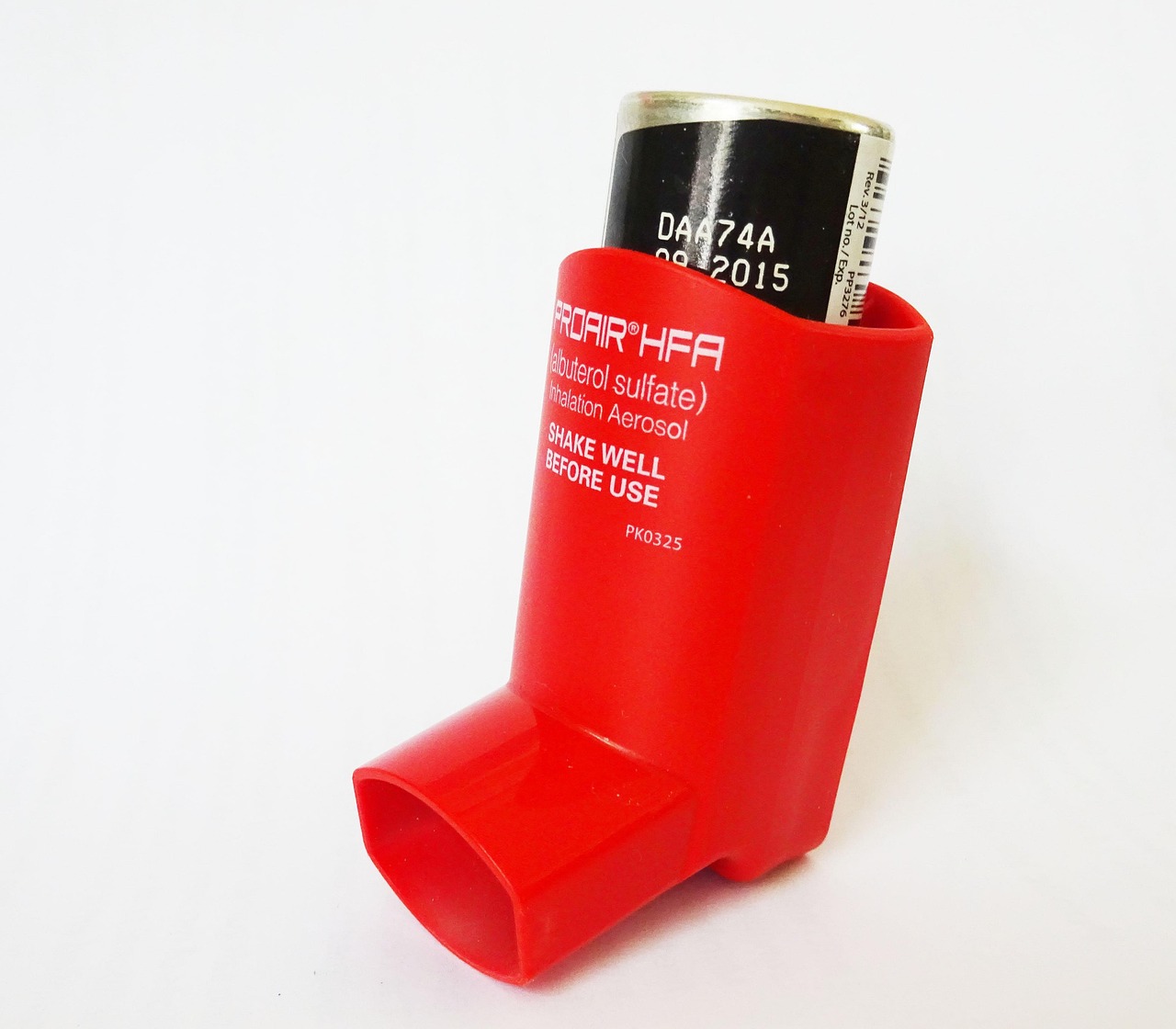
Bronchodilator – a medication that relaxes airway smooth muscle, improving airflow. Short‑acting bronchodilators such as albuterol are used for acute asthma attacks, while long‑acting agents like terbutaline may be incorporated into maintenance plans. Bronchodilators do not address underlying inflammation, so they are adjuncts rather than primary therapies.
Inhaled Corticosteroid (ICS) – a steroid delivered directly to the airways via a metered‑dose inhaler or nebulizer. ICS reduces airway inflammation with minimal systemic absorption, making it the preferred long‑term treatment for feline asthma. Proper technique (e.g., using a spacer) is crucial for efficacy.
Spacer Device – an attachment that creates a reservoir between the inhaler and the animal’s mouth, allowing for slower aerosol delivery and reducing oropharyngeal deposition. Spacer use improves drug deposition in the lower airway and reduces the risk of oral thrush.
Oral Steroid‑Sparing Agent – a medication that enables reduction or elimination of systemic steroids while maintaining disease control. Examples include anti‑IL‑5 antibodies, mast‑cell stabilizers, and certain antihistamines. Steroid‑sparing strategies are particularly valuable in cats, where long‑term oral corticosteroids can cause severe side effects.
Dermatophytosis – a fungal infection of the skin (ringworm) that can mimic allergic dermatitis. Accurate diagnosis using Wood’s lamp examination, fungal culture, or PCR is essential before initiating immunotherapy, as treating a fungal infection without addressing the underlying cause may lead to treatment failure.
Secondary Prevention – measures taken after an allergic episode to prevent recurrence. This includes reinforcing environmental controls, adjusting medication dosages, and scheduling follow‑up appointments. Secondary prevention is a key component of comprehensive allergy management plans.
Primary Prevention – interventions aimed at reducing the risk of developing an allergic disease in the first place. In veterinary practice, primary prevention may involve breeding strategies to avoid hereditary atopic tendencies, early life exposure to diverse microbial environments, and maintaining optimal nutrition to support skin barrier integrity.
Allergen‑Specific Immunotherapy (ASIT) – another term for immunotherapy that emphasizes the targeted nature of the treatment. ASIT is distinguished from nonspecific immunomodulators (e.g., cyclosporine) because it utilizes the precise allergens that provoke the individual’s disease.
Cyclosporine – an immunosuppressive agent that inhibits calcineurin, thereby reducing T‑cell activation. Cyclosporine is used as a systemic treatment for severe atopic dermatitis when conventional therapies fail. While effective, cyclosporine requires monitoring of blood concentrations and may predispose to opportunistic infections.
Oclacitinib – a Janus kinase (JAK) inhibitor that blocks cytokine signaling pathways involved in pruritus and inflammation. Oclacitinib provides rapid relief of itching in dogs and is approved for use in atopic dermatitis. Its safety profile is favorable, but long‑term data are still being gathered.
Lokivetmab – a canine‑specific anti‑IL‑31 monoclonal antibody approved for the treatment of pruritus associated with allergic dermatitis. IL‑31 is a key pruritogenic cytokine, and blocking its activity reduces itch without broadly suppressing the immune system. Lokivetmab is administered by subcutaneous injection every four weeks.
IL‑31 – an interleukin that directly stimulates sensory neurons, leading to the sensation of itch. Elevated IL‑31 levels have been documented in both canine and feline allergic skin disease. Targeted therapies against IL‑31 are a promising avenue for reducing pruritus while preserving overall immune function.
IL‑4 and IL‑13 – cytokines central to the Th2 allergic response, promoting IgE class switching and eosinophil recruitment. In human medicine, dupilumab (an IL‑4Rα antagonist) has demonstrated dramatic efficacy in atopic dermatitis. Veterinary research is exploring similar blockade strategies to treat refractory cases.
Dupilumab – a monoclonal antibody that inhibits signaling of both IL‑4 and IL‑13 by binding to the IL‑4 receptor α subunit. While currently approved for human use, experimental formulations are being evaluated in dogs with encouraging reductions in skin inflammation and pruritus.
Eosinophil – a white blood cell involved in parasitic defense and allergic inflammation. Elevated eosinophil counts in blood or tissue biopsies are a hallmark of many allergic conditions, including eosinophilic gastroenteritis and bronchitis. Monitoring eosinophil levels can help gauge disease activity and response to anti‑IL‑5 therapy.
Leukotriene – lipid mediators derived from arachidonic acid that cause bronchoconstriction, vascular permeability, and mucus production. Leukotriene receptor antagonists (e.g., montelukast) are used in human asthma and have been adapted for canine and feline respiratory allergies, offering an oral adjunctive option.
Montelukast – a leukotriene receptor antagonist that blocks the action of cysteinyl leukotrienes. In pets, montelukast can reduce airway inflammation and coughing episodes in asthma, though dosing guidelines are still being refined.
Probiotic Supplement – a preparation containing live beneficial bacteria that may modulate the gut microbiome and influence systemic immune responses. Some studies suggest that probiotic use in early life can lower the incidence of atopic dermatitis, potentially by promoting regulatory immune pathways.
Prebiotic – non‑digestible dietary fibers that stimulate the growth of beneficial gut bacteria. Prebiotic supplementation can enhance barrier function and may synergize with probiotic therapy to support immune homeostasis.
Skin Barrier Dysfunction – a primary defect in the stratum corneum that allows increased allergen penetration and microbial colonization. Genetic mutations affecting filaggrin and other structural proteins are implicated in human atopic dermatitis; similar mechanisms are being investigated in canine breeds prone to skin disease.
Filaggrin – a protein that aggregates keratin fibers, contributing to the formation of a robust skin barrier. Deficiencies in filaggrin expression are associated with increased transepidermal water loss and heightened allergen sensitivity. Research into filaggrin‑targeted therapies may eventually lead to novel treatments for pets.
Transepidermal Water Loss (TEWL) – a measurement of water vapor loss through the skin, serving as an indicator of barrier integrity. Elevated TEWL values correlate with active dermatitis and can be used to monitor the effectiveness of barrier‑repair interventions.
Hydrolyzed Protein Diet – a diet in which proteins are broken down into small peptides, reducing allergenicity. Hydrolyzed diets are a cornerstone of food‑allergy management, and many commercial veterinary formulas are available. The degree of hydrolysis (partial vs. extensive) influences the likelihood of residual allergenicity.
Novel Protein Diet – a diet that uses a protein source not previously encountered by the pet, minimizing the risk of sensitization. Common novel proteins include venison, duck, rabbit, and kangaroo. Switching to a novel protein diet is an alternative to hydrolyzed formulas when owners prefer whole‑food options.
Allergen Challenge Test – a controlled exposure to a suspected allergen to confirm causality. In a veterinary setting, challenge tests may involve intradermal injection of a specific allergen under observation, or a home‑based exposure protocol (e.g., introducing a new bedding material). Strict safety measures are required to prevent severe reactions.
Allergen Desensitization – the process by which repeated exposure to an allergen reduces the severity of the immune response. Desensitization is the underlying principle of both SCIT and SLIT, and successful desensitization is reflected by decreased clinical signs and lowered sIgE levels.
Allergen Tolerance Induction – a broader term encompassing any therapeutic strategy that aims to shift the immune system from a reactive to a tolerant state. This includes immunotherapy, peptide‑based vaccines, and regulatory T‑cell therapies.
Peptide Vaccine – a synthetic construct containing short sequences of allergen epitopes designed to induce tolerance without triggering full allergic activation. Peptide vaccines are being investigated for canine atopic dermatitis, with early studies showing promising reductions in pruritus after a few administrations.
Regulatory T‑Cell Inducing Peptide (Treg‑Peptide) – a specific peptide that preferentially expands Treg populations. The concept is to harness the body’s own tolerance mechanisms while minimizing the risk of anaphylaxis associated with whole‑extract immunotherapy.
Allergen Epitope Mapping – the identification of specific regions (epitopes) on an allergen that are recognized by IgE antibodies. Mapping helps design targeted immunotherapies that include only the most relevant epitopes, potentially reducing the dose required and minimizing side effects.
Allergen Component Panel – a diagnostic test that includes multiple purified allergen components, allowing clinicians to assess sensitization patterns comprehensively. Component panels are particularly useful for complex cases where multiple inhalant
Key takeaways
- Understanding the molecular structure of the allergen helps clinicians predict cross‑reactivity and select appropriate diagnostic tests.
- Allergen Extract – a preparation that contains the crude or purified proteins from a given source.
- Standardized Extract – an allergen extract that has been calibrated against a reference material so that each vial contains a defined amount of major allergen.
- A cat‑allergic kitten may test positive for Fel d 1 on a CRD panel, indicating true sensitization, whereas a dog that only reacts to a cross‑reactive carbohydrate determinant may not benefit from cat‑specific immunotherapy.
- Skin Prick Test (SPT) – a rapid in‑clinic method where a drop of allergen extract is introduced into the superficial epidermis using a sterile lancet.
- Intradermal Test (IDT) – a more sensitive technique than SPT that involves injecting a small volume of allergen extract into the dermis.
- Serum Specific IgE (sIgE) – measurement of allergen‑specific immunoglobulin E antibodies in the blood using immunoassays such as ELISA or fluorescence‑based platforms.