
Agricultural Finance Fundamentals
Agricultural finance fundamentals are crucial for the development and growth of the agricultural sector, as they provide the necessary financial resources and tools for farmers, agricultural businesses, and other stakeholders to manage risk…
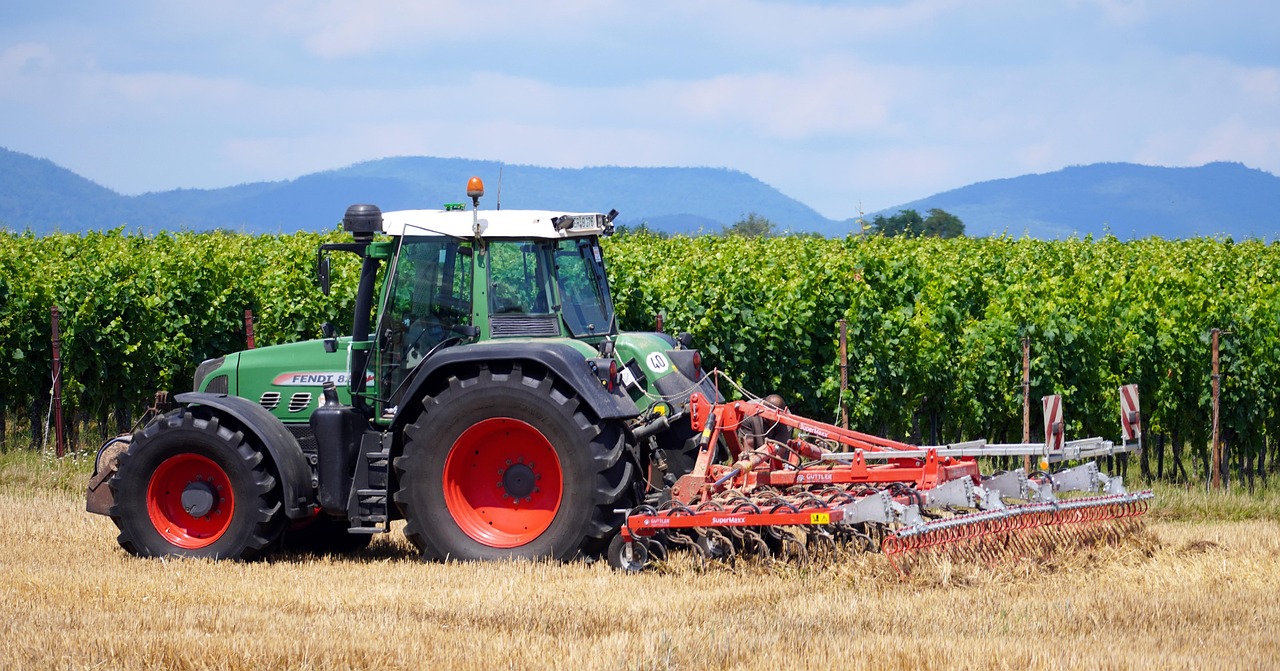
Agricultural finance fundamentals are crucial for the development and growth of the agricultural sector, as they provide the necessary financial resources and tools for farmers, agricultural businesses, and other stakeholders to manage risks, increase productivity, and improve their overall economic well-being. One of the key terms in agricultural finance is credit, which refers to the ability to borrow money or access financial resources from lenders, such as banks, microfinance institutions, or other financial service providers. Credit is essential for farmers and agricultural businesses to purchase inputs, such as seeds, fertilizers, and equipment, and to cover other operational expenses.
Another important concept in agricultural finance is risk management, which involves the use of various strategies and tools to mitigate potential risks and uncertainties associated with agricultural production and marketing. These risks can include weather-related events, such as droughts or floods, pests and diseases, price fluctuations, and other factors that can impact agricultural productivity and profitability. Risk management strategies can include the use of insurance products, such as crop insurance or livestock insurance, which can provide financial protection against potential losses.
Agricultural finance also involves the use of financial instruments, such as loans, leases, and credit lines, which can provide farmers and agricultural businesses with access to financial resources. These instruments can be used to finance a variety of activities, including the purchase of inputs, equipment, and other assets, as well as to cover operational expenses. For example, a farmer may use a loan to purchase a tractor or other equipment, or to finance the construction of a barn or other agricultural infrastructure.
In addition to credit and financial instruments, agricultural finance also involves the use of financial services, such as savings and deposit accounts, which can provide farmers and agricultural businesses with a safe and secure place to store their money. These services can also include payment and transfer services, such as mobile money or online banking, which can facilitate transactions and reduce the need for physical cash. For example, a farmer may use a mobile money service to purchase inputs or pay for other expenses, or to receive payments from buyers.
Agricultural finance also involves the concept of value chains, which refer to the series of activities and processes involved in the production, processing, and marketing of agricultural products. These value chains can include a variety of stakeholders, such as farmers, processors, wholesalers, and retailers, each of whom plays a critical role in the production and distribution of agricultural products. Understanding the value chain is essential for identifying opportunities for financial innovation and for developing targeted financial products and services that meet the needs of farmers and agricultural businesses.
The concept of financial inclusion is also critical in agricultural finance, as it refers to the ability of farmers and agricultural businesses to access financial services and products. Financial inclusion is essential for reducing poverty and improving economic well-being, as it can provide farmers and agricultural businesses with the financial resources they need to invest in their operations and improve their productivity. However, many farmers and agricultural businesses in developing countries lack access to formal financial services, and instead rely on informal sources of credit, such as friends and family members. This can limit their ability to invest in their operations and improve their productivity.
Agricultural finance also involves the use of technology, such as digital platforms and mobile apps, which can provide farmers and agricultural businesses with access to financial services and products. These technologies can also facilitate the collection and analysis of data, which can be used to improve the targeting and effectiveness of financial products and services. For example, a digital platform may use data analytics to identify farmers who are most likely to benefit from a particular financial product or service, and to tailor the product or service to meet their specific needs.
In addition to these concepts, agricultural finance also involves the use of financial literacy, which refers to the ability of farmers and agricultural businesses to understand and manage their financial resources effectively. Financial literacy is essential for making informed decisions about investments, credit, and other financial products and services, and for avoiding financial risks and pitfalls. For example, a farmer who is financially literate may be able to understand the terms and conditions of a loan or other financial product, and to make informed decisions about whether or not to use the product.
The concept of sustainability is also critical in agricultural finance, as it refers to the ability of farmers and agricultural businesses to maintain their operations over the long term, while also minimizing their impact on the environment. Sustainable agricultural practices, such as organic farming or agroforestry, can help to reduce the environmental impact of agriculture, while also improving the productivity and profitability of farmers and agricultural businesses. However, these practices often require significant investments of time and money, and may require access to specialized financial products and services.
Agricultural finance also involves the concept of scalability, which refers to the ability of financial products and services to be expanded or replicated in order to reach larger numbers of farmers and agricultural businesses. Scalability is essential for achieving economies of scale and reducing the costs of financial services, and for increasing the impact and effectiveness of financial products and services. For example, a scalable financial product or service may be able to be replicated in multiple locations, or to be expanded to reach larger numbers of farmers and agricultural businesses.
The concept of impact investing is also relevant in agricultural finance, as it refers to the use of financial resources to achieve social or environmental impacts, in addition to financial returns. Impact investing can be used to support sustainable agricultural practices, or to provide financial services to farmers and agricultural businesses that may not have access to traditional sources of credit. For example, an impact investor may provide funding to a farmer or agricultural business that is using sustainable practices, or to a financial institution that is providing financial services to smallholder farmers.
Agricultural finance also involves the use of partnerships and collaboration, which can provide farmers and agricultural businesses with access to financial resources, expertise, and other resources. Partnerships and collaboration can also facilitate the development of new financial products and services, and can help to increase the impact and effectiveness of existing products and services. For example, a partnership between a financial institution and a farmer organization may provide farmers with access to financial services, while also providing the financial institution with expertise and knowledge about the needs and challenges of farmers.
In addition to these concepts, agricultural finance also involves the concept of regulation, which refers to the rules and laws that govern the provision of financial services to farmers and agricultural businesses. Regulation is essential for protecting the rights and interests of farmers and agricultural businesses, and for ensuring that financial services are provided in a safe and sound manner. For example, a regulatory framework may require financial institutions to provide clear and transparent information about their products and services, or to adhere to certain standards and guidelines for lending and credit.
The concept of innovation is also critical in agricultural finance, as it refers to the development of new financial products, services, and technologies that can meet the evolving needs and challenges of farmers and agricultural businesses. Innovation can include the use of digital platforms and mobile apps, as well as the development of new financial instruments and products. For example, a fin-tech company may develop a mobile app that provides farmers with access to financial services, or a financial institution may develop a new type of loan or credit product that is tailored to the needs of farmers.
Agricultural finance also involves the concept of capacity building, which refers to the process of developing the skills and knowledge of farmers and agricultural businesses, as well as the staff of financial institutions and other organizations. Capacity building is essential for improving the effectiveness and impact of financial products and services, and for increasing the ability of farmers and agricultural businesses to manage their financial resources effectively. For example, a training program may provide farmers with training on financial literacy, or a financial institution may provide its staff with training on the needs and challenges of farmers.
The concept of monitoring and evaluation is also critical in agricultural finance, as it refers to the process of tracking and assessing the impact and effectiveness of financial products and services. Monitoring and evaluation are essential for identifying areas for improvement, and for making adjustments to financial products and services in order to increase their impact and effectiveness. For example, a monitoring and evaluation framework may be used to track the number of farmers who are using a particular financial product or service, or to assess the impact of the product or service on the productivity and profitability of farmers.
In addition to these concepts, agricultural finance also involves the use of data and analytics, which can provide insights and information about the needs and challenges of farmers and agricultural businesses. Data and analytics can be used to improve the targeting and effectiveness of financial products and services, and to increase the impact and efficiency of financial institutions and other organizations. For example, a data analytics platform may be used to analyze data on the financial behavior of farmers, or to identify trends and patterns in the use of financial products and services.
The concept of financial infrastructure is also relevant in agricultural finance, as it refers to the systems and institutions that provide financial services to farmers and agricultural businesses. Financial infrastructure can include payment systems, such as mobile money or online banking, as well as credit bureaus and other institutions that provide financial information and services. For example, a payment system may be used to facilitate transactions between farmers and buyers, or a credit bureau may be used to provide financial information about farmers and agricultural businesses.
Agricultural finance also involves the concept of rural development, which refers to the process of improving the economic and social well-being of rural communities. Rural development is essential for reducing poverty and improving economic opportunities, and can involve a variety of activities, such as the provision of financial services, the development of infrastructure, and the support of sustainable agricultural practices. For example, a rural development program may provide funding to support the development of rural infrastructure, or to support the use of sustainable agricultural practices.
The concept of climate change is also relevant in agricultural finance, as it refers to the changes in weather patterns and other environmental factors that can impact agricultural productivity and profitability. Climate change can increase the risks and uncertainties associated with agricultural production, and can require farmers and agricultural businesses to adapt their practices and strategies in order to remain competitive. For example, a climate-resilient agricultural practice may involve the use of drought-tolerant crops, or the implementation of conservation agriculture practices.
In addition to these concepts, agricultural finance also involves the use of agricultural insurance, which can provide financial protection against potential losses due to weather-related events, pests and diseases, and other factors. Agricultural insurance can be an effective risk management tool, and can help to reduce the financial risks and uncertainties associated with agricultural production. For example, a crop insurance product may provide financial protection against crop losses due to drought or other weather-related events.
The concept of value chain finance is also critical in agricultural finance, as it refers to the provision of financial services to farmers and agricultural businesses along the value chain. Value chain finance can involve the use of financial instruments, such as loans or credit lines, to support the production, processing, and marketing of agricultural products. For example, a value chain finance product may provide funding to a farmer to purchase inputs, or to a processor to purchase products from farmers.
Agricultural finance also involves the concept of digital finance, which refers to the use of digital technologies, such as mobile phones or computers, to provide financial services to farmers and agricultural businesses. Digital finance can increase access to financial services, and can reduce the costs and complexities associated with traditional financial services. For example, a digital payment system may be used to facilitate transactions between farmers and buyers, or a digital credit platform may be used to provide credit to farmers and agricultural businesses.
The concept of financial inclusion for women is also relevant in agricultural finance, as it refers to the ability of women to access financial services and products. Financial inclusion for women is essential for reducing poverty and improving economic well-being, and can involve a variety of activities, such as the provision of financial literacy training, or the development of financial products and services that are tailored to the needs of women. For example, a women's empowerment program may provide funding to support the development of women's economic opportunities, or a financial product may be designed to meet the specific needs of women farmers or entrepreneurs.
In addition to these concepts, agricultural finance also involves the use of blockchain technology, which can provide a secure and transparent way to record and verify transactions. Blockchain technology can be used to increase the efficiency and effectiveness of financial services, and to reduce the risks and uncertainties associated with agricultural production and marketing. For example, a blockchain-based platform may be used to facilitate transactions between farmers and buyers, or to provide a secure and transparent way to record and verify the ownership and movement of agricultural products.
The concept of agricultural lending is also critical in agricultural finance, as it refers to the provision of credit to farmers and agricultural businesses to support the production, processing, and marketing of agricultural products. Agricultural lending can involve the use of a variety of financial instruments, such as loans or credit lines, and can be used to support a range of activities, from the purchase of inputs to the construction of agricultural infrastructure. For example, a loan product may be designed to support the purchase of seeds and fertilizers, or a credit line may be used to support the construction of a barn or other agricultural infrastructure.
Agricultural finance also involves the concept of risk assessment, which refers to the process of identifying and evaluating the risks and uncertainties associated with agricultural production and marketing. Risk assessment is essential for developing effective risk management strategies, and can involve the use of a variety of tools and techniques, such as data analysis and modeling. For example, a risk assessment framework may be used to identify the potential risks and uncertainties associated with a particular agricultural practice or investment, or a risk modeling tool may be used to simulate the potential impacts of different risk scenarios.
In addition to these concepts, agricultural finance also involves the use of financial modeling, which refers to the use of mathematical models to simulate the financial performance of agricultural businesses or investments. Financial modeling can be used to evaluate the potential returns and risks associated with different agricultural practices or investments, and to identify the most effective strategies for managing financial risks and uncertainties. For example, a financial model may be used to evaluate the potential returns and risks associated with a particular crop or livestock investment, or a financial simulation tool may be used to simulate the potential impacts of different financial scenarios.
The concept of agricultural policy is also relevant in agricultural finance, as it refers to the rules and regulations that govern the agricultural sector. Agricultural policy can have a significant impact on the financial performance of agricultural businesses, and can influence the availability and cost of financial services. For example, a policy framework may be used to support the development of sustainable agricultural practices, or a policy initiative may be used to increase access to financial services for smallholder farmers.
Agricultural finance also involves the concept of market development, which refers to the process of creating and developing markets for agricultural products. Market development is essential for increasing the demand and price of agricultural products, and can involve a variety of activities, such as market research and analysis, marketing and promotion, and the development of market infrastructure. For example, a market development program may be used to support the development of new markets for agricultural products, or a market analysis tool may be used to evaluate the potential demand and price of different agricultural products.
In addition to these concepts, agricultural finance also involves the use of financial technology, which refers to the use of technology to provide financial services to farmers and agricultural businesses. Financial technology can increase access to financial services, and can reduce the costs and complexities associated with traditional financial services. For example, a fin-tech platform may be used to provide financial services to farmers and agricultural businesses, or a digital wallet may be used to facilitate transactions between farmers and buyers.
The concept of agricultural insurance products is also critical in agricultural finance, as it refers to the provision of financial protection against potential losses due to weather-related events, pests and diseases, and other factors. Agricultural insurance products can be an effective risk management tool, and can help to reduce the financial risks and uncertainties associated with agricultural production. For example, a crop insurance product may provide financial protection against crop losses due to drought or other weather-related events, or a livestock insurance product may provide financial protection against livestock losses due to disease or other factors.
Agricultural finance also involves the concept of value chain development, which refers to the process of creating and developing value chains for agricultural products. Value chain development is essential for increasing the demand and price of agricultural products, and can involve a variety of activities, such as the development of new products and services, the improvement of logistics and transportation, and the creation of new markets and distribution channels. For example, a value chain development program may be used to support the development of new value chains for agricultural products, or a value chain analysis tool may be used to evaluate the potential benefits and challenges of different value chain development strategies.
In addition to these concepts, agricultural finance also involves the use of partnership and collaboration, which refers to the process of working together with other organizations and stakeholders to achieve common goals and objectives. Partnership and collaboration are essential for increasing the impact and effectiveness of agricultural finance initiatives, and can involve a variety of activities, such as the sharing of knowledge and expertise, the provision of financial and technical assistance, and the creation of new products and services. For example, a partnership program may be used to support the development of new financial products and services for farmers and agricultural businesses, or a collaboration platform may be used to facilitate communication and coordination between different stakeholders and organizations.
The concept of financial regulation is also relevant in agricultural finance, as it refers to the rules and laws that govern the provision of financial services to farmers and agricultural businesses. Financial regulation is essential for protecting the rights and interests of farmers and agricultural businesses, and for ensuring that financial services are provided in a safe and sound manner. For example, a regulatory framework may be used to govern the provision of financial services to farmers and agricultural businesses, or a regulatory body may be used to oversee and regulate the activities of financial institutions and other organizations.
Agricultural finance also involves the concept of financial literacy and education, which refers to the process of providing farmers and agricultural businesses with the knowledge and skills they need to manage their financial resources effectively. Financial literacy and education are essential for increasing the impact and effectiveness of agricultural finance initiatives, and can involve a variety of activities, such as the provision of training and technical assistance, the development of educational materials and resources, and the creation of financial literacy programs and initiatives. For example, a financial literacy program may be used to provide farmers and agricultural businesses with training and technical assistance on financial management and planning, or a financial education initiative may be used to develop educational materials and resources on financial literacy and management.
In addition to these concepts, agricultural finance also involves the use of digital payment systems, which refers to the use of digital technologies to facilitate transactions between farmers and buyers. Digital payment systems can increase access to financial services, and can reduce the costs and complexities associated with traditional payment systems. For example, a digital payment platform may be used to facilitate transactions between farmers and buyers, or a mobile payment system may be used to provide farmers and agricultural businesses with access to financial services.
The concept of agricultural finance institutions is also critical in agricultural finance, as it refers to the organizations and institutions that provide financial services to farmers and agricultural businesses. Agricultural finance institutions can include banks, microfinance institutions, and other types of financial institutions, and can play a crucial role in increasing access to financial services and reducing poverty and inequality. For example, a microfinance institution may be used to provide financial services to smallholder farmers, or a commercial bank may be used to provide financial services to larger agricultural businesses.
Agricultural finance also involves the concept of financial product development, which refers to the process of creating and developing new financial products and services for farmers and agricultural businesses. Financial product development is essential for increasing the impact and effectiveness of agricultural finance initiatives, and can involve a variety of activities, such as market research and analysis, product design and testing, and the creation of new financial products and services. For example, a financial product development program may be used to support the development of new financial products and services for farmers and agricultural businesses, or a product design tool may be used to design and test new financial products and services.
In addition to these concepts, agricultural finance also involves the use of agricultural finance policy, which refers to the rules and regulations that govern the provision of financial services to farmers and agricultural businesses. Agricultural finance policy is essential for protecting the rights and interests of farmers and agricultural businesses, and for ensuring that financial services are provided in a safe and sound manner. For example, a policy framework may be used to govern the provision of financial services to farmers and agricultural businesses, or a policy initiative may be used to increase access to financial services for smallholder farmers.
The concept of financial inclusion policy is also relevant in agricultural finance, as it refers to the rules and regulations that govern the provision of financial services to disadvantaged or underserved groups, such as smallholder farmers or women. Financial inclusion policy is essential for increasing access to financial services, and can involve a variety of activities, such as the development of new financial products and services, the creation of new financial institutions and organizations, and the provision of financial literacy and education. For example, a financial inclusion policy may be used to increase access to financial services for smallholder farmers, or a financial inclusion initiative may be used to support the development of new financial products and services for disadvantaged or underserved groups.
Agricultural finance also involves the concept of agricultural finance research, which refers to the process of conducting research and analysis on agricultural finance topics and issues. Agricultural finance research is essential for increasing the impact and effectiveness of agricultural finance initiatives, and can involve a variety of activities, such as data collection and analysis, literature reviews and synthesis, and the creation of new research and analysis tools and methods. For example, a research program may be used to support the development of new research and analysis on agricultural finance topics and issues, or a research initiative may be used to conduct research and analysis on the impact and effectiveness of agricultural finance initiatives.
In addition to these concepts, agricultural finance also involves the use of agricultural finance training, which refers to the process of providing training and technical assistance to farmers and agricultural businesses on agricultural finance topics and issues. Agricultural finance training is essential for increasing the impact and effectiveness of agricultural finance initiatives, and can involve a variety of activities, such as the provision of training and technical assistance, the development of educational materials and resources, and the creation of training and technical assistance programs and initiatives. For example, a training program may be used to provide farmers and agricultural businesses with training and technical assistance on agricultural finance topics and issues, or a training initiative may be used to support the development of new training and technical assistance programs and initiatives.
The concept of agricultural finance capacity building is also critical in agricultural finance, as it refers to the process of building the capacity of farmers and agricultural businesses to manage their financial resources effectively. Agricultural finance capacity building is essential for increasing the impact and effectiveness of agricultural finance initiatives, and can involve a variety of activities, such as the provision of training and technical assistance, the development of educational materials and resources, and the creation of capacity building programs and initiatives. For example, a capacity building program may be used to support the development of new capacity building programs and initiatives, or a capacity building initiative may be used to provide farmers and agricultural businesses with training and technical assistance on agricultural finance topics and issues.
Agricultural finance also involves the concept of agricultural finance innovation, which refers to the process of developing and implementing new and innovative agricultural finance products, services, and technologies. Agricultural finance innovation is essential for increasing the impact and effectiveness of agricultural finance initiatives, and can involve a variety of activities, such as the development of new financial products and services, the creation of new financial institutions and organizations, and the provision of financial literacy and education. For example, a innovation program may be used to support the development of new and innovative agricultural finance products, services, and technologies, or a innovation initiative may be used to provide farmers and agricultural businesses with access to new and innovative financial products and services.
In addition to these concepts, agricultural finance also involves the use of agricultural finance monitoring and evaluation, which refers to the process of tracking and assessing the impact and effectiveness of agricultural finance initiatives. Agricultural finance monitoring and evaluation is essential for increasing the impact and effectiveness of agricultural finance initiatives, and can involve a variety of activities, such as the collection and analysis of data, the creation of monitoring and evaluation frameworks and tools, and the provision of technical assistance and capacity building. For example, a monitoring and evaluation program may be used to support the development of new monitoring and evaluation frameworks and tools, or a monitoring and evaluation initiative may be used to provide farmers and agricultural businesses with technical assistance and capacity building on monitoring and evaluation topics and issues.
The concept of agricultural finance sustainability is also relevant in agricultural finance, as it refers to the ability of agricultural finance initiatives to be sustained over time. Agricultural finance sustainability is essential for increasing the impact and effectiveness of agricultural finance initiatives, and can involve a variety of activities, such as the creation of sustainable business models, the development of sustainable financial products and services, and the provision of technical assistance and capacity building. For example, a sustainability program may be used to support the development of sustainable business models, or a sustainability initiative may be used to provide farmers and agricultural businesses with technical assistance and capacity building on sustainability topics and issues.
Agricultural finance also involves the concept of agricultural finance scalability, which refers to the ability of agricultural finance initiatives to be expanded or replicated in order to reach larger numbers of farmers and agricultural businesses. Agricultural finance scalability is essential for increasing the impact and effectiveness of agricultural finance initiatives, and can involve a variety of activities, such as the creation of scalable business models, the development of scalable financial products and services, and the provision of technical assistance and capacity building. For example, a scalability program may be used to support the development of scalable business models, or a scalability initiative may be used to provide farmers and agricultural businesses with technical assistance and capacity building on scalability topics and issues.
In addition to these concepts, agricultural finance also involves the use of agricultural finance technology, which refers to the use of technology to provide financial services to farmers and agricultural businesses. Agricultural finance technology is essential for increasing the impact and effectiveness of agricultural finance initiatives, and can involve a variety of activities, such as the development of digital payment systems, the creation of mobile banking and financial services, and the provision of technical assistance and capacity building. For example, a technology program may be used to support the development of digital payment systems, or a technology initiative may be used to provide farmers and agricultural businesses with technical assistance and capacity building on technology topics and issues.
The concept of agricultural finance innovation ecosystem is also critical in agricultural finance, as it refers to the network of organizations, institutions, and individuals that work together to develop and implement new and innovative agricultural finance products, services, and technologies. Agricultural finance innovation ecosystem is essential for increasing the impact and effectiveness of agricultural finance initiatives, and can involve a variety of activities, such as the creation of innovation hubs and accelerators, the development of innovation funding and financing mechanisms, and the provision of technical assistance and capacity building. For example, a innovation ecosystem program may be used to support the development of innovation hubs and accelerators, or a innovation ecosystem initiative may be used to provide farmers and agricultural businesses with technical assistance and capacity building on innovation ecosystem topics and issues.
Agricultural finance also involves the concept of agricultural finance data and analytics, which refers to the use of data and analytics to track and assess the impact and effectiveness of agricultural finance initiatives. Agricultural finance data and analytics is essential for increasing the impact and effectiveness of agricultural finance initiatives, and can involve a variety of activities, such as the collection and analysis of data, the creation of data and analytics frameworks and tools, and the provision of technical assistance and capacity building. For example, a data and analytics program may be used to support the development of data and analytics frameworks and tools, or a data and analytics initiative may be used to provide farmers and agricultural businesses with technical assistance and capacity building on data and analytics topics and issues.
In addition to these concepts, agricultural finance also involves the use of agricultural finance policy and regulation, which refers to the rules and laws that govern the provision of financial services to farmers and agricultural businesses. Agricultural finance policy and regulation is essential for protecting the rights and interests of farmers and agricultural businesses, and for ensuring that financial services are provided in a safe and sound manner. For example, a policy and regulation program may be used to support the development of policy and regulation frameworks and tools, or a policy and regulation initiative may be used to provide farmers and agricultural businesses with technical assistance and capacity building on policy and regulation topics and issues.
The concept of agricultural finance international cooperation is also relevant in agricultural finance, as it refers to the collaboration and cooperation between different countries and organizations to develop and implement agricultural finance initiatives. Agricultural finance international cooperation is essential for increasing the impact and effectiveness of agricultural finance initiatives, and can involve a variety of activities, such as the creation of international partnerships and collaborations, the development of international funding and financing mechanisms, and the provision of technical assistance and capacity building. For example, a international cooperation program may be used to support the development of international partnerships and collaborations, or a international cooperation initiative may be used to provide farmers and agricultural businesses with technical assistance and capacity building on international cooperation topics and issues.
Agricultural finance also involves the concept of agricultural finance national and local implementation, which refers to the implementation of agricultural finance initiatives at the national and local levels. Agricultural finance national and local implementation is essential for increasing the impact and effectiveness of agricultural finance initiatives, and can involve a variety of activities, such as the creation of national and local partnerships and collaborations, the development of national and local funding and financing mechanisms, and the provision of technical assistance and capacity building. For example, a national and local implementation program may be used to support the development of national and local partnerships and collaborations, or a national and local implementation initiative may be used to provide farmers and agricultural businesses with technical assistance and capacity building on national and local implementation topics and issues.
In addition to these concepts, agricultural finance also involves the use of agricultural finance monitoring and evaluation frameworks, which refers to the frameworks and tools used to track and assess the impact and effectiveness of agricultural finance initiatives. Agricultural finance monitoring and evaluation frameworks is essential for increasing the impact and effectiveness of agricultural finance initiatives, and can involve a variety of activities, such as the creation of monitoring and evaluation frameworks and tools, the collection and analysis of data, and the provision of technical assistance and capacity building. For example, a monitoring and evaluation framework program may be used to support the development of monitoring and evaluation frameworks and tools, or a monitoring and evaluation framework initiative may be used to provide farmers and agricultural businesses with technical assistance and capacity building on monitoring and evaluation framework topics and issues.
The concept of agricultural finance sustainability and scalability is also critical in agricultural finance, as it refers to the ability of agricultural finance initiatives to be sustained and scaled up over time. Agricultural finance sustainability and scalability is essential for increasing the impact and effectiveness of agricultural finance initiatives, and can involve a variety of activities, such as the creation of sustainable and scalable business models, the development of sustainable and scalable financial products and services, and the provision of technical assistance and capacity building. For example, a sustainability and scalability program may be used to support the development of sustainable and scalable business models, or a sustainability and scalability initiative may be used to provide farmers and agricultural businesses with technical assistance and capacity building on sustainability and scalability topics and issues.
Agricultural finance also involves the concept of agricultural finance technology and innovation, which refers to the use of technology and innovation to provide financial services to farmers and agricultural businesses. Agricultural finance technology and innovation is essential for increasing the impact and effectiveness of agricultural finance initiatives, and can involve a variety of activities, such as the development of digital payment systems, the creation of mobile banking and financial services, and the provision of technical assistance and capacity building. For example, a technology and innovation program may be used to support the development of digital payment systems, or a technology and innovation initiative may be used to provide farmers and agricultural businesses with technical assistance and capacity building on technology and innovation topics and issues.
In addition to these concepts, agricultural finance also involves the use of agricultural finance data and analytics platforms, which refers to the platforms and tools used to collect, analyze, and disseminate data and analytics on agricultural finance topics and issues. Agricultural finance data and analytics platforms is essential for increasing the impact and effectiveness of agricultural finance initiatives, and can involve a variety of activities, such as the creation of data and analytics platforms and tools, the collection and analysis of data, and the provision of technical assistance and capacity building. For example, a data and analytics platform program may be used to support the development of data and analytics platforms and tools, or a data and analytics platform initiative may be used to provide farmers and agricultural businesses with technical assistance and capacity building on data and analytics platform topics and issues.
The concept of agricultural finance policy and regulatory frameworks is also relevant in agricultural finance, as it refers to the rules and laws that govern the provision of financial services to farmers and agricultural businesses. Agricultural finance policy and regulatory frameworks is essential for protecting the rights and interests of farmers and agricultural businesses, and for ensuring that financial services are provided in a safe and sound manner. For example, a policy and regulatory framework program may be used to support the development of policy and regulatory frameworks, or a policy and regulatory framework initiative may be used to provide farmers and agricultural businesses with technical assistance and capacity building on policy and regulatory framework topics and issues.
Agricultural finance also involves the concept of agricultural finance international partnerships and collaborations, which refers to the collaboration and cooperation between different countries and organizations to develop and implement agricultural finance initiatives. Agricultural finance international partnerships and collaborations is essential for increasing the impact and effectiveness of agricultural finance initiatives, and can involve a variety of activities, such as the creation of international partnerships and collaborations, the development of international funding and financing mechanisms, and the provision of technical assistance and capacity building. For example, a international partnership program may be used to support the development of international partnerships and collaborations, or a international partnership initiative may be used to provide farmers and agricultural businesses with technical assistance and capacity building on international partnership topics and issues.
In addition to these concepts, agricultural finance also involves the use of agricultural finance national and local partnerships and collaborations, which refers to the collaboration and cooperation between different organizations and stakeholders at the national and local levels to develop and implement agricultural finance initiatives. Agricultural finance national and local partnerships and collaborations is essential for increasing the impact and effectiveness of agricultural finance initiatives, and can involve a variety of activities, such as the creation of national and local partnerships and collaborations, the development of national and local funding and financing mechanisms, and the provision of technical assistance and capacity building. For example, a national and local partnership program may be used to support the development of national and local partnerships and collaborations, or a national and local partnership initiative may be used to provide farmers and agricultural businesses with technical assistance and capacity building on national and local partnership topics and issues.
The concept of agricultural finance monitoring and evaluation tools is also critical in agricultural finance, as it refers to the tools and frameworks used to track and assess the impact and effectiveness of agricultural finance initiatives.
Key takeaways
- One of the key terms in agricultural finance is credit, which refers to the ability to borrow money or access financial resources from lenders, such as banks, microfinance institutions, or other financial service providers.
- Another important concept in agricultural finance is risk management, which involves the use of various strategies and tools to mitigate potential risks and uncertainties associated with agricultural production and marketing.
- Agricultural finance also involves the use of financial instruments, such as loans, leases, and credit lines, which can provide farmers and agricultural businesses with access to financial resources.
- These services can also include payment and transfer services, such as mobile money or online banking, which can facilitate transactions and reduce the need for physical cash.
- Understanding the value chain is essential for identifying opportunities for financial innovation and for developing targeted financial products and services that meet the needs of farmers and agricultural businesses.
- However, many farmers and agricultural businesses in developing countries lack access to formal financial services, and instead rely on informal sources of credit, such as friends and family members.
- For example, a digital platform may use data analytics to identify farmers who are most likely to benefit from a particular financial product or service, and to tailor the product or service to meet their specific needs.