
Food And Beverage Cost Control
Food Cost is the total amount spent on purchasing raw materials used to produce menu items, expressed as a percentage of the total food sales. For example, if a hotel purchases $20,000 worth of ingredients in a month and generates $80,000 i…
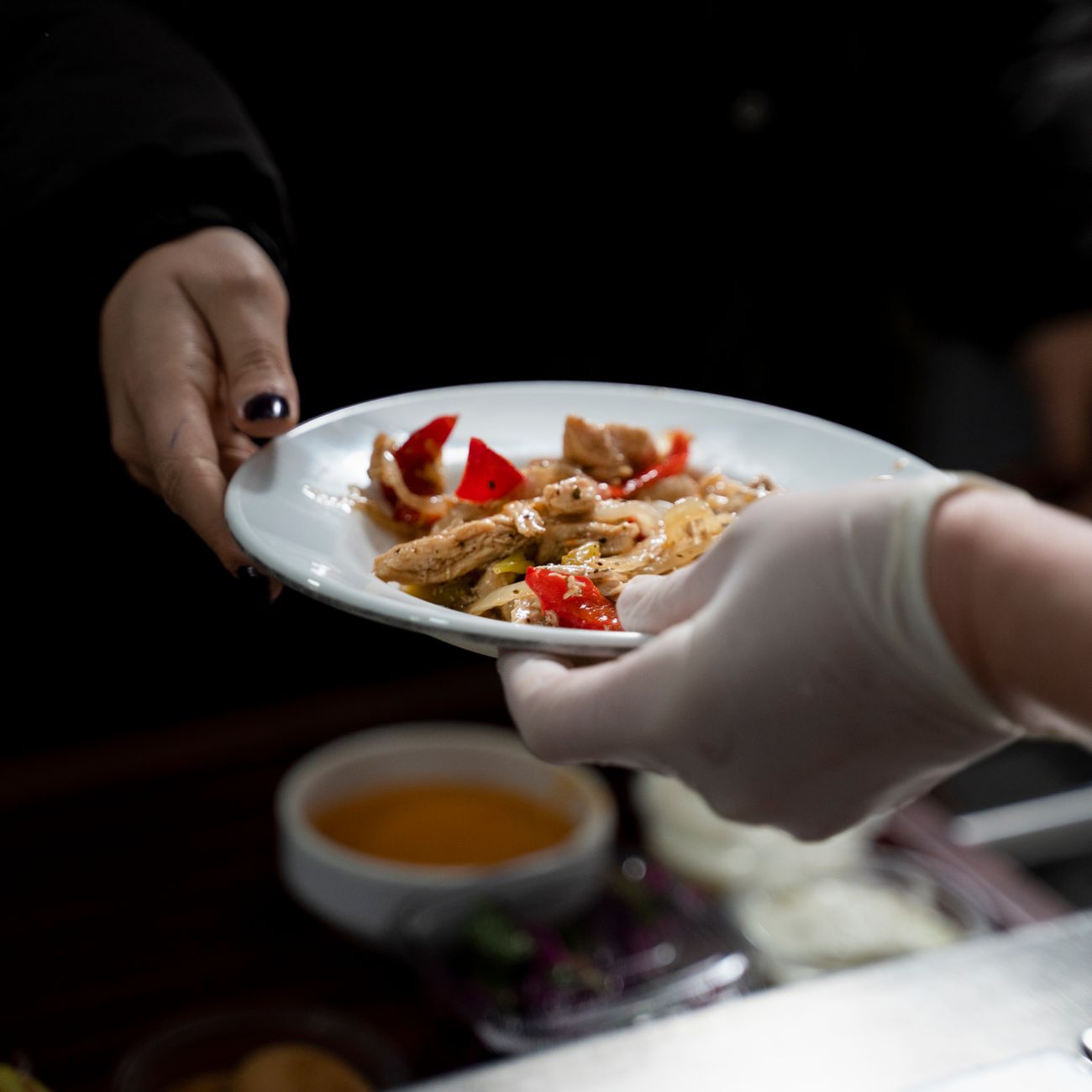
Food Cost is the total amount spent on purchasing raw materials used to produce menu items, expressed as a percentage of the total food sales. For example, if a hotel purchases $20,000 worth of ingredients in a month and generates $80,000 in food revenue, the food cost percentage is 25 per cent. Maintaining a food cost within the target range – usually between 28 and 32 per cent for most hotels – is essential for profitability.
Beverage Cost follows the same principle but applies to drinks, including alcoholic and non‑alcoholic items. A bar that spends $15,000 on liquor and generates $50,000 in beverage sales will have a beverage cost of 30 per cent. Because beverage margins are typically higher than food margins, careful monitoring of beverage cost helps to maximise overall profit.
Cost of Goods Sold (COGS) represents the direct costs of food and beverage items sold during a period. COGS includes the purchase price of ingredients, waste, and any spoilage that cannot be sold. It is a key figure on the income statement and forms the basis for calculating gross profit.
Menu Engineering is a systematic approach to analysing the profitability and popularity of each menu item. By classifying dishes into the stars (high profit, high popularity), plow‑horses (low profit, high popularity), puzzles (high profit, low popularity), and dogs (low profit, low popularity), managers can decide which items to promote, redesign, or remove. For instance, a hotel restaurant may decide to highlight a “star” dish such as grilled seabass on promotional materials, while re‑pricing a “puzzle” like truffle risotto to improve its sales volume.
Portion Control refers to the practice of serving a consistent, predetermined amount of each menu item. Accurate portion control ensures that the cost per serving remains stable and reduces the risk of over‑portioning, which can inflate food cost. A kitchen might use calibrated scoops, scales, or portioning tools to guarantee that each plate of pasta contains exactly 150 grams of cooked noodles.
Yield is the ratio of the usable portion of an ingredient to its original weight. For example, a whole chicken weighing 2 kg may produce 1.2 kg of edible meat after removing bones and skin, resulting in a yield of 60 per cent. Understanding yield allows cost controllers to calculate the true cost of the edible portion, rather than the purchase price of the whole item.
Waste includes any food or beverage that is discarded, spoiled, or otherwise unusable. Waste can be split into three categories: pre‑production waste (ingredients discarded before cooking), post‑production waste (finished dishes left uneaten), and spoilage (perishable items that exceed their shelf life). A hotel that records $800 in monthly waste must investigate the causes – such as over‑preparation or improper storage – and implement corrective measures.
Inventory is the total stock of food and beverage items held at any given time. Effective inventory management involves regular physical counts, reconciliation with purchasing records, and the use of inventory software to track movements. For example, a hotel may conduct a weekly inventory of dry goods, comparing the recorded quantity with the expected quantity based on usage reports to detect discrepancies.
Par Level is the minimum quantity of a particular item that should be on hand to meet expected demand without over‑stocking. Setting appropriate par levels prevents both stock‑outs and excess inventory. If a hotel’s breakfast buffet typically uses 30 kg of fresh fruit per day, the par level for fruit may be set at 45 kg to provide a three‑day safety buffer.
Stock Rotation follows the “first‑in, first‑out” (FIFO) principle, ensuring that older items are used before newer ones. Proper rotation reduces spoilage and waste. In a hotel kitchen, fresh fish delivered on Monday should be placed behind the fish delivered on Tuesday, so the Monday stock is consumed first.
FIFO (First‑In, First‑Out) is the inventory management method that aligns with stock rotation. It is particularly important for perishable goods such as dairy, meat, and produce. By labeling each delivery with the date received and arranging shelves accordingly, a kitchen can maintain compliance with FIFO and minimise waste.
LIFO (Last‑In, First‑Out) is less common in hospitality because it can lead to older stock remaining unused, increasing the risk of spoilage. However, some non‑perishable items such as canned goods may be managed using LIFO if it aligns with supplier contracts.
Standard Recipe is a documented set of ingredients, quantities, and preparation steps that defines how a menu item is produced. Standard recipes provide the basis for costing, portion control, and quality consistency. For instance, a standard recipe for a Caesar salad may list 30 g of romaine lettuce, 10 g of Parmesan, 15 ml of dressing, and a 20 g crouton portion per serving.
Recipe Cost is the total cost of all ingredients required to produce a single portion of a menu item, derived from the standard recipe and current purchase prices. If the lettuce costs $0.20 per 100 g, the Parmesan $0.50 per 10 g, the dressing $0.10 per 15 ml, and the croutons $0.05 per 20 g, the recipe cost would be $0.85 per Caesar salad.
Menu Mix describes the proportion of each menu category (e.g., appetizers, mains, desserts) sold over a period. Changing the menu mix can affect overall profitability. For example, encouraging guests to order more high‑margin mains while reducing sales of low‑margin desserts can improve the restaurant’s average gross profit.
Menu Pricing is the process of setting selling prices for menu items based on cost, desired profit margin, and market positioning. A common method is to apply a markup to the recipe cost. If the desired food cost is 30 per cent, a dish with a recipe cost of $5 would be priced at $16.67 (5 ÷ 0.30).
Gross Profit equals total sales minus COGS. It reflects the profit before accounting for labor, overhead, and other operating expenses. A restaurant that generates $100,000 in sales and has $30,000 in food and beverage COGS will report a gross profit of $70,000.
Net Profit is the amount remaining after all expenses – including labor, utilities, rent, and depreciation – are deducted from gross profit. Net profit is the ultimate indicator of the operation’s financial health.
Contribution Margin is the difference between the selling price of a menu item and its variable costs (primarily food or beverage cost). It shows how much each sale contributes toward covering fixed costs and generating profit. If a cocktail sells for $12 and its ingredient cost is $3, the contribution margin is $9.
Break‑Even Point is the sales volume at which total revenue equals total costs, resulting in zero profit. Calculating the break‑even point helps managers understand the minimum level of activity required to sustain the operation. For a hotel restaurant with fixed costs of $20,000 per month and an average contribution margin of $10 per cover, the break‑even volume would be 2,000 covers (20,000 ÷ 10).
Yield Percentage quantifies the efficiency of converting raw ingredients into finished product. It is calculated as (Actual Yield ÷ Standard Yield) × 100. If a recipe expects 1 kg of chicken to produce 800 g of cooked meat (standard yield 80 per cent) but the actual yield is 750 g, the yield percentage is 93.75 per cent (750 ÷ 800 × 100).
Yield Loss refers to the difference between the standard yield and the actual yield. Identifying sources of yield loss – such as over‑cooking, trimming excess fat, or inaccurate portioning – enables cost controllers to implement corrective actions.
Actual Yield is the weight or volume of product obtained after processing, measured during production runs. Recording actual yield for each batch provides data for variance analysis.
Standard Yield is the expected proportion of usable product from a given amount of raw material, based on supplier specifications or historical data.
Menu Item is any individual dish or beverage offered for sale. Each menu item should have a defined recipe, cost, price, and classification within the menu engineering matrix.
Menu Category groups menu items into logical sections such as appetizers, soups, salads, mains, desserts, and beverages. Analyzing cost and performance by category helps identify trends and opportunities for optimisation.
Menu Item Costing involves calculating the cost of each menu item using its standard recipe and current purchase prices. Accurate costing is essential for setting appropriate menu prices and monitoring profitability.
Menu Item Profitability is assessed by comparing the contribution margin of each item to its sales frequency. A high‑margin item that sells infrequently may generate less overall profit than a lower‑margin item sold in large volumes.
Gross Profit Margin is expressed as a percentage: (Gross Profit ÷ Sales) × 100. It provides a quick snapshot of the efficiency of cost control. A restaurant targeting a 70 per cent gross profit margin must keep food and beverage costs around 30 per cent of sales.
Food Cost Variance measures the difference between the standard (budgeted) food cost and the actual food cost incurred. It is calculated as (Standard Cost – Actual Cost). A positive variance indicates cost savings, while a negative variance signals overspending.
Variance Analysis is the process of investigating the reasons behind cost variances. Typical causes include price changes, waste, portion deviation, and inaccurate inventory records. By analysing variances, managers can implement targeted corrective actions.
Cost Variance may refer to either food cost variance or beverage cost variance, depending on the context. It is a key performance indicator (KPI) used in cost control reports.
Cost Variance Report summarises variances for a specific period, highlighting areas where actual costs deviate from budgeted amounts. The report often includes explanations, corrective actions, and responsibility assignments.
Purchasing encompasses all activities related to acquiring food and beverage supplies, from supplier selection to order placement. Effective purchasing reduces cost, improves quality, and ensures reliable delivery.
Procurement is a broader term that includes purchasing, contract negotiation, and supplier relationship management. In a hotel setting, procurement may involve long‑term agreements for bulk purchases of staples such as rice, flour, and oil.
Supplier Negotiation is the practice of discussing price, delivery terms, and service levels with vendors to obtain favourable conditions. Skilled negotiators can secure discounts, better credit terms, or value‑added services such as free delivery.
Purchase Order (PO) is a formal document sent to a supplier outlining the items, quantities, prices, and delivery dates. A PO serves as a contract and provides a reference for invoice verification.
Receiving is the process of inspecting, verifying, and recording goods upon delivery. Accurate receiving ensures that the quantity and quality of items match the purchase order and prevents over‑charging.
Invoice Verification involves comparing the supplier’s invoice with the purchase order and receiving report. Discrepancies – such as over‑billing or short deliveries – must be resolved before payment is authorised.
Price Variance occurs when the actual purchase price differs from the standard price set in the budgeting system. For example, if the standard price for olive oil is $8 per litre but the supplier charges $9, the price variance is $1 per litre, which must be reflected in the cost analysis.
Labor Cost includes wages, salaries, benefits, and payroll taxes for all staff involved in food and beverage operations. Labor cost is typically expressed as a percentage of total sales.
Labor Cost Percentage is calculated as (Total Labor Cost ÷ Total Sales) × 100. A hotel restaurant aiming for a 30 per cent labor cost must monitor scheduling, overtime, and productivity closely.
Labor Productivity measures the output generated per labor hour. It can be expressed as covers served per hour or revenue generated per labor hour. High productivity indicates efficient staff utilisation.
Labor Efficiency compares actual labor hours to standard labor hours required for a given level of output. If a kitchen is scheduled for 200 labor hours but only needs 180 to serve the same number of covers, efficiency is 90 per cent.
Overhead comprises all indirect costs not directly tied to food or beverage production, such as utilities, rent, depreciation, and administrative expenses. Overhead must be allocated appropriately to assess true profitability.
Operating Expense includes both variable costs (e.g., food, beverage, and labor) and fixed costs (e.g., rent, insurance). Controlling operating expenses is vital for maintaining net profit margins.
Fixed Cost remains constant regardless of the level of sales, such as rent or insurance premiums. Understanding fixed costs helps in break‑even analysis and pricing decisions.
Variable Cost fluctuates with production volume, including food, beverage, and hourly labor expenses. Managing variable costs directly impacts gross profit.
Contribution Margin Ratio is the contribution margin expressed as a percentage of sales: (Contribution Margin ÷ Sales) × 100. It indicates how much of each sales dollar contributes to covering fixed costs.
Break‑Even Analysis uses the contribution margin ratio to determine the sales level needed to cover all fixed and variable costs. The formula is Break‑Even Sales = Fixed Costs ÷ Contribution Margin Ratio.
Menu Engineering Matrix plots menu items on a two‑dimensional grid based on profitability (vertical axis) and popularity (horizontal axis). This visual tool assists managers in deciding which items to promote, reprice, or eliminate.
Stars are items that are both highly profitable and popular. They should be highlighted on the menu, featured in marketing, and kept in stock.
Plow‑horses are popular but low‑margin items. Strategies for plow‑horses include cost reduction, portion adjustment, or upselling complementary high‑margin sides.
Puzzles are high‑margin but low‑popularity items. To increase sales of puzzles, managers might reposition them on the menu, offer limited‑time promotions, or pair them with best‑selling dishes.
Dogs are low‑margin and low‑popularity items. Dogs are candidates for removal or major re‑engineering.
Menu Item Turnover measures the frequency with which a particular dish is sold, usually expressed as the number of units sold per day or per week. High turnover indicates strong demand but may also signal over‑production if not aligned with inventory levels.
Turnover Rate can also refer to the speed at which inventory items are used. A high turnover rate for perishable goods reduces waste and improves freshness.
Sales Mix analyses the proportion of total sales contributed by each menu category or item. Adjusting the sales mix toward higher‑margin categories can enhance overall profitability.
Sales Variance compares actual sales volume to budgeted sales volume. A negative sales variance may be caused by seasonal demand fluctuations, competition, or ineffective marketing.
Pricing Strategy defines how prices are set to achieve business objectives. Common strategies include cost‑plus pricing, target‑margin pricing, and competitive pricing.
Markup is the amount added to the cost of a menu item to arrive at the selling price. Markup is expressed as a percentage: (Selling Price – Cost) ÷ Cost × 100.
Margin is the difference between selling price and cost, expressed as a percentage of selling price: (Selling Price – Cost) ÷ Selling Price × 100.
Target Food Cost is the desired percentage of food cost relative to sales, set by management based on market conditions and profit goals. If the target food cost is 30 per cent, the menu must be priced to achieve that ratio.
Target Beverage Cost works the same way for drinks, often set slightly higher (e.g., 25–28 per cent) because beverage margins are typically larger.
Cost Control Cycle describes the recurring steps of planning, budgeting, monitoring, analysing, and adjusting costs. The cycle ensures continuous improvement and alignment with financial objectives.
Cost Control Process includes establishing cost standards, measuring actual performance, identifying variances, investigating causes, and implementing corrective actions.
Cost Control System is the collection of tools, procedures, and software used to track and manage food and beverage costs. An effective system integrates inventory management, POS data, and financial reporting.
Cost Control Report summarises key metrics such as food cost percentage, waste levels, inventory variances, and labor efficiency. It is typically prepared weekly or monthly for management review.
Cost Control Audit is a systematic review of cost control practices to ensure compliance with policies and identify opportunities for improvement. Audits may focus on inventory accuracy, purchasing procedures, or waste management.
Cost Control Techniques encompass methods such as portion control, waste reduction, menu engineering, supplier consolidation, and predictive ordering.
Cost Control Tools include spreadsheets, dedicated cost control software, handheld inventory scanners, and POS integration modules.
Cost Control Software automates data collection from purchasing, receiving, and sales, providing real‑time dashboards of cost percentages and variances. Popular solutions in Sri Lanka’s hotel sector include M3, Oracle Hospitality, and local platforms customised for island operations.
Cost Control KPIs (Key Performance Indicators) are measurable values that indicate the effectiveness of cost management. Typical KPIs are food cost percentage, waste percentage, inventory turnover, and labour cost percentage.
Cost Control Benchmarks are industry‑standard values used for performance comparison. For a five‑star hotel in Sri Lanka, a food cost benchmark might be 28–30 per cent, while a resort buffet may target 32–35 per cent due to higher waste levels.
Cost Control Objectives include maintaining profitability, reducing waste, improving inventory accuracy, and enhancing operational efficiency. Objectives should be specific, measurable, achievable, relevant, and time‑bound (SMART).
Cost Control Policies are formal documents that outline responsibilities, procedures, and authority limits for purchasing, inventory, and waste management. Policies ensure consistency across all outlets of a hotel.
Cost Control Procedures detail the step‑by‑step actions required to implement policies, such as how to conduct a physical inventory count, how to record waste, and how to approve purchase orders.
Cost Control Responsibilities assign accountability to specific roles – for example, the Executive Chef oversees recipe costing, the Purchasing Manager handles supplier negotiations, and the F&B Controller prepares cost reports.
Cost Control Training provides staff with the knowledge and skills needed to execute cost‑saving practices, from proper portioning techniques to accurate inventory recording. Regular training reduces errors and reinforces a culture of cost awareness.
Cost Control Best Practices include conducting daily portion checks, performing weekly inventory reconciliations, analysing waste logs, and reviewing menu performance monthly. Consistent application of best practices leads to sustained cost reductions.
Cost Control Challenges often arise from fluctuating commodity prices, seasonal demand variations, staff turnover, and inadequate data integration. Addressing these challenges requires proactive planning and adaptable systems.
Cost Control Solutions may involve hedging contracts for volatile ingredients, implementing dynamic pricing for peak periods, using cross‑training to mitigate staff shortages, and integrating POS data with inventory modules for real‑time visibility.
Cost Control in Buffets is particularly demanding because of the high volume of food prepared, the difficulty of measuring individual portion consumption, and the elevated waste risk. Strategies include using pre‑portioned serving trays, monitoring waste stations, and applying “portion‑control stations” where staff replenish items only when a display is empty.
Cost Control in Banquets requires accurate forecasting based on confirmed guest numbers, menu selection, and event type. A banquet manager may use a banquet cost calculator that incorporates per‑person food cost, beverage cost, and labour, adjusting quantities as the guest list changes.
Cost Control in A‑la‑Carte benefits from precise recipe costing, as each dish is prepared to order. However, menu complexity can increase labour cost, so simplifying the menu or standardising sauces can reduce preparation time and associated expenses.
Cost Control in Room Service involves managing small‑batch preparation, ensuring timely delivery, and minimising waste due to return or spoilage. Implementing a “mini‑kitchen” with pre‑prepared components can improve efficiency while keeping food cost within target ranges.
Cost Control in Bar focuses on controlling beverage portion sizes, monitoring pour ratios, and preventing pilferage. Bar staff may use calibrated jiggers and digital pour systems that record each drink poured, providing accurate data for cost analysis.
Cost Control in Café often deals with high‑volume, low‑margin items such as coffee and pastries. Standardising coffee recipes, using bulk coffee bean purchases, and tracking daily waste of bakery items help maintain profitability.
Cost Control in Fast Food relies on high throughput and strict portion control. Automated dispensing equipment, pre‑measured ingredient kits, and real‑time sales dashboards enable rapid adjustments to inventory and waste levels.
Waste Management is the systematic approach to reducing, reusing, and disposing of food and beverage waste responsibly. Effective waste management lowers cost, improves sustainability, and complies with local regulations.
Pilferage refers to theft of inventory by staff or outsiders. Implementing secure storage, regular inventory audits, and surveillance can deter pilferage and protect margins.
Spoilage is waste caused by perishable items exceeding their usable life. Proper refrigeration, first‑in‑first‑out rotation, and accurate demand forecasting minimise spoilage.
Over‑Portion occurs when more food is served than the standard recipe dictates, leading to higher cost per cover. Training staff on portion guides and using portioning tools helps prevent over‑portioning.
Under‑Portion may lead to customer dissatisfaction and reduced perceived value, potentially harming repeat business. Balancing portion control with guest expectations is essential for maintaining brand standards.
Portion Size is the predetermined quantity of each component of a dish, expressed in weight, volume, or count. Consistent portion sizes support accurate costing and brand consistency across multiple outlets.
Portion Cost is the cost of a single portion, derived from the recipe cost divided by the number of portions produced. Tracking portion cost enables price adjustments when ingredient prices change.
Cost per Portion and Cost per Cover are interchangeable terms used to express the cost associated with serving one guest. In a banquet setting, the cost per cover may include both food and beverage components.
Cover is a term used to denote a single guest served. Reporting food cost per cover provides a clear metric for profitability analysis.
Covers are tallied daily, often via the POS system, and used to calculate metrics such as average spend per cover and labour cost per cover.
Yield Percentage and Yield Loss have already been described; they are critical for accurate recipe costing, especially for high‑margin items where small yield variations can have a large impact on profitability.
Recipe Yield is the amount of finished product expected from a given batch of raw ingredients. Understanding recipe yield helps in planning production volumes and reducing over‑production.
Actual Yield is measured during each production run and compared against the recipe yield to identify inefficiencies.
Standard Yield is the expected yield based on supplier data or historical performance. Deviations from standard yield often signal operational issues that need correction.
Menu Item Classification using the stars‑plow‑horse‑puzzle‑dog matrix is a practical tool for strategic menu management. For example, a hotel may discover that its “spicy tuna roll” is a star, while the “vegetarian lasagna” is a puzzle. By promoting the roll and improving the lasagna’s visibility, the overall menu profitability can be enhanced.
Menu Item Turnover and Turnover Rate are essential for aligning inventory levels with demand. High turnover items may benefit from just‑in‑time ordering, reducing storage costs and waste.
Sales Mix analysis can reveal opportunities to shift guest spending toward higher‑margin categories. If beverage sales constitute only 15 per cent of total revenue, a hotel might introduce a signature cocktail programme to raise that proportion.
Sales Variance analysis helps identify whether declines in revenue are due to lower guest numbers, reduced average spend, or menu pricing issues.
Pricing Strategy must be adaptable to market conditions. During peak tourist seasons, a hotel may apply a premium pricing strategy, while off‑season periods may require promotional discounts to maintain occupancy and F&B revenue.
Markup and Margin calculations are foundational for setting selling prices. For a dish with a recipe cost of $7 and a desired margin of 65 per cent, the selling price would be $20 (7 ÷ (1‑0.65)).
Target Food Cost and Target Beverage Cost are set during the budgeting phase and serve as performance benchmarks. Regular monitoring ensures that actual costs remain within acceptable variance limits.
Cost Control Cycle repeats each month, providing a structured framework for continuous improvement. The cycle begins with budgeting, proceeds through data collection, analysis, corrective action, and ends with performance review.
Cost Control Process integrates all functional areas – purchasing, receiving, kitchen, bar, and accounting – to create a cohesive system that minimizes waste and maximises profit.
Cost Control System may be manual, semi‑automated, or fully integrated. In modern hotels, a fully integrated system links the POS, inventory, and accounting modules, providing real‑time visibility of cost performance.
Cost Control Report typically includes a summary of food and beverage cost percentages, waste percentages, inventory variances, labour cost percentages, and a commentary on significant deviations.
Cost Control Audit may be internal or external. An internal audit might focus on compliance with SOPs, while an external audit could verify the accuracy of financial statements for auditors or investors.
Cost Control Techniques such as “mise en place” for ingredient preparation, “batch cooking” for high‑volume items, and “cross‑utilisation” of ingredients across multiple dishes all contribute to cost efficiency.
Cost Control Tools like digital scales, portion control dispensers, and waste tracking apps enable precise measurement and data capture.
Cost Control Software often includes modules for recipe management, inventory tracking, purchasing, and financial reporting, allowing managers to generate cost control reports with a few clicks.
Cost Control KPIs must be reviewed regularly. A sudden increase in waste percentage may indicate a problem with storage temperature, prompting an investigation and corrective action.
Cost Control Benchmarks are useful for comparing performance across multiple properties within a hotel chain. If one resort consistently exceeds its food cost target, best practices from that property can be shared with others.
Cost Control Objectives should be aligned with the overall business strategy. For a luxury resort aiming to enhance guest experience, cost control objectives may focus on maintaining high‑quality ingredients while controlling waste.
Cost Control Policies define the authority limits for approvals. For example, purchases exceeding $5,000 may require senior management sign‑off, ensuring that large expenditures are scrutinised.
Cost Control Procedures detail the steps for conducting a monthly inventory count: schedule, assign staff, reconcile counts with system data, investigate discrepancies, and update records.
Cost Control Responsibilities are often delineated in a matrix that shows who is accountable for each task – from the Purchasing Manager (supplier selection) to the Kitchen Steward (daily waste logging).
Cost Control Training can be delivered through workshops, e‑learning modules, and on‑the‑job coaching. Training should cover both technical skills (e.g., using a digital scale) and analytical skills (e.g., interpreting cost reports).
Cost Control Best Practices include establishing a culture of accountability, encouraging staff to suggest cost‑saving ideas, and rewarding teams that achieve cost targets.
Cost Control Challenges such as price volatility can be mitigated by entering into forward contracts for staples like rice and cooking oil, locking in prices for a defined period.
Cost Control Solutions for waste reduction include implementing a “waste log” where kitchen staff record the type and quantity of waste generated each shift, providing data for targeted waste‑reduction initiatives.
Cost Control in Buffets may also employ “pre‑portion stations,” where a set amount of each dish is placed on a serving tray, and staff replenish only when the tray is empty, thereby limiting the amount guests can take and reducing over‑serving.
Cost Control in Banquets benefits from a “per‑person costing” approach, where the menu is priced based on the average consumption per guest, allowing for accurate budgeting and margin protection.
Cost Control in A‑la‑Carte requires meticulous recipe costing and the use of “menu engineering” to identify items that may need price adjustments or recipe modifications.
Cost Control in Room Service often uses “pre‑packed” meal kits that are assembled in the kitchen and stored in a temperature‑controlled area, enabling quick service while maintaining portion control and cost accuracy.
Cost Control in Bar can be enhanced by using “pour‑control devices” that limit the amount of liquor dispensed per drink, ensuring consistency and protecting margins.
Cost Control in Café may involve “batch brewing” of coffee to reduce waste and improve consistency, as well as monitoring the daily sales of pastries to adjust production levels.
Cost Control in Fast Food frequently adopts “assembly line” techniques, where each worker is responsible for a specific component, reducing preparation time and labour cost per unit.
Waste Management can be integrated with local recycling programmes, allowing hotels to convert organic waste into compost for on‑site gardens, thereby reducing disposal costs and supporting sustainability goals.
Pilferage can be reduced by implementing “restricted access” storage areas, where only authorised personnel can enter, and by maintaining detailed logs of inventory movements.
Spoilage is often a result of poor temperature control. Installing temperature monitoring sensors and receiving alerts when temperatures deviate from set ranges can prevent large batches of perishable goods from becoming unsellable.
Over‑Portion detection can be achieved through “random portion checks,” where supervisors weigh randomly selected plates during service to ensure compliance with standard portion sizes.
Under‑Portion issues may be addressed by providing clear visual guides, such as portion plates or measuring cups, to help kitchen staff maintain the intended portion size.
Portion Size decisions should consider both cost and guest perception. A slight increase in portion size for a flagship dish may enhance perceived value without significantly affecting the overall food cost percentage.
Portion Cost calculations must be updated whenever ingredient prices change. For instance, if the price of premium beef rises by 10 per cent, the portion cost for a steak dish must be recalculated and the menu price adjusted accordingly.
Cost per Portion and Cost per Cover are essential metrics for evaluating the impact of menu changes. A new dish introduced with a higher cost per portion may still be viable if it drives higher average spend per cover.
Cover tracking is often automated through the POS system, which records each transaction as a cover. This data feeds into cost control reports, providing a basis for calculating cost percentages.
Covers can be segmented by meal period (breakfast, lunch, dinner) to identify periods where cost control efforts should be focused. For example, a high food cost percentage during dinner may indicate over‑production of certain entrees.
Yield Percentage analysis is particularly useful for items with high preparation loss, such as fruit salads requiring extensive peeling and trimming. By measuring actual yield, the kitchen can adjust the purchase quantity to match the usable portion, reducing excess inventory.
Yield Loss for high‑margin items should be minimised through efficient preparation techniques. Training staff on proper knife skills can reduce unnecessary trimming and improve yield.
Actual Yield data should be recorded in the recipe management system after each production run, creating a database of real‑world performance that can be used for future forecasting.
Standard Yield serves as a benchmark; deviations trigger investigations into process inefficiencies or supplier quality issues.
Menu Item profitability analysis often involves calculating the contribution margin for each dish and multiplying it by the sales volume to determine the total profit contribution.
Menu Category cost analysis may reveal that the “desserts” category has a higher food cost percentage than “main courses,” prompting the chef to review dessert recipes for cost‑saving opportunities.
Menu Item Costing must be performed at least quarterly to accommodate price fluctuations for commodities such as seafood, poultry, and dairy.
Menu Item Profitability can be visualised using a “profit waterfall” chart, showing how each item adds to the overall gross profit.
Key takeaways
- For example, if a hotel purchases $20,000 worth of ingredients in a month and generates $80,000 in food revenue, the food cost percentage is 25 per cent.
- Because beverage margins are typically higher than food margins, careful monitoring of beverage cost helps to maximise overall profit.
- Cost of Goods Sold (COGS) represents the direct costs of food and beverage items sold during a period.
- For instance, a hotel restaurant may decide to highlight a “star” dish such as grilled seabass on promotional materials, while re‑pricing a “puzzle” like truffle risotto to improve its sales volume.
- A kitchen might use calibrated scoops, scales, or portioning tools to guarantee that each plate of pasta contains exactly 150 grams of cooked noodles.
- Understanding yield allows cost controllers to calculate the true cost of the edible portion, rather than the purchase price of the whole item.
- Waste can be split into three categories: pre‑production waste (ingredients discarded before cooking), post‑production waste (finished dishes left uneaten), and spoilage (perishable items that exceed their shelf life).