
Telehealth Nursing Foundations
Telehealth nursing is a rapidly growing field that involves the use of technology to deliver healthcare services remotely. This field has gained significant attention in recent years due to its potential to increase access to healthcare ser…
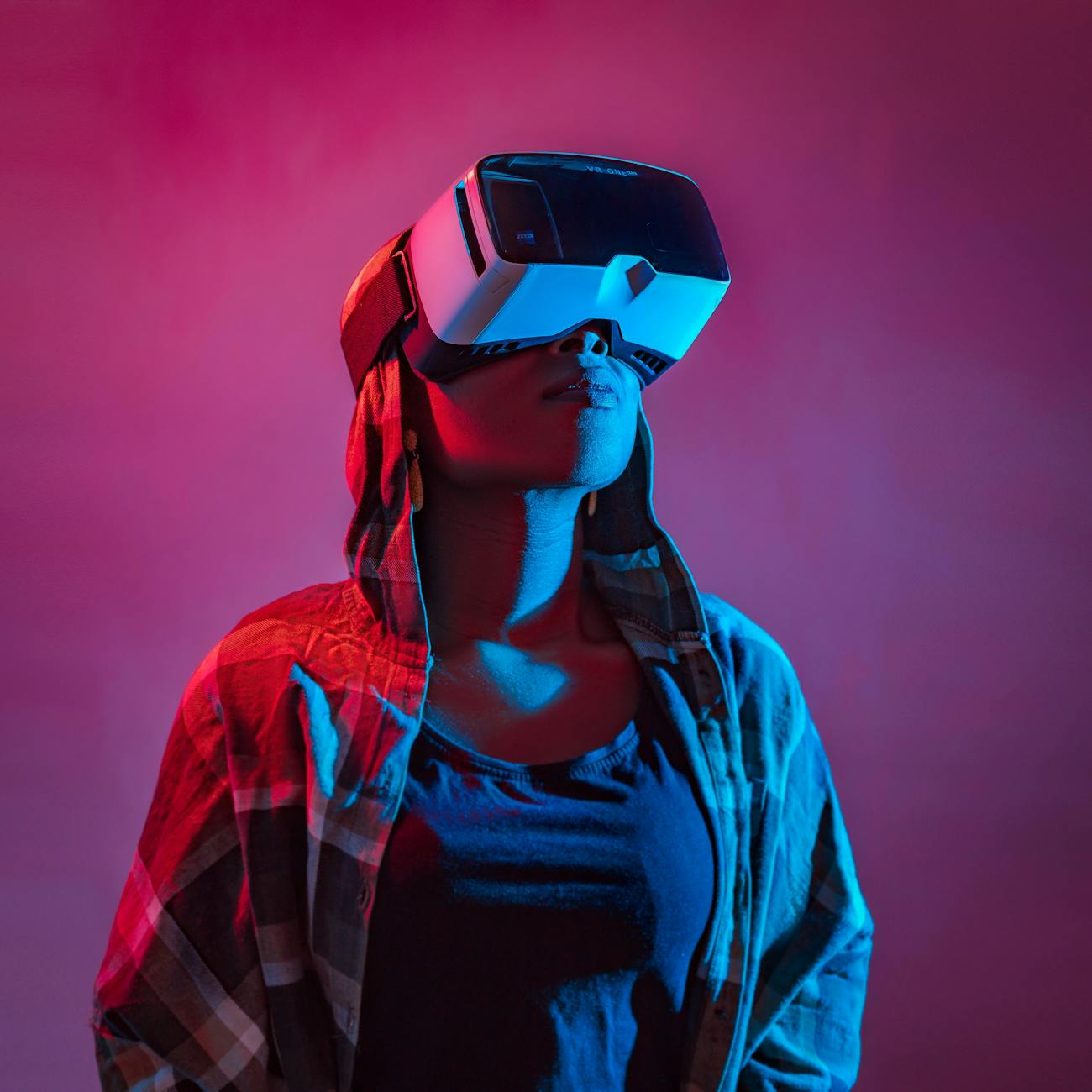
Telehealth nursing is a rapidly growing field that involves the use of technology to deliver healthcare services remotely. This field has gained significant attention in recent years due to its potential to increase access to healthcare services, particularly for rural and underserved populations. Telehealth nursing foundations are essential for nurses to understand the principles and practices of telehealth nursing, including the use of telecommunication technologies, such as video conferencing, phone calls, and messaging platforms, to deliver healthcare services.
One of the key terms in telehealth nursing is telehealth, which refers to the use of electronic information and communication technologies to deliver healthcare services remotely. Telehealth can include a wide range of services, such as consultations, monitoring, and education, and can be used to deliver care to patients in their homes, in clinics, or in other settings. Telehealth nursing requires nurses to have strong communication and technical skills, as well as the ability to work independently and as part of a team.
Another important term in telehealth nursing is telemedicine, which refers to the use of technology to deliver medical care remotely. Telemedicine can include services such as diagnosis, treatment, and management of medical conditions, and can be used to deliver care to patients in rural and underserved areas. Telemedicine requires healthcare professionals to have strong clinical skills, as well as the ability to use technology to deliver care remotely.
Electronic health records (EHRs) are also an essential component of telehealth nursing. EHRs are digital versions of a patient's medical record, and can be used to store and manage patient data, such as medical history, medications, and test results. EHRs can be used to facilitate communication between healthcare providers, and can help to improve the quality and safety of care.
In addition to EHRs, telehealth platforms are also used in telehealth nursing. These platforms are software applications that enable healthcare providers to deliver care remotely, and can include features such as video conferencing, messaging, and file sharing. Telehealth platforms can be used to deliver a wide range of services, including consultations, monitoring, and education.
The benefits of telehealth nursing are numerous, and include increased access to healthcare services, particularly for rural and underserved populations. Telehealth nursing can also help to improve the quality and safety of care, by enabling healthcare providers to monitor patients remotely and respond quickly to changes in their condition. Additionally, telehealth nursing can help to reduce costs, by reducing the need for hospitalizations and emergency department visits.
However, there are also challenges associated with telehealth nursing, including the need for technology infrastructure, such as internet connectivity and computers. There is also a need for training and support for healthcare providers, to ensure that they have the skills and knowledge needed to deliver care remotely. Additionally, there are privacy and security concerns associated with the use of technology to deliver healthcare services, and these need to be addressed through the use of secure platforms and protocols.
The role of the nurse in telehealth nursing is essential, and includes assessing patients, developing care plans, and evaluating patient outcomes. Nurses also need to have strong communication and technical skills, as well as the ability to work independently and as part of a team. In addition, nurses need to be able to use technology to deliver care remotely, and to document patient data accurately and efficiently.
In terms of practice, telehealth nursing can be used in a wide range of settings, including hospitals, clinics, and community health organizations. Telehealth nursing can also be used to deliver care to patients in their homes, and to support patients with chronic conditions, such as diabetes and heart disease. Additionally, telehealth nursing can be used to provide education and support to patients and their families, and to facilitate communication between healthcare providers.
The use of technology in telehealth nursing is also an important aspect of practice. This can include the use of video conferencing, messaging, and file sharing to deliver care remotely. Additionally, mobile devices, such as smartphones and tablets, can be used to access patient data and to deliver care remotely. The use of technology in telehealth nursing requires nurses to have strong technical skills, as well as the ability to use technology to deliver care remotely.
In terms of policy, there are a number of issues that need to be addressed in telehealth nursing. These include reimbursement for telehealth services, licensure and certification of healthcare providers, and privacy and security of patient data. Additionally, there is a need for standardization of telehealth platforms and protocols, to ensure that healthcare providers can communicate effectively and deliver care remotely.
The future of telehealth nursing is exciting, and includes the use of artificial intelligence and machine learning to deliver care remotely. Additionally, the use of virtual and augmented reality may become more prevalent in telehealth nursing, and may be used to deliver education and training to healthcare providers. Furthermore, the use of blockchain technology may be used to secure patient data and to facilitate communication between healthcare providers.
In terms of research, there is a need for more studies on the effectiveness and safety of telehealth nursing. Additionally, there is a need for more research on the cost effectiveness of telehealth nursing, and on the impact of telehealth nursing on patient outcomes. Furthermore, there is a need for more research on the barriers and facilitators of telehealth nursing, and on the strategies that can be used to overcome these barriers.
The use of data analytics in telehealth nursing is also an important aspect of practice. This can include the use of data analytics to monitor patient outcomes, and to identify trends and patterns in patient data. Additionally, data analytics can be used to evaluate the effectiveness of telehealth nursing interventions, and to inform quality improvement initiatives.
In terms of education, there is a need for more training and support for healthcare providers, to ensure that they have the skills and knowledge needed to deliver care remotely. Additionally, there is a need for more education and awareness about the benefits and challenges of telehealth nursing, and about the role of the nurse in telehealth nursing. Furthermore, there is a need for more research on the effectiveness of different educational interventions, and on the strategies that can be used to support healthcare providers in their use of telehealth nursing.
The use of interprofessional collaboration in telehealth nursing is also an important aspect of practice. This can include the use of teams of healthcare providers, such as nurses, doctors, and therapists, to deliver care remotely. Additionally, interprofessional collaboration can be used to facilitate communication between healthcare providers, and to support patients with complex needs.
In terms of quality improvement, there is a need for more initiatives to improve the quality and safety of telehealth nursing. This can include the use of quality indicators to monitor patient outcomes, and to identify areas for improvement. Additionally, quality improvement initiatives can be used to inform policy and practice changes, and to support healthcare providers in their use of telehealth nursing.
The use of patient engagement strategies in telehealth nursing is also an important aspect of practice. This can include the use of patient portals to facilitate communication between patients and healthcare providers, and to support patients in their use of telehealth nursing. Additionally, patient engagement strategies can be used to empower patients to take a more active role in their care, and to support patients in their use of telehealth nursing.
In terms of rural health, telehealth nursing can be used to address the healthcare needs of rural populations. This can include the use of telehealth nursing to deliver care remotely, and to support patients with limited access to healthcare services. Additionally, telehealth nursing can be used to facilitate communication between healthcare providers, and to support patients with complex needs.
The use of cultural competence in telehealth nursing is also an important aspect of practice. This can include the use of cultural assessments to identify the cultural needs of patients, and to inform care plans. Additionally, cultural competence can be used to facilitate communication between healthcare providers and patients, and to support patients with diverse backgrounds.
In terms of policy development, there is a need for more initiatives to support the use of telehealth nursing. This can include the use of policy briefs to inform decision makers about the benefits and challenges of telehealth nursing, and to support the development of telehealth policy. Additionally, policy development can be used to address the barriers and facilitators of telehealth nursing, and to support healthcare providers in their use of telehealth nursing.
This can include the use of electronic health records (EHRs) to store and manage patient data, and to facilitate communication between healthcare providers. Additionally, technology can be used to support the use of telehealth nursing, and to facilitate the delivery of care remotely.
In terms of evaluation, there is a need for more studies to evaluate the effectiveness and safety of telehealth nursing. This can include the use of randomized controlled trials (RCTs) to compare the outcomes of patients who receive telehealth nursing with those who receive traditional care. Additionally, evaluation can be used to identify the barriers and facilitators of telehealth nursing, and to inform policy and practice changes.
The use of quality improvement initiatives in telehealth nursing is also an important aspect of practice. Additionally, quality improvement initiatives can be used to inform policy and practice changes, and to support healthcare providers in their use of telehealth nursing.
In terms of implementation, there is a need for more strategies to support the use of telehealth nursing. This can include the use of implementation guides to inform healthcare providers about the steps needed to implement telehealth nursing, and to support the development of telehealth programs. Additionally, implementation can be used to address the barriers and facilitators of telehealth nursing, and to support healthcare providers in their use of telehealth nursing.
The use of patient centered care in telehealth nursing is also an important aspect of practice. This can include the use of patient centered care models to inform care plans, and to support patients in their use of telehealth nursing. Additionally, patient centered care can be used to facilitate communication between healthcare providers and patients, and to support patients with complex needs.
In terms of education and training, there is a need for more initiatives to support the use of telehealth nursing. This can include the use of education and training programs to inform healthcare providers about the benefits and challenges of telehealth nursing, and to support the development of telehealth skills. Additionally, education and training can be used to address the barriers and facilitators of telehealth nursing, and to support healthcare providers in their use of telehealth nursing.
The use of technology to support the use of telehealth nursing is also an important aspect of practice.
In terms of future directions, there is a need for more research to inform the use of telehealth nursing. This can include the use of studies to evaluate the effectiveness and safety of telehealth nursing, and to identify the barriers and facilitators of telehealth nursing. Additionally, !Future directions can be used to inform policy and practice changes, and to support healthcare providers in their use of telehealth nursing.
In terms of challenges, there are a number of issues that need to be addressed in telehealth nursing. These include the need for technology infrastructure, such as internet connectivity and computers.
The use of policy to support the use of telehealth nursing is also an important aspect of practice. Additionally, policy can be used to address the barriers and facilitators of telehealth nursing, and to support healthcare providers in their use of telehealth nursing.
In terms of education and awareness, there is a need for more initiatives to inform healthcare providers and patients about the benefits and challenges of telehealth nursing. This can include the use of education and training programs to inform healthcare providers about the steps needed to implement telehealth nursing, and to support the development of telehealth skills. Additionally, education and awareness can be used to address the barriers and facilitators of telehealth nursing, and to support healthcare providers in their use of telehealth nursing.
The use of technology to facilitate the delivery of care remotely is also an important aspect of practice. Additionally, technology can be used to support the use of telehealth nursing, and to facilitate communication between healthcare providers.
Additionally, future directions can be used to inform policy and practice changes, and to support healthcare providers in their use of telehealth nursing.
Key takeaways
- This field has gained significant attention in recent years due to its potential to increase access to healthcare services, particularly for rural and underserved populations.
- Telehealth can include a wide range of services, such as consultations, monitoring, and education, and can be used to deliver care to patients in their homes, in clinics, or in other settings.
- Telemedicine can include services such as diagnosis, treatment, and management of medical conditions, and can be used to deliver care to patients in rural and underserved areas.
- EHRs are digital versions of a patient's medical record, and can be used to store and manage patient data, such as medical history, medications, and test results.
- These platforms are software applications that enable healthcare providers to deliver care remotely, and can include features such as video conferencing, messaging, and file sharing.
- Telehealth nursing can also help to improve the quality and safety of care, by enabling healthcare providers to monitor patients remotely and respond quickly to changes in their condition.
- Additionally, there are privacy and security concerns associated with the use of technology to deliver healthcare services, and these need to be addressed through the use of secure platforms and protocols.