
Sterilization And Disinfection
Sterilization is the process that eliminates all forms of microbial life, including bacterial spores, from a surface or object. In the NHS decontamination environment, sterility is a non‑negotiable requirement for instruments that will ente…
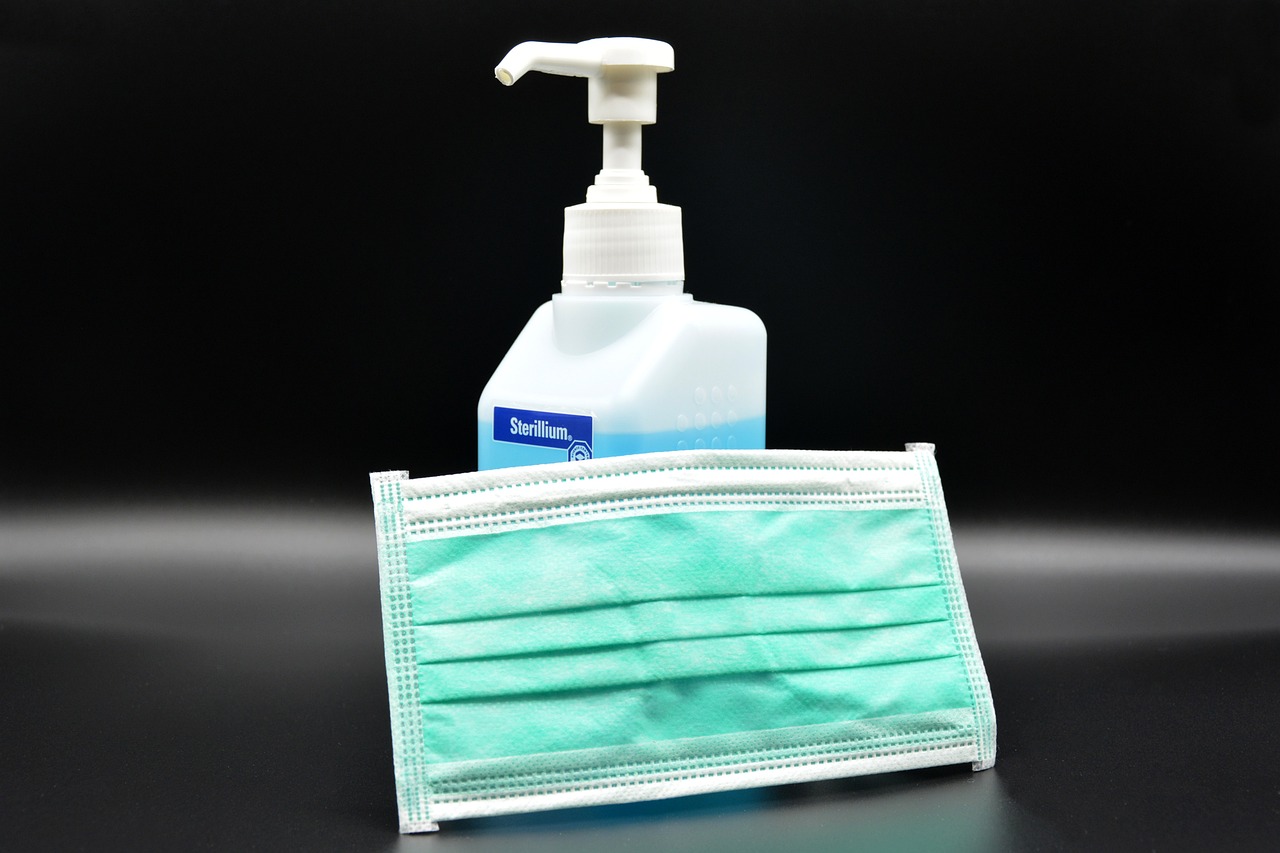
Sterilization is the process that eliminates all forms of microbial life, including bacterial spores, from a surface or object. In the NHS decontamination environment, sterility is a non‑negotiable requirement for instruments that will enter sterile body sites. The term is often confused with disinfection, which reduces but does not necessarily eradicate all microorganisms. Understanding the distinction is critical for selecting the appropriate method and for ensuring patient safety.
Disinfection refers to a procedure that destroys most vegetative bacteria, many viruses, and some fungi, but may leave resistant spores intact. Disinfection is classified into three levels—low, intermediate, and high—based on the spectrum of activity. Low‑level disinfection is suitable for non‑critical items such as stethoscope diaphragms, while high‑level disinfection is required for semi‑critical devices that contact mucous membranes, such as endoscopes. The choice of level depends on the intended use of the instrument and the risk of infection transmission.
The term decontamination encompasses all processes that reduce or remove contaminants, including cleaning, disinfection, and sterilization. It is the overarching concept that guides the flow of work in a decontamination department. Effective decontamination begins with thorough cleaning, which removes organic material that can shield microorganisms from the action of disinfectants or sterilants. Failure to clean adequately is a common source of failure in subsequent stages.
Cleaning is the physical removal of visible soil, blood, and other organic matter from an instrument. It is typically performed with detergent solutions, ultrasonic cleaners, or manual scrubbing. The goal is to achieve a visibly clean surface, which is a prerequisite for successful disinfection or sterilization. In practice, cleaning validation may involve visual inspection, ATP testing, or protein residue measurement to confirm that the cleaning step has achieved the required level of cleanliness.
A critical concept in infection control is the aseptic technique, which refers to procedures that prevent the introduction of pathogens into sterile fields. While aseptic technique is primarily applied during clinical procedures, it also informs how instruments are handled after sterilization. For example, once an instrument is removed from an autoclave, it must be transferred using sterile gloves and placed on a sterile tray to maintain its sterility.
Autoclave is the most common device for steam sterilization in NHS facilities. It uses saturated steam under pressure, typically at 121 °C for 15–30 minutes or at 134 °C for 3–5 minutes, to achieve a log reduction of 6 or more, meaning a reduction of bacterial load by a factor of one million. The effectiveness of an autoclave depends on parameters such as temperature, pressure, exposure time, and the presence of air. Validation of autoclave cycles involves the use of biological indicators (BIs) that contain highly resistant spores, such as Geobacillus stearothermophilus, which are challenged under the same conditions as the load.
Biological indicator is a test system that contains a known quantity of resistant microorganisms. After a sterilization cycle, the BIs are incubated to determine whether any spores survived. A negative result confirms that the cycle achieved the required sterility assurance level (SAL), usually 10⁻⁶. In contrast, a chemical indicator (CI) provides a visual cue—such as a color change—that a specific set of parameters (temperature, time, steam) has been met, but it does not confirm microbial kill. Physical indicators, such as thermocouples, record the actual temperature reached during the cycle.
Chemical sterilizer refers to agents that achieve sterilization without the use of heat. Common examples include ethylene oxide (EtO) gas, hydrogen peroxide vapor, and peracetic acid. EtO is widely used for heat‑sensitive devices such as electronic watches or endoscopes with delicate optics. The process requires careful control of temperature, humidity, gas concentration, and exposure time, followed by an extensive aeration phase to remove residual gas. Hydrogen peroxide vapor is valued for its rapid cycle times and low toxicity, but it can be limited by material compatibility.
High‑level disinfection (HLD) is required for semi‑critical items that contact mucous membranes but do not penetrate sterile tissue. HLD methods include the use of glutaraldehyde, ortho‑phthalaldehyde (OPA), and chlorine dioxide solutions. The choice of agent depends on factors such as material compatibility, required contact time, and regulatory guidance. For instance, a 2 % glutaraldehyde solution may require a 20‑minute contact time at 20 °C, whereas OPA may achieve the same level of kill in 12 minutes. Proper rinsing after HLD is essential to remove residual chemicals that could cause tissue irritation.
Low‑level disinfection (LLD) is sufficient for non‑critical items that only contact intact skin. Disinfectants used for LLD include quaternary ammonium compounds (quats) and diluted phenolics. The contact time for LLD is generally short, often 1–5 minutes, and the process may be combined with a final rinse to reduce chemical residues. In practice, LLD is applied to items such as blood pressure cuffs, stethoscope diaphragms, and patient‑contact surfaces.
Intermediate‑level disinfection (ILD) bridges the gap between LLD and HLD, targeting both vegetative bacteria and some spores. Agents such as chlorine‑based solutions (e.G., 0.5 % Sodium hypochlorite) and hydrogen peroxide (3–6 %) are commonly used. ILD is appropriate for reusable items that have a higher risk profile than non‑critical devices, such as flexible endoscopes that may be used for short, low‑risk procedures.
Log reduction is a mathematical expression of the effectiveness of a decontamination process. A 1‑log reduction means a 90 % reduction in microbial count; a 2‑log reduction corresponds to 99 % reduction; a 6‑log reduction, which is required for sterilization, indicates a 99.9999 % Reduction. Understanding log reduction helps staff compare the efficacy of different methods and select the appropriate process for a given risk level.
Validation is the systematic process of establishing documented evidence that a decontamination method, cycle, or equipment consistently produces the intended results. Validation includes initial qualification, routine monitoring, and periodic re‑qualification. For example, a newly installed autoclave must undergo installation qualification (IQ), operational qualification (OQ), and performance qualification (PQ) before it can be placed into service. Validation records are essential for regulatory compliance and for demonstrating that patient safety is maintained.
Monitoring is the ongoing surveillance of decontamination processes to detect deviations in real time. Monitoring can be mechanical (temperature, pressure, and time recordings), chemical (color‑changing indicators), or biological (periodic use of BIs). In daily practice, a load of instruments may be accompanied by a chemical indicator strip that changes color if the cycle reaches the required temperature. Any failure of a monitor triggers a “stop‑the‑line” response, where the affected load is quarantined, and a root‑cause analysis is performed.
Spore is the dormant, highly resistant form of certain bacteria, such as Bacillus and Clostridium species. Spores are the most challenging microorganisms to inactivate, and therefore they are used as the benchmark for sterilization efficacy. The presence of spores in a load can be inferred from a positive biological indicator, prompting a review of the sterilization parameters and the condition of the equipment.
Biofilm is a structured community of microorganisms encased in a self‑produced polymer matrix that adheres to surfaces, especially in moist environments. Biofilms can develop on instrument surfaces, within water lines, and on reusable devices such as endoscopes. They confer increased resistance to both disinfectants and sterilants. Effective removal of biofilm often requires mechanical disruption (e.G., Ultrasonic cleaning) combined with enzymatic detergents that break down the extracellular matrix.
Prion refers to an infectious protein that causes neurodegenerative diseases such as Creutzfeldt‑Jakob disease (CJD). Prions are exceptionally resistant to conventional sterilization methods, surviving autoclave cycles at 121 °C. To inactivate prions, NHS facilities may use extended autoclave cycles at 134 °C for 18 minutes, or chemical methods such as sodium hydroxide immersion followed by thorough rinsing. The handling of instruments potentially contaminated with prions demands strict protocols to prevent cross‑contamination.
Contact time is the minimum period that a disinfectant or sterilant must remain in direct contact with a surface to achieve the claimed level of kill. Contact time is specified by the manufacturer and must be adhered to precisely. For example, a 0.55 % OPA solution might require a 12‑minute contact time to achieve high‑level disinfection at 20 °C. Failure to maintain the required contact time can result in sub‑optimal decontamination and increased infection risk.
Material compatibility is a key consideration when selecting a decontamination method. Some instruments contain delicate polymers, optics, or electronic components that can be damaged by heat, moisture, or certain chemicals. Compatibility charts are used to match instruments with appropriate processes. For instance, a flexible fiberoptic endoscope may be compatible with hydrogen peroxide vapor but not with high‑temperature steam, whereas a stainless‑steel surgical tray can tolerate both.
Thermal disinfection utilizes heat, often in the range of 70–80 °C, to achieve intermediate‑level disinfection. This method is commonly employed in washers‑disinfectors (WDs) that combine mechanical cleaning with controlled heating. The advantage of thermal disinfection is its ability to penetrate complex instrument geometries more effectively than chemical agents alone. However, it requires precise temperature control and validation to ensure that the required log reduction is achieved.
Washer‑disinfector (WD) is an integrated device that performs cleaning, rinsing, and thermal disinfection in a single automated cycle. Modern WDs are equipped with programmable cycles, temperature monitoring, and built‑in validation mechanisms. In NHS practice, WDs are used for the bulk processing of reusable surgical instruments, while ensuring that each instrument receives a consistent level of decontamination. Validation of a WD includes the use of chemical indicators that change color at the target temperature and the periodic testing of biological indicators for high‑level disinfection verification.
Cold sterilization refers to methods that achieve sterility without the use of heat. Techniques include the use of peracetic acid, hydrogen peroxide plasma, and ethylene oxide gas. Cold sterilization is essential for heat‑sensitive items such as certain polymers, delicate optics, and electronic devices. The trade‑off is often longer cycle times and the need for thorough aeration or degassing steps to remove residual chemicals.
Hydrogen peroxide plasma is a low‑temperature sterilization technology that generates a plasma state from vaporized hydrogen peroxide. The plasma contains reactive species that destroy microorganisms, including spores, within minutes. This method is compatible with many heat‑sensitive devices and leaves no toxic residues, as the by‑products break down into water and oxygen. Limitations include the size of the chamber and the need for careful sealing of instrument packs.
Radiation sterilization employs ionizing radiation, such as gamma rays or electron beams, to sterilize items. In the NHS, radiation sterilization is typically used for single‑use devices that are manufactured under controlled conditions. The process penetrates deep into packaging, ensuring sterility without the need for heat or chemicals. However, radiation equipment is expensive and requires specialized facilities, limiting its routine use within hospitals.
Ethylene oxide (EtO) is a gaseous sterilant that penetrates complex instrument assemblies and porous materials. The EtO cycle includes a pre‑conditioning phase (temperature and humidity), a gas exposure phase, and an extensive aeration phase to remove residual EtO. The aeration period can range from several hours to days, depending on the material and the concentration used. EtO is classified as a carcinogen, so strict occupational safety measures, including ventilation and monitoring, are mandatory.
Log reduction and sterility assurance level (SAL) are linked concepts. An SAL of 10⁻⁶ corresponds to a 6‑log reduction. The SAL represents the probability that a single viable microorganism remains after sterilization. Regulatory bodies, such as the MHRA and the NHS, require an SAL of 10⁻⁶ for critical items. Achieving this level demands rigorous validation, monitoring, and documentation.
Decontamination cycle is the sequence of steps that an instrument undergoes from the moment it is removed from a patient until it is ready for reuse. A typical cycle includes pre‑cleaning, manual cleaning, ultrasonic cleaning, rinsing, drying, disinfection or sterilization, and final storage. Each step must be performed according to standardized protocols, and any deviation may compromise the overall efficacy of the process.
Cross‑contamination occurs when microorganisms are transferred from a contaminated surface or instrument to a clean one. In the decontamination department, cross‑contamination can happen during handling, transport, or storage. Preventive measures include the use of closed instrument packs, proper segregation of clean and dirty areas, and strict adherence to hand hygiene and glove change policies.
Nosocomial infection (also known as a hospital‑acquired infection) is an infection that a patient acquires while receiving treatment in a healthcare setting. Improper decontamination of instruments is a recognized source of nosocomial infections, especially with pathogens such as MRSA, Clostridioides difficile, and multidrug‑resistant Gram‑negative bacteria. Effective sterilization and disinfection practices are essential components of infection control programs aimed at reducing these events.
Pathogen is any organism that can cause disease. In the context of decontamination, common pathogens of concern include Staphylococcus aureus, Pseudomonas aeruginosa, Escherichia coli, hepatitis B and C viruses, and HIV. Each pathogen has distinct resistance characteristics that influence the choice of decontamination method. For example, non‑enveloped viruses such as hepatitis A are more resistant to certain disinfectants than enveloped viruses like influenza.
Resistance refers to the ability of microorganisms to survive exposure to antimicrobial agents. Resistance can be intrinsic (e.G., Spore formation) or acquired (e.G., Enzyme production). Understanding resistance mechanisms guides the selection of appropriate sterilants and disinfectants. For instance, bacterial spores are resistant to desiccation and heat, necessitating high‑temperature steam or chemical sterilization for complete inactivation.
Standard precautions are the baseline infection control measures applied to all patients, irrespective of known infection status. These include hand hygiene, use of personal protective equipment, and safe handling of sharps. While standard precautions are primarily clinical, they intersect with decontamination practices, as staff must handle contaminated instruments using appropriate gloves and eye protection to prevent occupational exposure.
Cleaning validation is the process of confirming that the cleaning step consistently removes soil to an acceptable level. Validation may involve visual inspection, protein detection tests (e.G., O‑phthaldialdehyde assay), or ATP bioluminescence testing. A successful validation demonstrates that the subsequent disinfection or sterilization step will not be compromised by residual organic material.
Instrument packaging plays a vital role in maintaining sterility after the sterilization process. Packaging materials must be permeable to sterilant gases (for EtO or hydrogen peroxide) while providing a barrier to microorganisms. Common packaging includes paper, Tyvek, and medical‑grade plastics. The packaging must also be labeled with key information such as the sterilization method, cycle date, expiry, and any special handling instructions.
Indicator system comprises chemical, biological, and physical indicators used to verify that a sterilization or disinfection cycle has been performed correctly. Chemical indicators provide rapid visual confirmation that temperature, time, and other parameters have been met. Biological indicators provide the definitive proof of microbial kill. Physical indicators, such as temperature strips, record the actual temperature achieved in the load. An effective indicator system uses a combination of these tools to provide layered assurance.
Load configuration refers to the arrangement of instruments within a sterilizer or disinfecting device. Proper load configuration ensures that steam, gas, or heat can circulate freely around each item, eliminating “cold spots” where microorganisms might survive. Guidelines typically advise spacing instruments to allow at least 2 cm of clearance between items and to avoid over‑packing the chamber.
Air removal is a critical step in steam sterilization. Air trapped in the chamber or within instrument lumens can prevent steam from reaching all surfaces, reducing the effectiveness of the cycle. Techniques such as gravity displacement, pre‑vacuum (also called "flash") cycles, and the use of porous loads help eliminate air. Monitoring air removal can be achieved with pressure sensors and visual checks for steam flow.
Pre‑vacuum cycle is a method used in modern autoclaves that evacuates air from the chamber before steam is introduced. This creates a more efficient and uniform sterilization environment, especially for porous loads or long, narrow lumens. The pre‑vacuum phase typically involves a rapid reduction of pressure, followed by steam injection, and then a gradual re‑pressurization.
Gravity displacement is an older steam sterilization technique in which steam is introduced from the bottom of the chamber, displacing air upward and out through a vent. While simpler, gravity displacement is less effective for porous loads and may require longer exposure times to achieve the same level of sterility as a pre‑vacuum cycle.
Temperature uniformity within a sterilizer is essential for reliable performance. Hot spots can cause material degradation, while cold spots may leave microorganisms viable. Validation of temperature uniformity involves placing temperature probes at multiple locations within the chamber and recording the temperature throughout the cycle. Any significant deviation triggers corrective actions.
Cycle time includes the total duration from the start of the sterilization cycle to the point at which the load is considered ready for use. Cycle time comprises the heating phase, exposure phase, and cooling or drying phase. Extended cycle times can impact workflow and instrument availability, so departments often balance the need for sterility with efficiency considerations.
Drying phase follows the sterilization exposure and is crucial for preventing moisture from re‑contaminating instruments. Inadequate drying can lead to condensation within instrument lumens, providing a medium for bacterial growth. Drying can be achieved through continued steam flow, forced air, or vacuum. Instruments are often stored in a dry environment after the cycle to maintain sterility.
Sterilization record is a documented log that captures critical parameters of each sterilization cycle, including date, time, temperature, pressure, load identification, and indicator results. The record must be retained for a defined period, typically one year, to allow traceability and audit. In the NHS, electronic record‑keeping systems are increasingly used to streamline data capture and reporting.
Reprocessing is the term used for the entire series of steps that convert a used medical device back into a safe, functional, and sterile state. Reprocessing encompasses cleaning, disinfection, sterilization, inspection, and functional testing. Each step is governed by standard operating procedures (SOPs) that define the exact actions, parameters, and acceptance criteria.
Inspection is a visual and functional assessment performed after cleaning and before sterilization. Inspection includes checking for residual soil, damage, corrosion, and proper functioning of moving parts. Instruments that fail inspection are either repaired, discarded, or sent for alternative processing. Effective inspection prevents the sterilization of defective items that could compromise patient safety.
Functional testing is performed on devices that have mechanical or electronic components. For example, a surgical drill may be tested for motor operation, while a laparoscopic camera may be checked for image clarity. Functional testing ensures that the device will perform as intended after sterilization, as some sterilization methods can alter material properties.
Material degradation can occur when an instrument is repeatedly exposed to harsh sterilization conditions. For instance, repeated autoclave cycles may cause polymer components to become brittle or cause corrosion of metal alloys. Understanding the limits of material endurance helps departments establish re‑use cycles and replacement schedules.
Re‑use limit is the maximum number of times an instrument can be safely reprocessed before it must be retired. The limit is based on manufacturer specifications, material fatigue data, and observed performance. Exceeding the re‑use limit can increase the risk of instrument failure and infection transmission.
Regulatory compliance refers to adherence to standards set by bodies such as the Medicines and Healthcare products Regulatory Agency (MHRA), the Health Technical Memorandum (HTM) 01‑01, and the International Organization for Standardization (ISO) standards 13485 and 17664. Compliance is demonstrated through documented policies, validated processes, and regular audits.
Audit is a systematic examination of decontamination practices to verify conformity with policies and regulations. Audits may be internal, performed by the department’s quality team, or external, conducted by regulatory agencies. Findings from audits drive continuous improvement initiatives.
Continuous improvement is a quality‑management principle that encourages ongoing evaluation and enhancement of decontamination processes. Tools such as root‑cause analysis, plan‑do‑study‑act (PDSA) cycles, and staff feedback are used to identify areas for improvement, implement changes, and assess outcomes.
Root‑cause analysis (RCA) is a structured method for investigating the underlying reasons for a failure, such as a sterilization cycle that did not achieve the required log reduction. RCA may involve the “5 Whys” technique, fishbone diagrams, and review of equipment maintenance records. The goal is to implement corrective actions that prevent recurrence.
Personal protective equipment (PPE) is essential for staff working in decontamination areas. PPE includes gloves, gowns, eye protection, and respiratory protection when handling chemicals or gases. Proper donning and doffing procedures reduce the risk of occupational exposure to hazardous agents.
Occupational safety considerations include monitoring for chemical exposure, ensuring adequate ventilation, and providing training on emergency procedures. For example, EtO gas requires continuous ambient air monitoring to detect leaks, and staff must be trained in evacuation protocols in the event of a spill.
Environmental monitoring involves sampling surfaces, air, and water within the decontamination area to detect contamination. Swab cultures, settle plates, and water testing for microbial load are common methods. Results guide cleaning schedules and help identify hotspots that may need additional attention.
Water quality is critical for washer‑disinfectors and for rinsing instruments. The water must meet standards for microbial content, endotoxin levels, and chemical composition. Water treatment systems, such as reverse‑osmosis units and de‑ionizers, are employed to ensure that water does not become a source of contamination.
Endoscope reprocessing is a specialized area within decontamination that deals with flexible and rigid endoscopes. These devices have long, narrow channels that are prone to biofilm formation. A typical endoscope reprocessing protocol includes pre‑cleaning at the point of use, leak testing, manual cleaning with enzymatic detergents, high‑level disinfection with OPA or peracetic acid, thorough rinsing, drying, and storage in a ventilated cabinet. Failure to follow any of these steps can result in severe infections, such as duodenoscope‑associated outbreaks of multidrug‑resistant organisms.
Leak testing is performed before cleaning to ensure that an endoscope does not have breaches that could allow fluid ingress into internal components. Leak testers use air pressure or fluid to detect leaks, and any endoscope that fails must be repaired before further processing.
Dry storage is a requirement for many sterilized instruments to maintain sterility until use. Storage cabinets must be designed to protect packs from moisture, physical damage, and accidental opening. The cabinets may be equipped with temperature and humidity monitoring to ensure the environment remains within acceptable limits.
Instrument tracking involves assigning unique identifiers to each instrument or pack, allowing staff to trace the instrument’s history from use through reprocessing. Bar‑coding and radio‑frequency identification (RFID) technologies are increasingly used to automate tracking, reduce errors, and provide real‑time visibility of instrument status.
Turnaround time (TAT) is the interval between an instrument being taken out of service and being returned to the operating theatre ready for use. Efficient TAT is essential for surgical scheduling and resource management. Optimizing TAT involves streamlining workflow, ensuring adequate staffing, and minimizing cycle delays caused by equipment downtime.
Equipment maintenance is a preventative strategy that keeps sterilizers, washers, and other decontamination devices in optimal condition. Maintenance schedules include routine cleaning of internal components, calibration of sensors, replacement of worn parts, and performance verification. A well‑maintained piece of equipment reduces the likelihood of cycle failures and extends its service life.
Calibration ensures that temperature, pressure, and time sensors provide accurate readings. Calibration is performed using traceable standards and is documented in maintenance records. Uncalibrated equipment can produce misleading data, leading to false confidence in cycle efficacy.
Validation protocol is a written plan that outlines the steps required to demonstrate that a decontamination process meets predetermined acceptance criteria. The protocol includes the selection of indicators, the number of cycles to be tested, the acceptance limits, and the documentation format. Following a validated protocol provides evidence that the process is reliable and repeatable.
Quality assurance (QA) is the systematic activities implemented to ensure that decontamination processes meet defined quality standards. QA encompasses policy development, staff training, competency assessment, documentation control, and continuous monitoring. A robust QA program is the foundation of safe reprocessing.
Competency assessment evaluates whether staff members have the knowledge, skills, and attitudes required to perform decontamination tasks correctly. Assessments may include written tests, practical demonstrations, and observation of routine work. Regular competency reviews help maintain high performance levels and identify training needs.
Training program for decontamination staff covers theoretical knowledge of microbiology, infection control, and the physics of sterilization, as well as practical skills such as instrument handling, equipment operation, and emergency response. Training is reinforced through refresher courses, updates on new guidelines, and hands‑on workshops.
Standard operating procedure (SOP) is a detailed, step‑by‑step document that describes how a specific task should be performed. SOPs for cleaning, disinfection, and sterilization provide consistency, reduce variability, and serve as reference material for staff. SOPs are reviewed periodically to incorporate changes in technology, regulations, or best practice.
Hazard analysis is a proactive approach that identifies potential risks associated with each step of the decontamination process. By evaluating hazards such as chemical spills, equipment failure, or staff injury, the department can implement controls to mitigate these risks. Hazard analysis is often part of the broader risk management framework.
Risk assessment quantifies the likelihood and impact of identified hazards. For example, the risk of EtO exposure is high if ventilation is inadequate, while the risk of instrument damage from over‑loading an autoclave is moderate. Mitigation strategies may include engineering controls, administrative procedures, and personal protective equipment.
Incident reporting provides a mechanism for staff to document and communicate any deviations, accidents, or near‑misses. Incident reports are reviewed by the quality team, and corrective actions are implemented to prevent recurrence. A culture of transparent reporting supports continuous improvement and safety.
Documentation control ensures that all records—such as SOPs, validation reports, maintenance logs, and audit findings—are kept up to date, accessible, and protected from unauthorized alteration. Controlled documents are typically stored in a secure electronic system with version control and audit trails.
Regulatory inspection may be conducted by bodies such as the Care Quality Commission (CQC) or the MHRA. Inspectors evaluate compliance with legislation, review records, observe practices, and interview staff. Successful inspections demonstrate that the decontamination department meets required standards and can continue to operate.
Outbreak investigation is initiated when a cluster of infections is linked to a particular instrument or procedure. The investigation includes review of decontamination records, environmental sampling, and examination of reprocessing protocols. Findings often lead to immediate corrective actions, such as re‑sterilization of affected instruments, retraining of staff, and revision of SOPs.
Microbial surveillance involves regular sampling of the environment, equipment surfaces, and water systems to detect the presence of pathogens. Surveillance data guide targeted cleaning, adjustment of disinfectant concentrations, and verification of water treatment efficacy. For example, detecting Pseudomonas aeruginosa in a water line may prompt a deep‑cleaning of the washer‑disinfector.
Antimicrobial resistance (AMR) is a growing concern in healthcare. Inadequate decontamination can contribute to the spread of resistant organisms, emphasizing the need for rigorous sterilization and disinfection practices. Decontamination staff must stay informed about emerging AMR trends and adapt protocols accordingly.
Standardization across NHS trusts promotes consistency in decontamination practices. Standardization involves adopting common equipment specifications, unified SOPs, and shared training curricula. This approach facilitates staff mobility, improves comparability of audit results, and supports nationwide quality improvement initiatives.
Patient safety is the ultimate goal of all decontamination activities. By ensuring that instruments are reliably cleaned, disinfected, and sterilized, the department directly contributes to reducing surgical site infections, device‑related complications, and overall morbidity. Patient safety metrics, such as infection rates, are used to evaluate the effectiveness of decontamination programs.
Ethical considerations include the responsible use of resources, such as minimizing waste while maintaining safety. For instance, selecting reusable instruments where appropriate reduces environmental impact, but the decision must be balanced against the ability to achieve reliable sterilization. Ethical practice also requires transparency with patients about the safety measures in place.
Future trends in sterilization and disinfection are driven by advances in technology, sustainability, and data analytics. Emerging methods such as low‑temperature plasma, supercritical CO₂, and nanotechnology‑based antimicrobials hold promise for more efficient and environmentally friendly processes. Integration of digital monitoring platforms enables real‑time tracking of cycle parameters, predictive maintenance, and automated compliance reporting.
Digital monitoring systems collect data from sterilizers, washers, and environmental sensors, providing dashboards that display cycle success rates, alarm events, and trend analyses. These platforms can alert staff to out‑of‑specification conditions instantly, reducing the risk of releasing non‑sterile instruments. Data from digital systems also support audit preparation and quality improvement initiatives.
Automation is increasingly incorporated into decontamination workflows. Robotic handling of instrument trays, automated loading and unloading of autoclaves, and programmable cleaning cycles reduce manual handling errors and improve efficiency. However, automation must be carefully validated to ensure that it does not introduce new failure modes.
Sustainability considerations include reducing water and energy consumption, minimizing chemical waste, and selecting packaging materials that are recyclable or biodegradable. NHS policies encourage the adoption of greener practices, such as using low‑temperature sterilization methods that consume less energy or implementing water reclamation systems for washer‑disinfectors.
Cost‑effectiveness analyses compare the expenses associated with different decontamination methods against their clinical outcomes. For example, while EtO sterilization may have higher upfront costs and longer cycle times, it may be justified for high‑value, heat‑sensitive devices that would otherwise be discarded. Cost‑effectiveness studies help decision‑makers allocate resources responsibly.
Stakeholder engagement involves collaboration with surgeons, infection control teams, procurement officers, and hospital leadership. Engaging stakeholders ensures that decontamination practices align with clinical needs, regulatory expectations, and organizational priorities. Regular meetings, feedback sessions, and shared performance metrics foster a culture of mutual responsibility.
Communication is essential for conveying changes in protocols, reporting incidents, and providing education. Clear communication channels—such as newsletters, intranet updates, and briefings—keep staff informed about new guidelines, equipment upgrades, and audit findings. Effective communication reduces confusion and promotes adherence to best practices.
Decision‑making in decontamination often requires balancing competing factors: Patient safety, equipment lifespan, turnaround time, and cost. Structured decision‑making tools, such as decision trees and weighted scoring systems, assist managers in selecting the most appropriate sterilization method for a given instrument or situation.
Policy development is a systematic process that translates regulatory requirements and evidence‑based practices into actionable rules for the department. Policies cover areas such as instrument acceptance criteria, emergency response to spills, and waste disposal. Once approved, policies are disseminated, incorporated into SOPs, and reviewed periodically.
Waste management includes the segregation, handling, and disposal of hazardous and non‑hazardous waste generated by decontamination activities. Chemical disinfectants, used PPE, and contaminated packaging must be disposed of according to legal regulations. Proper waste management prevents environmental contamination and protects staff from exposure.
Legal accountability holds the NHS and its staff responsible for complying with statutory obligations. Failure to meet sterilization standards can result in regulatory penalties, litigation, and reputational damage. Maintaining comprehensive documentation, conducting regular audits, and fostering a culture of compliance mitigate legal risk.
Incident response outlines the steps to be taken when a breach in decontamination occurs, such as a sterilizer malfunction or a chemical spill. The response plan includes immediate containment, notification of relevant personnel, investigation, corrective actions, and documentation. Prompt and effective incident response limits patient impact and restores confidence in the system.
Performance metrics are quantitative indicators used to assess the efficiency and effectiveness of decontamination processes. Common metrics include the percentage of cycles that pass biological indicator testing, average turnaround time, instrument failure rate, and incidence of device‑related infections. Monitoring these metrics enables data‑driven improvements.
Benchmarking involves comparing an organization’s performance against industry standards or peer institutions. Benchmarking can reveal gaps in practice, inspire adoption of best‑practice methods, and set realistic targets for improvement. For example, a hospital may benchmark its autoclave pass rate against the national average to gauge performance.
Learning from incidents is a proactive approach that treats each deviation as an opportunity for education. Case studies of sterilization failures, such as a missed cycle parameter leading to an infection outbreak, are analyzed and shared across the NHS to prevent recurrence. This knowledge‑sharing culture enhances overall system resilience.
Innovation in decontamination encourages the exploration of novel technologies, process redesigns, and creative problem‑solving. Pilot projects, research collaborations with universities, and participation in industry consortia provide pathways to test and implement innovative solutions that can improve safety, efficiency, and sustainability.
Professional development supports the growth of decontamination staff through advanced training, certification, and attendance at conferences. Opportunities for specialization, such as becoming a certified sterilization technologist, enhance expertise and contribute to higher standards of practice.
Interdisciplinary collaboration recognizes that effective decontamination is not an isolated function. It requires input from microbiologists, biomedical engineers, risk managers, and clinicians. Collaborative meetings, joint training sessions, and shared problem‑solving initiatives strengthen the overall infection control framework.
Patient outcomes are directly influenced by the quality of instrument reprocessing. Studies have demonstrated that rigorous sterilization reduces surgical site infection rates, shortens hospital stays, and improves overall patient satisfaction.
Key takeaways
- Sterilization is the process that eliminates all forms of microbial life, including bacterial spores, from a surface or object.
- Low‑level disinfection is suitable for non‑critical items such as stethoscope diaphragms, while high‑level disinfection is required for semi‑critical devices that contact mucous membranes, such as endoscopes.
- Effective decontamination begins with thorough cleaning, which removes organic material that can shield microorganisms from the action of disinfectants or sterilants.
- In practice, cleaning validation may involve visual inspection, ATP testing, or protein residue measurement to confirm that the cleaning step has achieved the required level of cleanliness.
- A critical concept in infection control is the aseptic technique, which refers to procedures that prevent the introduction of pathogens into sterile fields.
- It uses saturated steam under pressure, typically at 121 °C for 15–30 minutes or at 134 °C for 3–5 minutes, to achieve a log reduction of 6 or more, meaning a reduction of bacterial load by a factor of one million.
- In contrast, a chemical indicator (CI) provides a visual cue—such as a color change—that a specific set of parameters (temperature, time, steam) has been met, but it does not confirm microbial kill.