
International Humanitarian Law Foundations
International Humanitarian Law (IHL) is the body of rules that seeks to limit the effects of armed conflict for humanitarian reasons. It is sometimes referred to as the law of armed conflict or the law of war. IHL operates by protecting per…
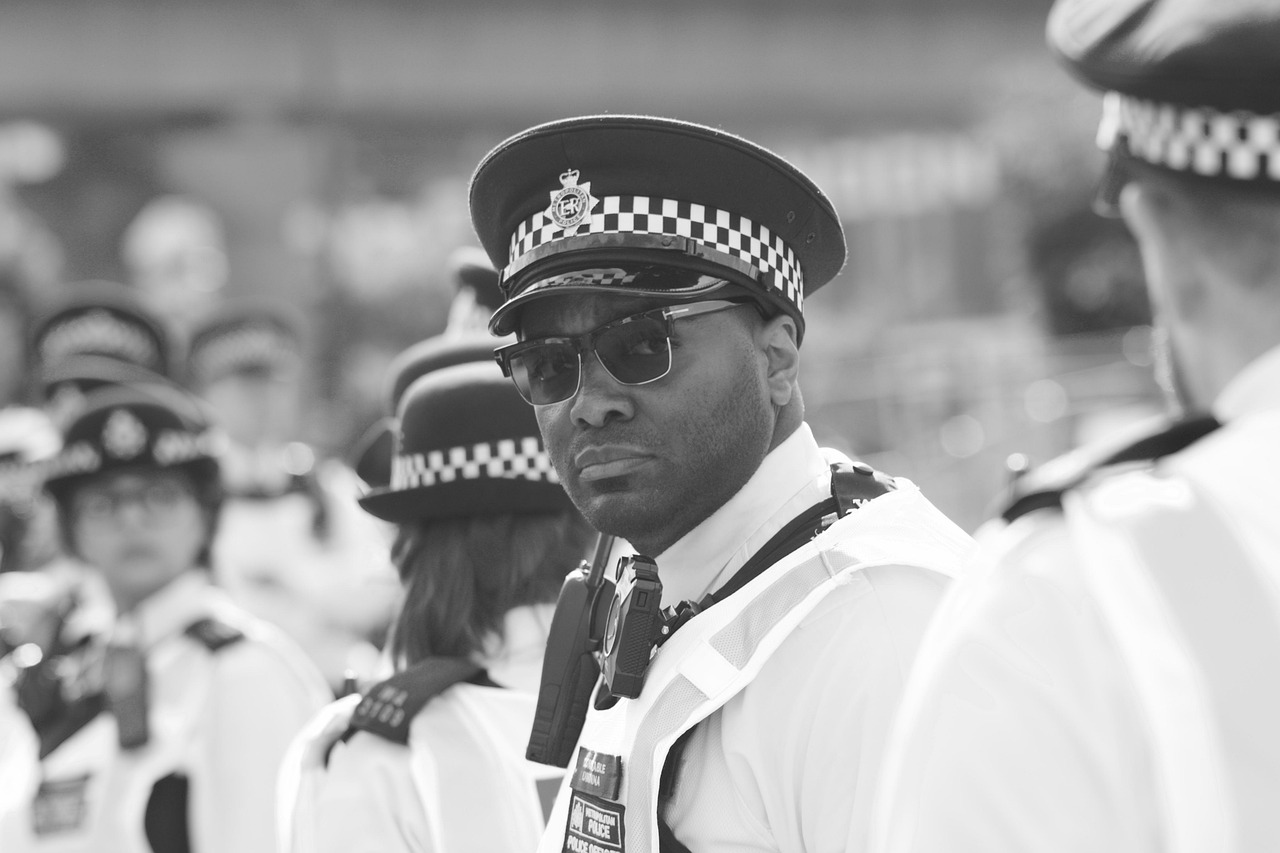
International Humanitarian Law (IHL) is the body of rules that seeks to limit the effects of armed conflict for humanitarian reasons. It is sometimes referred to as the law of armed conflict or the law of war. IHL operates by protecting persons who are not or are no longer participating in hostilities and by regulating the means and methods of warfare. The foundations of IHL are essential for understanding the legal framework that governs war crimes and the pursuit of justice in post‑conflict settings. This explanation presents the most important terms and vocabulary that students of the Advanced Certificate in War Crimes and Justice must master. Each term is defined, illustrated with practical examples, and linked to the challenges it presents in enforcement and interpretation.
---
Geneva Conventions
The four Geneva Conventions of 1949 constitute the core of modern IHL. They provide comprehensive protection for wounded and sick members of armed forces on land and at sea, for shipwrecked persons, for prisoners of war, and for civilians. Each Convention is supplemented by two Additional Protocols (1977) that expand protection to victims of non‑international armed conflicts and elaborate on the conduct of hostilities.
*Example*: In a civil war, the Convention relative to the Protection of Civilian Persons in Time of War (the Fourth Geneva Convention) requires the occupying power to ensure that civilians have access to food, medical care, and adequate shelter.
*Challenges*: The Conventions are universal in scope, but compliance varies widely. In many conflicts, parties either deny their obligations or lack the institutional capacity to implement the required protections, leading to widespread violations.
---
Additional Protocol I (1977)
Protocol I applies to international armed conflicts (IACs). It introduces the principle of distinction, requiring parties to differentiate between combatants and civilians, and between military objectives and civilian objects. It also codifies the principle of proportionality, which prohibits attacks that would cause excessive civilian harm relative to the anticipated military advantage.
*Example*: During an air campaign against a military airfield, a commander must assess whether the expected collateral damage to nearby schools would be excessive compared with the tactical benefit of destroying the airfield.
*Challenges*: Determining “excessive” civilian harm involves complex factual assessments and often depends on the quality of intelligence, the availability of precise weaponry, and the interpretation of “military advantage” by judges in war‑crimes tribunals.
---
Additional Protocol II (1977)
Protocol II extends IHL protections to victims of non‑international armed conflicts (NIACs), such as civil wars and insurgencies. It builds on Common Article 3 of the Geneva Conventions, adding detailed provisions on humane treatment, the prohibition of collective punishments, and the requirement to ensure the wounded and sick receive care.
*Example*: In a conflict between a government and an armed rebel group, Protocol II obliges both sides to treat captured fighters humanely, prohibiting torture or degrading treatment.
*Challenges*: NIACs often involve multiple non‑state actors, making it difficult to identify who is bound by the protocol. Moreover, the lack of a clear legal status for many participants can lead to gaps in protection.
---
Customary International Humanitarian Law
Customary IHL consists of practices that have become legally binding through general and consistent state practice accompanied by a belief that such practice is required by law (opinio juris). Customary law fills gaps where treaty law may not apply, particularly in NIACs.
*Example*: The prohibition of indiscriminate attacks is a customary norm, meaning that even parties that have not ratified the Geneva Conventions must refrain from using weapons that cannot be directed at a specific military target.
*Challenges*: Identifying customary norms requires extensive analysis of state practice, judicial decisions, and the writings of legal scholars. The dynamic nature of warfare, especially with emerging technologies like autonomous weapons, raises questions about the evolution of customary law.
---
Principle of Distinction
A cornerstone of IHL, the principle of distinction obliges parties to a conflict to separate combatants from civilians and military objectives from civilian objects. Attacks may be directed only at legitimate military targets.
*Example*: A missile strike that targets a known weapons depot is lawful, whereas a strike that hits a residential building with no military use violates the principle of distinction.
*Challenges*: Modern conflicts often blur the lines between civilian and military spaces, especially when combatants operate within densely populated urban areas. Determining whether a structure is a “military objective” can be contested, leading to divergent legal outcomes.
---
Principle of Proportionality
Proportionality prohibits attacks that would cause incidental civilian harm that is excessive in relation to the concrete and direct military advantage anticipated. The assessment is made at the time of the attack, based on the information available to the commander.
*Example*: If destroying a bridge would significantly hinder enemy logistics but would also likely cause the death of dozens of civilians, the commander must weigh whether the anticipated advantage justifies the expected civilian casualties.
*Challenges*: The calculus of “excessiveness” is inherently subjective and can be influenced by the commander's perspective, the availability of precise intelligence, and the political context. In practice, the proportionality principle is often invoked in post‑conflict investigations to evaluate alleged war crimes.
---
Principle of Precaution
The precautionary principle requires parties to take all feasible measures to avoid or minimize civilian harm. This includes verifying targets, choosing weapons with the least destructive capacity, and providing effective warnings when possible.
*Example*: Before launching an air strike, a military unit must confirm that the target is indeed a legitimate military objective and not a civilian hospital. If there is doubt, the attack must be aborted or postponed.
*Challenges*: “Feasibility” is a contested concept, especially when time constraints, operational pressures, or limited resources impede thorough target verification. The principle also raises questions about the adequacy of warning procedures, particularly in fast‑moving conflicts.
---
Combatant
A combatant is a member of the armed forces of a party to an international armed conflict, or a member of organized armed groups in a NIAC who fulfill certain criteria (e.G., Having a command structure, wearing a distinctive sign, carrying arms openly). Combatants enjoy combatant immunity, meaning they are not liable for lawful acts of war, but they lose this protection if they commit war crimes.
*Example*: A regular soldier who follows orders to attack an enemy position is a combatant and is protected from prosecution for the mere fact of participating in hostilities, provided the conduct of the operation complies with IHL.
*Challenges*: In asymmetric warfare, distinguishing combatants from civilians becomes difficult. Militias that do not wear distinctive insignia may be classified as “unlawful combatants,” exposing them to potential prosecution for participating in hostilities.
---
Unlawful Combatant
The term “unlawful combatant” refers to individuals who engage in hostilities without meeting the criteria for lawful combatancy. They are not entitled to combatant immunity and may be prosecuted for taking part in hostilities, as well as for any war crimes they commit.
*Example*: Members of an armed group who operate covertly without wearing any identifiable insignia and who blend into the civilian population may be deemed unlawful combatants.
*Challenges*: The classification can be contentious, as it influences the rights of detainees and the applicability of the Geneva Conventions. Critics argue that the label has been used to justify denial of basic protections, leading to allegations of torture and extrajudicial killings.
---
Civilian
A civilian is any person who does not belong to the armed forces or organized armed groups of a party to the conflict. Civilians are protected against attack unless and for such time as they take direct part in hostilities.
*Example*: A shopkeeper who continues to run a business in a city under siege remains a civilian and is protected from intentional targeting.
*Challenges*: The concept of “direct participation in hostilities” (DPH) is complex. Determining when a civilian’s actions cross the threshold into DPH requires assessing the nature, duration, and intensity of the activity, which can be ambiguous in practice.
---
Direct Participation in Hostilities (DPH)
DPH refers to acts carried out by civilians that are intended to cause actual harm to the military capabilities or personnel of an adversary. When a civilian directly participates, they temporarily lose protection from attack for the duration of that participation.
*Example*: A civilian who operates an anti‑aircraft weapon to shoot down enemy aircraft is directly participating and may be lawfully targeted while doing so.
*Challenges*: The International Committee of the Red Cross (ICRC) provides criteria for DPH, but applying them in real‑time combat situations is difficult. Misidentification can lead to unlawful attacks on civilians, creating accountability issues.
---
Protected Persons
Protected persons are individuals who, by virtue of their status, are afforded special protection under IHL. This includes civilians in occupied territories, prisoners of war, the wounded and sick, and members of the armed forces who have laid down their arms.
*Example*: Residents of a city under military occupation are protected persons; the occupying power must ensure their safety, provide food, and respect their property rights.
*Challenges*: The classification of “protected” can be contested, especially when parties argue that certain groups fall outside the protected categories to justify harsher treatment. Determining the scope of protection in mixed or hybrid conflicts presents legal ambiguities.
---
Prisoner of War (POW)
A POW is a member of the armed forces of a party to an international armed conflict who is captured by the enemy. POWs are protected by the Third Geneva Convention, which guarantees humane treatment, prohibits coercion, and mandates repatriation after hostilities cease.
*Example*: After a battle, captured soldiers are required to be housed in camps that meet sanitary standards, receive food comparable to that of the captor’s own troops, and be allowed to correspond with their families.
*Challenges*: In modern conflicts, the status of captured members of non‑state armed groups is often disputed. Some states have refused to grant POW status, labeling captives as terrorists, which can lead to violations of the Convention’s protections.
---
Wounded and Sick
The Geneva Conventions and Additional Protocols mandate that the wounded and sick, regardless of their status, must be collected and cared for without discrimination. Medical personnel and facilities are protected, and attacks on them constitute grave breaches.
*Example*: A field hospital that treats both combatants and civilians must be respected and cannot be targeted unless it is being used to commit acts prohibited by IHL (e.G., As a shield for military operations).
*Challenges*: The dual‑use nature of some facilities (e.G., A hospital that also houses a weapons depot) creates dilemmas. Determining whether an attack is justified requires careful investigation, and failure to respect medical neutrality often leads to war‑crime allegations.
---
Grave Breaches
Grave breaches are serious violations of the Geneva Conventions that entail individual criminal responsibility and trigger universal jurisdiction. They include willful killing, torture, inhumane treatment, and extensive destruction of property not justified by military necessity.
*Example*: The intentional bombing of a civilian school, resulting in mass casualties, would be classified as a grave breach.
*Challenges*: Proving intent and establishing the chain of command for grave breaches can be complex. The requirement for “willful” conduct means that negligence alone may not suffice for criminal prosecution, complicating accountability.
---
War Crimes
War crimes are serious violations of IHL that give rise to individual criminal responsibility under international law. They encompass grave breaches of the Geneva Conventions, violations of the Additional Protocols, and other serious offenses such as the use of prohibited weapons, targeting of protected objects, and sexual violence in conflict.
*Example*: The use of cluster munitions in a populated area, resulting in civilian casualties, may constitute a war crime under the Convention on Cluster Munitions and customary IHL.
*Challenges*: The definition of war crimes evolves as new weapons and tactics emerge. International tribunals must balance the need for legal certainty with the flexibility to address novel forms of violence.
---
Crimes Against Humanity
Crimes against humanity are widespread or systematic attacks directed against civilian populations, encompassing acts such as murder, enslavement, deportation, and persecution. Unlike war crimes, they can occur in both armed conflict and peacetime, though many are committed during war.
*Example*: A campaign of forced displacement of an ethnic group during an armed conflict, intended to cleanse a territory, may be prosecuted as a crime against humanity.
*Challenges*: Establishing the “widespread” or “systematic” nature of the attack requires substantial evidence, often difficult to collect in active war zones. Moreover, differentiating between war crimes and crimes against humanity can be legally nuanced.
---
International Armed Conflict (IAC)
An IAC exists when there is armed conflict between two or more states. The full suite of the Geneva Conventions applies, and the conflict is governed by both treaty law and customary IHL.
*Example*: The 2022 invasion of Country X by Country Y triggered an IAC, activating the Fourth Geneva Convention’s protections for civilians in occupied territory.
*Challenges*: Determining whether a conflict qualifies as an IAC can be politically sensitive. Some states may downplay the intensity of hostilities to avoid triggering IHL obligations, leading to disputes over the applicable legal regime.
---
Non‑International Armed Conflict (NIAC)
A NIAC occurs between governmental forces and non‑state armed groups, or between such groups themselves, within the territory of a single state. The legal framework is primarily derived from Common Article 3 and Additional Protocol II, supplemented by customary law.
*Example*: The civil war in Country Z, involving the national army and a rebel movement, is a NIAC.
*Challenges*: NIACs often involve multiple non‑state actors with fluid alliances, complicating the identification of parties and the application of IHL. The lack of universal ratification of Protocol II means that some states rely solely on customary norms.
---
Occupation
Occupation refers to the effective control of a territory by a hostile power without the sovereign’s consent. Occupying powers have specific duties under the Fourth Geneva Convention, including maintaining public order, ensuring the welfare of the civilian population, and respecting existing laws unless absolutely necessary to change them.
*Example*: After seizing a city, the occupying force must preserve the hospital’s operation and cannot arbitrarily confiscate private property.
*Challenges*: Determining when occupation begins and ends can be contested, especially in “gray‑zone” situations where control is partial or contested. Occupying powers may argue that security concerns justify deviations from IHL obligations, leading to disputes over legality.
---
Belligerent
A belligerent is a state or organized armed group that is legally recognized as a party to an armed conflict. Belligerent status confers rights and obligations under IHL, including the right to conduct hostilities and the duty to respect humanitarian norms.
*Example*: The rebel movement recognized by the United Nations as a belligerent party in the NIAC of Country Q is entitled to treat captured enemy combatants as POWs, provided it complies with the relevant conventions.
*Challenges*: Recognition of belligerent status can be politically charged. Denial of status may be used to delegitimize an opponent and deny them the protections afforded to lawful combatants.
---
Neutral State
A neutral state refrains from participating in a conflict and must not provide support to any belligerent party. Neutrality imposes duties such as preventing the use of its territory for military operations and respecting the rights of belligerents to transit through its ports under specific conditions.
*Example*: Country N, a neutral state, must ensure that its airspace is not used for the transport of troops or weapons by either side in a neighboring conflict.
*Challenges*: Neutrality can be difficult to maintain when economic interests, humanitarian assistance, or security concerns intersect with conflict dynamics. Violations of neutrality can lead to diplomatic repercussions or accusations of complicity.
---
Humanitarian Assistance
Humanitarian assistance refers to the provision of aid—food, medicine, shelter—to civilians affected by armed conflict, delivered in accordance with IHL principles. Humanitarian actors must obtain consent from the parties to the conflict, but they may also deliver aid without consent in cases of “imperative humanitarian need” if the parties obstruct access.
*Example*: An international NGO delivers food parcels to a besieged city after negotiating safe corridors with both warring parties.
*Challenges*: Access negotiations can be protracted, and parties may use aid as a political tool, imposing conditions that compromise neutrality. In some cases, aid is diverted to support military objectives, violating the principle of impartiality.
---
Red Cross and Red Crescent Movement
The International Red Cross and Red Crescent Movement is a neutral and independent humanitarian organization recognized under IHL to provide protection and assistance to victims of armed conflict. The Movement enjoys special status, including the right to inspect detention facilities and to negotiate the release of detainees.
*Example*: The International Committee of the Red Cross (ICRC) visits a prison camp to verify that detainees are being treated in accordance with the Third Geneva Convention.
*Challenges*: Access may be denied by parties that fear exposure of violations, and the Movement’s neutrality can be challenged when parties accuse it of bias or of supporting one side over the other.
---
Martens Clause
The Martens Clause, first introduced in the preamble to the 1899 Hague Convention, states that in cases not covered by existing treaties, civilians and combatants remain protected by the principles of humanity and the dictates of public conscience. It serves as a moral and legal safety net, reinforcing customary IHL.
*Example*: If a new type of weapon is not expressly prohibited by treaty, the Martens Clause can be invoked to argue that its use is unlawful if it violates fundamental humanitarian principles.
*Challenges*: The clause’s normative force is sometimes debated, particularly when parties argue that “public conscience” is too vague to provide concrete legal standards. Nevertheless, it remains a reference point in tribunal judgments.
---
Military Necessity
Military necessity permits measures that are indispensable for achieving a legitimate military objective, provided they do not contravene other IHL principles such as distinction and proportionality. The concept is often invoked to justify certain attacks, but it is not a blanket exemption from humanitarian constraints.
*Example*: Destroying a bridge to impede enemy reinforcements may be deemed a necessary military action, but the attacking force must still consider the impact on civilians who use the bridge for daily commuting.
*Challenges*: The line between legitimate necessity and excessive force is contentious. Critics argue that “military necessity” can be stretched to rationalize otherwise prohibited acts, making rigorous judicial review essential.
---
Targeting
Targeting is the process by which military planners select objects, persons, or areas for attack, ensuring compliance with IHL principles. Proper targeting involves verification of the target’s status, assessment of potential civilian harm, and selection of appropriate means and methods.
*Example*: Before launching a missile strike, an intelligence analyst cross‑checks satellite imagery, human intelligence, and open‑source data to confirm that the target is a weapons depot, not a civilian school.
*Challenges*: In fast‑moving conflicts, the time available for thorough target verification may be limited, increasing the risk of mistaken attacks. Technological limitations, such as the reliability of surveillance systems, also affect targeting accuracy.
---
Prohibited Weapons
IHL bans certain weapons that cause unnecessary suffering or have indiscriminate effects. This includes chemical and biological weapons, anti‑personnel mines, cluster munitions, and blinding laser weapons. The prohibition can be treaty‑based (e.G., The Chemical Weapons Convention) or rooted in customary law.
*Example*: The use of mustard gas on a battlefield violates the Chemical Weapons Convention and is also prohibited by customary IHL.
*Challenges*: Enforcement of weapon bans relies on verification mechanisms, which can be hindered by secrecy, limited access to conflict zones, and the dual‑use nature of some technologies. Non‑state actors may lack the capacity to comply, raising questions about accountability.
---
Cluster Munitions
Cluster munitions are weapons that release multiple sub‑munitions over a wide area, many of which fail to detonate and become unexploded ordnance, posing long‑term risks to civilians. The Convention on Cluster Munitions (2008) bans their use, production, and transfer, though not all states are parties.
*Example*: An airstrike that drops a cluster bomb on a contested town results in immediate casualties and later injuries from unexploded sub‑munitions.
*Challenges*: Even in states that have not ratified the convention, the use of cluster munitions may be considered a violation of customary IHL due to their indiscriminate nature. Determining liability for post‑conflict harm requires long‑term monitoring and remediation efforts.
---
Sexual Violence in Armed Conflict
Sexual violence, including rape, sexual slavery, forced prostitution, and forced pregnancy, is recognized as a war crime and a crime against humanity when committed systematically. IHL explicitly protects women and girls from such acts, and recent jurisprudence has expanded the definition to include men and boys.
*Example*: A militia group that systematically forces women in occupied villages into sexual slavery can be prosecuted for war crimes and crimes against humanity.
*Challenges*: Victims often face stigma, making reporting difficult. Evidence collection is complicated by the chaotic nature of conflict, and perpetrators may be shielded by command structures that deny responsibility.
---
Child Soldiers
Child soldiers are individuals under the age of 18 who are recruited or used by armed forces or non‑state groups. IHL, particularly the Optional Protocol to the Convention on the Rights of the Child on the Involvement of Children in Armed Conflict, seeks to protect children from recruitment and participation in hostilities.
*Example*: A rebel group that conscripts teenagers for front‑line combat violates both IHL and international human rights law.
*Challenges*: Rehabilitation and reintegration of former child soldiers require comprehensive programs that address psychological trauma, education, and community acceptance. Legal accountability for those who recruit children is often hindered by weak judicial systems.
---
Human Rights Law vs. International Humanitarian Law
Human rights law applies at all times, in peace and war, while IHL specifically governs armed conflict. In some areas, the two bodies of law overlap, creating a “lex specialis” relationship where IHL may take precedence during hostilities. However, fundamental rights such as the prohibition of torture remain absolute.
*Example*: The right to life is protected under both regimes, but IHL provides specific rules on the conduct of hostilities, whereas human rights law imposes broader obligations on state conduct, even in wartime.
*Challenges*: Determining which framework applies in a given situation can be complex, especially in low‑intensity conflicts where the legal status of the situation is disputed. Courts often have to reconcile overlapping obligations.
---
Universal Jurisdiction
Universal jurisdiction allows states to prosecute certain grave offenses, such as war crimes and crimes against humanity, regardless of where they were committed or the nationality of the perpetrators. This principle reflects the community’s interest in preventing impunity for the most serious violations.
*Example*: A national court may open an investigation into alleged war crimes committed by a foreign commander, even if the crimes occurred abroad and the commander has no connection to the prosecuting state.
*Challenges*: Exercising universal jurisdiction can strain diplomatic relations and raise questions about the adequacy of evidence, the fairness of trials, and the potential for politicized prosecutions.
---
Command Responsibility
Command responsibility is a doctrine that holds superiors criminally liable for crimes committed by subordinates if they knew or should have known about the acts and failed to prevent them or punish the perpetrators. This principle is central to prosecuting high‑ranking officials.
*Example*: A general who ordered an operation that resulted in the unlawful killing of civilians can be held responsible if it is shown that he either ordered the attack or was aware of the likelihood of civilian casualties and did nothing to stop it.
*Challenges*: Establishing knowledge and effective control over subordinate forces, especially in decentralized or irregular armed groups, requires detailed factual analysis. The standard of “should have known” is often subject to extensive judicial interpretation.
---
International Criminal Court (ICC)
The ICC is a permanent international tribunal that prosecutes individuals for genocide, crimes against humanity, war crimes, and the crime of aggression. It operates on the principle of complementarity, intervening only when national jurisdictions are unwilling or unable to prosecute.
*Example*: The ICC opened investigations into alleged war crimes committed during the conflict in Country M after domestic courts failed to investigate the allegations.
*Challenges*: The ICC’s jurisdiction is limited to states parties or situations referred by the United Nations Security Council. Political considerations can affect the Court’s ability to act, and enforcement of arrest warrants depends on state cooperation.
---
International Criminal Tribunal for the former Yugoslavia (ICTY)
The ICTY was an ad‑hoc tribunal established by the United Nations to prosecute serious violations of IHL committed during the Yugoslav wars of the 1990s. It set important precedents on concepts such as joint criminal enterprise and sexual violence as a war crime.
*Example*: The ICTY convicted a high‑ranking political leader for orchestrating a campaign of ethnic cleansing, establishing accountability for command-level decisions.
*Challenges*: The ICTY’s legacy demonstrates the difficulty of securing custody of indicted individuals, the need for witness protection, and the importance of maintaining fair trial standards in highly politicized contexts.
---
International Criminal Tribunal for Rwanda (ICTR)
The ICTR was created to prosecute those responsible for the 1994 genocide in Rwanda. It contributed significantly to the development of the crime of genocide and clarified the doctrine of “direct and public incitement to commit genocide.”
*Example*: The ICTR’s conviction of a media executive for broadcasting hate propaganda illustrated the link between speech and mass atrocities.
*Challenges*: The ICTR faced challenges in gathering evidence, protecting witnesses, and addressing the sheer scale of the atrocities, highlighting the need for robust investigative mechanisms.
---
Hybrid Courts
Hybrid courts combine national and international elements, featuring both domestic judges and international staff. They aim to strengthen local legal systems while ensuring adherence to international standards. Examples include the Special Court for Sierra Leone and the Extraordinary Chambers in the Courts of Cambodia.
*Example*: The Special Court for Sierra Leone prosecuted former rebel leaders for war crimes, using a mix of local law and international legal principles.
*Challenges*: Balancing sovereignty concerns with the need for impartiality, securing sufficient funding, and integrating differing legal traditions are recurring issues for hybrid tribunals.
---
Transitional Justice
Transitional justice encompasses the set of judicial and non‑judicial measures implemented by societies to address massive human rights violations. It includes criminal prosecutions, truth commissions, reparations, and institutional reforms.
*Example*: After the end of an internal conflict, a truth commission may document abuses, while parallel criminal proceedings target those most responsible for war crimes.
*Challenges*: Achieving a balance between peace and justice, ensuring victim participation, and preventing the resurgence of violence are central concerns. In some contexts, the pursuit of accountability may be perceived as threatening political stability.
---
Reparations
Reparations are measures taken to compensate victims for the harm suffered, encompassing restitution, compensation, rehabilitation, satisfaction, and guarantees of non‑repetition. IHL obliges states to provide reparations for unlawful acts.
*Example*: A government may pay compensation to families of civilians killed in a mistaken airstrike and fund the reconstruction of damaged infrastructure.
*Challenges*: Calculating appropriate compensation, identifying all victims, and securing sufficient resources are complex tasks. Moreover, reparations must be accompanied by guarantees of non‑repetition to be effective.
---
Victim‑Centered Approaches
Victim‑centered approaches prioritize the needs, rights, and perspectives of those who have suffered violations. In war‑crimes investigations, this includes ensuring meaningful participation, protecting witnesses, and providing psychosocial support.
*Example*: A war‑crimes unit may offer counseling services to survivors before they testify, helping to mitigate retraumatization.
*Challenges*: Implementing victim‑centered practices requires specialized training, adequate funding, and a legal framework that safeguards confidentiality and prevents retaliation.
---
Evidence Collection in Conflict Zones
Effective evidence collection is essential for prosecuting war crimes. Methods include forensic investigations, witness interviews, satellite imagery analysis, and the preservation of documents. Chain‑of‑custody procedures must be rigorously applied to maintain admissibility.
*Example*: Forensic teams exhuming mass graves can document the manner of death, link victims to specific incidents, and establish the presence of prohibited weapons.
*Challenges*: Access restrictions, security risks, and the destruction of evidence by perpetrators hinder investigative efforts. The rapid passage of time also degrades physical evidence, emphasizing the need for swift action.
---
Use of Satellite Imagery
Satellite imagery provides objective, time‑stamped visual evidence of attacks, troop movements, and the destruction of infrastructure. It can corroborate witness testimony and help identify patterns of violations.
*Example*: Analysts may compare pre‑ and post‑strike images to demonstrate that a target was a civilian school, contradicting claims that it was a military facility.
*Challenges*: Interpreting imagery requires technical expertise, and the resolution of publicly available images may be insufficient to identify specific details. Additionally, parties may dispute the authenticity or relevance of the images.
---
Open‑Source Intelligence (OSINT)
OSINT involves gathering information from publicly available sources such as social media, news reports, and online videos. It complements traditional investigative techniques and can reveal real‑time developments.
*Example*: A video posted on a social platform showing the aftermath of a shelling can be geolocated and time‑stamped, providing crucial evidence of a possible war crime.
*Challenges*: Verifying the authenticity of online content, protecting the privacy of sources, and avoiding manipulation or misinformation are critical concerns.
---
Forensic Documentation
Forensic documentation includes the systematic recording of physical evidence, such as bullet casings, shrapnel, and DNA samples, as well as the photographic documentation of damage and injuries. This process ensures that evidence can be examined in court.
*Example*: In a massacre site, investigators may document each victim’s position, collect DNA samples, and map the trajectory of bullets to reconstruct the event.
*Challenges*: The preservation of evidence in hostile environments requires specialized equipment and trained personnel. Contamination, loss, or deliberate tampering can compromise the integrity of the forensic record.
---
Chain of Custody
Chain of custody is the chronological documentation that records the handling, transfer, and storage of evidence from collection to presentation in court. Maintaining an unbroken chain is vital for evidentiary admissibility.
*Example*: A sealed evidence bag containing a fragment of an exploded munition is logged, transferred to a forensic lab, analyzed, and then returned to the trial chamber with a detailed log of each step.
*Challenges*: In chaotic conflict zones, maintaining secure storage and proper documentation can be difficult. Breaks in the chain may be exploited by defense counsel to challenge the credibility of the evidence.
---
Witness Protection
Witness protection programs safeguard individuals who provide testimony against perpetrators of war crimes. Measures can include relocation, anonymity, and security arrangements.
*Example*: A former combatant who agrees to testify about a massacre may be placed under police protection and given a new identity to prevent retaliation.
*Challenges*: Limited resources, threats from powerful actors, and the fear of retribution often deter witnesses from coming forward. Effective protection requires coordination among national authorities, international bodies, and NGOs.
---
Legal Standards of Proof
In criminal proceedings, the standard of proof is “beyond a reasonable doubt.” This high threshold ensures that convictions are based on solid evidence, protecting the rights of the accused. In civil or reparations cases, the standard may be “balance of probabilities.”
*Example*: To convict a commander for war crimes, prosecutors must demonstrate that the evidence establishes guilt to the level required by the criminal standard.
*Challenges*: Gathering sufficient evidence to meet the criminal standard in war‑crime contexts is demanding, particularly when witnesses are scarce or fear reprisals, and when physical evidence has been destroyed.
---
International Jurisprudence
International jurisprudence comprises the body of case law developed by tribunals such as the ICC, ICTY, ICTR, and regional courts. It shapes the interpretation of IHL concepts, clarifies definitions, and establishes precedents for future prosecutions.
*Example*: The ICTY’s ruling that rape can constitute a crime of genocide when committed with the intent to destroy a group set a landmark precedent for subsequent cases.
*Challenges*: Divergent interpretations among courts can create inconsistencies, and the slow pace of judicial decisions may lag behind evolving tactics and technologies in warfare.
---
Doctrine of Joint Criminal Enterprise (JCE)
JCE is a legal theory that holds individuals criminally liable for participating in a common plan that leads to the commission of war crimes, even if they did not directly commit the acts themselves. It requires proof of shared intent and contribution to the enterprise.
*Example*: A political leader who encourages a policy of ethnic cleansing may be found liable under JCE for crimes carried out by subordinates.
*Challenges*: Critics argue that JCE can be overly broad, potentially implicating individuals with limited involvement. Courts must carefully delineate the scope of participation and the requisite mental element.
---
Doctrine of Command Responsibility (expanded)
Beyond direct orders, command responsibility also covers “effective control,” meaning that a superior must have the material ability to prevent or punish the commission of crimes by subordinates. The doctrine includes both knowledge and control elements.
*Example*: A regional commander who fails to discipline troops known to be committing looting may be held liable for failing to exercise effective control.
*Challenges*: Establishing “effective control” in fragmented or loosely organized armed groups requires detailed organizational analysis. The burden of proof on the prosecution is high, necessitating comprehensive evidence of the chain of command.
---
Use of Autonomous Weapons Systems (AWS)
AWS are weapon platforms capable of selecting and engaging targets without human intervention. IHL debates focus on whether such systems can comply with distinction, proportionality, and precaution.
*Example*: An unmanned aerial vehicle equipped with AI that decides to fire on a moving target raises questions about accountability for potential civilian casualties.
*Challenges*: The lack of clear legal standards for AWS, combined with rapid technological development, creates a regulatory gap. Determining who bears responsibility—manufacturer, programmer, commander, or the state—remains a pressing issue.
---
Environmental Protection in Armed Conflict
IHL includes provisions that protect the natural environment from widespread, long‑term, and severe damage. The Rome Statute’s crime of “environmental destruction” reflects this concern.
*Example*: The deliberate destruction of a dam to flood an area, causing ecological devastation, may constitute a war crime.
*Challenges*: Assessing the environmental impact of military operations requires scientific expertise, and proving intent or knowledge of the harm can be difficult. In many cases, environmental damage is considered collateral rather than a targeted act.
---
Obligation to Investigate
States have a duty under IHL to investigate alleged violations, identify perpetrators, and prosecute them. Failure to investigate can itself be a breach of the law.
*Example*: After reports of unlawful killings, a national authority must launch a prompt, impartial, and effective investigation, preserving evidence and safeguarding witnesses.
*Challenges*: Political interference, limited resources, and security constraints often impede thorough investigations. International oversight mechanisms may be invoked when domestic efforts are insufficient.
---
Humanitarian Access
Humanitarian access refers to the ability of neutral actors to deliver aid and monitor compliance with IHL. Access may be restricted by parties to the conflict, requiring negotiation or, in extreme cases, the use of “humanitarian corridors.”
*Example*: An aid convoy attempting to reach a besieged city must obtain safe passage guarantees from both sides of the front line.
*Challenges*: Parties may use access denial as a weapon of war, and the politicization of aid can lead to accusations of bias. Ensuring the safety of humanitarian workers in hostile environments is a constant concern.
---
Medical Neutrality
Medical neutrality obligates parties to respect medical personnel, transport, and facilities, ensuring they can provide care without interference. Attacks on hospitals or ambulances are prohibited and constitute grave breaches.
Key takeaways
- The foundations of IHL are essential for understanding the legal framework that governs war crimes and the pursuit of justice in post‑conflict settings.
- Each Convention is supplemented by two Additional Protocols (1977) that expand protection to victims of non‑international armed conflicts and elaborate on the conduct of hostilities.
- In many conflicts, parties either deny their obligations or lack the institutional capacity to implement the required protections, leading to widespread violations.
- It introduces the principle of distinction, requiring parties to differentiate between combatants and civilians, and between military objectives and civilian objects.
- *Example*: During an air campaign against a military airfield, a commander must assess whether the expected collateral damage to nearby schools would be excessive compared with the tactical benefit of destroying the airfield.
- It builds on Common Article 3 of the Geneva Conventions, adding detailed provisions on humane treatment, the prohibition of collective punishments, and the requirement to ensure the wounded and sick receive care.
- *Example*: In a conflict between a government and an armed rebel group, Protocol II obliges both sides to treat captured fighters humanely, prohibiting torture or degrading treatment.