
Digital Twin Integration for Military Operations
Digital Twin is a virtual replica of a physical asset, system, or process that mirrors its behavior in real time through continuous data exchange. In the context of military operations, a digital twin can represent a vehicle, a weapons plat…
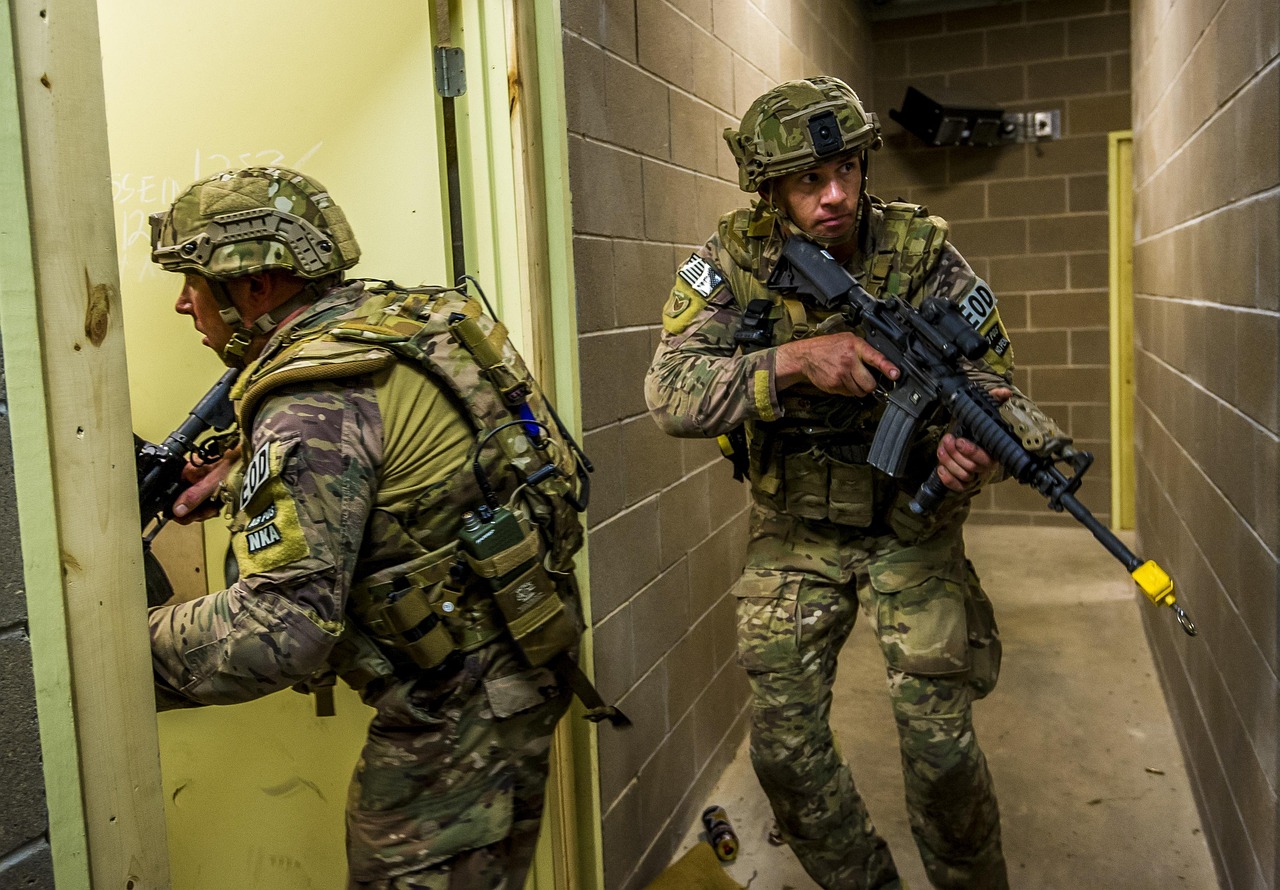
Digital Twin is a virtual replica of a physical asset, system, or process that mirrors its behavior in real time through continuous data exchange. In the context of military operations, a digital twin can represent a vehicle, a weapons platform, a battlefield network, or an entire mission environment. By synchronizing the virtual model with sensor inputs, command staff can observe the current state, predict future conditions, and test alternative courses of action without risking personnel or equipment.
Physical Asset refers to any tangible component that participates in a mission, such as a tank, aircraft, satellite, or forward operating base. The fidelity of a digital twin depends on the quality and granularity of data collected from these assets. For example, a modern combat helicopter equipped with health‑monitoring sensors can feed vibration, temperature, and fuel consumption data into its digital twin, enabling maintenance crews to anticipate component wear before a failure occurs.
Data Ingestion is the process of gathering raw information from sensors, logs, and external databases and feeding it into the twin’s data pipeline. This step often involves preprocessing tasks such as filtering, normalization, and timestamp alignment. A practical illustration is the ingestion of GPS coordinates from unmanned aerial vehicles (UAVs) into a terrain model, allowing the twin to update the location of friendly and hostile forces with sub‑meter accuracy.
Sensor Fusion combines data from heterogeneous sources to produce a more accurate and reliable representation of the environment. In a battlefield scenario, radar returns, infrared imagery, and acoustic signatures can be fused to enhance target identification. The fused data stream becomes the input for the digital twin, which can then generate a composite picture of the operational picture that is more robust than any single sensor alone.
Real‑time Analytics denotes the capability to process incoming data instantly and provide actionable insights within seconds or milliseconds. For digital twins supporting live operations, real‑time analytics might highlight anomalous fuel consumption patterns that suggest a leak, or detect deviation from a planned flight path that could indicate enemy interference. The speed of analysis is critical because delays can translate into missed opportunities or increased risk.
Cyber‑Physical System (CPS) describes a networked integration of computational elements with physical processes. Military platforms increasingly function as CPSs, where embedded controllers, communications links, and software algorithms directly influence physical performance. A digital twin is effectively a CPS extension that resides in the virtual domain, enabling simulation, optimization, and decision support while remaining tightly coupled to its physical counterpart.
Interoperability is the ability of diverse systems, often from different vendors or services, to exchange and interpret data seamlessly. In joint or coalition operations, interoperability ensures that a digital twin of a naval vessel can communicate with the twin of an allied air defense system. Standards such as NATO’s STANAG 4607 define data models and exchange protocols that facilitate this cross‑domain collaboration.
Architecture refers to the structural design of the digital twin ecosystem, encompassing hardware, software, networking, and governance components. A typical architecture includes edge devices that collect sensor data, a middleware layer that handles data routing, a cloud or data‑center platform that hosts the twin models, and user interfaces for commanders. The architecture must balance performance, security, and scalability to meet mission demands.
Edge Computing pushes computation closer to the data source, reducing latency and bandwidth consumption. In a forward operating base, edge nodes can preprocess sensor streams, perform anomaly detection, and only transmit summarized alerts to the central twin. This approach is vital in contested environments where communication links may be intermittent or throttled by adversarial electronic warfare.
Cloud Platform provides elastic compute and storage resources that can scale to accommodate large‑scale simulations or extensive historical datasets. Cloud services also enable collaborative access, allowing analysts in different geographic locations to work on the same digital twin instance. However, reliance on cloud infrastructure raises concerns about data sovereignty, latency, and vulnerability to cyber attacks.
Artificial Intelligence and Machine Learning (AI/ML) are integral to extracting patterns from massive data streams and automating decision‑making. For example, a machine‑learning model can be trained on historical mission outcomes to predict the likelihood of success for a planned maneuver. The model’s output can be fed into the digital twin, which then visualizes the probability surface across the operational area.
Predictive Maintenance leverages condition‑monitoring data to forecast equipment failures before they happen. By integrating predictive algorithms into the twin, maintenance planners can schedule repairs during non‑critical windows, thereby improving asset availability. A concrete case involves a fleet of armored vehicles where vibration analysis predicts bearing degradation, prompting replacement before a breakdown in combat.
Mission Rehearsal uses the digital twin to simulate the entire operation, from launch to execution, allowing planners to test tactics, techniques, and procedures (TTPs) in a risk‑free environment. During rehearsal, commanders can inject adversary actions, weather changes, or logistical constraints and observe how the twin responds. The insights gained inform adjustments to the plan, reducing uncertainty before the actual mission.
Situational Awareness is the perception of elements in the environment, comprehension of their meaning, and projection of their future status. A digital twin enhances situational awareness by aggregating data from multiple sources, applying analytics, and presenting a coherent visual or textual narrative. For instance, the twin may display a heat map of threat density overlaid on a terrain model, enabling rapid threat assessment.
Command and Control (C2) systems are the backbone of military decision cycles, providing the means to issue orders, monitor execution, and adjust plans. Integrating a digital twin with C2 platforms creates a feedback loop where decisions influence the twin’s state, and the twin’s predictions influence decisions. This bidirectional flow supports adaptive command structures that can respond to emerging conditions.
Lifecycle Management encompasses the entire span of a system’s existence, from design and acquisition through operation, sustainment, and disposal. A digital twin can be used throughout the lifecycle: During design, it validates concepts; during acquisition, it verifies compliance; during operation, it supports performance monitoring; and during sustainment, it guides upgrades. The continuity of the twin ensures knowledge retention across program phases.
Data Federation involves unifying disparate data sources into a single coherent view without physically moving the data. Federation is essential when dealing with classified, classified‑at‑home, or proprietary datasets that must remain within their original domains. The twin can query federated sources in real time, preserving security while still providing a comprehensive operational picture.
Model Fidelity describes the degree of detail and accuracy represented in the digital twin. High‑fidelity models capture fine‑grained physical phenomena, such as fluid dynamics around a missile’s nose cone, while low‑fidelity models may abstract those details for faster computation. Selecting the appropriate fidelity is a trade‑off between computational cost and the precision required for the decision at hand.
Simulation Engine is the software component that executes the mathematical models governing the twin’s behavior. Popular engines include finite‑element analysis tools, agent‑based simulators, and discrete‑event simulators. The engine must be capable of ingesting live data streams and updating the model state in near real time, a capability sometimes referred to as “live simulation.”
Digital Thread is the continuous flow of data that links every stage of a system’s lifecycle, ensuring traceability and consistency. In a military context, the digital thread connects design specifications, test results, field performance, and maintenance records. The twin acts as a node within this thread, providing a living representation that reflects the current state of the physical system.
Security Architecture defines the protective measures that safeguard the twin’s data, models, and communications. This includes encryption of data in transit and at rest, authentication mechanisms, role‑based access control, and intrusion detection systems. Because digital twins may contain sensitive operational data, a breach could expose tactical plans or reveal vulnerabilities in critical platforms.
Resilience refers to the ability of the twin ecosystem to continue operating under adverse conditions, such as network disruptions, cyber attacks, or hardware failures. Techniques to enhance resilience include redundant data paths, failover servers, and robust error‑handling routines. A resilient twin ensures that commanders retain decision‑support capabilities even when the adversary attempts to degrade information flows.
Scalability is the capacity to expand the twin’s resources to accommodate growing data volumes, more complex models, or additional users. Cloud‑native architectures typically provide horizontal scalability by adding more compute nodes. In a large‑scale joint operation, the twin may need to model hundreds of assets simultaneously, requiring a scalable infrastructure to maintain performance.
Latency is the delay between data generation at the sensor and its availability within the twin for analysis. Low latency is crucial for time‑sensitive decisions, such as intercepting an incoming missile. Edge computing and high‑speed networks are employed to minimize latency, while buffering and timestamp synchronization help compensate for unavoidable delays.
Data Governance establishes policies and procedures for data quality, ownership, retention, and compliance. Effective governance ensures that the data feeding the twin is trustworthy, consistent, and authorized for use. For example, a governance policy may dictate that only cleared personnel can access classified sensor feeds that feed into the twin’s predictive models.
Ontology is a formal representation of concepts and relationships within a domain. In the digital twin ecosystem, an ontology defines the taxonomy of military assets, mission objectives, threat types, and operational constraints. Using a shared ontology enables semantic interoperability, allowing different systems to interpret data uniformly.
Standardization involves adopting common data models, communication protocols, and interface specifications. Standards such as the Department of Defense’s Data Model for logistics, or the Open Geospatial Consortium’s (OGC) Sensor Observation Service, facilitate integration of heterogeneous systems. Standardization reduces integration effort and promotes reuse of twin components across programs.
Human‑Machine Interface (HMI) describes how users interact with the digital twin. Effective HMIs present complex data in intuitive formats, such as 3D terrain visualizations, heat maps, or drill‑down dashboards. The interface should support both strategic decision‑makers who need high‑level overviews and operators who require detailed diagnostic information.
Use‑Case is a specific scenario that illustrates how the digital twin can be applied to solve a problem. Examples include “Rapid Reconstitution of a Forward Base after an Attack,” where the twin simulates repair logistics, or “Electronic Warfare Counter‑Measure Testing,” where the twin evaluates the effectiveness of signal‑jamming tactics against a simulated adversary network.
Integration Layer is the middleware that connects the twin to external systems such as logistics databases, intelligence feeds, and C2 platforms. It handles protocol translation, message routing, and data transformation. A well‑designed integration layer abstracts underlying complexities, allowing new data sources to be added with minimal disruption.
Latency‑Sensitive Applications are those that require near‑instantaneous feedback, such as autonomous weapon guidance or fire‑control solutions. For these applications, the digital twin must operate on the edge or within a tightly coupled loop to the actuator, ensuring that decision latency does not degrade performance.
Batch Processing contrasts with real‑time processing by handling large volumes of data at scheduled intervals. While batch processing is unsuitable for immediate tactical decisions, it is valuable for strategic analysis, trend identification, and post‑mission debriefing. The twin can ingest historical mission data in batch mode to refine predictive models.
Digital Twin of an Organization extends the concept beyond physical assets to include processes, personnel, and command structures. By modeling the flow of information, decision cycles, and resource allocation, this organizational twin can identify bottlenecks, optimize staffing, and improve overall mission effectiveness.
Model Calibration adjusts the parameters of the digital twin to align its outputs with observed reality. Calibration may involve tuning friction coefficients, sensor error models, or behavioral rules based on field measurements. Regular calibration ensures that the twin remains an accurate reflection of the operational environment.
Model Validation is the systematic assessment of whether the twin correctly represents the intended system. Validation techniques include comparing twin predictions with real‑world test results, conducting sensitivity analyses, and performing peer reviews. A validated model inspires confidence among decision‑makers and reduces the risk of erroneous conclusions.
Digital Twin Lifecycle encompasses stages such as conception, development, deployment, operation, and retirement. Each stage requires specific activities: Concept development defines objectives; development builds the model; deployment integrates it with live data; operation monitors performance; and retirement decommissions the twin while preserving valuable data for future use.
Governance Framework outlines the roles, responsibilities, and decision‑making structures that oversee the digital twin’s development and use. It typically includes a steering committee, technical working groups, and security oversight bodies. The framework ensures alignment with mission goals, compliance with regulations, and accountability for outcomes.
Data Latency differs from processing latency in that it measures the delay introduced by the transmission medium, such as satellite links or battlefield radios. Mitigating data latency may involve using compression, prioritizing critical data, or employing store‑and‑forward techniques in disrupted environments.
Digital Twin Platform is the software suite that provides tools for model creation, data integration, simulation execution, and visualization. Commercial examples include Siemens’ Xcelerator, ANSYS Twin Builder, and IBM’s Maximo. In the defense sector, custom platforms are often built to meet strict security and performance requirements.
Interoperable Data Exchange is achieved through APIs (Application Programming Interfaces) that expose model data and control functions. RESTful APIs, gRPC, and message‑bus architectures such as MQTT or DDS (Data Distribution Service) are common choices. Interoperable APIs enable rapid integration with existing defense systems.
Model‑Based Systems Engineering (MBSE) is an approach that uses formalized models to support system design, analysis, and verification. Digital twins are a natural extension of MBSE, allowing continuous model evolution from design through operation. MBSE tools such as SysML can be linked to twin models to maintain consistency.
Data Provenance tracks the origin, lineage, and transformations applied to data as it moves through the twin ecosystem. Provenance records are essential for auditability, especially when decisions are based on data that may have been aggregated or filtered. Knowing the provenance helps analysts assess confidence in the results.
Operational Tempo (OP‑Tempo) describes the speed at which missions are planned, executed, and assessed. High OP‑Tempo environments demand rapid data processing, swift model updates, and agile decision support. Digital twins that can keep pace with OP‑Tempo enable commanders to maintain initiative and avoid decision paralysis.
Risk Modeling quantifies the probability and impact of adverse events. In a digital twin, risk models can be embedded to evaluate the likelihood of equipment failure, supply chain disruption, or enemy action. By visualizing risk contours, planners can prioritize mitigation measures and allocate resources more effectively.
Scenario Planning involves creating multiple hypothetical futures to explore how different variables might evolve. Digital twins provide a sandbox for scenario planning, allowing analysts to test the effects of changes in weather, enemy tactics, or logistical constraints. The resulting insights guide strategic contingency development.
Data Fusion Center is a dedicated facility where multiple data streams are combined, analyzed, and disseminated. The twin can serve as a core component of a data fusion center, receiving inputs from radar, SIGINT, and ISR platforms, and returning synthesized threat assessments to operators.
Latency Budget defines the maximum allowable delay for each processing stage to meet overall system timing requirements. Engineers allocate portions of the budget to sensor acquisition, transmission, edge preprocessing, cloud analytics, and user interface rendering. Exceeding the latency budget can degrade mission effectiveness.
Digital Twin Governance ensures that the twin’s development aligns with strategic objectives, complies with acquisition regulations, and respects ethical constraints. Governance bodies review model assumptions, data privacy implications, and potential misuse of predictive capabilities. Effective governance mitigates unintended consequences.
Cyber Resilience addresses the ability of the twin to withstand, recover from, and adapt to cyber threats. Techniques include segmentation of networks, use of zero‑trust architectures, continuous monitoring, and automated patching. A cyber‑resilient twin maintains functional integrity even when parts of the system are compromised.
Digital Twin Validation Suite comprises tools and test cases that evaluate the twin’s performance under various conditions. The suite may include synthetic data generators, stress‑testing scripts, and regression tests that compare current outputs against baseline expectations. Regular validation helps detect drift caused by software updates or sensor changes.
Edge Orchestration coordinates the deployment and lifecycle of twin components across distributed edge nodes. Orchestration platforms such as Kubernetes can manage containerized twin services, ensuring that updates are rolled out consistently and that resources are allocated efficiently. Edge orchestration supports rapid scaling in response to mission demands.
Semantic Interoperability ensures that exchanged data retains its meaning across different systems. By leveraging shared ontologies and metadata standards, semantic interoperability prevents misinterpretation of data fields such as “fuel level” or “threat rating.” This is vital when integrating allies’ systems with differing vocabularies.
Digital Twin Governance Policy outlines the rules for data access, model modification, and version control. Policies may stipulate that only accredited engineers can alter model parameters, while operational staff can only view simulation results. Enforcing these policies maintains model integrity and prevents unauthorized manipulation.
Data Latency Mitigation strategies include predictive buffering, where the twin extrapolates future states based on current trends to fill gaps caused by delayed data. Another technique is adaptive sampling, which reduces data transmission rates during bandwidth constraints while preserving critical information.
Model Versioning tracks changes to the twin’s code, parameters, and configurations. Version control systems such as Git enable collaborative development, rollback to previous states, and audit trails of modifications. Clear versioning is essential when multiple stakeholders contribute to model evolution.
Digital Twin Deployment involves moving the model from a development environment into an operational setting. Deployment steps include provisioning compute resources, configuring data pipelines, establishing security credentials, and conducting acceptance testing. A phased rollout, starting with a pilot site, can reduce risk and gather user feedback.
Operational Data Store (ODS) is a repository that holds current, integrated data for immediate access by the twin. The ODS differs from a data warehouse, which stores historical data for long‑term analysis. The ODS must support high‑throughput reads and writes, low latency, and strict access controls.
Digital Twin KPI (Key Performance Indicator) measures the effectiveness of the twin in delivering value. KPIs may include model update frequency, prediction accuracy, decision‑support turnaround time, and user satisfaction scores. Tracking KPIs enables continuous improvement and justification of investment.
Data Sanitization removes or masks sensitive information before it is shared with external partners or used in less secure environments. Sanitization techniques include de‑identification, aggregation, and noise injection. Proper sanitization protects classified data while still allowing collaborative analysis.
Digital Twin Ecosystem encompasses all the components, processes, and stakeholders involved in creating, operating, and maintaining the twin. The ecosystem includes hardware suppliers, software developers, data providers, end‑users, and oversight bodies. Understanding the ecosystem helps identify dependencies and potential points of failure.
Digital Twin Sandbox is an isolated environment where new models, data feeds, or analytics can be tested without affecting live operations. Sandboxes support experimentation, rapid prototyping, and validation of innovative concepts before they are deployed to the production twin.
Operational Readiness describes the state of preparedness of both the physical asset and its digital twin. Readiness assessments evaluate whether the twin can accurately reflect the asset’s condition, whether data links are functional, and whether personnel are trained to interpret twin outputs.
Data Compression reduces the size of transmitted data to conserve bandwidth, especially important in austere environments. Lossless compression preserves exact values, while lossy compression may be acceptable for visual data such as infrared imagery where minor degradation does not impact analysis.
Digital Twin Integration Testing validates that the twin correctly interfaces with all external systems, handles data flows, and meets performance targets. Integration tests are performed in stages, starting with unit tests of individual components, progressing to system‑level tests, and culminating in full‑scale operational trials.
Human‑In‑The‑Loop (HITL) refers to scenarios where human judgment is required to interpret twin outputs or make final decisions. HITL designs ensure that automation augments, rather than replaces, human expertise, preserving accountability and situational awareness.
Autonomous Systems such as unmanned ground vehicles or swarming drones can be controlled by digital twins that provide high‑level guidance while the autonomous system executes low‑level maneuvers. The twin can adjust mission parameters in real time based on sensor feedback, enabling dynamic re‑tasking.
Digital Twin Data Lake stores raw, unprocessed data from sensors, logs, and external feeds. Unlike the operational data store, the data lake retains information in its original format for later analysis, model training, or forensic investigation. Proper governance ensures that the lake does not become a repository of unmanaged data.
Real‑World Validation involves comparing twin predictions with actual outcomes from live exercises or combat operations. This validation step is critical for building trust among commanders, as it demonstrates that the twin’s forecasts are reliable and actionable.
Digital Twin Governance Board is a cross‑functional group that reviews strategic direction, resource allocation, and risk management for the twin program. The board includes senior military leaders, acquisition officers, cybersecurity experts, and data scientists, ensuring balanced oversight.
Data Encryption protects information as it moves between sensors, edge nodes, and cloud platforms. Strong encryption algorithms, such as AES‑256, and secure key management practices are mandatory for classified data streams feeding the twin.
Latency‑Sensitive Use Cases include close‑air support coordination, where the twin must deliver up‑to‑the‑second updates on target location and friendly positions to avoid fratricide. In such cases, any delay could result in mission failure or unintended casualties.
Model Reusability enables the same twin components to be applied across different platforms or missions. By designing modular models with well‑defined interfaces, developers can reuse a vehicle dynamics module for both a ground vehicle and a tracked robotic system, reducing development effort.
Digital Twin Governance Model defines the hierarchy of authority for model changes, data access, and operational decisions. It typically includes a steering committee that sets policy, a technical board that approves model updates, and an operational team that implements changes in the field.
Data Quality Assurance processes verify that incoming data meets accuracy, completeness, and timeliness requirements. Automated checks can flag out‑of‑range values, missing timestamps, or inconsistent units, prompting corrective action before the data contaminates the twin.
Digital Twin Integration Architecture may be layered, with a presentation layer for user interaction, an application layer for analytics, a services layer for data access, and an infrastructure layer for compute and storage. This separation of concerns simplifies maintenance and facilitates scaling.
Predictive Analytics uses statistical techniques and machine learning to forecast future events based on historical and real‑time data. Within a digital twin, predictive analytics can estimate enemy movement, equipment degradation, or supply chain bottlenecks, allowing preemptive action.
Digital Twin Deployment Pipeline automates the steps from code commit to production rollout, incorporating build, test, security scan, and deployment stages. Continuous integration/continuous deployment (CI/CD) pipelines accelerate delivery while maintaining quality and security standards.
Operational Security (OPSEC) considerations dictate that certain data, such as precise troop locations, must be protected from adversary interception. The twin’s design must incorporate OPSEC controls, such as data masking and access restrictions, to prevent inadvertent leakage.
Digital Twin Governance Charter formally documents the purpose, scope, responsibilities, and decision‑making authority of the governance body. The charter serves as a reference for stakeholders and ensures that governance activities are transparent and accountable.
Data Latency Monitoring continuously measures the time taken for data to travel from source to twin consumption. Alerts can be generated when latency exceeds predefined thresholds, prompting investigation and remediation.
Digital Twin Model Repository stores versioned models, documentation, and metadata in a centralized location. The repository enables discovery, reuse, and compliance tracking of models across the defense enterprise.
Model Calibration Cycle is a recurring process where field data is used to adjust model parameters, ensuring that the twin remains aligned with reality. Calibration may be performed after major maintenance events, software upgrades, or significant environmental changes.
Digital Twin Integration Testing Framework provides a structured approach to verify that the twin interacts correctly with legacy systems, such as legacy C2 consoles or legacy logistics databases. The framework defines test cases, success criteria, and reporting mechanisms.
Scenario‑Based Training leverages digital twins to immerse personnel in realistic mission simulations. Trainees can practice decision‑making in a risk‑free environment, receiving immediate feedback on the consequences of their actions as reflected by the twin.
Digital Twin Data Governance establishes policies for data classification, handling, retention, and disposal. Governance ensures compliance with regulations such as the Department of Defense’s DODI 8500.01 For cybersecurity and the International Traffic in Arms Regulations (ITAR).
Model Explainability addresses the need for transparent reasoning behind twin predictions. Techniques such as feature importance analysis or rule‑based models help operators understand why the twin suggests a particular course of action, fostering trust and acceptance.
Digital Twin Operational Dashboard aggregates key metrics, alerts, and visualizations into a single interface for commanders. The dashboard may display asset health indicators, mission progress bars, and risk heat maps, enabling rapid situational assessment.
Data Integration Middleware abstracts the complexities of connecting disparate data sources, handling protocol conversion, message queuing, and error handling. Middleware platforms such as Apache Kafka or DDS can be employed to provide reliable, scalable data transport for the twin.
Digital Twin Service Level Agreement (SLA) defines performance expectations, such as maximum data latency, uptime, and response time for analytics requests. SLAs are negotiated between the twin provider and the operational user community to ensure mission requirements are met.
Digital Twin Security Controls include intrusion detection, audit logging, and privileged access management. Regular security assessments, penetration testing, and vulnerability scanning are essential to maintain a robust security posture.
Model Accuracy Assessment quantifies how closely twin outputs match observed reality. Accuracy metrics may include mean absolute error for temperature predictions, classification accuracy for threat identification, or root‑mean‑square error for trajectory forecasts.
Digital Twin Continuous Improvement process incorporates feedback loops from users, performance monitoring, and lessons learned from exercises. Continuous improvement ensures that the twin evolves to meet emerging threats, technology advances, and changing operational doctrines.
Data Interoperability Framework provides guidelines for data format standardization, schema mapping, and semantic alignment. The framework may adopt standards such as the Joint All‑Domain Command and Control (JADC2) data model to facilitate cross‑domain integration.
Digital Twin Knowledge Base houses documentation, best practices, troubleshooting guides, and training materials. A well‑maintained knowledge base accelerates onboarding of new analysts and supports effective use of the twin in diverse mission contexts.
Model Deployment Strategy determines whether the twin runs centrally in a secure data center, at the edge close to the sensor, or in a hybrid configuration. The strategy balances latency, security, and resource constraints based on mission priorities.
Digital Twin Incident Response outlines procedures for handling security incidents, data corruption, or model failures. Incident response plans define roles, communication channels, containment steps, and recovery actions to minimize operational impact.
Data Latency Budget Allocation distributes allowable delay among system components, ensuring that critical paths receive priority. For example, sensor acquisition may be allocated 10 ms, transmission 20 ms, edge preprocessing 30 ms, and cloud analytics 40 ms, summing to a total budget of 100 ms.
Digital Twin Operational Resilience is achieved through redundancy, fault‑tolerant design, and rapid failover mechanisms. Redundant edge nodes, mirrored databases, and multi‑region cloud deployments enable the twin to continue functioning even when parts of the infrastructure are compromised.
Model Governance Process includes change request submission, impact analysis, peer review, testing, and approval. This disciplined process prevents uncontrolled modifications that could degrade model fidelity or introduce security vulnerabilities.
Digital Twin Data Lifecycle Management governs how data moves from acquisition to archiving. Policies define retention periods for raw sensor data, processed analytics, and model outputs, ensuring compliance with legal and operational requirements.
Scenario Execution Engine orchestrates the sequence of events, triggers, and responses within a simulated mission. The engine can ingest real‑time data to adjust the scenario on the fly, providing a dynamic environment that mimics the fluid nature of combat.
Digital Twin Integration Roadmap outlines the planned phases for expanding twin capabilities, such as adding new asset types, incorporating additional data sources, or extending to joint force operations. A roadmap provides visibility to stakeholders and aligns development with strategic priorities.
Data Latency Compensation techniques predict future data values based on trends, allowing the twin to continue operating smoothly despite temporary delays. Kalman filters and predictive models are commonly employed to estimate missing data points.
Model Deployment Automation utilizes scripts and configuration management tools to provision environments, install dependencies, and deploy twin instances consistently across multiple sites. Automation reduces human error and accelerates rollout timelines.
Digital Twin Operational Security Review assesses the twin’s exposure to adversary intelligence gathering, ensuring that the system does not inadvertently reveal force posture, capabilities, or intent. The review informs the application of encryption, data masking, and access controls.
Data Fusion Algorithms such as Bayesian inference, Dempster‑Shafer theory, or neural network ensembles combine multiple input streams to produce a unified estimate. Selecting appropriate algorithms depends on the nature of the data, required confidence levels, and computational constraints.
Digital Twin Compliance Audits verify adherence to regulatory standards, contractual obligations, and internal policies. Audits may examine data handling procedures, model documentation, security controls, and performance metrics.
Model Parameter Management tracks the values of variables that influence twin behavior, such as drag coefficients, sensor error margins, or tactical doctrine parameters. Centralized parameter stores enable consistent updates and rollback capabilities.
Digital Twin Training Curriculum provides structured learning modules covering fundamentals, advanced analytics, security best practices, and operational use cases. A curriculum ensures that analysts, engineers, and commanders develop the competencies needed to leverage the twin effectively.
Data Access Controls enforce the principle of least privilege, granting users only the permissions required for their role. Role‑based access control (RBAC) and attribute‑based access control (ABAC) are common mechanisms to enforce fine‑grained permissions.
Digital Twin Simulation Fidelity Trade‑Off balances the need for detailed physical modeling against computational speed. High‑fidelity fluid dynamics simulations may be reserved for pre‑mission planning, while lower‑fidelity approximations are used for real‑time decision support.
Model Execution Time is the duration required for the twin to process a set of inputs and produce an output. Monitoring execution time helps identify performance bottlenecks and informs scaling decisions.
Digital Twin Integration Validation confirms that the twin accurately reflects the integrated system’s behavior under realistic operational conditions. Validation activities include live‑fire exercises, joint drills, and field tests with actual equipment.
Data Latency Monitoring Dashboard visualizes latency metrics across the data pipeline, highlighting areas where delays exceed thresholds. Operators can drill down to specific sensors, network segments, or processing stages to diagnose issues.
Model Documentation Standards prescribe the format and content required for model specifications, assumptions, limitations, and verification results. Consistent documentation facilitates peer review, reuse, and regulatory compliance.
Digital Twin Ecosystem Stakeholders include acquisition program managers, system integrators, data providers, end‑users, cybersecurity officers, and policy makers. Engaging all stakeholders early ensures alignment of requirements and smooth integration.
Data Retention Policies dictate how long different categories of data are stored before deletion or archival. Retention periods may vary for classified sensor feeds, anonymized analytics results, and model training datasets.
Digital Twin Operational Test Bed provides a controlled environment where new twin features can be evaluated with realistic data loads, network conditions, and user interactions before deployment to operational units.
Model Scaling Strategies include horizontal scaling (adding more compute nodes) and vertical scaling (enhancing the capacity of existing nodes). The choice depends on the nature of the workload, such as CPU‑intensive physics simulations versus memory‑intensive AI inference.
Digital Twin Governance Metrics track the effectiveness of governance processes, such as the number of change requests processed, average time to approval, compliance violation incidents, and stakeholder satisfaction. Metrics drive continuous governance improvement.
Data Sanitization Procedures define steps for removing personally identifiable information (PII) or classified details from datasets before sharing with external partners or publishing results. Procedures may involve automated redaction tools and manual review.
Digital Twin Integration Checklist outlines essential items to verify before go‑live, including data source connectivity, security configuration, performance benchmarks, user acceptance testing, and documentation completeness.
Model Explainability Techniques such as SHAP values or LIME provide insight into which input features most influence a prediction. Explainability aids operators in trusting AI‑driven recommendations generated by the twin.
Digital Twin Operational Support Model defines the levels of support, response times, and escalation paths for issues encountered by users. Support tiers may range from basic user assistance to expert troubleshooting of complex integration failures.
Data Latency Impact Analysis evaluates how varying latency levels affect mission outcomes, helping decision‑makers understand the trade‑offs between data freshness and communication bandwidth.
Digital Twin Integration Pilot implements the twin in a limited scope, such as a single brigade or a specific platform, to validate concepts, gather user feedback, and refine processes before wider rollout.
Model Reproducibility ensures that the same inputs produce identical outputs under the same conditions, a requirement for rigorous scientific validation and regulatory compliance.
Digital Twin Security Incident Reporting establishes a formal process for documenting security events, root‑cause analysis, corrective actions, and lessons learned, fostering a culture of continuous security improvement.
Data Fusion Validation confirms that the combined data accurately represents the real world, using ground truth measurements or independent verification sources.
Digital Twin Operational Readiness Review assesses whether the twin is prepared for deployment, examining criteria such as data integrity, model accuracy, performance metrics, and user training completion.
Model Update Frequency determines how often the twin’s parameters or algorithms are refreshed to incorporate new data, technology advances, or doctrinal changes. Balancing update frequency with stability is essential to avoid disruption.
Digital Twin Integration Risk Register catalogues potential risks, their likelihood, impact, mitigation strategies, and owners, providing a structured approach to risk management throughout the project lifecycle.
Data Latency Thresholds define acceptable limits for data delay based on mission criticality. Thresholds may be stricter for kinetic targeting data than for logistical status updates.
Digital Twin Compliance Framework aligns the twin’s development and operation with applicable laws, regulations, and standards, ensuring lawful and ethical use of technology.
Model Performance Benchmarking measures the twin’s computational efficiency, accuracy, and scalability under standardized test conditions, providing a baseline for future improvements.
Digital Twin Integration Governance Board oversees strategic decisions, resource allocation, and policy enforcement, ensuring that the twin’s evolution aligns with defense objectives and risk tolerance.
Data Quality Metrics such as completeness, consistency, accuracy, and timeliness are monitored continuously, with alerts triggered when thresholds are breached.
Key takeaways
- By synchronizing the virtual model with sensor inputs, command staff can observe the current state, predict future conditions, and test alternative courses of action without risking personnel or equipment.
- Physical Asset refers to any tangible component that participates in a mission, such as a tank, aircraft, satellite, or forward operating base.
- A practical illustration is the ingestion of GPS coordinates from unmanned aerial vehicles (UAVs) into a terrain model, allowing the twin to update the location of friendly and hostile forces with sub‑meter accuracy.
- The fused data stream becomes the input for the digital twin, which can then generate a composite picture of the operational picture that is more robust than any single sensor alone.
- For digital twins supporting live operations, real‑time analytics might highlight anomalous fuel consumption patterns that suggest a leak, or detect deviation from a planned flight path that could indicate enemy interference.
- A digital twin is effectively a CPS extension that resides in the virtual domain, enabling simulation, optimization, and decision support while remaining tightly coupled to its physical counterpart.
- In joint or coalition operations, interoperability ensures that a digital twin of a naval vessel can communicate with the twin of an allied air defense system.