
Environmental Risk Management and Emergency Response
Environmental risk management is a systematic approach that identifies, evaluates, and controls threats to the environment that could arise from military activities, training exercises, or the operation of defence infrastructure. In the con…
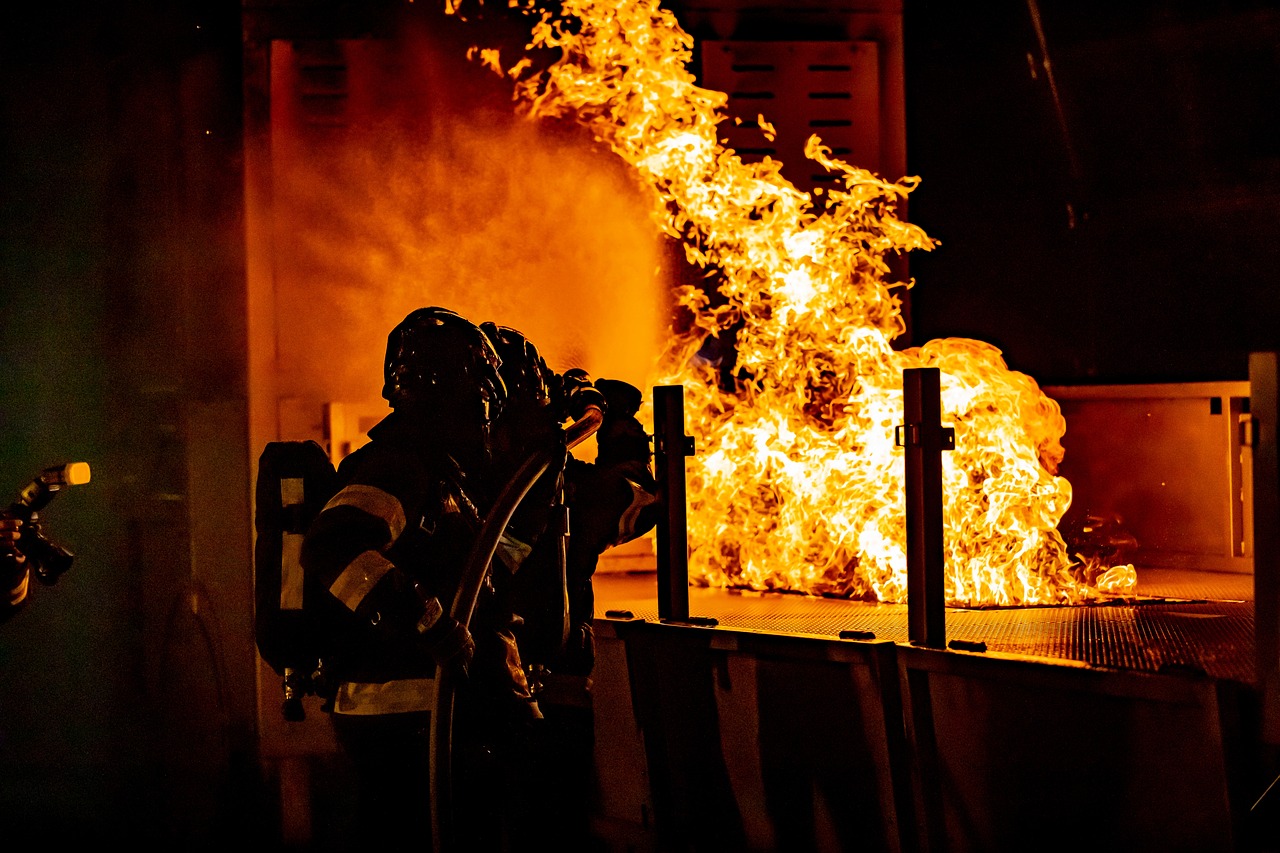
Environmental risk management is a systematic approach that identifies, evaluates, and controls threats to the environment that could arise from military activities, training exercises, or the operation of defence infrastructure. In the context of the Advanced Certificate in Sustainability and Environmental Management in Defense, a solid grasp of the terminology is essential for effective decision‑making and compliance with national and international regulations. The following exposition presents the principal terms and concepts, illustrating their meaning, practical application, and the challenges that practitioners commonly encounter.
Risk assessment is the foundational process through which potential adverse effects on the environment are identified, quantified, and prioritized. It typically involves three stages: Hazard identification, exposure analysis, and consequence evaluation. For example, when a forward operating base plans to construct a new fuel storage facility, a risk assessment will examine the likelihood of spills, the pathways through which contaminants could reach groundwater, and the potential impacts on nearby wetlands. The outcome is a risk matrix that informs mitigation strategies. A common challenge is the availability of reliable data on site‑specific soil permeability, which can lead to uncertainty in exposure estimates.
The term hazard identification refers to the systematic listing of all possible sources of environmental harm. These may include chemical, biological, radiological, and physical agents. In a defence setting, hazards often arise from the use of munitions, the handling of hazardous waste, or the operation of diesel generators. Practitioners must differentiate between primary hazards (e.G., A fuel leak) and secondary hazards (e.G., Fire resulting from the leak). The difficulty lies in capturing less obvious hazards such as noise‑induced stress on wildlife, which may be overlooked without thorough ecological surveys.
Exposure analysis quantifies the degree to which environmental receptors—such as soil, water, air, or biota—come into contact with the identified hazards. This step requires the use of models, monitoring data, and expert judgement. For instance, dispersion modelling may be employed to predict the spread of airborne pollutants from a combustion source during a training exercise. A key obstacle in exposure analysis is the dynamic nature of military operations, where the intensity and duration of activities can vary rapidly, complicating the selection of appropriate modelling parameters.
Consequence evaluation assesses the magnitude of potential impacts resulting from exposure. Impacts can be acute (e.G., Immediate fish kill due to a chemical spill) or chronic (e.G., Bioaccumulation of heavy metals in the food chain). Consequence evaluation often draws on ecological risk assessment frameworks that incorporate toxicity thresholds and ecological relevance. One practical application is the determination of acceptable contaminant levels in soil based on the European Union’s Soil Guideline Values, which guide remediation decisions. A persistent challenge is the translation of scientific impact data into policy‑relevant risk criteria that are understandable to commanders and civilian stakeholders.
The concept of risk mitigation encompasses the actions taken to reduce either the likelihood or the severity of identified risks. Mitigation measures can be structural (e.G., Secondary containment berms for fuel tanks), procedural (e.G., Standard operating procedures for spill response), or administrative (e.G., Training programmes for personnel). In a defence context, risk mitigation must balance operational readiness with environmental stewardship. For example, installing a containment system may be technically straightforward but could be perceived as limiting rapid deployment. Overcoming such challenges requires integrated planning and stakeholder engagement.
Environmental impact assessment (EIA) is a formal process that evaluates the potential environmental consequences of a proposed project before decisions are made. EIAs are required for many defence projects, especially those involving land acquisition, construction, or the introduction of new technologies. The EIA process typically includes scoping, baseline studies, impact prediction, mitigation planning, and the preparation of an environmental impact statement. An illustrative case is the construction of a new training range, where an EIA would examine impacts on soil erosion, habitat fragmentation, and noise pollution. The main difficulty in conducting EIAs for defence projects is aligning the often‑tight project timelines with the need for comprehensive environmental data collection.
Baseline monitoring refers to the establishment of existing environmental conditions against which future changes can be measured. Baseline data may encompass physical parameters (e.G., Water temperature), chemical concentrations (e.G., Hydrocarbons in sediment), and biological indicators (e.G., Species diversity). For example, prior to commencing a live‑fire exercise in a coastal area, baseline water quality sampling would be undertaken to detect any post‑exercise degradation. The challenge lies in ensuring the spatial and temporal representativeness of baseline datasets, especially in remote or conflict‑affected regions where access is limited.
Contingency planning is the development of predefined actions to be taken in response to an environmental emergency. In defence operations, contingency plans must be robust enough to address incidents such as fuel spills, chemical releases, or accidental fires, while also being flexible to accommodate the unpredictable nature of field operations. A typical contingency plan includes incident detection, notification protocols, initial response actions, containment strategies, and post‑incident analysis. One of the recurring obstacles is maintaining up‑to‑date plans that reflect changes in equipment, personnel, and regulatory requirements.
Emergency response denotes the immediate actions taken to control, contain, and remediate an environmental incident. Effective emergency response relies on rapid communication, the availability of specialised equipment, and trained personnel. In the defence sector, response teams may be comprised of engineers, environmental specialists, and logistics staff. For instance, when a fuel tanker overturns on a forward base, the emergency response team would deploy absorbent booms, initiate containment, and coordinate with local authorities for waste disposal. A common challenge is the integration of emergency response activities with ongoing operational tasks, which can strain resources and require clear command and control structures.
Incident command system (ICS) is a standardized hierarchy used to manage emergency response operations. The ICS structure defines roles such as Incident Commander, Operations Section Chief, and Logistics Section Chief, each with specific responsibilities. The use of an ICS ensures coordinated actions, efficient resource allocation, and clear lines of communication. In a defence emergency, the Incident Commander might be a senior officer who balances mission objectives with environmental protection. Difficulties often arise in aligning the military chain of command with the civilian‑led ICS, necessitating joint training exercises to harmonize procedures.
Spill response encompasses the suite of measures employed to address accidental releases of liquids, typically fuels or lubricants. Key components include detection, containment, recovery, and disposal. Detection may involve visual inspection, leak detection sensors, or water‑sensitive dye markers. Containment strategies often employ portable berms, absorbent pads, or inflatable booms. Recovery involves the use of pumps or vacuum trucks to remove the contaminant, while disposal must comply with hazardous waste regulations. A practical example is the use of a spill kit on a naval vessel, where the kit contains absorbent pads, containment barriers, and personal protective equipment. The main challenge is ensuring that spill kits are maintained, accessible, and that personnel are regularly trained in their use.
Remediation refers to the process of restoring an environment that has been degraded by contamination. Remediation techniques vary depending on the contaminant type, site characteristics, and regulatory thresholds. Common methods include soil excavation and off‑site disposal, in‑situ bioremediation, and phytoremediation using plants that absorb pollutants. For instance, a former ammunition depot with lead‑contaminated soils may be remediated by excavating the affected layers and replacing them with clean fill, followed by monitoring to confirm that lead levels have fallen below the prescribed limit. Remediation is often hampered by high costs, technical feasibility, and the need to minimize disruption to ongoing defence activities.
Environmental compliance is the adherence to laws, regulations, standards, and internal policies that govern environmental performance. In the defence sector, compliance requirements may stem from national environmental statutes, NATO environmental directives, and host‑nation agreements. Compliance activities include permitting, reporting, auditing, and corrective action implementation. An example of compliance is the issuance of a discharge permit that limits the concentration of oil in runoff from a military training area. Challenges in achieving compliance include navigating complex regulatory frameworks across multiple jurisdictions and ensuring that all personnel understand and implement the required controls.
Permit management involves the acquisition, renewal, and administration of environmental permits required for specific activities. Permits may cover emissions to air, discharges to water, waste disposal, and land use changes. Effective permit management requires a tracking system that monitors permit conditions, expiration dates, and any required reporting. For example, a defence installation that operates a wastewater treatment plant must hold a discharge permit that specifies allowable effluent concentrations for nutrients and suspended solids. A frequent difficulty is the coordination between technical staff who operate the facilities and the legal or environmental teams responsible for permit compliance, which can lead to gaps in reporting.
Stakeholder engagement is the process of involving interested parties—such as local communities, non‑governmental organisations, regulatory agencies, and internal defence departments—in environmental decision‑making. Engagement can take the form of public consultations, briefings, joint workshops, and collaborative monitoring programmes. In a defence context, stakeholder engagement helps to build trust, address concerns about training impacts, and facilitate the sharing of information. A practical illustration is the establishment of a community liaison office near a weapons testing range, where residents can receive updates on mitigation measures and provide feedback. Barriers to effective engagement include differing priorities, language barriers, and the classified nature of some defence activities that limit the amount of information that can be disclosed.
Environmental management system (EMS) is a structured framework that enables an organisation to manage its environmental responsibilities systematically. An EMS typically follows the Plan‑Do‑Check‑Act (PDCA) cycle and may be certified to ISO 14001 standards. Core elements include environmental policy, objectives, legal register, operational controls, and performance monitoring. For defence organisations, an EMS provides a mechanism to integrate environmental considerations into operational planning, procurement, and maintenance. Implementing an EMS can be challenging due to the need to align environmental objectives with mission‑critical requirements and to secure senior leadership commitment.
Operational risk denotes the possibility that a defence activity will cause unintended environmental harm. Operational risk assessment integrates environmental considerations into the broader risk management processes that also address safety, security, and mission success. For example, a live‑fire exercise may be evaluated for the risk of unexploded ordnance contaminating soil, the risk of noise disturbance to protected species, and the risk of fire spreading to adjacent habitats. One of the key challenges is the trade‑off analysis between operational effectiveness and environmental protection, which often requires multi‑criteria decision analysis tools.
Strategic environmental assessment (SEA) is a higher‑level appraisal that examines the environmental implications of policies, plans, and programmes before they are adopted. In the defence sector, SEAs may be applied to long‑term force restructuring plans, base realignment initiatives, or the adoption of new technologies such as unmanned aerial systems. The SEA process identifies potential cumulative impacts, alternatives, and mitigation measures, thereby informing strategic decision‑making. A notable difficulty is the need to incorporate long‑term ecological data and predictive modelling into policy analysis, which can be resource‑intensive.
Life‑cycle assessment (LCA) evaluates the environmental impacts associated with all stages of a product or service, from raw material extraction through manufacturing, use, and disposal. Defence organisations can apply LCA to assess the carbon footprint of equipment, the resource intensity of construction projects, or the waste generation from training activities. For instance, an LCA of a tactical vehicle might reveal that the majority of greenhouse gas emissions occur during the manufacturing phase, prompting the adoption of more sustainable sourcing practices. Implementing LCA can be hindered by data gaps, especially regarding the supply chain of defence‑specific components.
Carbon accounting is the process of quantifying greenhouse gas emissions associated with organisational activities. In a defence context, carbon accounting includes emissions from fuel combustion, electricity use, vehicle operations, and indirect emissions from procurement. The resulting inventory supports the development of emission reduction targets and reporting to international climate commitments. A practical application is the calculation of scope‑1 emissions for a forward operating base, which can then be compared against a baseline year to assess progress. Challenges include establishing consistent boundaries, capturing emissions from mobile operations, and ensuring data accuracy across dispersed units.
Ecological monitoring involves the systematic collection of data on environmental variables to detect changes over time. Monitoring programmes may focus on water quality, biodiversity indices, habitat condition, or contaminant levels. In defence settings, ecological monitoring is often mandated as part of permit compliance or as a condition of land use agreements. For example, after a training exercise that involves simulated explosions, monitoring of amphibian populations in nearby wetlands can reveal any adverse effects. Key challenges include securing long‑term funding, maintaining consistent methodologies, and interpreting monitoring results in the context of natural variability.
Indicator species are organisms that are particularly sensitive to environmental changes and therefore serve as early warning signs of ecosystem health. In military training areas, indicator species such as certain lichen, macroinvertebrates, or bird species may be monitored to gauge the impact of disturbance. The selection of appropriate indicator species requires ecological expertise and an understanding of the local habitat. A practical difficulty is that indicator species may be absent or scarce in heavily altered environments, reducing their usefulness as monitoring tools.
Best‑available techniques (BAT) denote the most effective methods for preventing, reducing, or controlling pollutant emissions, as identified by regulatory authorities. Defence installations are often required to adopt BAT in the design of waste treatment facilities, emission control systems, and spill containment measures. For instance, the use of closed‑loop fuel handling systems represents a BAT for minimizing volatile organic compound emissions. The main obstacle is the cost and technical complexity of implementing BAT, especially in austere or forward‑deployed locations where infrastructure is limited.
Hazardous waste management encompasses the identification, segregation, storage, transportation, treatment, and disposal of waste that poses a risk to human health or the environment. Defence activities generate hazardous waste such as used oils, solvents, batteries, and explosives residues. A comprehensive hazardous waste management plan outlines procedures for labeling containers, maintaining waste manifests, and complying with transport regulations. An example is the use of designated hazardous waste storage tents at a base, which are regularly inspected for leaks. Challenges include ensuring personnel awareness of classification criteria and coordinating with licensed waste contractors under tight operational schedules.
Non‑hazardous waste management deals with the handling of waste that does not meet the criteria for hazardous classification but still requires proper disposal to avoid environmental degradation. This includes general refuse, recyclable materials, and food waste. Implementing waste reduction initiatives such as source segregation and composting can reduce the volume of waste sent to landfill. For example, a field kitchen may adopt a reusable container program to minimise single‑use plastic waste. A persistent barrier is the cultural shift required to embed waste minimisation practices within a traditionally consumption‑heavy military environment.
Environmental auditing is a systematic, independent, and documented review of an organisation’s environmental performance and compliance with internal policies and external regulations. Audits may be internal or conducted by external auditors, and they typically cover areas such as emissions, waste handling, training, and emergency preparedness. The audit findings are used to develop corrective action plans and to drive continuous improvement. A practical illustration is an audit of a naval base’s oil spill response readiness, which may uncover gaps in equipment maintenance or training. Common challenges include scheduling audits without disrupting critical operations and ensuring that audit recommendations are acted upon in a timely manner.
Corrective action refers to the measures taken to eliminate the causes of identified non‑conformities or undesirable environmental performance. Corrective actions may involve procedural changes, equipment upgrades, or additional training. For instance, after an audit identifies inadequate documentation of waste disposal, a corrective action could be the implementation of an electronic waste tracking system. The difficulty often lies in allocating sufficient resources and authority to implement corrective actions, particularly when they require changes to established operational practices.
Continuous improvement is an ongoing effort to enhance environmental performance through incremental changes and innovation. The concept is embedded in EMS frameworks and is supported by regular review of objectives, performance indicators, and stakeholder feedback. In a defence context, continuous improvement might involve adopting new low‑emission vehicle technologies, refining spill response protocols, or enhancing habitat restoration techniques. A major challenge is maintaining momentum for improvement initiatives when operational priorities shift or when budgetary constraints limit investment in environmental upgrades.
Risk communication is the exchange of information about risks among decision‑makers, stakeholders, and the public. Effective risk communication builds trust, clarifies uncertainties, and supports informed decision‑making. In defence emergencies, risk communication may involve briefing senior commanders on the potential environmental consequences of a fire, informing local authorities about the status of a spill, and providing transparent updates to nearby communities. Barriers to successful risk communication include the classified nature of some defence activities, differing technical literacy levels among audiences, and the potential for misinformation to spread rapidly.
Incident reporting is the formal documentation of an environmental event, detailing the nature of the incident, the response actions taken, the outcomes, and any lessons learned. Incident reporting is often required by regulatory agencies and serves as a basis for trend analysis and preventive measures. A typical incident report for a fuel spill would include the volume released, the containment measures employed, the duration of the response, and the final disposition of the recovered fuel. The main challenge is ensuring that reporting is timely, accurate, and comprehensive, especially when incidents occur in remote or high‑tempo environments.
Legal liability denotes the responsibility of an organisation to remediate environmental damage and to compensate affected parties for losses. Defence organisations may face liability under national environmental statutes, international treaties, or host‑nation agreements. Liability can arise from direct actions (e.G., A negligent spill) or from failure to meet permit conditions. A practical scenario is a defence contractor being held liable for contamination of a training site that exceeds permissible levels. Managing legal liability requires robust compliance programmes, insurance coverage, and proactive engagement with regulators to address potential claims before they escalate.
Resource allocation involves the distribution of personnel, equipment, funding, and time to support environmental risk management and emergency response activities. Effective resource allocation ensures that response teams have the necessary tools, such as spill kits, decontamination units, and monitoring equipment, and that staff are trained and available when needed. Allocation decisions must balance competing demands, such as operational readiness and environmental protection. A frequent difficulty is the limited availability of specialised resources in forward operating areas, requiring creative solutions such as modular response units that can be rapidly deployed.
Training and competency are essential components of any environmental risk management programme. Personnel must possess the knowledge and skills to identify hazards, implement mitigation measures, and respond to emergencies. Training programmes may include classroom instruction, hands‑on drills, simulations, and certification courses. For example, a fire crew may undergo a certified oil spill response training that covers containment techniques, personal protective equipment usage, and waste disposal procedures. Challenges include maintaining training relevance amid evolving threats, ensuring that training records are up‑to‑date, and integrating environmental training into the broader military training curriculum without overburdening personnel.
Standard operating procedures (SOPs) are detailed, written instructions that describe how specific tasks should be performed to achieve consistent and safe outcomes. SOPs for environmental management may cover procedures for waste segregation, fuel handling, spill response, and monitoring activities. The use of SOPs reduces variability, promotes compliance, and provides a reference for new personnel. Developing SOPs that are both comprehensive and practical can be challenging, particularly when they must accommodate diverse operational contexts ranging from static bases to mobile field units.
Environmental stewardship reflects the ethical commitment to protect and preserve natural resources for present and future generations. In defence, environmental stewardship is manifested through policies that promote sustainable land use, conservation of biodiversity, and responsible resource consumption. An example of stewardship is the implementation of a habitat restoration programme that re‑establishes native vegetation on previously disturbed training grounds. The main obstacle is reconciling the often‑competing demands of mission readiness and environmental protection, which necessitates a culture shift toward valuing long‑term ecological health alongside short‑term operational goals.
Climate resilience refers to the capacity of defence infrastructure and operations to withstand and adapt to the impacts of climate change, such as sea‑level rise, extreme weather events, and temperature fluctuations. Incorporating climate resilience into risk management involves assessing vulnerability, designing adaptive measures, and integrating resilience criteria into procurement. For instance, a coastal installation may elevate critical utilities above projected flood levels and install flood‑resistant barriers. Challenges include the uncertainty of climate projections, the need for cross‑disciplinary expertise, and securing funding for resilience upgrades in the face of competing priorities.
Environmental justice addresses the equitable distribution of environmental benefits and burdens among different communities, ensuring that no group bears a disproportionate share of negative impacts. Defence activities can affect nearby civilian populations through noise, air emissions, or contamination of water resources. Conducting environmental justice analyses involves mapping demographic data against impact zones and engaging with affected communities to mitigate adverse effects. A practical difficulty is that defence installations are often located in remote or strategically sensitive areas, limiting opportunities for direct community interaction and requiring innovative communication approaches.
Adaptive management is a structured, iterative process of decision‑making in which policies and management actions are adjusted based on new information and monitoring results. Adaptive management acknowledges uncertainty and seeks to improve outcomes over time. In a defence setting, adaptive management may be applied to habitat restoration projects, where initial planting strategies are refined based on survival rates and ecological feedback. The challenge lies in establishing feedback loops that are timely and actionable, and in securing the authority to modify plans as new data emerge.
Ecological restoration involves the intentional re‑creation or rehabilitation of ecosystems that have been degraded, damaged, or destroyed. Restoration activities may include re‑vegetation, erosion control, invasive species removal, and the re‑introduction of native fauna. For example, after a live‑fire training exercise that results in soil compaction, a restoration plan might employ scarification techniques, seed broadcasting, and protective mulching to accelerate vegetation recovery. Key obstacles include limited funding, the need for long‑term maintenance, and the difficulty of measuring restoration success against baseline ecological conditions.
Environmental performance indicators (EPIs) are quantitative or qualitative metrics used to assess the effectiveness of environmental management actions. EPIs may track reductions in pollutant discharge volumes, the number of training days conducted without incident, or the percentage of waste diverted from landfill. Selecting appropriate EPIs requires alignment with organisational objectives, data availability, and relevance to stakeholders. An example is the use of a “fuel spill frequency” indicator that records the number of spills per 1,000 operational hours. Common challenges include data collection consistency, indicator relevance across diverse operational contexts, and ensuring that EPIs drive meaningful improvement rather than simply reporting compliance.
Integrated risk management is a holistic approach that combines environmental, safety, security, and operational risks into a single management framework. This integration facilitates coordinated decision‑making, reduces duplication of effort, and enhances overall risk visibility. In defence, integrated risk management may involve a joint risk register that captures hazards ranging from chemical exposure to cyber‑security threats, enabling commanders to prioritize resources based on overall mission impact. The principal difficulty is aligning disparate risk assessment methodologies and ensuring that all stakeholders have a shared understanding of risk criteria.
Operational readiness denotes the ability of a defence unit to perform its assigned missions at the required level of capability. Environmental risk management must be designed to support, rather than impede, operational readiness. For instance, the pre‑deployment inspection of fuel storage tanks can both prevent spills and ensure that the unit has the necessary fuel supplies for mission execution. Balancing readiness with environmental protection can be challenging when mitigation measures are perceived as adding complexity or delay to mission planning.
Supply chain sustainability concerns the environmental and social impacts associated with the procurement of goods and services. Defence organisations are increasingly required to assess the carbon footprint, resource efficiency, and waste generation of their suppliers. Implementing supply chain sustainability may involve specifying environmentally preferred products, conducting supplier audits, and incorporating life‑cycle considerations into procurement contracts. A practical difficulty is the limited availability of green alternatives for specialised defence equipment, which may constrain the ability to meet sustainability targets.
Regulatory compliance matrix is a tool that maps organisational obligations to specific legal or policy requirements, indicating the status of compliance for each item. The matrix helps managers track obligations, identify gaps, and plan remediation activities. For a defence base, the matrix might list requirements for air emissions, water discharge permits, waste handling regulations, and habitat protection statutes, with columns indicating responsible parties, deadlines, and evidence of compliance. Challenges include keeping the matrix up‑to‑date amid changing regulations and ensuring that it is integrated into daily operational workflows.
Environmental risk register is a living document that records identified environmental risks, their likelihood, potential impact, mitigation measures, and monitoring plans. The risk register serves as a central reference for risk owners and supports periodic review. An example entry could describe the risk of oil contamination from vehicle refueling operations, assign a risk owner (e.G., The logistics officer), and outline mitigation steps such as secondary containment and regular inspection. Maintaining an accurate risk register can be problematic if risk owners are not engaged or if the register is not reviewed regularly.
Decision support tools are software applications or analytical models that assist managers in evaluating alternatives, forecasting outcomes, and optimizing resource allocation. In environmental risk management, decision support tools may include GIS‑based impact mapping, cost‑benefit analysis calculators, and probabilistic risk assessment software. For example, a GIS model can overlay training routes with sensitive habitats to identify conflict zones and guide route adjustments. The principal barrier to effective use of decision support tools is the need for high‑quality data inputs and the training of personnel to interpret model outputs correctly.
Geographic information system (GIS) technology enables the capture, storage, analysis, and visualization of spatial data. GIS is widely used in defence environmental management to map contamination hotspots, assess habitat connectivity, and plan mitigation measures. A practical application is the creation of a GIS layer that displays the locations of fuel storage tanks, nearby water bodies, and protected species habitats, allowing planners to evaluate the risk of spills affecting critical ecosystems. Challenges include ensuring data accuracy, integrating data from multiple sources, and maintaining the GIS infrastructure in austere environments.
Remote sensing involves the acquisition of information about an object or area from a distance, typically using satellite or aerial imagery. Remote sensing can detect changes in land cover, vegetation health, and surface water quality, providing valuable inputs for environmental monitoring. In defence, remote sensing may be used to monitor the extent of disturbed land after a training exercise or to detect illegal dumping near a base. Limitations include cloud cover interference, the need for specialized analytical expertise, and the potential sensitivity of imagery for security reasons.
Environmental baseline survey is a comprehensive assessment of existing environmental conditions conducted prior to the implementation of a project or activity. The survey establishes reference points for future monitoring and impact evaluation. Baseline surveys often include soil sampling, water quality testing, biodiversity inventories, and cultural heritage assessments. For a new forward operating base, the baseline survey might document the presence of endangered species, the depth of the water table, and existing contamination levels. Conducting thorough baseline surveys can be hindered by time constraints, access restrictions, and limited baseline data availability.
Contaminant transport modelling predicts the movement of pollutants through environmental media such as soil, groundwater, and air. Models incorporate parameters such as hydraulic conductivity, sorption coefficients, and degradation rates. In defence contexts, contaminant transport modelling is used to assess the potential spread of fuel hydrocarbons from a spill site to nearby aquifers. A practical example is the use of the MODFLOW model to simulate groundwater flow and predict contaminant plume migration. Challenges include obtaining site‑specific parameters, validating model predictions with field data, and communicating model uncertainties to decision‑makers.
Remedial action plan (RAP) outlines the specific steps required to clean up contaminated sites to meet regulatory standards. An RAP includes the selected remediation technology, timelines, monitoring requirements, and success criteria. For a former ammunition depot with lead‑contaminated soil, the RAP might prescribe excavation to a depth of 0.5 M, transportation to a licensed disposal facility, and post‑remediation soil testing. The development of an RAP can be complicated by stakeholder expectations, the need for regulatory approvals, and the technical feasibility of remediation options.
Incident command post (ICP) is the physical or virtual location where the Incident Commander and supporting personnel coordinate response actions. The ICP houses communication equipment, situational maps, and resource inventories. In an environmental emergency, the ICP may be co‑located with the operational command centre to ensure seamless integration of response and mission objectives. Establishing an effective ICP requires clear protocols for activation, staffing, and transition back to normal operations after the incident is resolved. A frequent challenge is ensuring that the ICP remains functional under adverse conditions such as power outages or communications disruptions.
Personal protective equipment (PPE) includes clothing and gear designed to protect responders from hazardous substances, heat, noise, and other environmental hazards. PPE for spill response typically comprises chemical‑resistant gloves, goggles, coveralls, and respiratory protection. Proper selection, fit testing, and training on PPE use are critical to prevent exposure injuries. Maintaining PPE inventories, conducting regular inspections, and ensuring that equipment is stored in a readily accessible location are essential logistical considerations. The main difficulty is ensuring compliance with PPE requirements in high‑tempo environments where speed is valued over safety.
Decontamination procedures describe the methods used to remove or neutralize hazardous substances from equipment, personnel, and surfaces. Decontamination may involve washing with detergents, applying chemical neutralizers, or using specialized cleaning systems. For example, after a fuel spill, vehicle components may be decontaminated using a solvent‑based cleaning agent followed by a thorough rinse to prevent residual contamination. Decontamination procedures must be validated to confirm effectiveness and must consider the disposal of used cleaning agents in accordance with waste regulations. Challenges include the time required for thorough decontamination and the potential for secondary environmental impacts from cleaning chemicals.
Environmental incident investigation is a systematic inquiry into the causes, sequence of events, and contributing factors of an environmental incident. The investigation aims to identify root causes, assess the effectiveness of existing controls, and develop recommendations to prevent recurrence. Investigation techniques may include witness interviews, document reviews, site inspections, and forensic analysis of samples. A thorough incident investigation can uncover systemic issues such as inadequate training, equipment failure, or gaps in standard operating procedures. Barriers to effective investigation include limited access to incident sites, reluctance of personnel to disclose information, and the pressure to resume operations quickly.
Lessons learned are insights gained from the analysis of past incidents, exercises, or projects that can be applied to improve future performance. Capturing lessons learned involves documenting successes, failures, and recommended actions, and disseminating this knowledge throughout the organisation. In the defence environment, lessons learned from a chemical spill may lead to revisions of spill response SOPs, enhancements to containment equipment, and updates to training curricula. The main obstacle is ensuring that lessons learned are not merely recorded but are actively incorporated into policy and practice.
Environmental management plan (EMP) is a detailed document that outlines the actions, responsibilities, and resources required to manage environmental impacts associated with a specific project or activity. An EMP typically includes mitigation measures, monitoring programmes, reporting schedules, and contingency arrangements. For a new training range, the EMP might specify erosion control measures, wildlife monitoring protocols, and emergency spill response procedures. Developing an EMP can be resource‑intensive, requiring multidisciplinary expertise and coordination across multiple departments.
Stakeholder risk perception refers to the way that different interested parties interpret and evaluate environmental risks. Perception can be influenced by cultural values, previous experiences, and trust in the managing organisation. Understanding stakeholder risk perception is critical for effective communication and for designing mitigation measures that address community concerns. For example, local residents may perceive the noise from artillery training as a greater risk to their wellbeing than the actual measured sound levels. Engaging with stakeholders to clarify risk assessments and to incorporate their views into decision‑making can improve acceptance and cooperation. A key difficulty is reconciling divergent perceptions with scientific risk assessments.
Environmental compliance audit is a systematic examination of an organisation’s adherence to environmental laws, permits, and internal policies. Audits may be scheduled or triggered by specific events such as a spill. The audit process includes reviewing documentation, inspecting facilities, and interviewing staff. Findings are reported to senior management, and corrective actions are assigned. An example audit focus could be the verification of waste segregation practices in a field hospital, ensuring that hazardous and non‑hazardous wastes are handled separately. The main challenge is maintaining objectivity and ensuring that audit outcomes lead to tangible improvements rather than becoming a paperwork exercise.
Ecotoxicology is the study of the toxic effects of chemicals on living organisms, particularly within ecosystems. Ecotoxicological data inform the selection of acceptable contaminant concentrations and the development of risk thresholds. In defence, ecotoxicology is applied when assessing the impact of runoff from training areas that may contain petroleum hydrocarbons, heavy metals, or explosives residues. Laboratory bioassays, such as the Daphnia acute toxicity test, provide data on the potential harm to aquatic organisms. Translating ecotoxicological results into practical mitigation measures can be complex, especially when data are limited for specific defence‑related chemicals.
Noise abatement involves strategies to reduce the impact of sound generated by defence activities, such as live‑fire exercises, aircraft operations, and vehicle movements. Noise abatement measures may include the use of sound‑absorbing barriers, scheduling operations during less sensitive periods, and implementing low‑noise technologies. For a training range located near a residential community, a noise abatement plan might prescribe the installation of ear‑shields and the restriction of firing to designated hours. The primary difficulty is balancing operational training requirements with community tolerance levels, often requiring negotiation and compromise.
Habitat fragmentation describes the breaking up of continuous natural habitats into smaller, isolated patches, which can adversely affect wildlife movement and ecosystem function. Defence training activities that involve vehicle tracks, clearing for temporary structures, or the construction of barriers can contribute to fragmentation. Mitigation may involve the design of wildlife corridors, the restoration of vegetation bridges, and the minimisation of disturbance zones. Assessing the extent of fragmentation typically requires spatial analysis using GIS and field surveys of species movement patterns. A key challenge is quantifying the ecological significance of fragmented habitats in a way that informs mitigation priorities.
Invasive species management addresses the prevention, early detection, and control of non‑native species that can outcompete native flora and fauna. Defence installations can inadvertently introduce invasive species through the movement of equipment, vehicles, and personnel. Management strategies include cleaning protocols for vehicles, monitoring of high‑risk entry points, and rapid response eradication programmes. An example is the implementation of a boot‑cleaning station at a base entrance to prevent the spread of invasive plant seeds. The difficulty lies in maintaining vigilance over large, dispersed areas and ensuring compliance with cleaning procedures.
Water quality monitoring involves the periodic sampling and analysis of water bodies to detect contaminants, assess ecological health, and verify compliance with discharge permits. Parameters commonly measured include pH, dissolved oxygen, turbidity, nutrient concentrations, and the presence of hydrocarbons. In defence contexts, water quality monitoring may be conducted downstream of fuel storage facilities, near training ranges, or in receiving waters of storm‑water outfalls. The data collected support trend analysis, early detection of pollution events, and the evaluation of mitigation effectiveness. Challenges include establishing appropriate monitoring frequency, selecting representative sampling locations, and ensuring analytical laboratory capacity.
Air emissions monitoring tracks the release of pollutants such as particulate matter, nitrogen oxides, sulfur dioxide, and volatile organic compounds from defence facilities. Monitoring can be performed using continuous emission monitoring systems (CEMS) or periodic stack testing. Air emissions monitoring is essential for compliance with air quality permits and for assessing the impact of activities such as generator operation or vehicle traffic. A practical implementation might involve installing CEMS on a diesel generator to capture real‑time emission data, enabling rapid response to exceedances. Barriers to effective monitoring include equipment maintenance, data management, and the integration of monitoring results into decision‑making processes.
Waste minimisation is a proactive approach that seeks to reduce the amount of waste generated at its source, rather than relying solely on end‑of‑life treatment. Strategies include redesign of processes, material substitution, reuse of components, and implementation of lean manufacturing principles. In defence, waste minimisation may involve the refurbishment of equipment, the adoption of reusable packaging for supplies, and the implementation of digital documentation to reduce paper waste. The principal challenge is changing entrenched practices and ensuring that waste‑reduction initiatives do not compromise operational effectiveness.
Environmental performance reporting is the communication of an organisation’s environmental results to internal and external audiences.
Key takeaways
- In the context of the Advanced Certificate in Sustainability and Environmental Management in Defense, a solid grasp of the terminology is essential for effective decision‑making and compliance with national and international regulations.
- Risk assessment is the foundational process through which potential adverse effects on the environment are identified, quantified, and prioritized.
- The difficulty lies in capturing less obvious hazards such as noise‑induced stress on wildlife, which may be overlooked without thorough ecological surveys.
- A key obstacle in exposure analysis is the dynamic nature of military operations, where the intensity and duration of activities can vary rapidly, complicating the selection of appropriate modelling parameters.
- One practical application is the determination of acceptable contaminant levels in soil based on the European Union’s Soil Guideline Values, which guide remediation decisions.
- The concept of risk mitigation encompasses the actions taken to reduce either the likelihood or the severity of identified risks.
- Environmental impact assessment (EIA) is a formal process that evaluates the potential environmental consequences of a proposed project before decisions are made.