
Health Surveillance and Medical Monitoring
Blood Lead Level is the concentration of lead in a worker’s blood, expressed in micrograms per deciliter (µg/dL). This measurement serves as the primary biological indicator of recent exposure because lead circulates in the bloodstream befo…
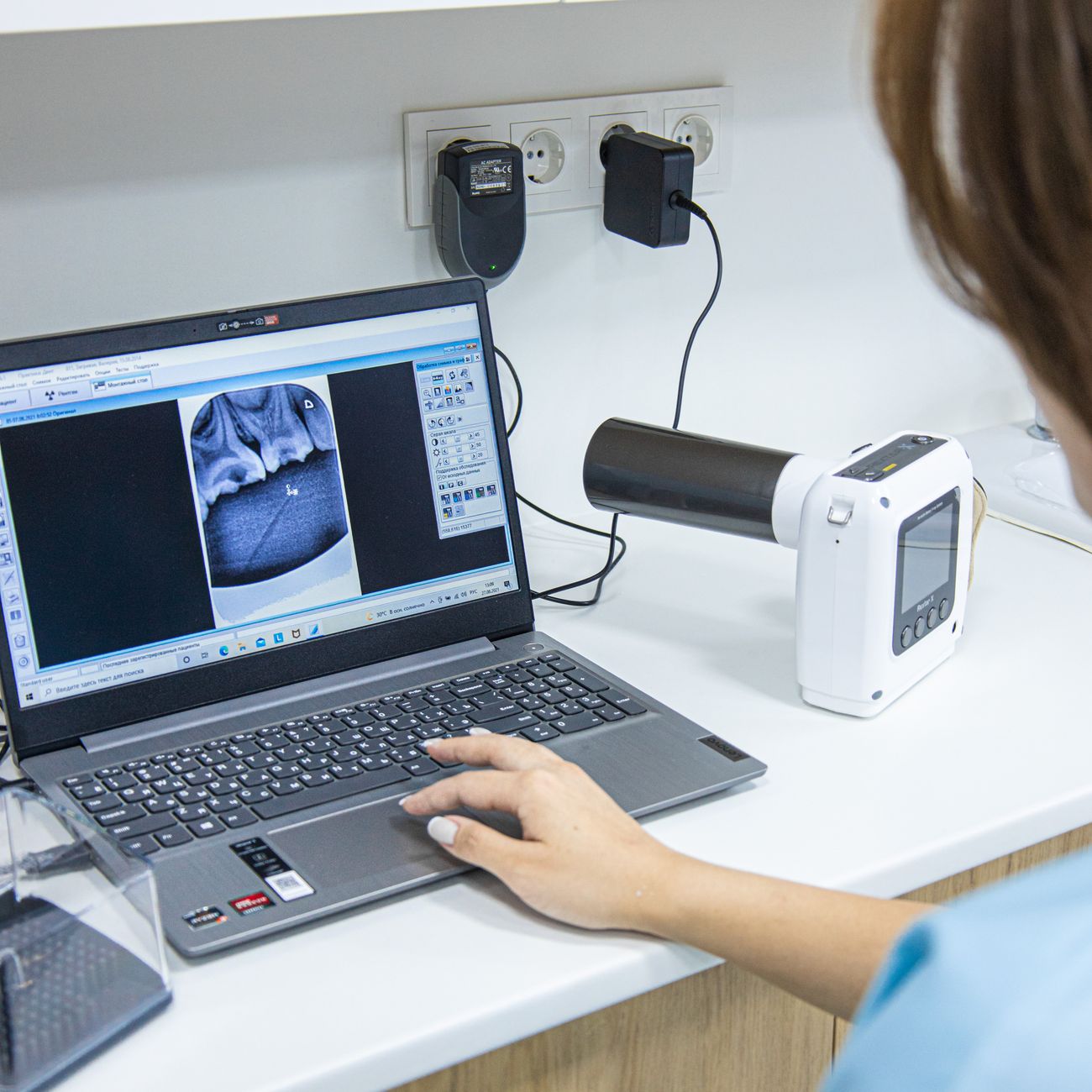
Blood Lead Level is the concentration of lead in a worker’s blood, expressed in micrograms per deciliter (µg/dL). This measurement serves as the primary biological indicator of recent exposure because lead circulates in the bloodstream before it is deposited in bone or other tissues. For example, a construction worker who removes lead‑based paint may have a baseline Blood Lead Level of 5 µg/dL before starting a project. After a week of intensive removal work, the level might rise to 15 µg/dL, prompting immediate medical evaluation and possible removal from the job until the level declines. The challenge in interpreting these results lies in the variability of individual metabolism and the timing of the sample; a level taken too soon after exposure may underestimate the true burden, while a delayed sample may miss a peak that has already been reduced by natural elimination.
Baseline Examination is the initial health assessment conducted before a worker is assigned to lead‑paint removal tasks. It establishes a reference point for future comparisons and includes a detailed medical history, physical exam, and initial Blood Lead Level measurement. For instance, a worker with a documented history of hypertension may require additional cardiac monitoring during exposure, whereas a healthy individual may only need routine surveillance. One practical application of a thorough baseline is the ability to detect pre‑existing conditions that could be exacerbated by lead, such as anemia, which could be worsened by occupational exposure. A common challenge is ensuring that baseline exams are truly comprehensive; contractors sometimes rush the process to meet project deadlines, potentially overlooking subtle conditions that later complicate medical monitoring.
Periodic Medical Surveillance refers to the scheduled follow‑up examinations that occur at regular intervals throughout a worker’s tenure on lead‑paint removal projects. These examinations typically repeat the components of the baseline exam and add any new findings related to ongoing exposure. For example, a quarterly surveillance program might require a worker to undergo a physical exam, a repeat Blood Lead Level test, and a review of any symptoms such as fatigue or abdominal pain. The frequency of surveillance is often dictated by regulatory guidelines; OSHA, for instance, mandates that workers with Blood Lead Levels above 30 µg/dL receive medical monitoring at least every 30 days. A major challenge in maintaining an effective periodic program is worker compliance—employees may resist additional testing due to inconvenience or fear of job loss, necessitating clear communication about the health benefits and legal protections in place.
Exposure Assessment is the systematic process of evaluating the magnitude, frequency, and duration of lead exposure in the workplace. It combines environmental measurements, such as air sampling, with biological monitoring data to create a comprehensive picture of risk. An example of exposure assessment might involve measuring airborne lead concentrations with personal samplers during a paint removal operation, then comparing those results to the worker’s Blood Lead Level to determine if the engineering controls are adequate. Practical application of exposure assessment includes adjusting work practices when measured lead concentrations exceed permissible limits, such as increasing ventilation or rotating workers to reduce individual exposure time. A persistent challenge is the variability of lead dust generation; different substrates, removal techniques, and environmental conditions can cause rapid fluctuations in airborne lead, making it difficult to capture an accurate exposure profile without continuous monitoring.
Occupational Exposure Limit (OEL) is a regulatory threshold that defines the maximum allowable concentration of a hazardous substance in workplace air, typically expressed in micrograms per cubic meter (µg/m³) over an 8‑hour time‑weighted average. For lead, OSHA’s permissible exposure limit (PEL) is 50 µg/m³, while the American Conference of Governmental Industrial Hygienists (ACGIH) recommends a lower threshold limit value (TLV) of 10 µg/m³. In practice, a contractor must design work procedures to keep measured airborne lead below the stricter of these limits to protect workers. For instance, if air sampling during a renovation project reveals concentrations of 45 µg/m³, the contractor must implement additional controls—such as localized exhaust ventilation—to bring the level down to compliance. Challenges arise when the OEL is exceeded despite engineering controls, often due to inadequate maintenance of equipment, unexpected release of lead dust, or insufficient training on proper work techniques.
Threshold Limit Value is the term commonly used by the ACGIH to denote a guideline exposure level that most workers can tolerate without adverse health effects. The TLV for lead is intentionally set lower than OSHA’s PEL to provide an extra margin of safety. When a lead‑paint removal crew consistently records air concentrations near the TLV, the employer may decide to adopt more stringent protective measures, such as providing higher‑efficiency respirators or increasing the frequency of surface wipe sampling. A practical challenge associated with TLVs is that they are guidelines rather than enforceable standards; some employers may view them as optional, leading to inconsistent application across projects and increasing the risk of overexposure for workers who rely on these lower thresholds for protection.
Personal Protective Equipment (PPE) encompasses the gear worn by workers to reduce direct contact with lead hazards. Essential PPE for lead‑paint removal includes disposable coveralls, gloves, boot covers, and respiratory protection. For example, a worker using a half‑mask respirator equipped with a high‑efficiency particulate air (HEPA) filter may reduce inhalation exposure by up to 99 percent when the respirator fits properly. The practical application of PPE extends beyond merely providing the equipment; it requires proper selection, fitting, and maintenance. A common challenge is ensuring that workers perform fit testing for respirators and replace disposable coveralls regularly, because compromised PPE can become a source of secondary contamination, spreading lead dust to clean areas and increasing the overall exposure burden.
Engineering Controls are physical modifications to the work environment designed to eliminate or reduce the generation of lead dust. Examples include using wet methods to suppress dust, installing local exhaust ventilation (LEV) systems, and employing negative‑pressure containment enclosures around high‑risk areas. In a practical scenario, a contractor may set up a portable LEV unit with a capture velocity of 150 feet per minute to extract airborne lead particles directly from the work zone, thereby keeping ambient concentrations well below the OEL. While engineering controls are the most effective means of reducing exposure, they often present challenges related to cost, feasibility, and maintenance. For instance, older buildings may lack the structural capacity to support a permanent ventilation system, requiring temporary solutions that must be carefully designed to avoid compromising worker safety.
Administrative Controls refer to policies and procedures that modify work practices to limit exposure time and reduce risk. Examples include job rotation, scheduling high‑exposure tasks during cooler hours when lead dust is less likely to become airborne, and implementing mandatory break periods for workers to leave the contaminated area. An example of an administrative control is a rotating schedule that limits any single worker’s exposure to lead‑paint removal tasks to no more than two hours per day, thereby preventing cumulative exposure from reaching hazardous levels. The challenge with administrative controls lies in balancing productivity with safety; excessive rotation may reduce efficiency, while insufficient rotation can lead to overexposure. Effective communication and clear documentation of work schedules are essential to ensure that administrative controls are consistently applied and monitored.
Control Banding is a risk‑assessment approach that groups hazards into categories, or “bands,” based on the severity of exposure and the likelihood of health effects. For lead exposure, control banding might categorize tasks into low, medium, and high risk, each with corresponding control requirements. A practical application of control banding could involve assigning high‑risk tasks—such as sanding lead‑based paint—to workers equipped with full respiratory protection and a dedicated decontamination area, while low‑risk tasks—like light touch‑up work—might only require disposable gloves and basic ventilation. The main challenge with control banding is ensuring that the classification accurately reflects real‑world conditions; improper categorization can lead to under‑protection of workers in high‑risk scenarios or unnecessary expense for low‑risk activities.
Air Monitoring is the process of measuring airborne lead concentrations using calibrated sampling equipment. Common methods include personal filter samplers worn by workers and stationary area samplers placed near the work zone. For instance, a personal sampler might be attached to a worker’s lapel, drawing air at a flow rate of 2 L/min for an 8‑hour shift, and later analyzed for lead content using inductively coupled plasma mass spectrometry (ICP‑MS). In practice, air monitoring data guide decisions about whether additional controls are needed, such as increasing ventilation or providing higher‑grade respirators. One of the biggest challenges is ensuring that sampling is performed correctly: improper placement, flow rate errors, or contaminated filters can produce misleading results, potentially leading to either complacency or unnecessary alarm.
Surface Wipe Sampling involves collecting lead dust from surfaces using a pre‑moistened wipe, which is then analyzed for lead content. This method is especially useful for assessing contamination on workbenches, tools, and personal protective equipment after a removal task. For example, a wipe sample taken from a worker’s glove after sanding a lead‑painted wall may reveal 500 µg of lead, indicating that the glove is heavily contaminated and requires replacement before the worker can safely exit the area. The practical application of surface wipe sampling includes verifying the effectiveness of decontamination procedures and identifying hotspots that may need additional cleaning. Challenges include maintaining consistent sampling technique across different inspectors and interpreting results in the context of occupational exposure limits, which are primarily based on airborne concentrations rather than surface loads.
Biological Monitoring encompasses the measurement of lead in biological specimens, most commonly blood, but also urine, hair, and bone. Blood testing remains the gold standard for recent exposure because lead appears in the bloodstream within days of inhalation or ingestion. In a practical scenario, a worker may have a urine lead test performed after a week of work; while urine levels can reflect cumulative exposure, they are less sensitive to short‑term spikes compared to blood measurements. The challenge with biological monitoring is the need for timely sample collection and accurate laboratory analysis; delays in processing can lead to underestimation of exposure, and variations in laboratory methods can affect comparability of results across different testing facilities.
Medical Surveillance Program is an organized system that integrates baseline examinations, periodic monitoring, exposure assessment, and health education to protect workers from lead toxicity. A well‑structured program includes clear protocols for when to remove an employee from exposure, how to conduct follow‑up examinations, and the steps for re‑entry after a worker’s Blood Lead Level has declined. For example, OSHA requires that any employee with a Blood Lead Level of 60 µg/dL be removed from exposure until the level falls below 40 µg/dL, after which a medical evaluation must confirm fitness for return. Implementing a comprehensive medical surveillance program can be challenging due to resource constraints, especially for smaller contractors who may lack in‑house occupational health expertise. Partnerships with external health providers and the use of standardized forms can help mitigate these difficulties.
Fit Testing is the procedure used to verify that a respirator forms a proper seal on the wearer’s face, preventing leakage of contaminated air. Qualitative fit testing uses odor or taste detection, while quantitative fit testing measures actual leakage using a particle counter. In practice, a worker who fails a fit test for a half‑mask respirator must be fitted with an alternative model or size that achieves an acceptable fit factor, typically 100 for half‑mask respirators. The biggest challenge is ensuring that fit testing is conducted for each worker before initial assignment and repeated annually or whenever a change in respirator type occurs. Failure to maintain proper fit can render the respirator ineffective, exposing the worker to lead despite the presence of PPE.
Respiratory Protection includes a range of devices designed to filter or supply clean air to the user. For lead‑paint removal, the most common options are half‑mask respirators with P100 filters, full‑face respirators, and powered air‑purifying respirators (PAPRs). A practical application might involve assigning a P100 half‑mask to workers performing high‑dust tasks, while reserving full‑face respirators for those working in confined spaces where additional eye protection is needed. Challenges include ensuring that filters are replaced before they become saturated, that the respirator is stored properly when not in use, and that workers are trained to recognize signs of respirator failure, such as difficulty breathing or a sudden increase in odor detection.
Lead Toxicity describes the adverse health effects resulting from the accumulation of lead in the body. Toxicity can manifest acutely, with symptoms such as abdominal pain, nausea, and encephalopathy, or chronically, leading to neurocognitive deficits, hypertension, and kidney damage. For a construction worker, chronic exposure may present as subtle memory loss or decreased hand‑eye coordination, which can compromise job performance and safety. Practical applications of understanding lead toxicity include designing health education programs that teach workers to recognize early symptoms and encouraging prompt medical evaluation. A major challenge is that many signs of lead toxicity are nonspecific and may be attributed to other causes, leading to delayed diagnosis and treatment.
Acute Exposure refers to a short‑term, high‑intensity contact with lead that can result in immediate symptoms. An example of acute exposure is a worker who accidentally inhales a large plume of lead dust after a containment breach, leading to sudden onset of headache, dizziness, and metallic taste. In such cases, immediate medical intervention is critical, and the worker must be removed from the environment until symptoms resolve and blood lead levels are reassessed. A challenge in managing acute exposure is rapid identification; because the symptoms can mimic other conditions, workers and supervisors must be trained to recognize the unique context of lead exposure and act swiftly.
Chronic Exposure denotes ongoing, low‑level contact with lead over an extended period, typically months or years. This type of exposure is more common in lead‑paint removal work where workers encounter small amounts of lead dust daily. Chronic exposure can lead to subtle but progressive health effects, such as reduced IQ in children of exposed workers, or increased systolic blood pressure in adults. Practical monitoring for chronic exposure involves regular Blood Lead Level testing and periodic health assessments to detect early signs of toxicity. The challenge is that chronic effects may not become apparent until after years of exposure, making preventive measures and consistent surveillance essential.
Neurological Effects of lead involve damage to the central and peripheral nervous systems. In adults, lead can cause peripheral neuropathy, characterized by numbness and tingling in the extremities, while high levels may lead to encephalopathy, presenting as confusion, seizures, or coma. For a construction worker, early neurological signs might be reduced reaction time or difficulty concentrating, which can increase the risk of accidents on site. Practical applications include incorporating neurobehavioral testing into periodic medical surveillance to detect subtle deficits before they become disabling. A challenge is that many neurological assessments require specialized equipment and trained personnel, which may not be readily available on all job sites.
Renal Effects involve lead‑induced damage to the kidneys, potentially resulting in reduced glomerular filtration rate (GFR) and chronic kidney disease. Workers with long‑term exposure may experience hypertension as a secondary effect, further compounding renal stress. In practice, monitoring renal function through serum creatinine and estimated GFR during periodic medical examinations can help identify early kidney impairment. The challenge is that renal changes often develop slowly and may be masked by other health conditions, necessitating a high index of suspicion and regular testing even in asymptomatic workers.
Hematological Effects are among the earliest detectable signs of lead exposure, as lead interferes with heme synthesis, leading to anemia. The classic laboratory finding is a reduced hemoglobin level accompanied by basophilic stippling of red blood cells. For a worker, early hematological changes may present as fatigue or pallor, which can be mistaken for other causes. Practical application includes integrating complete blood count (CBC) analysis into the baseline and periodic examinations, allowing for early detection of lead‑related anemia. Challenges arise when workers have pre‑existing anemia from other sources, making it difficult to attribute changes solely to lead exposure without a comprehensive clinical evaluation.
Chelation Therapy is a medical treatment that uses agents such as dimercaprol (BAL) or calcium disodium EDTA to bind lead ions and facilitate their excretion from the body. This therapy is typically reserved for individuals with very high Blood Lead Levels, usually above 80 µg/dL, or those showing severe clinical symptoms. In a practical scenario, a worker whose Blood Lead Level reaches 90 µg/dL after a prolonged exposure period may be referred for chelation, followed by a series of intravenous infusions and monitoring of renal function. The main challenges include the risk of side effects, such as nephrotoxicity, and the need for careful medical supervision; chelation does not reverse all lead‑induced damage, particularly if exposure has been ongoing for many years.
Decontamination refers to the procedures used to remove lead dust from workers, equipment, and the work environment. Effective decontamination typically involves a sequence of steps: removal of outer PPE, thorough hand washing with soap, showering with a lead‑specific cleanser, and cleaning of tools with wet wiping methods. For example, after completing a high‑dust removal task, a worker may first remove their coveralls in a designated “dirty” area, then proceed to a shower where they use a lead‑removing soap to scrub their skin and hair. Practical challenges include ensuring that decontamination areas are properly isolated to prevent cross‑contamination, and that workers understand the importance of each step; skipping even a single step can result in lead being carried to clean zones, increasing overall exposure risk.
Workplace Exposure is the total amount of lead a worker encounters during a specific job task or over a shift. It is quantified by combining environmental measurements (air, surface) with personal monitoring data. For instance, a worker who spends eight hours in a high‑dust environment with an average airborne lead concentration of 40 µg/m³ will have a higher workplace exposure than a colleague who works only two hours under the same conditions. Understanding workplace exposure assists in determining whether engineering or administrative controls are sufficient, and whether medical surveillance frequency should be increased. A challenge is that exposure can fluctuate dramatically within a single shift due to changes in work practices, making static measurements insufficient; continuous or real‑time monitoring may be needed to capture peak exposures.
Regulatory Standards are legally enforceable limits and requirements set by agencies such as OSHA, EPA, and NIOSH to protect workers from lead hazards. OSHA’s standard for lead in construction (29 CFR 1926.62) mandates specific exposure limits, medical surveillance protocols, and required training. The EPA’s Renovation, Repair, and Painting (RRP) rule adds additional responsibilities for contractors working in pre‑1978 homes. In practice, compliance with regulatory standards means that contractors must maintain documentation of air monitoring results, keep records of medical examinations, and provide workers with appropriate training and PPE. A common challenge is the complexity of navigating multiple overlapping regulations, especially when state or local agencies impose stricter limits, requiring contractors to adapt their programs accordingly.
OSHA Lead Standard specifically outlines the permissible exposure limit, medical surveillance requirements, housekeeping standards, and record‑keeping obligations for lead exposure in construction. For example, the standard requires that employers perform exposure assessments when there is reason to believe that airborne lead concentrations may exceed the PEL, and that they provide respirators when engineering controls are insufficient. Practical application of the OSHA Lead Standard involves creating a compliance matrix that tracks each requirement, such as scheduling periodic blood testing, documenting training attendance, and maintaining a log of air monitoring data. A major challenge is the rigorous enforcement of the standard; OSHA inspections can result in citations and penalties if documentation is incomplete or if workers are found to be overexposed.
EPA Lead Regulations include the RRP rule, which requires that contractors who disturb lead‑based paint in pre‑1978 structures be certified and follow specific work practices, such as using containment, ventilation, and protective equipment. In practice, a contractor must ensure that all crew members have completed the EPA‑approved lead‑safe training and that the job site is set up with containment barriers and negative pressure before beginning paint removal. Challenges arise in the certification process, as some contractors may overlook the need for EPA certification, leading to non‑compliance and potential legal consequences. Additionally, the EPA regulations emphasize consumer protection, so contractors must also communicate with homeowners about the risks and safeguards being employed.
NIOSH Recommended Exposure Limits (RELs) are advisory limits developed by the National Institute for Occupational Safety and Health to protect workers from health hazards. For lead, the NIOSH REL is 10 µg/m³ as an 8‑hour time‑weighted average, which is more protective than OSHA’s PEL. In practice, employers may adopt the REL as a best‑practice benchmark, especially when working on projects with vulnerable populations or when aiming for a higher safety standard. The challenge lies in reconciling the REL with the higher permissible limits set by OSHA; while compliance with OSHA avoids penalties, meeting the stricter NIOSH REL may require additional investment in engineering controls and monitoring.
Hygiene Practices encompass daily habits that workers adopt to minimize lead ingestion and dermal absorption. Key practices include washing hands before eating, drinking, or smoking; using designated eating areas away from work zones; and avoiding the use of personal items such as phones or jewelry in contaminated areas. For example, a worker who routinely eats a sandwich while wearing contaminated gloves may inadvertently ingest lead dust, increasing systemic exposure. Practical implementation of hygiene practices involves posting signage, providing hand‑washing stations with lead‑specific soap, and conducting regular briefings on proper behavior. A challenge is ensuring consistent adherence; workers may become complacent over time, necessitating periodic reinforcement through training and supervisory oversight.
Housekeeping refers to the routine cleaning and maintenance activities that keep the work environment free of lead dust. Effective housekeeping strategies include using HEPA‑filtered vacuum cleaners, wet mopping floors, and regularly wiping down surfaces with lead‑removing wipes. In a practical setting, a contractor may schedule a daily cleaning protocol where a dedicated crew performs a thorough decontamination of the work area at the end of each shift, followed by a verification sweep using surface wipe samples. The main challenge is balancing thorough cleaning with production timelines; excessive downtime for cleaning can be viewed as a loss of productivity, so it is essential to integrate housekeeping into the overall project schedule without compromising safety.
Training is the educational component that equips workers with the knowledge and skills needed to safely perform lead‑paint removal. Training topics typically cover regulatory requirements, health effects of lead, proper use of PPE, decontamination procedures, and emergency response. For instance, a one‑day classroom session may be followed by hands‑on practice with respirator fit testing and demonstration of proper wet‑scraping techniques. Practical applications of training include reducing the likelihood of accidental exposures, improving compliance with safety protocols, and fostering a culture of safety. Challenges often involve language barriers, varying literacy levels, and ensuring that training is refreshed periodically to address turnover and evolving best practices.
Medical Clearance is the formal approval from a qualified health professional that a worker is fit to perform lead‑paint removal tasks. Clearance is required before a worker begins exposure, after a period of elevated Blood Lead Level, and before returning to work following a medical leave. In practice, a worker whose blood lead level has dropped below the regulatory threshold may undergo a medical exam that includes a physical assessment, symptom review, and possibly repeat blood testing to confirm that the level remains stable. The challenge with medical clearance is the potential for delays caused by scheduling constraints, especially in regions with limited occupational health resources; these delays can impact project timelines and underscore the need for proactive planning.
Fit for Duty assessments determine whether a worker can safely perform the physical tasks required by lead‑paint removal work. These assessments consider factors such as respiratory function, cardiovascular health, and musculoskeletal condition. For example, a worker with a history of asthma may be evaluated for lung function before being assigned to tasks that require prolonged respirator use. Practical implementation involves coordinating with occupational health providers to conduct pre‑employment and periodic evaluations, documenting results, and making accommodation decisions when necessary. A challenge is balancing the need for thorough assessment with privacy concerns and ensuring that workers understand the purpose of the evaluation as a protective measure rather than a punitive one.
Return‑to‑Work protocols outline the steps for reintegrating a worker into lead‑paint removal duties after a period of removal due to elevated Blood Lead Level or health concerns. The protocol typically includes a medical re‑evaluation, confirmation that the Blood Lead Level is below the regulatory limit, and a review of any required accommodations, such as reduced exposure time or additional protective equipment. For instance, a worker who was removed after a level of 55 µg/dL may be cleared to return once the level falls below 40 µg/dL and a physician confirms no lingering symptoms. Challenges arise when workers experience repeated elevations, indicating that existing controls may be insufficient; in such cases, a comprehensive review of engineering controls, work practices, and medical surveillance is needed.
Exposure Limit is a generic term that encompasses both airborne concentration limits (such as OELs) and biological limits (such as permissible Blood Lead Level). Understanding the distinction is critical for effective monitoring. In practice, an employer may set an internal exposure limit that is more stringent than the regulatory limit to provide an additional safety margin. For example, a construction firm might adopt a target airborne lead concentration of 5 µg/m³, well below the OSHA PEL, to minimize the risk of workers exceeding biological thresholds. The challenge lies in communicating these limits to all stakeholders and ensuring that they are consistently enforced across multiple job sites and subcontractors.
Hygienic Controls are measures aimed at preventing ingestion or dermal absorption of lead, complementing engineering and administrative controls. These include providing dedicated eating areas, prohibiting food and drink in contaminated zones, and supplying lead‑free water for hand washing. Practical application involves establishing clear signage that delineates “clean” versus “contaminated” zones, and ensuring that workers understand the rationale behind each restriction. A common challenge is maintaining worker compliance, especially when job sites are cramped or when workers attempt to multitask (e.g., eating while working), requiring ongoing supervision and reinforcement.
Decontamination Shower is a dedicated facility where workers remove lead‑contaminated clothing and wash their bodies before entering clean areas. The shower typically uses a lead‑specific cleaning solution to enhance removal efficiency. For example, a worker exiting a lead‑paint removal area will first remove their coveralls in a “dirty” change room, then proceed to the decontamination shower, where they spend at least three minutes scrubbing with a lead‑removing soap before rinsing. The practical benefit is a substantial reduction in secondary contamination, protecting both the worker’s health and the surrounding environment. Challenges include the cost of installing and maintaining the shower, especially on temporary job sites, and ensuring that the facility is regularly inspected for proper function.
Lead‑Free Zones are designated areas where no lead‑contaminated materials or personnel are allowed. These zones are critical for preventing the spread of lead dust to offices, break rooms, or adjacent structures. In practice, a contractor may mark a perimeter around a renovation site with tape and signage indicating a lead‑free zone, and enforce a strict protocol that all workers must pass through a decontamination checkpoint before crossing. The challenge is maintaining the integrity of these zones over time, particularly when multiple subcontractors are present, requiring clear communication and coordinated enforcement among all parties.
Medical Record Keeping involves the systematic documentation of all health‑related data for each worker, including baseline exams, periodic surveillance results, exposure assessments, and treatment histories. Accurate records enable trend analysis, help identify workers at risk, and provide evidence of compliance during regulatory inspections. For example, a digital health database may track each worker’s Blood Lead Level over time, flagging any upward trends that trigger additional monitoring. Challenges include ensuring data confidentiality, meeting record‑retention requirements (often a minimum of 30 years), and integrating records from multiple health providers into a single, accessible system.
Symptom Reporting is the process by which workers communicate any health concerns that may be related to lead exposure, such as headaches, abdominal pain, or cognitive difficulties. An effective symptom‑reporting system encourages early detection of lead toxicity and allows for timely medical intervention. In practice, a supervisor may conduct a brief health check‑in at the start of each shift, asking workers to report any new symptoms. The challenge is that workers may downplay or hide symptoms due to fear of losing work, so creating a non‑punitive environment and emphasizing the protective purpose of reporting is essential.
Environmental Monitoring extends health surveillance beyond the individual worker to assess the overall lead burden in the worksite. This includes measuring lead concentrations in settled dust, soil, and water runoff from the site. For instance, a contractor may collect dust samples from the floor of a renovated building and analyze them for lead content to verify that cleaning procedures have been effective. Practical applications include using environmental data to guide decisions about site closure, waste disposal, and community health outreach. Challenges are often related to the need for specialized laboratory analysis and the interpretation of results in the context of occupational exposure limits, which are primarily focused on airborne concentrations.
Risk Communication is the exchange of information about lead hazards, exposure levels, and protective measures between employers, workers, and other stakeholders. Effective risk communication ensures that all parties understand the nature of the danger and the steps being taken to mitigate it. For example, a contractor might hold a toolbox talk at the start of each week to review recent air monitoring results, discuss any incidents, and reinforce proper decontamination procedures. A common challenge is tailoring the message to diverse audiences, including workers with varying literacy levels, subcontractors, and building occupants, while avoiding technical jargon that could obscure the core message.
Incident Investigation is the systematic analysis of any event that results in an overexposure, a medical symptom, or a near‑miss related to lead. The investigation aims to identify root causes, evaluate the effectiveness of existing controls, and implement corrective actions. In practice, if a worker’s Blood Lead Level spikes unexpectedly, the investigation may reveal that a ventilation system failed, that a respirator was not properly fitted, or that a break in the decontamination protocol occurred. The challenge lies in conducting thorough investigations without assigning blame, fostering a culture of continuous improvement rather than punitive response.
Compliance Audits are formal reviews conducted by internal safety teams or external auditors to verify that all aspects of the lead‑paint removal program meet regulatory and company standards. Audits typically assess documentation, training records, PPE availability, engineering controls, and medical surveillance data. For example, an audit may find that air monitoring logs are missing for several shifts, prompting immediate corrective action and potential retraining of staff responsible for monitoring. Challenges include allocating sufficient resources to conduct comprehensive audits and ensuring that findings lead to actionable improvements rather than merely generating paperwork.
Exposure Control Plan is a written document that outlines the specific strategies, responsibilities, and procedures for managing lead exposure on a project. The plan includes details on engineering controls, administrative controls, PPE requirements, medical monitoring schedules, and emergency response protocols. In practice, the plan may stipulate that all workers must undergo fit testing before using respirators, that air monitoring must be performed weekly, and that any worker with a Blood Lead Level above 30 µg/dL must be removed from exposure until the level declines. The main challenge is keeping the plan up‑to‑date as conditions change, such as when new work methods are introduced or when regulations are revised.
Hierarchy of Controls is the systematic approach to hazard mitigation that prioritizes elimination, substitution, engineering controls, administrative controls, and finally PPE. For lead‑paint removal, the hierarchy starts with eliminating lead exposure by not disturbing lead‑based paint when possible, then moves to engineering controls like ventilation, followed by administrative measures such as job rotation, and finally the use of PPE. Practical implementation involves evaluating each task against the hierarchy to determine the most effective control strategy. The challenge is that in many renovation projects, complete elimination is impossible, so contractors must rely on a combination of controls, making it essential to regularly reassess the adequacy of each layer.
Lead‑Safe Work Practices encompass the day‑to‑day actions that workers follow to minimize lead release and exposure. These practices include using wet methods to suppress dust, avoiding dry sanding when possible, sealing off ventilation ducts, and properly disposing of lead‑containing waste. For example, a worker may be instructed to keep a water mist continuously on the surface being stripped to prevent dust from becoming airborne. The practical benefit is a measurable reduction in airborne lead levels, as demonstrated by post‑implementation air monitoring. Challenges often revolve around habit formation; workers may revert to faster but riskier dry‑scraping techniques unless reinforced by supervision and ongoing training.
Lead Waste Management addresses the proper handling, packaging, transportation, and disposal of lead‑containing materials generated during paint removal. Regulations require that waste be placed in sealed containers, labeled as hazardous, and sent to licensed disposal facilities. In practice, a contractor may use double‑lined polyethylene bags to store removed paint chips, then arrange for a certified hazardous waste hauler to pick up the load. Practical challenges include the additional cost of compliant waste disposal and the logistical complexity of coordinating waste removal on tight project schedules. Non‑compliance can result in environmental penalties and increased liability for the contractor.
Medical Follow‑Up is the ongoing health assessment that occurs after a worker has been removed from lead exposure or after a medical event related to lead. Follow‑up may involve repeat Blood Lead Level testing, neurological evaluations, and counseling on lifestyle modifications to support recovery. For instance, a worker who underwent chelation therapy may require monthly blood tests for six months to monitor for rebound elevation. The challenge is ensuring that follow‑up appointments are not missed due to work commitments or lack of access to healthcare providers, necessitating employer support such as flexible scheduling or on‑site medical services.
Occupational Health Nurse is a healthcare professional specialized in workplace health who often coordinates medical surveillance, provides health education, and conducts initial assessments for lead exposure. In many construction settings, the occupational health nurse may be the first point of contact for workers reporting symptoms or seeking clearance for return‑to‑work. Practical applications include conducting baseline examinations, interpreting blood lead results, and advising on appropriate interventions. Challenges include limited availability of qualified occupational health nurses in remote areas, which may require contractors to rely on telemedicine services or external occupational health consultants.
Lead Exposure Incident refers to any occurrence where a worker’s lead exposure exceeds established limits or results in a health effect. An incident may be identified through
Key takeaways
- After a week of intensive removal work, the level might rise to 15 µg/dL, prompting immediate medical evaluation and possible removal from the job until the level declines.
- A common challenge is ensuring that baseline exams are truly comprehensive; contractors sometimes rush the process to meet project deadlines, potentially overlooking subtle conditions that later complicate medical monitoring.
- The frequency of surveillance is often dictated by regulatory guidelines; OSHA, for instance, mandates that workers with Blood Lead Levels above 30 µg/dL receive medical monitoring at least every 30 days.
- Practical application of exposure assessment includes adjusting work practices when measured lead concentrations exceed permissible limits, such as increasing ventilation or rotating workers to reduce individual exposure time.
- For instance, if air sampling during a renovation project reveals concentrations of 45 µg/m³, the contractor must implement additional controls—such as localized exhaust ventilation—to bring the level down to compliance.
- Threshold Limit Value is the term commonly used by the ACGIH to denote a guideline exposure level that most workers can tolerate without adverse health effects.
- For example, a worker using a half‑mask respirator equipped with a high‑efficiency particulate air (HEPA) filter may reduce inhalation exposure by up to 99 percent when the respirator fits properly.