
Energy Management Fundamentals for Hotels
Energy Management System is a coordinated set of tools, processes and technologies that monitor, control and optimise the energy consumption of a hotel. It integrates data from meters, sensors and building automation to provide real‑time vi…
Energy Management System is a coordinated set of tools, processes and technologies that monitor, control and optimise the energy consumption of a hotel. It integrates data from meters, sensors and building automation to provide real‑time visibility of usage patterns. In practice a hotel manager can view a dashboard that displays electricity, gas and water consumption by department, identify spikes, and trigger automatic adjustments such as dimming lights or reducing HVAC output when occupancy is low. Implementing an EMS often requires an initial investment in hardware and software, but the return on investment is realised through reduced utility bills and improved sustainability reporting. A common challenge is ensuring that staff understand how to interpret the data and act on the recommendations, which may necessitate ongoing training and change management.
Energy Audit is a systematic assessment of a hotel’s energy use that identifies opportunities for savings. Audits are typically conducted in three phases: A walk‑through inspection, detailed data analysis, and the development of a report with recommended actions. For example, an audit might reveal that guestroom thermostats are set too high during periods of low occupancy, leading to unnecessary heating or cooling. The auditor would then suggest installing programmable thermostats or occupancy sensors. Challenges include obtaining accurate baseline data, coordinating with multiple departments, and prioritising recommendations based on budget constraints and expected payback periods.
Baseline refers to the reference level of energy consumption against which future performance is measured. Establishing a baseline involves collecting historical utility data, normalising it for variables such as weather, occupancy rates and operational changes, and then documenting the resulting figure. A hotel with 150 rooms might have a baseline electricity consumption of 2,500 kWh per occupied room per year. This baseline becomes the yardstick for tracking improvements after implementing energy‑saving measures. One difficulty is that baselines can become outdated if the hotel undergoes renovations, changes its service mix, or experiences significant fluctuations in occupancy, requiring periodic recalibration.
Energy Performance Indicator (EnPI) is a metric that quantifies energy efficiency in a specific context, such as kWh per occupied room night or GJ per square metre of floor area. EnPIs enable managers to benchmark performance across time, locations and peer establishments. For instance, a boutique hotel might track a monthly EnPI for lighting, aiming to reduce it by 5 % each year. Selecting appropriate EnPIs is critical; overly broad indicators may mask problem areas, while overly granular ones can overwhelm staff with data. The key challenge lies in balancing relevance, ease of measurement and alignment with strategic sustainability goals.
Demand Side Management (DSM) encompasses strategies that influence the pattern of energy consumption on the consumer side, rather than altering the supply. In a hotel context, DSM may involve load shifting, where high‑consumption equipment such as laundry dryers is operated during off‑peak hours, or implementing peak‑shaving techniques that temporarily reduce load during utility demand charges. An example is programming the boiler to pre‑heat water during night‑time when electricity rates are lower, then storing the heated water for daytime use. DSM can be limited by guest comfort expectations and operational constraints, making careful scheduling essential.
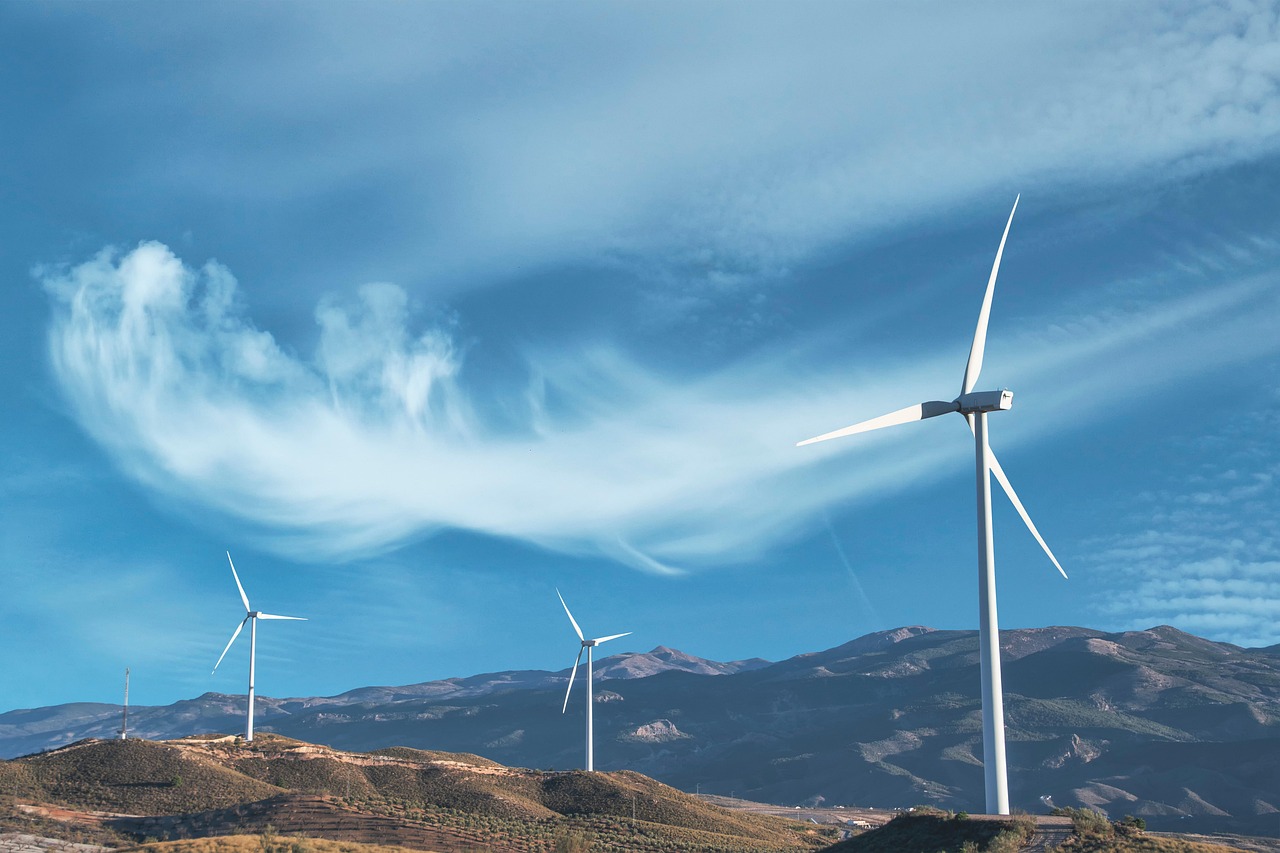
Renewable Energy sources, such as solar photovoltaic (PV) panels, wind turbines or biomass boilers, provide clean power that can offset a hotel’s reliance on fossil fuels. Installing a rooftop PV system on a coastal resort can generate a portion of the site’s electricity, reducing both costs and carbon emissions. Practical considerations include site suitability, local regulatory incentives, and the intermittency of generation. Hotels must also address the integration of renewable output with existing electrical infrastructure, often requiring inverters, battery storage or a net‑metering arrangement. The primary challenge is achieving a sufficient level of self‑generation to justify capital expenditure while maintaining reliable service.
Solar Photovoltaic technology converts sunlight directly into electricity using semiconductor cells. Hotels with expansive roof space or adjacent land can install PV arrays that feed power into the building’s electrical system. A mid‑scale hotel may install a 250 kW system that supplies roughly 15 % of its annual electricity demand. The system’s performance is measured by its peak‑power rating, capacity factor and annual generation. Maintenance involves periodic cleaning of panels and monitoring for shading or degradation. Seasonal variations in solar irradiance can affect output, so designers often incorporate energy storage or supplementary sources to maintain a stable supply.
Heat Pump is a device that transfers heat from a lower‑temperature source to a higher‑temperature sink, providing both heating and cooling with high efficiency. In hotels, air‑source heat pumps can replace traditional electric resistance heaters, achieving coefficients of performance (COP) of 3 to 4, meaning three to four units of heat are delivered for each unit of electricity consumed. For example, a hotel may retrofit its guestroom heating system with heat pumps, resulting in a 30 % reduction in heating energy. Installation challenges include ensuring adequate outdoor space, addressing noise levels, and integrating with existing distribution networks.
Combined Heat and Power (CHP) systems generate electricity and capture the waste heat for useful thermal applications such as hot water or space heating. A hotel with a large banquet facility may benefit from a CHP plant that supplies power for kitchen equipment while using the exhaust heat to pre‑heat water for laundry services. The overall efficiency of CHP can exceed 80 %, compared with separate generation which might achieve only 50 % combined. However, CHP requires a consistent thermal load to operate efficiently; fluctuating demand can lead to sub‑optimal performance, necessitating careful load analysis and possibly thermal storage.
Variable Refrigerant Flow (VRF) technology provides flexible climate control by varying the flow of refrigerant to indoor units based on demand. In a hotel, a VRF system can serve multiple guestrooms, conference spaces and public areas from a single outdoor compressor, enabling individual temperature set‑points without the need for extensive ductwork. This results in lower installation costs, reduced space consumption, and improved energy efficiency, often achieving seasonal energy efficiency ratios (SEER) above 20. The complexity of design and the need for specialised maintenance personnel can be barriers, especially in regions where VRF expertise is limited.
Building Automation System (BAS) is a network of sensors, controllers and actuators that automates building functions such as lighting, HVAC, and security. By integrating the BAS with an EMS, a hotel can achieve coordinated control strategies, such as reducing HVAC supply air temperature when occupancy sensors detect empty rooms, or adjusting lighting levels based on daylight availability. A practical application is the use of a central controller to schedule HVAC setback during night‑time cleaning periods, thereby conserving energy without compromising guest comfort. Implementation challenges include ensuring interoperability among devices from different manufacturers and maintaining system security against cyber threats.
Smart Meter is an advanced utility meter that records consumption in short intervals, typically every 15 minutes, and transmits data automatically to the utility and the hotel’s EMS. Smart meters enable detailed load profiling, allowing managers to pinpoint periods of peak demand and identify inefficient equipment. For example, a hotel may discover that its swimming pool pump runs continuously, even during low‑usage hours, prompting the installation of a variable‑speed pump that reduces power draw. While smart meters provide valuable data, they also raise privacy concerns and require robust data management practices to protect sensitive information.
Load Profiling involves analysing energy consumption patterns over time to understand how different systems contribute to overall demand. By constructing a load profile, a hotel can differentiate between base load (continuous consumption) and peak load (short‑term spikes). A typical load profile might show that laundry equipment creates a distinct peak in the early morning, while guestroom HVAC contributes to a broader mid‑day peak. Understanding these patterns facilitates targeted interventions such as rescheduling laundry cycles or implementing demand‑response participation. Accurate load profiling depends on high‑resolution metering and the ability to correlate data with operational schedules.
Peak Demand is the highest level of electricity consumption recorded over a specific interval, often measured in kilowatts (kW). Utilities may charge higher rates for peak demand because it strains the grid. Hotels can reduce peak demand by employing strategies like staggered equipment start‑up, using backup generators during peak periods, or employing thermal storage to shift cooling loads. For instance, a hotel might pre‑cool its chilled water storage during off‑peak hours, then use the stored cold water for air‑conditioning during peak demand, thus flattening the load curve. The main obstacle is ensuring that peak‑reduction measures do not compromise guest comfort or operational efficiency.
Load Shifting refers to moving energy‑intensive activities from periods of high electricity cost to times when rates are lower. In a hotel, laundry services, kitchen ovens and water heating can be scheduled to operate during night‑time or early‑morning off‑peak windows. An example is programming the hotel’s boiler to heat domestic hot water at 2 am, storing it in insulated tanks for use throughout the day. While load shifting can generate significant cost savings, it requires coordination with staff, reliable scheduling systems, and may be limited by the need for certain services to be available on demand.
Energy Conservation Measures (ECMs) are specific actions taken to reduce energy consumption without compromising service quality. Common ECMs in hotels include installing LED lighting, upgrading to high‑efficiency boilers, sealing ductwork, and implementing water‑saving fixtures. For example, replacing incandescent bulbs with LEDs can reduce lighting energy use by up to 70 %, while also lowering maintenance frequency due to longer lamp life. The challenge with ECMs lies in selecting measures that deliver the highest return on investment, aligning with the hotel’s brand image, and ensuring that staff are motivated to maintain the new standards.
Energy Efficiency Ratio (EER) is a metric that measures the cooling output of an air‑conditioning unit relative to its electrical input, expressed in BTU per watt. A higher EER indicates a more efficient unit. Hotels often specify air‑conditioners with an EER of 12 or higher for guestroom comfort. Selecting equipment with a high EER can lead to substantial electricity savings, particularly in warm climates where cooling loads dominate. However, high‑EER units may have higher upfront costs, and their performance can be sensitive to installation quality and maintenance practices.
Seasonal Performance Factor (SPF) is similar to EER but applies to heating devices, measuring the ratio of heating output to electricity consumption over a heating season. Heat pumps with an SPF of 4 provide four units of heat for each unit of electricity, representing a 75 % reduction in heating energy compared with electric resistance heaters. Hotels seeking to upgrade their heating system can use SPF as a selection criterion, balancing efficiency with capacity needs. The limitation is that SPF values are typically based on standard test conditions, which may differ from the actual operating environment of the hotel.
Lighting Controls encompass devices such as dimmers, timers, daylight sensors and occupancy switches that automatically adjust illumination levels. In a hotel lobby, a daylight sensor can dim overhead lights when natural light is sufficient, reducing electricity consumption while preserving visual comfort. Occupancy sensors in corridors turn lights on only when motion is detected, preventing unnecessary illumination in empty hallways. Implementing lighting controls can achieve savings of 30‑40 % in lighting energy. The main challenges are selecting the appropriate control type for each space, calibrating sensors correctly, and ensuring that guests do not perceive the lighting as inadequate.
Occupancy Sensor is a device that detects the presence of people and triggers lighting or HVAC actions based on that detection. There are two primary technologies: Passive infrared (PIR) and ultrasonic. PIR sensors detect body heat, while ultrasonic sensors detect sound waves. In hotel guestrooms, an occupancy sensor can switch off the air‑conditioning when the room is unoccupied for a predetermined period, then restore the set‑point when guests return. Calibration is critical; overly aggressive settings may lead to discomfort, while insensitive settings reduce the potential energy savings.
HVAC stands for heating, ventilation and air‑conditioning, the core system that regulates indoor climate. In hotels, HVAC design must accommodate varying occupancy densities, from single guestrooms to large conference halls. Energy‑efficient HVAC strategies include the use of variable‑speed fans, chilled water plants with high COP, and zone‑based control. For example, a hotel may install a dedicated HVAC zone for the spa, allowing independent temperature set‑points and reducing unnecessary cooling in adjacent areas. Challenges include the complexity of balancing comfort, indoor air quality, and energy consumption, as well as maintaining equipment to prevent performance degradation.
Water Heating is a major energy consumer in hotels, supporting guestroom showers, laundry, kitchens and spa facilities. Efficient water heating options include condensing gas boilers, heat pump water heaters and solar thermal collectors. A hotel might integrate a solar thermal system that pre‑heats water, reducing the load on the main boiler by 20 %. Practical considerations involve storage tank sizing, system integration, and ensuring consistent hot‑water supply during peak demand. The main obstacle is the variability of solar input, which may require auxiliary heating to meet demand at night or during cloudy periods.
Energy Recovery refers to the process of capturing waste heat or other forms of energy from one part of the hotel operation and reusing it elsewhere. An example is capturing exhaust heat from kitchen exhaust fans and using it to pre‑heat domestic water. This reduces the overall energy demand of the water heating system. Energy recovery can also involve heat exchangers that transfer heat from chilled water loops to heating loops, improving overall system efficiency. The challenge lies in designing a recovery system that matches the temperature levels and flow rates of the waste and the target processes.
Thermal Storage is a technology that stores heat or cold for later use, allowing the hotel to shift energy consumption to off‑peak periods. Ice storage tanks, for instance, can produce ice during night‑time when electricity rates are low, then melt the ice to provide cooling during the day. Similarly, hot water storage tanks can retain heat generated by a boiler operating at night for use during daytime peaks. Thermal storage reduces peak demand and can improve the utilization of renewable generation. However, it requires additional capital investment, space for storage tanks, and careful control strategies to avoid over‑charging or under‑charging.
Energy Procurement involves the strategic purchase of electricity, gas or renewable certificates to meet the hotel’s energy needs at the lowest possible cost while aligning with sustainability objectives. Hotels may enter into long‑term contracts with utility providers, negotiate volume discounts, or purchase renewable energy certificates (RECs) to offset their carbon footprint. An effective procurement strategy might combine a fixed‑price contract for baseline consumption with a variable‑price component for peak demand, allowing the hotel to benefit from lower rates when demand is low. The complexity of market dynamics and regulatory changes can make procurement a demanding task for hotel managers.
Power Purchase Agreement (PPA) is a contractual arrangement in which a hotel agrees to buy electricity generated by a third‑party renewable energy project, such as a solar farm, at a predetermined price for a set period. PPAs enable hotels to secure clean energy without the upfront capital outlay of installing their own generation assets. For example, a 50‑room boutique hotel may sign a 10‑year PPA for 200 kW of solar power, achieving a 30 % reduction in grid electricity purchases. The main considerations include the PPA price relative to market rates, the reliability of the renewable source, and the ability to match the hotel’s consumption profile with the generation profile.
Carbon Footprint quantifies the total greenhouse gas emissions associated with a hotel’s operations, expressed in carbon dioxide equivalents (CO₂e). It includes direct emissions from fuel combustion (Scope 1), indirect emissions from purchased electricity (Scope 2), and other indirect emissions such as waste disposal and supply chain activities (Scope 3). Calculating the carbon footprint provides a baseline for reduction targets and helps communicate sustainability performance to guests and stakeholders. A typical mid‑size hotel may have an annual carbon footprint of 2,500 t CO₂e, with the largest contributors being electricity use and gas‑fired heating. Challenges include gathering accurate data across all scopes, allocating emissions to specific activities, and dealing with uncertainties in emission factors.
Greenhouse Gas Emissions are the gases that trap heat in the atmosphere, contributing to climate change. In hotels, the primary sources are carbon dioxide from combustion of fossil fuels, methane from waste management, and nitrous oxide from certain cleaning chemicals. Reducing GHG emissions involves improving energy efficiency, switching to low‑carbon energy sources, and implementing waste reduction programmes. For instance, installing low‑NOx burners on boilers can lower nitrogen oxide emissions, while adopting biodegradable cleaning agents can reduce methane generation from wastewater. The difficulty lies in tracking emissions from diverse sources and ensuring that mitigation measures do not adversely affect service quality.
Energy Accounting is the systematic recording, classification and analysis of energy data to support decision‑making. It mirrors financial accounting but focuses on energy flows. In a hotel, energy accounting may involve allocating electricity consumption to departments such as housekeeping, food‑and‑beverage, and administration, using allocation keys based on floor area or occupancy. This enables managers to identify high‑consumption areas and set department‑level targets. Implementing energy accounting requires accurate metering, consistent data entry procedures, and integration with the hotel’s existing financial systems. A common obstacle is the resistance of staff to additional reporting responsibilities.
Benchmarking compares a hotel’s energy performance against industry standards, peers or internal historical data. Benchmarking can be conducted using publicly available databases such as the ENERGY STAR Portfolio Manager, which provides median energy use intensity values for hotels of similar size and location. By benchmarking, a hotel can determine whether its energy consumption is above, at, or below average, and thus identify opportunities for improvement. For example, a hotel that discovers its electricity use per occupied room night is 15 % higher than the national median can investigate causes such as outdated equipment or inefficient operational practices. The challenge is ensuring that the comparison is fair, accounting for differences in climate, service level and building age.
ISO 50001 is an international standard that specifies requirements for establishing, implementing, maintaining and improving an energy management system. Certification demonstrates a hotel’s commitment to systematic energy performance improvement. The standard follows the Plan‑Do‑Check‑Act (PDCA) cycle, encouraging continuous monitoring, corrective actions and management review. A hotel adopting ISO 50001 may develop an energy policy, set measurable objectives, conduct regular internal audits, and engage staff through training programmes. While ISO 50001 can lead to significant cost savings and enhanced reputation, the certification process demands documentation, resource allocation and ongoing management commitment.
LEED (Leadership in Energy and Environmental Design) is a widely recognised green building certification system that evaluates the environmental performance of a building across categories such as energy, water, materials and indoor environmental quality. Hotels seeking LEED certification can earn points for implementing energy‑saving measures, using renewable energy, and adopting sustainable operations. For instance, a hotel could achieve a LEED Silver rating by installing high‑efficiency HVAC, using low‑flow plumbing fixtures, and implementing a comprehensive recycling programme. The certification process involves third‑party verification, detailed documentation, and often a higher upfront cost, but it can attract environmentally conscious guests and command premium rates.
BREEAM (Building Research Establishment Environmental Assessment Method) is another environmental assessment method that rates the sustainability of buildings. In the hospitality sector, BREEAM assesses criteria such as energy use, water efficiency, waste management and ecological impact. A hotel that attains a BREEAM Excellent rating demonstrates superior performance in energy management, often involving measures like district heating, advanced insulation and smart building controls. The assessment requires a thorough audit and ongoing monitoring to maintain the rating, which can be resource‑intensive but provides a marketable sustainability credential.
Energy Tariff is the pricing structure applied by utilities for electricity or gas consumption. Tariffs may be flat‑rate, time‑of‑use (TOU), demand‑based or include seasonal variations. Understanding the tariff structure allows a hotel to schedule energy‑intensive activities during cheaper periods. For example, under a TOU tariff, electricity is cheaper between 10 pm and 6 am; the hotel can therefore run laundry machines, water‑heating boilers and HVAC pre‑cooling cycles during these off‑peak hours. Selecting the optimal tariff requires analysis of the hotel’s load profile, forecasting future consumption, and possibly negotiating customized contracts with the utility.
Time‑of‑Use Pricing assigns different electricity rates to different times of the day, reflecting the varying cost of generating and delivering power. Hotels can respond to TOU pricing by implementing automated control strategies that shift loads to low‑price periods. An example is programming the building management system to reduce chilled water pump speed during peak price windows, while maintaining guest comfort through temperature set‑point adjustments. The key challenge is ensuring that load shifting does not compromise the quality of service, especially for time‑sensitive operations such as food preparation.
Demand Response is a program in which electricity consumers voluntarily reduce or shift their load in response to signals from the utility, often in exchange for financial incentives. Hotels participating in demand response may receive a notification to curtail non‑essential loads during a grid emergency, such as temporarily dimming lobby lighting or delaying laundry cycles. Participation can generate revenue and improve grid reliability, while also showcasing the hotel’s commitment to sustainability. However, demand response requires advanced control systems, clear communication protocols, and contingency plans to avoid guest inconvenience.
Energy Budget is a financial plan that estimates the expected energy costs for a given period, typically aligned with the hotel’s fiscal year. The budget is based on historical consumption, projected occupancy, planned upgrades and anticipated tariff changes. By setting an energy budget, hotel management can monitor actual spend against the forecast, identify variances and take corrective actions. For instance, if the electricity spend in Q2 exceeds the budget by 8 %, the manager can investigate causes such as equipment malfunction or unexpected occupancy spikes. Accurate budgeting depends on reliable data and realistic assumptions; overly optimistic budgets can lead to missed targets and reduced credibility.
Energy Monitoring involves continuous observation of energy use through meters, sensors and software platforms. Real‑time monitoring enables rapid detection of anomalies, such as a sudden increase in refrigeration load that may indicate a faulty compressor. Energy monitoring dashboards often display key metrics like total consumption, peak demand, and departmental breakdowns, allowing managers to make informed decisions. Practical applications include setting alarms for abnormal usage, generating automated reports, and integrating with building automation for corrective actions. The primary challenge is managing the volume of data and ensuring that alerts are meaningful rather than overwhelming staff.
Submetering is the practice of installing separate meters for individual systems or zones within a hotel, such as guestroom lighting, kitchen equipment, or laundry facilities. Submetering provides granular insight into where energy is being used, facilitating targeted improvements. For example, a hotel may discover through submetering that the pool pump consumes 25 % of its total electricity, prompting the installation of a variable‑speed pump that reduces consumption by 15 %. Installation costs, data integration and maintenance of multiple meters can be barriers, especially in older buildings where retrofitting is complex.
Energy Dashboard is a visual interface that presents energy data in an accessible format, often using graphs, gauges and colour‑coded indicators. Dashboards allow hotel staff at various levels to quickly assess performance, identify trends and track progress toward targets. A typical dashboard might show daily electricity consumption, a comparison against the baseline, and a KPI such as “kWh per occupied room night.” By making data transparent, dashboards foster a culture of accountability and enable rapid response to inefficiencies. Designing an effective dashboard requires balancing detail with clarity, avoiding information overload, and ensuring that the displayed metrics align with the hotel’s strategic objectives.
Key Performance Indicator (KPI) is a quantifiable measure used to evaluate the success of a specific activity or process. In energy management, KPIs may include metrics such as “percentage reduction in peak demand,” “energy cost per occupied room night,” or “renewable energy contribution to total electricity.” Selecting appropriate KPIs helps focus efforts on the most impactful areas and provides a basis for performance appraisal. For instance, a KPI of 5 % annual reduction in lighting energy can be monitored through monthly reports, with corrective actions taken if the target is not met. The difficulty lies in choosing KPIs that are both meaningful and achievable, and ensuring that they are communicated effectively throughout the organisation.
Energy Star Rating is a voluntary programme that recognises buildings that achieve superior energy performance compared to a national reference. Hotels that earn the Energy Star label must demonstrate that their energy use intensity is in the top 25 % of comparable properties. Achieving the rating typically involves comprehensive energy audits, implementation of efficiency measures, and ongoing monitoring. The label can be used in marketing materials to attract environmentally conscious guests and may also qualify the hotel for incentives or rebates. Maintaining the rating requires continuous improvement, as the benchmark evolves over time.
Carbon Offset is a mechanism by which a hotel compensates for its unavoidable emissions by investing in projects that reduce or sequester an equivalent amount of carbon elsewhere, such as reforestation or renewable energy installations. Offsetting allows a hotel to claim carbon neutrality for a particular scope of emissions. For example, a hotel may purchase offsets equivalent to 500 t CO₂e of its Scope 2 emissions, supporting a wind farm development. While offsets can be a useful tool for achieving short‑term climate goals, they do not replace the need for direct emissions reductions and can be subject to scrutiny regarding additionality and verification.
Renewable Energy Certificate (REC) represents proof that one megawatt‑hour of electricity has been generated from a renewable source. Hotels can purchase RECs to match their electricity consumption with renewable generation, thereby reducing their carbon footprint without physically installing renewable assets. A hotel may buy 1,000 REC kWh annually to claim that its electricity is 100 % renewable. The market price of RECs fluctuates based on supply and demand, and the credibility of the certificate depends on the certification scheme governing its issuance. Using RECs provides flexibility but requires careful documentation to substantiate sustainability claims.
Energy Management Plan is a documented strategy that outlines the objectives, actions, responsibilities and timelines for improving energy performance. The plan typically includes baseline establishment, target setting, identification of ECMs, allocation of resources, training programmes and performance monitoring. For instance, a hotel’s energy management plan may set a goal to reduce electricity consumption by 10 % over three years, with specific milestones such as installing LED lighting in Year 1 and upgrading HVAC controls in Year 2. The success of the plan hinges on senior leadership support, clear communication, and regular review to adapt to changing conditions.
Energy Audit Report is the deliverable produced after completing an energy audit, summarising findings, analysis and recommended actions. The report includes a description of the current energy use, a list of identified inefficiencies, cost‑benefit calculations for each recommendation, and a suggested implementation schedule. A well‑structured report enables hotel decision‑makers to prioritise investments based on payback period, carbon reduction potential and alignment with brand values. Challenges in producing an effective report include ensuring data accuracy, articulating technical details in an understandable way, and providing realistic implementation guidance.
Energy Savings Verification is the process of confirming that implemented measures have delivered the expected reductions in energy consumption. Verification may involve comparing post‑implementation meter data with the baseline, adjusting for weather and occupancy, and conducting on‑site inspections. For example, after installing a variable‑frequency drive on a pump, the hotel records a 12 % reduction in electricity use, which is then validated against the projected savings. Independent third‑party verification can enhance credibility, especially when reporting to stakeholders or pursuing certifications. The main difficulty is isolating the effect of a single measure when multiple interventions are implemented simultaneously.
Performance Contracting is an arrangement where an energy service company (ESCO) implements energy‑saving projects and receives payment based on the achieved savings, often sharing the risk with the hotel. The ESCO conducts an audit, designs measures, finances the installation, and monitors performance. If the savings materialise, the hotel pays a portion of the reduced energy cost, while the ESCO retains the remainder. This model can accelerate the adoption of high‑upfront‑cost technologies such as CHP or advanced lighting controls. However, the contractual terms must be clear on measurement methodology, baseline definition, and responsibilities for maintenance to avoid disputes.
Green Lease is a lease agreement that incorporates sustainability provisions, encouraging both landlord and tenant to pursue energy efficiency. In a hotel context, a green lease may stipulate that the operator must maintain a certain energy use intensity, conduct regular audits, and report on sustainability metrics. The lease can also include clauses that allocate the cost of energy‑saving upgrades between the property owner and the hotel operator. While green leases promote collaboration on energy goals, they require careful negotiation to balance risk and reward, and may involve additional legal and administrative work.
Energy Retrofit refers to the process of upgrading existing building components to improve energy performance. Common retrofits in hotels include installing high‑efficiency boilers, upgrading insulation, replacing single‑glazed windows with double‑glazed units, and modernising lighting systems. A comprehensive retrofit programme can achieve energy reductions of 20‑30 % and extend the useful life of the building. Planning a retrofit involves feasibility studies, cost‑benefit analysis, phasing to minimise disruption to guests, and coordination with contractors. The main challenges are funding, managing construction while maintaining operations, and ensuring that the retrofitted systems integrate seamlessly with existing controls.
Energy Modelling is the use of computer simulations to predict a building’s energy consumption under various scenarios. Software tools can model heating, cooling, lighting and equipment loads based on inputs such as climate data, building geometry, occupancy schedules and equipment specifications. Hotels can use energy modelling during design or renovation to evaluate the impact of different technologies, such as comparing a conventional boiler with a heat‑pump system. The accuracy of the model depends on the quality of input data and assumptions; therefore, validation with actual metered data is essential to avoid misleading conclusions.
Carbon Management encompasses the systematic approach to measuring, reporting, reducing and offsetting carbon emissions. In a hotel, carbon management starts with a comprehensive inventory of Scope 1, 2 and 3 emissions, followed by the development of reduction targets aligned with science‑based pathways. Actions may include improving energy efficiency, transitioning to renewable electricity, and engaging suppliers to lower embodied carbon. Carbon management software can track progress, generate reports for stakeholders and support certification processes. Barriers include data collection across the supply chain, integrating carbon considerations into everyday operational decisions, and maintaining momentum over the long term.
Life‑Cycle Assessment (LCA) evaluates the environmental impacts of a product or system from raw material extraction through disposal. For hotels, LCA can be applied to major assets such as HVAC equipment, lighting fixtures or building materials, helping decision‑makers select options with lower overall carbon footprints. An LCA might reveal that a high‑efficiency LED lamp, despite higher upfront cost, results in lower total emissions over its lifespan compared with a conventional fluorescent lamp due to reduced electricity consumption and longer service life. Conducting LCAs requires expertise, data on manufacturing processes, and consideration of end‑of‑life scenarios, which can be resource‑intensive.
Energy‑Efficient Procurement involves selecting equipment, services and consumables that meet defined energy performance criteria. Hotels can adopt procurement policies that require suppliers to provide energy labels, performance data and warranties for high‑efficiency products. For example, when purchasing new kitchen appliances, the hotel may specify a minimum Energy Star rating, ensuring that the equipment contributes to overall energy reduction goals. Procurement teams must balance cost, performance, durability and compatibility with existing systems. A challenge is that high‑efficiency products may have higher initial prices, requiring justification through life‑cycle cost analysis.
Smart Building Technology integrates sensors, actuators, analytics and cloud platforms to create adaptive, data‑driven environments. In hotels, smart building solutions can autonomously adjust lighting, temperature, and ventilation based on real‑time occupancy data, weather forecasts and energy price signals. A guestroom may use a smart thermostat that learns the occupant’s preferred temperature range and optimises heating and cooling cycles to minimise energy use while maintaining comfort. Deploying smart building technology can yield substantial savings, but it also introduces concerns about data privacy, system interoperability and the need for skilled personnel to manage complex algorithms.
Energy‑Saving Incentives are financial programmes offered by governments, utilities or other organisations to encourage the adoption of efficient technologies. Incentives may take the form of rebates, tax credits, low‑interest loans or grants. A hotel that installs a high‑efficiency boiler may be eligible for a rebate covering 30 % of the equipment cost, reducing the payback period. Accessing incentives often requires detailed documentation, compliance with technical specifications and timely application submissions. The administrative burden can deter participation, so hotels benefit from dedicated staff or consultants who specialise in incentive procurement.
Peak‑Shaving is a technique that reduces the maximum demand on the electrical grid by lowering consumption during peak periods. Hotels can achieve peak‑shaving through strategies such as pre‑cooling building zones, using stored thermal energy, or temporarily curtailing non‑essential loads. For example, a hotel may lower the set‑point of the HVAC system by 2 °C during a demand‑charge event, resulting in a measurable reduction in peak kW demand. The savings from reduced demand charges can be significant, especially for properties with high peak‑demand penalties. However, peak‑shaving must be carefully coordinated to avoid compromising guest comfort or essential services.
Energy‑Performance Contracting (EPC) is a subset of performance contracting where the focus is specifically on improving energy efficiency. An EPC provider conducts a thorough audit, designs a suite of measures, finances the project, and guarantees a minimum level of energy savings. The hotel pays the provider a portion of the verified savings over the contract term, often receiving a share of the residual savings. EPCs can be particularly attractive for hotels lacking capital for upfront investments, as they transfer risk to the contractor. Successful EPCs require transparent baseline calculations, robust measurement and verification protocols, and clear contractual terms regarding maintenance responsibilities.
Demand‑Side Management Program is an organised approach that combines technology, policies and behavioural initiatives to influence energy consumption patterns. A hotel may implement a demand‑side management program that includes staff training on equipment shutdown procedures, guest awareness campaigns encouraging towel reuse, and automated controls that reduce lighting levels after midnight. The program’s success is measured through reductions in peak demand, overall energy use and associated cost savings. Engaging both employees and guests is essential, as behavioural changes can complement technical solutions to achieve greater overall impact.
Energy‑Efficiency Certification validates that a hotel meets specific standards for energy performance. Certifications such as ENERGY STAR, Green Key or the International Sustainable Tourism (IST) label provide external verification of a hotel’s commitment to sustainable operations. Achieving certification typically involves a comprehensive audit, implementation of recommended measures, and ongoing monitoring to maintain compliance. The benefits include enhanced marketability, potential access to corporate travel contracts, and eligibility for government incentives. The certification process can be rigorous, requiring documentation, staff training and periodic re‑assessment to retain the credential.
Utility Rate Analysis is the systematic examination of the various charges applied by electricity or gas providers, including fixed fees, variable rates, demand charges, and ancillary service fees. By dissecting the rate structure, a hotel can identify opportunities to reduce costs, such as shifting loads to avoid demand charges or negotiating a custom tariff that aligns with its consumption profile. For instance, a hotel with high daytime demand may benefit from a demand‑based rate that caps charges if the peak load stays below a specified threshold.
Key takeaways
- In practice a hotel manager can view a dashboard that displays electricity, gas and water consumption by department, identify spikes, and trigger automatic adjustments such as dimming lights or reducing HVAC output when occupancy is low.
- Challenges include obtaining accurate baseline data, coordinating with multiple departments, and prioritising recommendations based on budget constraints and expected payback periods.
- One difficulty is that baselines can become outdated if the hotel undergoes renovations, changes its service mix, or experiences significant fluctuations in occupancy, requiring periodic recalibration.
- Energy Performance Indicator (EnPI) is a metric that quantifies energy efficiency in a specific context, such as kWh per occupied room night or GJ per square metre of floor area.
- Demand Side Management (DSM) encompasses strategies that influence the pattern of energy consumption on the consumer side, rather than altering the supply.
- Renewable Energy sources, such as solar photovoltaic (PV) panels, wind turbines or biomass boilers, provide clean power that can offset a hotel’s reliance on fossil fuels.
- Seasonal variations in solar irradiance can affect output, so designers often incorporate energy storage or supplementary sources to maintain a stable supply.