
Mechanical Components of Retrieval Systems
Drive motor – The primary source of mechanical power in an automated storage and retrieval system (AS/RS). It converts electrical energy into rotational motion that is transferred to other components such as belts, chains, or gearboxes. Typ…
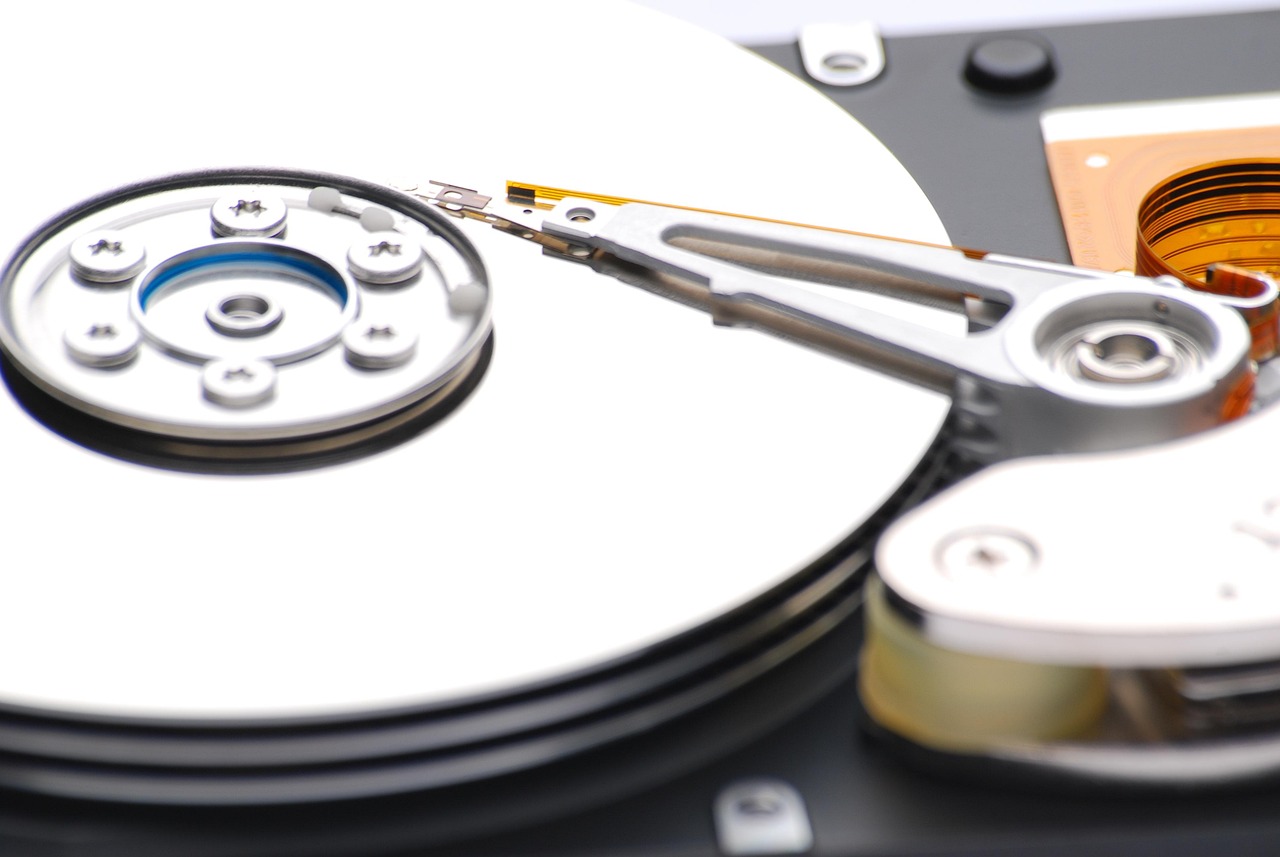
Drive motor – The primary source of mechanical power in an automated storage and retrieval system (AS/RS). It converts electrical energy into rotational motion that is transferred to other components such as belts, chains, or gearboxes. Typical drive motors are AC induction or servo types, selected based on required speed, torque, and control precision. In a high‑rise warehouse, a drive motor sized for a 5 kW rating may be used to power a vertical lift module, while a smaller 0.75 KW motor might drive a horizontal shuttle.
Gearbox – A mechanical assembly that modifies the speed and torque of a rotating shaft. Gearboxes are classified by gear type (spur, helical, bevel, planetary) and by reduction ratio. In retrieval systems, a planetary gearbox is often preferred for its compact size and high torque capability, enabling a crane to lift heavy pallets with smooth acceleration. Selecting the correct reduction ratio is critical; an undersized gearbox can cause motor overload, whereas an oversized gearbox may lead to unnecessary energy consumption and increased inertia.
Conveyor belt – A continuous loop of flexible material that transports items between locations. Belts are made from rubber, PVC, fabric, or metal and are supported by rollers and a drive pulley. In AS/RS, a conveyor belt may be used to feed incoming cartons to an input station or to move outbound trays to a shipping dock. The belt speed is typically adjustable between 0.1 M/s and 2.0 M/s, allowing synchronization with other system components. Common challenges include belt slippage, wear, and material buildup, which can be mitigated by regular tension checks and proper cleaning.
Roller – A cylindrical component that supports and guides a conveyor belt. Rollers can be powered (driven) or idle (idler). They are fabricated from steel, aluminum, or polymer and may include bearings for smooth rotation. In high‑load applications, roller shafts are often equipped with sealed ball bearings to protect against dust and moisture. Proper alignment of rollers is essential to prevent belt tracking problems; misalignment can cause the belt to wander, leading to premature wear.
Chain drive – A system that transmits power using linked metal plates (chains) meshed with sprockets. Chain drives are favored for their high load capacity and durability in harsh environments. In a retrieval crane, a chain drive may connect the motor to the hoist drum, providing the necessary pulling force to raise and lower loads. Chains require regular lubrication and tension adjustment; excessive slack can cause chain jump, while overtightening may increase bearing loads.
Sprocket – A wheel with teeth that engage a chain or timing belt. Sprockets are sized to match the pitch of the chain, ensuring accurate power transmission. In AS/RS, a sprocket mounted on the motor shaft drives the hoist chain. Selecting a sprocket with the correct tooth profile reduces noise and wear. Maintenance tasks include checking for tooth wear and ensuring the sprocket is securely fastened to prevent axial movement.
Linear motor – An electromechanical device that produces motion in a straight line without the need for rotary‑to‑linear conversion mechanisms. Linear motors are increasingly used in high‑speed shuttle systems because they offer precise positioning, high acceleration, and low maintenance. A linear motor may be integrated into a shuttle carriage, allowing it to travel along a rail at speeds up to 3 m/s. Challenges include managing the heat generated by the motor and ensuring the rail is perfectly straight to avoid vibration.
Rail – A structural element that guides moving components such as shuttles, cranes, or gantries. Rails are typically made from hardened steel and may be mounted on brackets or directly bolted to the building frame. The rail geometry (T‑slot, I‑beam, or square) determines the type of carriage that can be used. Proper installation includes precise leveling and anchoring to prevent deflection under load. In long spans, rail sag can affect positioning accuracy; engineers often use intermediate supports or higher‑grade steel to mitigate this.
Carriage – The assembly that slides or rolls along a rail, supporting the load and providing attachment points for actuators, sensors, and drive components. Carriages can be single‑axis or multi‑axis, depending on the degree of freedom required. A carriage for a vertical lift module may incorporate a built‑in motor, gearbox, and brake system, while a horizontal shuttle carriage may only carry a linear motor and a load platform. Selecting the appropriate carriage weight and load capacity is essential to avoid over‑stress and to maintain system efficiency.
Brake – A device that holds a moving part stationary by applying friction or electromagnetic force. Brakes are used on hoist drums, gearboxes, and motor shafts to ensure safe stopping and to maintain position when power is removed. In AS/RS, a brake may be an electromechanical type that clamps the drum surface, or a magnetic brake that creates a holding torque without wear. Brake selection must consider holding torque, response time, and heat dissipation. Failure to properly size a brake can lead to load drift or brake overheating.
Limit switch – An electromechanical sensor that detects the presence or position of a moving part and sends a signal to the controller. Limit switches are typically positioned at the extremes of travel to prevent over‑travel and to trigger homing routines. A limit switch on a crane may signal when the trolley reaches the far left or right position, while a vertical lift may have a switch at the topmost level. Modern systems sometimes replace mechanical limit switches with non‑contact sensors such as proximity sensors or encoders, but the principle remains the same: Providing a reliable reference point.
Encoder – An electronic device that generates a digital signal proportional to the movement of a shaft or linear axis. Encoders can be incremental or absolute, offering resolution from a few pulses per revolution to several thousand counts per millimeter. In retrieval systems, a encoder attached to the motor shaft provides feedback for closed‑loop speed and position control, enabling precise placement of pallets. High‑resolution encoders improve accuracy but may increase cost and require more sophisticated control algorithms.
Proximity sensor – A non‑contact detector that senses the presence of an object within a defined range using electromagnetic, inductive, or optical methods. Proximity sensors are commonly used to detect the presence of pallets on a shuttle platform, to verify that a lift platform is empty before descending, or to monitor the position of a hoist cable. An inductive proximity sensor detects metal objects, while a photoelectric sensor detects any material that interrupts a light beam. Selecting the appropriate sensor type depends on material, environment, and required detection distance.
Actuator – A component that converts electrical, pneumatic, or hydraulic energy into mechanical motion. In AS/RS, actuators are used for clamping mechanisms, push‑bars, and latch devices. A pneumatic cylinder may extend a pallet‑gripping fork, while a hydraulic actuator could be employed to lower a heavy lift platform with fine speed control. Actuator sizing must account for required force, stroke length, and system pressure, as well as safety considerations such as fail‑safe operation.
Hydraulic cylinder – A piston‑driven device that uses pressurized fluid to produce linear motion. Hydraulic cylinders are capable of delivering high force in compact packages, making them suitable for heavy‑duty lifts. In a vertical lift module, a hydraulic cylinder may raise a platform with loads up to several tonnes. Challenges include fluid leakage, temperature‑induced viscosity changes, and the need for regular maintenance of seals and pumps.
Pneumatic cylinder – Similar to a hydraulic cylinder but uses compressed air instead of fluid. Pneumatic cylinders are faster and cleaner, though they typically provide lower force. They are often employed for rapid positioning of lightweight components such as shuttle gates or pallet clamps. A pneumatic cylinder must be sized for the required stroke length and force, and air supply pressure must be stable to ensure consistent operation. Air exhaust noise can be mitigated with silencers.
Drive pulley – The wheel on which a conveyor belt or timing belt is wrapped and driven by the motor. The diameter of the drive pulley influences belt speed and torque requirements; a larger pulley reduces motor torque demand but increases belt length and system footprint. Pulley selection also affects belt tracking; using a tensioner in conjunction with the drive pulley helps maintain proper belt tension and prevents slippage.
Tensioner – A device that applies a constant force to a conveyor belt or chain to maintain proper tension. Tensioners can be spring‑loaded, weight‑based, or motor‑controlled. In a high‑throughput AS/RS, an automatic tensioner monitors belt stretch and adjusts tension in real time, reducing the risk of belt derailment. Incorrect tension can cause excessive wear, increased power consumption, and reduced system reliability.
Coupling – A mechanical connector that joins two rotating shafts while accommodating misalignment, vibration, and axial movement. Couplings are used to link the motor shaft to the gearbox input or to connect the gearbox output to the drive pulley. Types of couplings include flexible, gear, and disc couplings. A flexible coupling can absorb angular misalignment up to a few degrees, protecting bearings from premature failure. Selecting a coupling with adequate torque rating and shock load capacity is essential for system longevity.
Bearing – A component that reduces friction between moving parts, allowing smooth rotation or linear motion. Bearings can be ball, roller, or sleeve types, and are often sealed to protect against dust and contaminants. In retrieval systems, ball bearings are commonly used in motor shafts, gearboxes, and rollers. Bearing failure is a major cause of downtime; regular lubrication, temperature monitoring, and vibration analysis help detect early signs of wear.
Linear guide – A precision rail and carriage assembly that provides accurate linear motion with low friction. Linear guides are employed in shuttles, gantries, and lift platforms that require high positioning accuracy. A linear guide typically consists of a hardened steel rail with recirculating ball or roller elements. The guide’s preload can be adjusted to eliminate play, improving repeatability. However, the guide must be protected from debris; dust ingress can cause pitting and premature failure.
Slideway – A simple rail with a smooth surface on which a carriage or platform slides, often lubricated with oil or grease. Slideways are used in applications where cost is a concern and precision requirements are moderate. Unlike linear guides, slideways do not have rolling elements, so friction is higher. Proper lubrication and regular cleaning are crucial to prevent wear and to maintain consistent travel.
Locking mechanism – A device that secures a moving part in a fixed position, preventing unintended motion. Locking mechanisms can be mechanical (pins, latches) or electromechanical (solenoid locks). In a crane, a mechanical lock may engage when the trolley reaches a designated position, while an electromagnetic lock might hold the hoist drum during power loss. The design must consider release force, actuation speed, and safety standards.
Safety interlock – A system that disables operation when a hazardous condition is detected. Interlocks may be triggered by door sensors, emergency stop buttons, or weight sensors. For example, an access door interlock prevents the crane from moving while the maintenance panel is open. Interlocks are typically wired into the controller’s safety logic, ensuring that a fault condition leads to an immediate stop. Compliance with standards such as ISO 13849 or IEC 62061 is mandatory.
Emergency stop (E‑stop) – A manually activated device that immediately halts all motion and cuts power to the system. E‑stops are strategically placed at operator stations and along the equipment perimeter. Pressing an emergency stop triggers a hard‑wired signal to the controller, which then initiates a controlled deceleration or a full stop, depending on the system design. Regular testing of E‑stop functionality is required by occupational safety regulations.
Control cabinet – The enclosure that houses the electronic components governing system operation, including PLCs, drives, power supplies, and safety relays. The control cabinet is often mounted near the equipment for short cable runs and may be rated for IP54 or higher to protect against dust and splashing water. Proper layout inside the cabinet, with clear labeling and separation of power and logic circuits, simplifies troubleshooting and reduces electromagnetic interference.
Programmable logic controller (PLC) – A digital computer used for automation of electromechanical processes. PLCs execute ladder logic or structured text programs that coordinate motor speeds, sensor inputs, and safety functions. In AS/RS, the PLC may manage the sequence of loading a pallet onto a shuttle, moving the shuttle to a storage location, and returning to the home position. Modern PLCs support communication protocols such as Ethernet/IP, Modbus, and OPC UA, enabling integration with warehouse management systems.
Human‑machine interface (HMI) – The graphical or textual display that allows operators to monitor system status, input commands, and receive alarms. An HMI may be a touchscreen panel mounted at the operator’s console, showing real‑time positions of cranes, load weights, and error messages. Designing an intuitive HMI layout reduces operator training time and improves response to fault conditions. The interface should also provide access to maintenance diagnostics, such as bearing temperature trends.
Variable frequency drive (VFD) – An electronic device that controls motor speed by varying the frequency and voltage supplied to the motor. VFDs enable smooth acceleration, energy savings, and precise speed control. In a retrieval system, a VFD may adjust the conveyor belt speed to match the arrival rate of incoming pallets, preventing bottlenecks. VFDs also support regenerative braking, returning energy to the supply during deceleration, which can improve overall system efficiency.
Servo drive – A specialized motor controller that provides high‑performance speed and position control for servo motors. Servo drives typically operate with feedback from encoders, allowing sub‑millimeter positioning accuracy. A servo drive is essential for applications such as robotic picking arms attached to a retrieval crane, where precise motion is required to align a gripper with a target item. Servo systems often include fault detection features that can shut down the motor if abnormal vibration or temperature is detected.
Power supply – The component that converts mains electricity to the voltage levels required by the system’s electronics. Power supplies may be linear or switch‑mode, with redundancy built in for critical applications. A redundant power supply can automatically take over if the primary unit fails, ensuring uninterrupted operation of safety circuits and control logic. Proper sizing of the power supply must account for motor start‑up currents, which can be several times the nominal running current.
Cable tray – A support structure for routing power and data cables throughout the warehouse. Cable trays keep wiring organized, protect cables from mechanical damage, and facilitate future modifications. In AS/RS installations, a cable tray may run above the rail system, providing a pathway for motor leads, sensor wires, and communication cables. Selecting a tray with adequate load rating and corrosion protection is important in environments with high humidity or dust.
Grounding – The practice of providing a low‑impedance path for electrical currents to flow safely to earth, preventing electric shock and equipment damage. Proper grounding of motor frames, control cabinets, and metal structures is mandated by electrical codes. An inadequate ground can cause stray currents that interfere with sensor signals, leading to false alarms or erratic motion. Ground resistance should be measured periodically to verify compliance.
Thermal overload protector – A device that monitors motor temperature and disconnects power when a preset limit is exceeded. Thermal overload protectors are typically integrated into motor starters and are calibrated based on the motor’s rated current. In a retrieval crane, a thermal overload protector prevents the motor from overheating during prolonged lifting cycles, extending motor life. The protector must be reset after cooling, and its settings should be verified during commissioning.
Motor starter – An electromechanical or solid‑state device that initiates motor rotation and provides protection against overloads, short circuits, and phase failures. Motor starters may include contactors, fuses, and overload relays. A direct‑on‑line (DOL) starter applies full voltage to the motor at start, suitable for small motors. Larger motors often use soft starters to ramp voltage gradually, reducing mechanical stress on the drive train.
Soft starter – A type of motor starter that controls the voltage applied to the motor during acceleration, limiting inrush current and torque spikes. Soft starters improve the lifespan of gearboxes and belts by reducing shock loading. In a high‑speed shuttle, a soft starter can limit acceleration to a predetermined rate, preventing load shift that could cause pallets to tip. The device can also provide a controlled deceleration mode, enhancing safety.
Pulse width modulation (PWM) – A technique for controlling the average voltage delivered to a load by switching the supply on and off at a high frequency. PWM is used in VFDs and servo drives to regulate motor speed. By adjusting the duty cycle, the controller can achieve fine speed control while maintaining efficient power usage. PWM frequencies are typically in the range of 2 kHz to 20 kHz; higher frequencies reduce audible noise but increase switching losses.
Load cell – A transducer that converts a mechanical force into an electrical signal, allowing precise measurement of weight. Load cells are installed beneath pallets, on shuttle platforms, or within lift cylinders to verify that the load does not exceed design limits. An electronic load cell provides real‑time feedback to the controller, enabling automatic load‑based speed reduction or emergency stop if an overload is detected. Calibration of load cells must be performed regularly to maintain accuracy.
Weight sensor – A broader term that includes load cells, strain gauges, and force transducers. Weight sensors are used to detect the presence of a load and to measure its magnitude. In an AS/RS, a weight sensor mounted on a shuttle may trigger a warning if a pallet is heavier than the permissible limit, prompting the operator to redistribute the load. Sensor selection depends on required range, accuracy, and environmental conditions such as temperature and vibration.
Strain gauge – A resistive element that changes resistance when deformed, forming the basis of many load cells. Strain gauges are bonded to a structural element and form a Wheatstone bridge circuit for signal conditioning. Proper installation of a strain gauge requires careful surface preparation and temperature compensation to avoid drift. Errors in mounting can lead to zero‑shift or non‑linear response, compromising measurement reliability.
Temperature sensor – A device that measures the temperature of components such as motors, bearings, or hydraulic fluid. Common types include thermocouples, resistance temperature detectors (RTDs), and infrared sensors. Monitoring temperature helps prevent overheating, which can degrade lubrication and cause material fatigue. For example, a motor temperature sensor can trigger a protective shutdown if the motor exceeds 80 °C, preserving motor insulation.
Vibration sensor – Also known as an accelerometer, this sensor detects oscillatory motion of mechanical parts. Vibration analysis is a predictive maintenance technique used to identify bearing wear, misalignment, or imbalance before catastrophic failure. Installing a vibration sensor on a drive motor or gearbox allows the controller to log spectra and generate alarms when vibration exceeds predefined thresholds. Early detection can schedule maintenance during planned downtime, reducing unplanned outages.
Lubrication system – The infrastructure that supplies oil or grease to moving parts such as bearings, gearboxes, and sliding surfaces. Lubrication systems may be manual, automatic, or centralized. An automatic lubrication system delivers precise quantities of lubricant at set intervals, ensuring consistent protection and reducing operator workload. The choice of lubricant (synthetic oil, mineral oil, grease) must align with operating temperature, load, and speed.
Cooling fan – A device that forces air over heat‑generating components to dissipate thermal energy. Cooling fans are often mounted on motor housings, power electronics, and drive units. A cooling fan with variable speed control can adjust airflow based on temperature feedback, improving energy efficiency. In dusty environments, fans should be equipped with filters to prevent debris accumulation that can reduce airflow.
Heat exchanger – A component that transfers heat from a hot fluid to a cooler one, commonly used in hydraulic or lubrication circuits. Heat exchangers maintain fluid temperature within optimal ranges, preventing viscosity changes that could affect performance. In a high‑load lift system, a heat exchanger may cool hydraulic oil before it returns to the pump, ensuring consistent pressure and flow.
Hose – A flexible conduit that transports fluids such as hydraulic oil, pneumatic air, or coolant. Hoses must be selected for pressure rating, material compatibility, and temperature resistance. A reinforced hydraulic hose with a steel braid can safely handle pressures up to 300 bar, while a polyurethane pneumatic hose offers high flexibility for rapid actuation. Regular inspection for cracks, bulges, and wear is essential to prevent leaks.
Fitting – A connector that joins hoses, pipes, or tubes to components such as cylinders, pumps, and valves. Fittings include couplings, adapters, and quick‑connects. Proper torque and sealing compound must be applied to prevent leaks. In a hydraulic circuit, a threaded fitting with a metal seal may be used for high‑pressure connections, while a plastic quick‑connect can simplify maintenance for low‑pressure lines.
Valve – A device that regulates fluid flow, direction, or pressure within a system. Valves can be manual, solenoid‑operated, or proportional. In AS/RS, a solenoid valve may control the extension of a pneumatic cylinder that opens a shuttle gate. A proportional valve provides variable flow, enabling smooth speed control of hydraulic actuators. Valve selection must consider response time, flow capacity, and compatibility with the fluid.
Check valve – A one‑way valve that permits fluid flow in a single direction and prevents backflow. Check valves are critical in hydraulic circuits to maintain pressure when a pump is turned off. A spring‑loaded check valve offers quick opening and reliable sealing, ensuring that stored energy does not return to the pump. Improper installation can cause water hammer, so orientation and pipe support must be observed.
Pressure sensor – A transducer that measures the pressure of a fluid within a pipe or cylinder. Pressure sensors provide feedback to controllers for maintaining safe operating limits. In a hydraulic lift, a pressure sensor can trigger a safety valve if pressure exceeds the design limit, protecting components from over‑pressurization. Sensors must be calibrated to the system’s pressure range and temperature environment.
Flow meter – An instrument that quantifies the volume of fluid passing through a conduit per unit time. Flow meters are used to verify that lubricants or hydraulic fluids are circulating at the required rates. A magnetic flow meter can be installed in a lubrication loop to monitor oil flow, alerting operators to blockages or pump failures. Accurate flow measurement helps maintain cooling efficiency and prolong component life.
Accumulatorgas‑charged accumulator can supply additional flow when the hoist drum accelerates rapidly, preventing pressure drops that could cause valve chatter. Proper pre‑charge pressure and fluid compatibility must be verified during installation.
Filter – A component that removes contaminants from fluid streams, protecting sensitive parts such as valves and bearings. Filters are rated by micron size and flow capacity. A hydraulic filter with a 5 µm rating can capture metal particles generated by wear, extending the life of gearboxes. Filters should be placed upstream of critical components and replaced according to a maintenance schedule based on pressure differential readings.
Seal – A device that prevents leakage of fluids or gases at joints, interfaces, or moving parts. Seals can be O‑rings, lip seals, or mechanical seals. In a pneumatic cylinder, a rod seal prevents air escape while allowing the rod to move freely. Seal material selection (NBR, PTFE, Viton) depends on pressure, temperature, and chemical exposure. Improper sealing leads to pressure loss, contamination, and reduced system efficiency.
Shock absorber – A device that dissipates kinetic energy during sudden impacts, protecting structural components. Shock absorbers are often used in crane trolley travel to cushion the landing of the trolley when it reaches the end of a run. A hydraulic shock absorber can be tuned to provide a specific damping coefficient, reducing vibration transmitted to the rail and motor. Over‑damping can cause sluggish response, while under‑damping may result in excessive bounce.
Guide rail – A precision track that directs the movement of a trolley or carriage, ensuring accurate alignment. Guide rails can be of the T‑slot type for linear guides or a simple U‑channel for slideways. The guide rail must be securely anchored to the building structure to prevent deflection under load. In long spans, thermal expansion may cause rail distortion; expansion joints or temperature‑compensated mounts are used to mitigate this.
Pivot point – The location on a mechanism where rotation occurs, often defined by a bearing or shaft. Understanding the pivot point is essential for calculating lever arms and torque requirements. For example, the pivot point of a crane’s jib determines the moment arm for the load, influencing motor sizing. Misidentifying the pivot point can lead to inaccurate load calculations and potential overload.
Pivot bearing – A bearing that supports a rotating or oscillating shaft at the pivot point. Pivot bearings are typically spherical or tapered to accommodate angular motion. In a swing‑arm crane, a pivot bearing allows the arm to rotate smoothly while bearing the load weight. Proper lubrication and alignment of the pivot bearing are vital to prevent premature wear and noise.
Counterweight – A mass added to a system to balance the torque produced by a load, reducing the effort required by the motor. Counterweights are common in gantry cranes and rotating arms. By adding a counterweight opposite the load side, the motor sees a reduced net torque, improving energy efficiency and extending motor life. The counterweight must be securely mounted and calibrated to the expected load range.
Drive shaft – The rotating element that transmits power from the motor to downstream components such as gearboxes or pulleys. Drive shafts are typically made from hardened steel and may include splines or keyways for coupling. Proper shaft alignment is critical to avoid excessive bearing loads and vibration. A misaligned drive shaft can cause premature bearing failure and shaft bending.
Keyway – A slot cut into a shaft or hub that receives a key, preventing relative rotation between the two parts. Keyways are used in many mechanical connections, including motor to gearbox couplings. The key must be sized correctly to the shaft diameter and torque requirements; an undersized key may shear under load, while an oversized key can weaken the shaft. Proper key installation includes ensuring a snug fit and avoiding debris in the keyway.
Splined shaft – A shaft with multiple ridges (splines) that mesh with a corresponding hub, providing torque transmission while allowing axial movement. Splined shafts are common in telescopic lift mechanisms where the shaft must extend while maintaining rotational drive. The spline profile must be matched precisely to the hub to avoid backlash. Wear monitoring of splines is important, as damaged splines can cause slipping or uneven load distribution.
Backlash – The amount of play or clearance between meshing gear teeth or between a screw and nut. Backlash can degrade positioning accuracy and cause jerky motion. In high‑precision retrieval systems, designers aim to minimize backlash by using zero‑backlash gearboxes, preloaded ball screws, or anti‑backlash nuts. When backlash is present, control algorithms may need to compensate by adding extra movement in the opposite direction before the final positioning step.
Ball screw – A mechanical linear actuator that converts rotary motion into linear motion with high efficiency, using ball bearings recirculating between the screw and nut. Ball screws are used in positioning stages, lift platforms, and shuttle drives where precise linear movement is required. A typical ball screw may have a lead of 5 mm per revolution and an efficiency of 90 %. Proper lubrication and periodic cleaning of the ball circuit are necessary to prevent contamination and maintain accuracy.
Lead screw – A simple threaded rod that converts rotary motion into linear motion, often used where high force and low speed are needed. Lead screws have higher friction than ball screws, resulting in lower efficiency but greater self‑locking capability. In a heavy‑duty lift, a lead screw may be chosen for its ability to hold position without power. Selecting the appropriate thread pitch and material (steel, stainless) influences load capacity and wear.
Linear motor guide – A combined system of a linear motor and a precision guide rail, providing both propulsion and support. Linear motor guides enable high‑speed, high‑precision travel without the need for separate drive belts or chains. They are used in fast shuttles that must travel long distances quickly while maintaining sub‑millimeter positioning accuracy. Integration challenges include thermal management of the motor and ensuring the guide rail remains free of contaminants.
Travel limit – The maximum distance a moving component can travel before a safety device stops it. Travel limits are enforced by limit switches, sensors, or software. Defining the travel limit prevents equipment from colliding with walls or other machinery. In a crane system, travel limits are set for both the trolley (horizontal) and the hoist (vertical) axes. Exceeding travel limits can cause mechanical damage and trigger emergency stops.
Travel speed – The rate at which a component moves along its axis, usually measured in meters per second or feet per minute. Travel speed is determined by motor power, gear ratio, and load characteristics. Higher speeds increase throughput but may also increase wear and reduce positioning accuracy. System designers often balance speed with safety, employing acceleration and deceleration ramps to avoid sudden jolts.
Acceleration ramp – A controlled increase in speed at the start of motion, reducing mechanical shock and improving load stability. Acceleration ramps are programmed into the drive controller and are expressed as a rate (e.G., M/s²). For a shuttle that carries fragile items, a gentle acceleration ramp (e.G., 0.5 M/s²) minimizes the risk of tipping. Similarly, deceleration ramps help bring the system to a smooth stop, preventing abrupt load drops.
Deceleration ramp – The controlled reduction of speed as a moving component approaches its target position. Deceleration ramps are essential for precise positioning and to avoid overshoot. In a crane, a deceleration ramp ensures the trolley arrives at the loading dock without slamming into the dock edge, protecting both the equipment and the load. Adjustable ramp settings allow operators to tailor motion profiles to different load conditions.
Position feedback – Information that indicates the current location of a moving component, typically supplied by encoders, linear scales, or potentiometers. Position feedback enables closed‑loop control, ensuring the system reaches and maintains the desired position. In a retrieval system, accurate position feedback is crucial for aligning a pallet with a picking robot. High‑resolution feedback reduces cumulative positioning error across multiple moves.
Home position – A predefined reference point used to calibrate the system’s coordinate system. The home position is usually detected by a limit switch or an encoder index pulse. Upon power‑up, the controller may command the system to move to the home position to establish a known reference before starting normal operation. The home routine must be designed to avoid collisions and to account for any mechanical play.
Redundancy – The inclusion of duplicate components or pathways to increase system reliability. Redundancy can be applied to power supplies, controllers, communication networks, and safety devices. A dual‑redundant control cabinet with two PLCs running in parallel ensures that a failure in one does not halt the entire system. Redundant design must also incorporate fail‑over logic to seamlessly switch to the backup component.
Fault tolerance – The ability of a system to continue operating in the presence of component failures or errors. Fault‑tolerant designs often use redundancy, error‑checking algorithms, and safe‑state procedures. In an AS/RS, a fault‑tolerant communication network may reroute messages if a cable is damaged, while the system continues to process orders. Fault tolerance is a key requirement for high‑availability warehouse operations.
Diagnostic interface – A set of tools and protocols that allow technicians to read system status, error codes, and performance metrics. Diagnostic interfaces may be built into the HMI, accessed via USB, Ethernet, or proprietary connectors. A diagnostic interface can display motor currents, temperature trends, and fault histories, aiding rapid troubleshooting. Integration with a maintenance management system (CMMS) streamlines work order generation.
Predictive maintenance – A maintenance strategy that uses condition monitoring data to predict when a component will fail, allowing intervention before breakdown occurs. Sensors such as vibration, temperature, and oil analysis feed into algorithms that estimate remaining useful life. Implementing predictive maintenance on bearings and gearboxes reduces unplanned downtime and extends component life. The approach requires reliable data acquisition and a robust analytics platform.
Preventive maintenance – Scheduled maintenance activities performed at regular intervals regardless of component condition. Preventive maintenance includes lubrication, filter replacement, belt tension checks, and visual inspections. While less sophisticated than predictive maintenance, it provides a baseline level of reliability. A typical preventive schedule might call for belt replacement every 12 months or bearing temperature inspection quarterly.
Lubricant viscosity – A measure of a fluid’s resistance to flow, influencing how well it protects moving parts. Viscosity is temperature dependent; high‑temperature environments may require low‑viscosity lubricants to maintain flow, while low‑temperature settings may need higher viscosity to prevent thinning. Selecting the correct lubricant viscosity for bearings and gears ensures optimal film thickness and reduces wear.
Seal wear – The degradation of sealing elements due to friction, temperature, or chemical attack. Seal wear can lead to leaks, pressure loss, and contamination of fluid circuits.
Key takeaways
- In a high‑rise warehouse, a drive motor sized for a 5 kW rating may be used to power a vertical lift module, while a smaller 0.
- Selecting the correct reduction ratio is critical; an undersized gearbox can cause motor overload, whereas an oversized gearbox may lead to unnecessary energy consumption and increased inertia.
- Common challenges include belt slippage, wear, and material buildup, which can be mitigated by regular tension checks and proper cleaning.
- Proper alignment of rollers is essential to prevent belt tracking problems; misalignment can cause the belt to wander, leading to premature wear.
- In a retrieval crane, a chain drive may connect the motor to the hoist drum, providing the necessary pulling force to raise and lower loads.
- Maintenance tasks include checking for tooth wear and ensuring the sprocket is securely fastened to prevent axial movement.
- Linear motor – An electromechanical device that produces motion in a straight line without the need for rotary‑to‑linear conversion mechanisms.